The dietary supplement industry is navigating a complex landscape where consumer trust is paramount, scientific discovery continues to push boundaries, and product innovation is rapidly responding to evolving wellness demands. This edition of Supplement Shorts delves into critical developments, from widespread concerns over counterfeit products to promising research on the efficacy of key ingredients like Rhodiola, and the strategic launch of new functional beverage formats. These insights offer a comprehensive overview of the sector’s current trajectory, encompassing scientific advancements, finished product strategies, and broader industry trends.
Counterfeit Supplements Erode Consumer Trust, Highlighting Quality as a Top Priority
A significant wave of apprehension is sweeping through the consumer base for dietary supplements, with a substantial majority expressing concerns about the authenticity of products they purchase. A recent YouGov survey, commissioned by iHerb, a prominent e-commerce retailer specializing in health and wellness products, revealed that over half of all supplement consumers are worried about encountering counterfeit items. This finding underscores a critical vulnerability within the market and signals a growing imperative for robust quality assurance measures and transparent supply chains.

The survey data further illuminates the factors driving consumer purchasing decisions. Quality and price emerged as the two most influential considerations, tying for the top spot. This dual focus suggests that while consumers are price-conscious, they are unwilling to compromise on the perceived integrity and effectiveness of the supplements they consume. The research indicated that while 60% of surveyed individuals opt for their supplements at mass retailers and grocery stores, a considerable 41% are increasingly turning to online platforms for their purchases. This shift highlights the evolving retail dynamics and the digital reach of the supplement market.
Beyond the general concerns, the survey specifically pinpointed consistent product quality as the paramount factor when consumers evaluate and select vitamin, mineral, and supplement (VMS) products. This emphasis on unwavering quality is not merely a preference but a fundamental requirement for building and maintaining consumer confidence.
Hyeyoung Moon, Chief Revenue Officer at iHerb, commented on the survey’s implications, stating, "Consumers want confidence in what they put in their bodies, and that confidence starts with knowing where products come from and having access to meaningful information about their quality." iHerb has leveraged these findings to reinforce its "Quality Promise," an initiative designed to assure customers of the rigorous standards applied to its product offerings. This statement from iHerb’s leadership directly addresses the core anxieties of consumers and positions the company as a proponent of transparency and reliability in a market where such assurances are increasingly sought after.
The prevalence of counterfeit products poses a multifaceted threat to the supplement industry. It not only jeopardizes consumer health by potentially exposing individuals to ineffective or harmful substances but also erodes the reputation of legitimate brands and the sector as a whole. The economic ramifications are also significant, as counterfeit products divert sales from authentic goods and can lead to substantial financial losses for manufacturers and retailers. Industry bodies and regulatory agencies are continually working to combat this issue through enhanced surveillance, stricter enforcement, and educational campaigns aimed at both consumers and businesses. The iHerb survey serves as a stark reminder of the ongoing battle to ensure product integrity and safeguard consumer well-being.
Rhodiola Rosea: Emerging Research Unveils Significant Exercise Performance Benefits
In the realm of scientific discovery, new research is shedding light on the potential exercise-enhancing properties of Rhodiola rosea, a popular adaptogenic herb. Preliminary studies suggest that this botanical extract may offer tangible benefits for individuals engaged in physical activity, potentially improving endurance, reducing fatigue, and accelerating recovery.
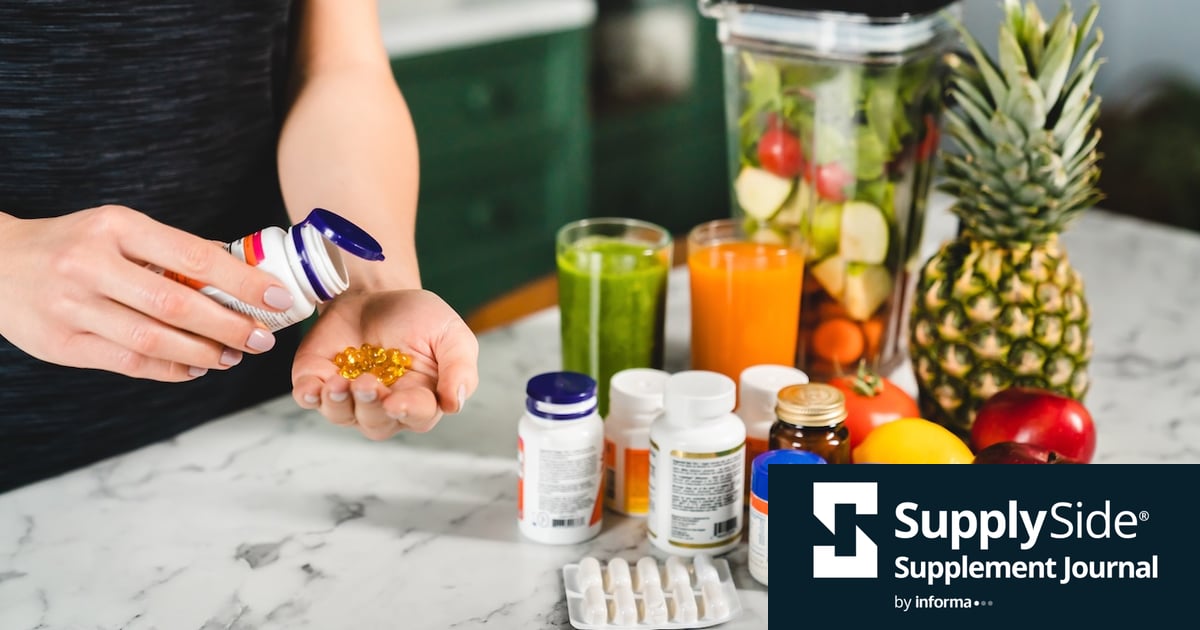
Rhodiola rosea, scientifically known as Rhodiola rosea, has a long history of use in traditional medicine, particularly in Eastern Europe and Asia, for its purported ability to combat fatigue and enhance mental and physical performance. Its active compounds, including rosavins and salidrosides, are believed to interact with the body’s stress response system, helping to regulate cortisol levels and improve cellular energy production.
Recent clinical investigations have begun to quantify these effects in the context of exercise. While specific details of ongoing or recently published trials are often proprietary until formal release, the general trend in scientific inquiry points towards Rhodiola’s capacity to influence key physiological markers associated with athletic performance. This includes potential improvements in VO2 max, the maximum amount of oxygen an individual can utilize during intense exercise, and a reduction in perceived exertion, meaning individuals may feel less tired during their workouts.
The implications of such findings for the sports nutrition and fitness industries are substantial. If further research validates these initial observations, Rhodiola rosea could become a cornerstone ingredient in pre-workout formulations, endurance supplements, and recovery products. This could lead to increased demand for high-quality Rhodiola extracts and further investment in research and development to optimize its application in sports performance. The market for sports nutrition supplements is a multi-billion dollar industry, and the incorporation of scientifically-backed, natural ingredients like Rhodiola can offer a competitive edge and appeal to a growing segment of health-conscious athletes and fitness enthusiasts seeking natural performance enhancement.
The scientific community’s increasing focus on adaptogens like Rhodiola reflects a broader trend towards exploring natural compounds for their therapeutic and performance-enhancing benefits. As research progresses, a more nuanced understanding of optimal dosages, specific exercise types that benefit most, and potential synergistic effects with other nutrients will likely emerge. This ongoing scientific exploration is crucial for substantiating the claims made by supplement manufacturers and ensuring that consumers have access to products based on sound scientific evidence.
Innovative Drink Mixes Enter the Market, Delivering Protein, Fiber, and Energy
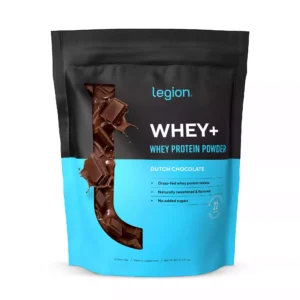
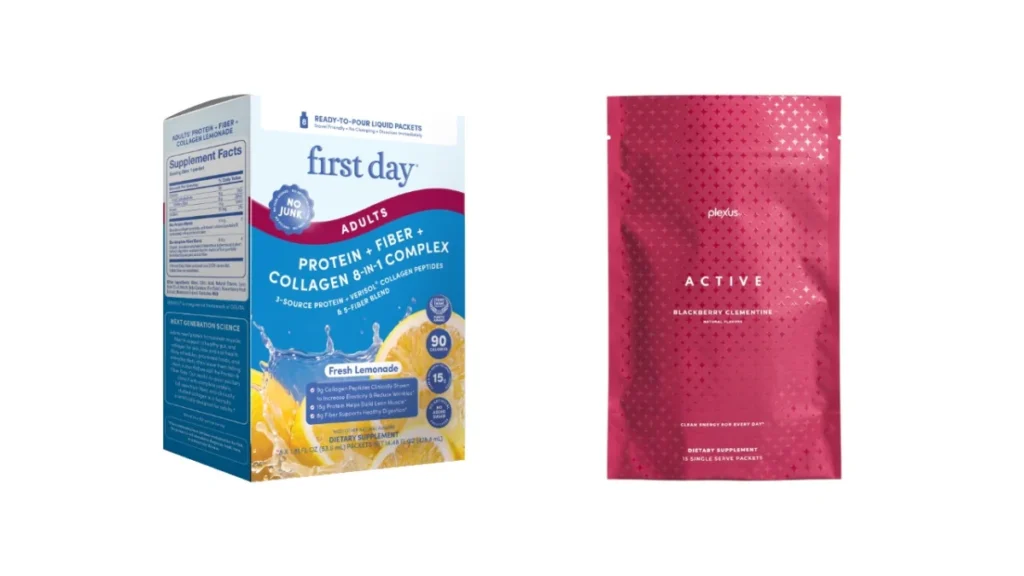
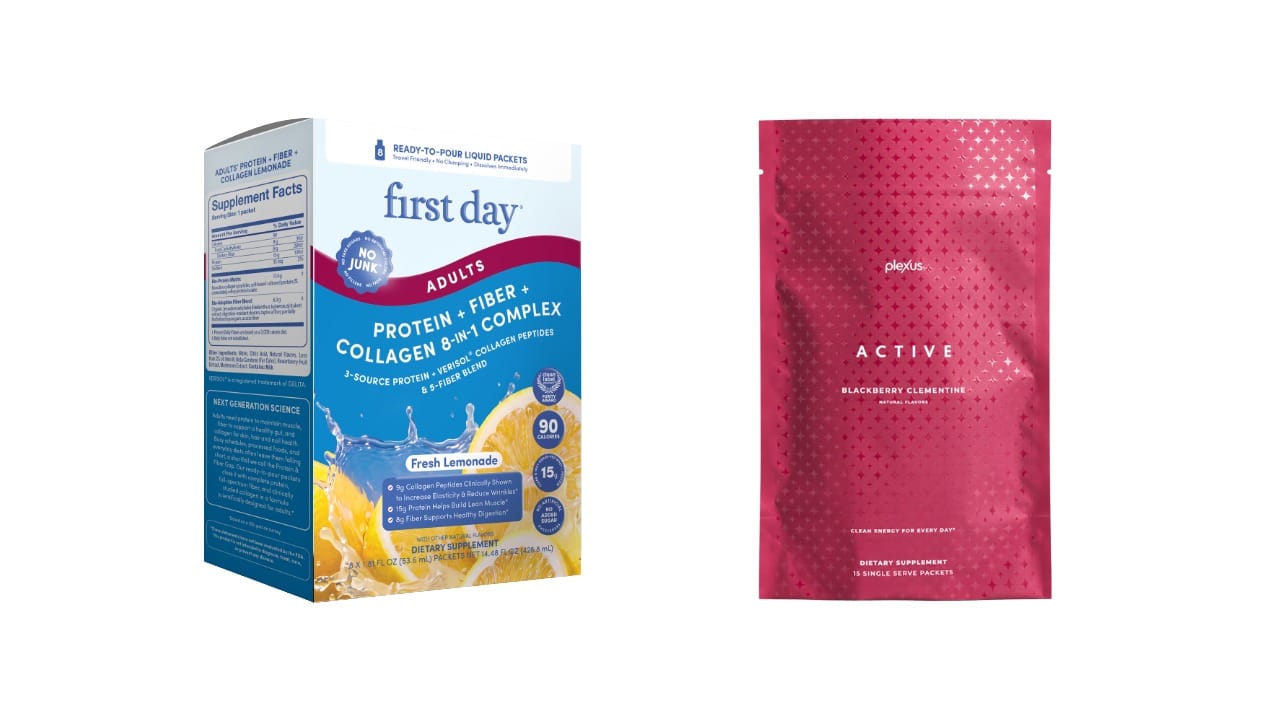
The functional beverage sector continues to witness a surge in innovation, with a new wave of drink mixes designed to offer a convenient and comprehensive nutritional profile. These products are strategically formulated to incorporate essential macronutrients and functional ingredients, catering to the modern consumer’s desire for on-the-go wellness solutions. Key ingredients such as protein, fiber, and energy-boosting compounds are at the forefront of these new product launches.
These drink mixes, available in both ready-to-mix powder formats and increasingly in convenient ready-to-pour bottles, are designed to seamlessly integrate into daily routines. They offer a versatile solution for individuals seeking to supplement their diets with vital nutrients without the time commitment of preparing elaborate meals or snacks.
The inclusion of protein in these mixes addresses the growing demand for muscle support, satiety, and overall dietary protein intake, particularly among active individuals and those seeking to manage their weight. Fiber, another crucial component, is being integrated to promote digestive health, enhance feelings of fullness, and help regulate blood sugar levels. Furthermore, the incorporation of energy-boosting ingredients, which may include natural caffeine sources like green tea extract, B vitamins, or other adaptogens, aims to provide sustained vitality without the jitters or subsequent crash often associated with artificial stimulants.
Product launches in this category often highlight specific brand propositions and target demographics. For example, some brands may focus on plant-based protein sources to appeal to vegan and vegetarian consumers, while others might emphasize low-sugar formulations for individuals managing glycemic health. The packaging and marketing of these products typically underscore their convenience, nutritional density, and specific health benefits, such as improved athletic performance, enhanced cognitive function, or digestive wellness.
The strategic positioning of these drink mixes reflects a broader market trend towards convenience-driven nutrition. As lifestyles become increasingly demanding, consumers are actively seeking out products that can deliver maximum nutritional value with minimal effort. The ability to mix a protein-rich, fiber-fortified beverage with a natural energy boost in mere moments offers a compelling solution for busy professionals, students, and active individuals alike.
The competitive landscape of the functional beverage market is dynamic, with established brands and emerging startups alike vying for consumer attention. Success in this arena often hinges on a combination of effective product formulation, appealing branding, targeted marketing, and a deep understanding of consumer needs and preferences. The continued introduction of innovative drink mixes signals a healthy and vibrant sector that is responsive to the evolving demands of the health and wellness conscious consumer.
Industry Spotlight: Company Updates and Broader Implications
The supplement industry is characterized by continuous evolution, with companies constantly innovating and adapting to market demands and scientific insights. The ongoing developments in areas such as product quality assurance, ingredient research, and finished product formulations are not isolated events but rather interconnected threads weaving a complex tapestry of industry progress.
The concern over counterfeit supplements, as highlighted by the iHerb survey, is a critical issue that demands collaborative efforts from manufacturers, retailers, regulators, and consumers. Enhancing supply chain transparency, implementing robust authentication technologies, and fostering consumer education are essential steps in mitigating this threat. The long-term implications of failing to address this issue could include a significant erosion of consumer trust, leading to decreased market growth and potential regulatory intervention.
Simultaneously, the scientific exploration of ingredients like Rhodiola rosea signifies the industry’s commitment to evidence-based innovation. As research continues to validate the efficacy of natural compounds, the market for scientifically-backed supplements is poised for expansion. This trend not only benefits consumers by offering them more effective and natural wellness solutions but also drives investment in scientific research and development, fostering a virtuous cycle of innovation.
The proliferation of functional drink mixes exemplifies the industry’s agility in responding to lifestyle trends. The demand for convenient, nutrient-dense products is a powerful market driver, and companies that can effectively meet this demand are well-positioned for success. The success of these new product formats also contributes to the overall growth and diversification of the supplement market, making it more accessible and appealing to a wider audience.
Ultimately, the health and vitality of the supplement industry depend on a delicate balance between scientific integrity, consumer trust, and market responsiveness. As the sector continues to mature, a focus on quality, evidence-based innovation, and transparent communication will be paramount in navigating future challenges and capitalizing on emerging opportunities.
Call for Industry Contributions
SupplySide Supplement Journal remains dedicated to capturing the pulse of the supplement industry. The journal actively seeks information on groundbreaking ingredient discoveries, innovative product launches, and significant clinical trial results. Companies and organizations with notable announcements or developments are encouraged to reach out to Devon Gholam at [email protected] to share their news and contribute to the ongoing dialogue within the nutraceutical community. This collaborative approach ensures that the latest advancements and critical industry insights are disseminated effectively to a broad audience.