







When the goal is weight loss, the true aim is often the reduction of excess body fat. However, without a meticulously crafted strategy, a calorie deficit can lead to the loss of both fat and valuable muscle tissue. To effectively minimize muscle loss, the integration of resistance training, quality sleep, and a high-protein diet is paramount. Protein plays a crucial role in weight management, influencing satiety, metabolic rate, and muscle preservation. While robust resistance training provides the necessary stimulus for muscle retention, a protein-rich diet ensures the body has an abundant supply of amino acids, thereby preventing the catabolism of muscle for energy. High-quality protein powders offer a convenient and lean source of this essential macronutrient, aiding individuals in meeting their daily protein targets while maintaining a calorie deficit. Following an extensive evaluation of over 100 protein powders, nine products have been identified as optimal for weight loss objectives.
Understanding the Role of Protein in Weight Management
The physiological impact of protein on weight management is multifaceted. Protein is known for its thermic effect, meaning the body expends more energy to digest and metabolize it compared to carbohydrates and fats. This can contribute to a higher overall calorie expenditure. Furthermore, protein significantly influences hunger hormones, such as ghrelin and peptide YY, leading to increased feelings of fullness and reduced appetite. This enhanced satiety can make it easier to adhere to a calorie-restricted diet. The preservation of lean muscle mass is another critical aspect. Muscle tissue is metabolically active, meaning it burns more calories at rest than fat tissue. By supporting muscle maintenance during weight loss, protein helps to sustain a higher resting metabolic rate, which is crucial for long-term weight management and preventing weight regain.
How Protein Powders Support Weight Loss Goals
Protein powders serve as a concentrated, convenient, and often low-calorie source of protein. They are particularly beneficial for individuals who struggle to meet their protein needs through whole foods alone, whether due to dietary restrictions, busy schedules, or specific training requirements. The ability to quickly prepare and consume a protein shake makes it an accessible option for post-workout recovery, a meal replacement, or a satisfying snack between meals. This ease of use can be a significant advantage in maintaining dietary consistency, a key factor in successful weight loss.
Rigorous Evaluation: Selecting the Top Protein Powders
The selection process for the best protein powders for weight loss involved a comprehensive testing methodology. Over 100 products were evaluated based on a range of criteria, including protein content per serving, caloric density, macronutrient profile (carbohydrates and fats), ingredient quality, taste, mixability, and third-party testing for purity and safety. The aim was to identify powders that offer a high protein-to-calorie ratio, minimal added sugars or unnecessary fillers, and a pleasing sensory experience to promote consistent adherence.
Top Protein Powder Selections for Weight Loss
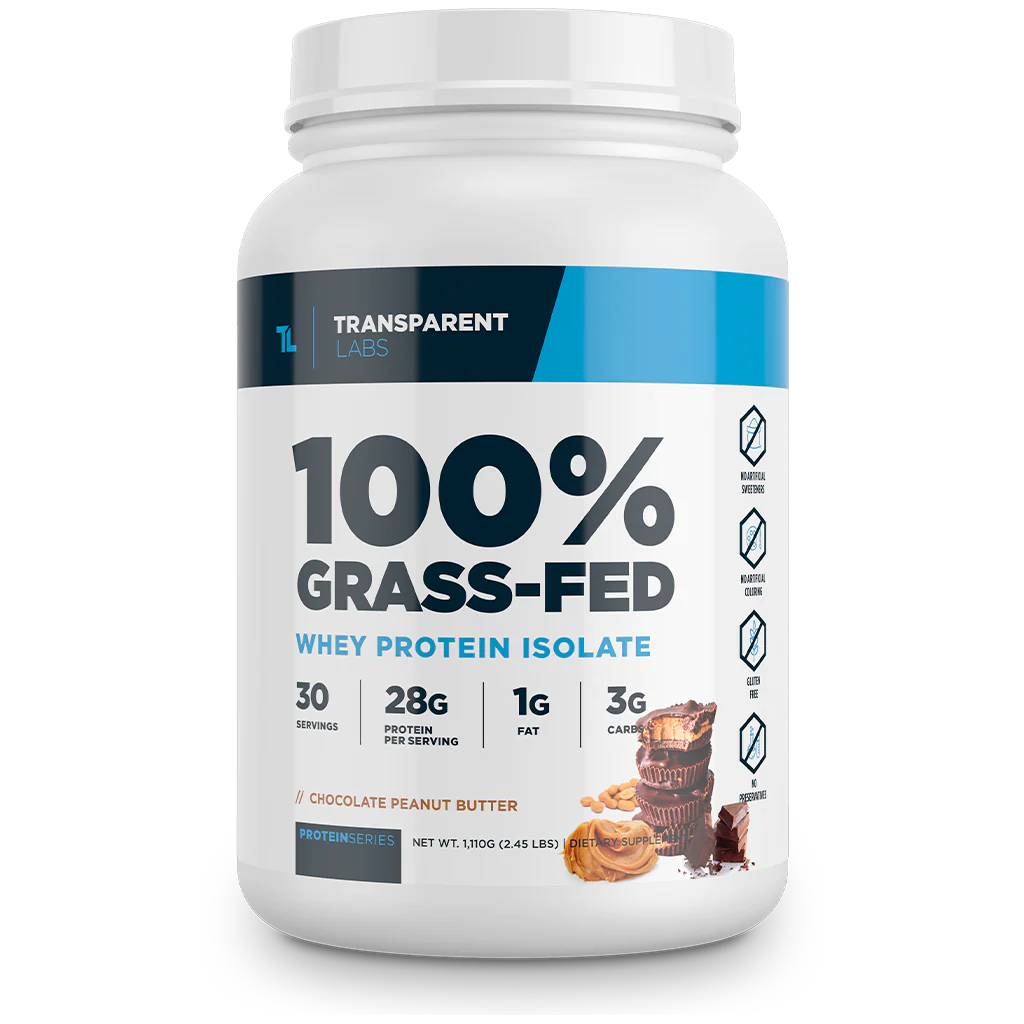
1. Best Overall Protein Powder for Weight Loss: Transparent Labs 100% Grass-Fed Whey
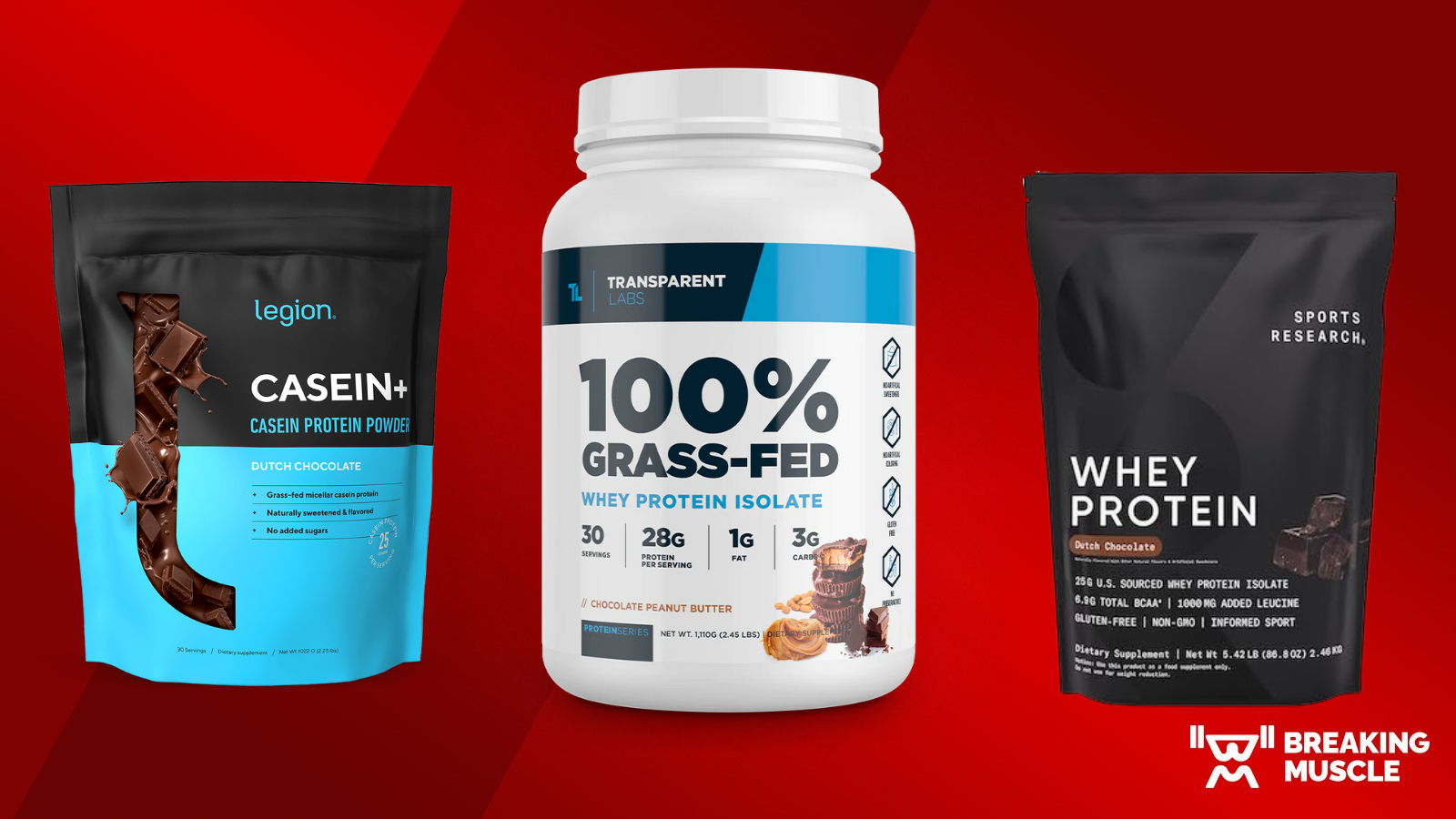
Transparent Labs 100% Grass-Fed Whey distinguishes itself with an impressive protein-to-calorie ratio, providing 28 grams of protein for just 130 calories. This high concentration of protein relative to its caloric content makes it an exceptional choice for individuals seeking to maximize protein intake while managing a calorie deficit, thereby effectively supporting muscle preservation during weight loss. The product is also notable for its commitment to purity, boasting third-party testing by Informed Choice, and an absence of artificial ingredients. With 15 distinct flavor options, including highly-rated Chocolate Peanut Butter and Mocha, it offers versatility and appeal. Testers noted its excellent mixability in both blenders and shaker bottles, and its ability to help curb cravings between meals. A minor point of consideration, based on some customer feedback, is the potential difficulty in contacting customer service.
- Pros: High protein-to-calorie ratio, third-party tested, no artificial ingredients, wide flavor variety, excellent mixability.
- Cons: Potential customer service challenges reported by some users.
2. Best Affordable Protein Powder for Weight Loss: Jacked Factory Authentic Iso
Jacked Factory Authentic Iso emerges as a budget-friendly option without compromising on nutritional value for weight loss. Priced competitively, certain flavors can cost as little as $1.05 per serving. This powder delivers 25 grams of protein per serving with a remarkably low carbohydrate count of 2 grams and an industry-leading 0.5 grams of fat. This macronutrient profile is highly conducive to supporting weight loss efforts. However, it is important to note that this product is sweetened with sucralose, an artificial sweetener that has been subject to scientific scrutiny regarding potential health risks. Furthermore, unlike many competitors, Jacked Factory does not conduct third-party testing on its products, which means the purity and accuracy of the ingredient label are not independently verified. Testers found its mixability to be superior, with no settling issues, and praised its dessert-like taste, particularly for those seeking a sweeter option.
- Pros: Highly affordable, very low fat and carbohydrate content, excellent mixability, dessert-like taste.
- Cons: Contains artificial sweeteners, lacks third-party testing.
3. Best Plant-Based Protein Powder for Weight Loss: Ka’Chava
For those seeking a vegan-friendly option that aligns with weight loss goals, Ka’Chava presents a compelling choice. Marketed as a "whole-body meal," it’s designed as a meal replacement rather than a supplementary protein source. Consequently, its nutritional profile includes higher calorie, carbohydrate, and fat counts (240 calories, 25 grams of carbohydrates, and 7 grams of fat per serving). The carbohydrate content may be a consideration for individuals on very low-carb diets. Nevertheless, Ka’Chava delivers 25 grams of plant-based protein from a blend of peas, brown rice, and quinoa, effectively supporting muscle preservation during weight loss. Users report that it tastes delicious, especially when blended into smoothies with fruits, and appreciate the inclusion of adaptogens, probiotics, greens, and prebiotics, which contribute to overall well-being. The primary drawback is its premium price point, making it the most expensive option on the list.
- Pros: Comprehensive nutrient profile (including adaptogens, probiotics), high plant-based protein content, appealing taste.
- Cons: Higher calorie and carbohydrate count, most expensive option.
4. Best Protein Powder for Weight Loss on Amazon: Nutricost Grass-Fed Whey Protein Isolate
Nutricost Grass-Fed Whey Protein Isolate stands out as an excellent choice for weight loss available on Amazon due to its highly favorable calorie and macronutrient profile. It offers a substantial protein content per serving, crucial for satiety and muscle preservation during a calorie deficit, with minimal fat and carbohydrates. The Vanilla flavor tested was noted for its excellent mixability in both milk and water, possessing an authentic vanilla taste without being overly sweet, despite the use of artificial sweeteners. For consumers looking to avoid artificial sweeteners, alternatives like Promix or Transparent Labs are recommended.

- Pros: High protein content, low fat and carbohydrates, good taste and mixability, widely available on Amazon.
- Cons: Uses artificial sweeteners.
5. Best Meal Replacement Protein Powder for Weight Loss: Huel Black Edition
Huel Black Edition is recognized as a superior meal replacement for weight loss, offering an impressive protein-to-carbohydrate ratio. It provides a substantial 40 grams of protein per serving, the highest among the reviewed products, alongside 24 grams of carbohydrates. While the carbohydrate count might be higher than ideal for ketogenic diets, it remains a suitable portion for most individuals aiming for weight loss, as moderate carbohydrate intake is still compatible with fat loss. Testers found the Chocolate flavor to be authentic and enjoyable, attributed to the use of real cocoa powder, though the Vanilla flavor received mixed reviews. While mixability can be a minor challenge, users reported feeling energized and experiencing no digestive discomfort, unlike with some other comparable products.
- Pros: Highest protein content per serving, balanced macronutrient profile for general weight loss, good taste (Chocolate), well-tolerated digestion.
- Cons: Vanilla flavor could be improved, mixability issues noted.
6. Best Clean Protein Powder for Weight Loss: Promix Grass-Fed Whey
Promix Grass-Fed Whey earns accolades for its commitment to clean ingredients and transparency. The product undergoes rigorous third-party testing, with results readily available, verifying its purity and absence of heavy metals and gluten. Its ingredient list is notably simple, with the Vanilla flavor containing only four ingredients and no artificial additives. The protein-to-carbohydrate ratio (25 grams of protein to 7 grams of carbohydrates) is well-suited for weight loss, aligning with research suggesting that a higher protein-to-carbohydrate ratio aids in weight loss and prevention of weight regain. While testers enjoyed the flavor, some found it slightly less sweet than preferred and noted minor clumping during mixing. It’s important for athletes to note that while third-party tested, it is not specifically certified for sport, so athletes competing in regulated sports may opt for Informed Sport or NSF Certified for Sport products.

- Pros: Third-party tested for purity, simple ingredient list, no artificial ingredients, effective protein-to-carb ratio.
- Cons: May not be sweet enough for some, minor mixability issues, not sport-certified.
7. Best Casein Protein Powder for Weight Loss: Legion Athletics Casein+
Legion Athletics Casein+ is a top-tier casein protein powder, lauded for its all-natural composition, free from artificial sweeteners, flavors, and colors. It is also third-party tested by Labdoor for purity and potency. Each serving delivers 25 grams of protein with only 110 calories, irrespective of the flavor chosen, making it an ideal choice for weight loss. Casein protein is distinguished by its slow digestion and absorption rate, which is highly beneficial for managing hunger levels and providing a sustained release of amino acids. This makes it particularly effective when consumed before bed or during extended periods between meals, helping to mitigate muscle breakdown often associated with calorie restriction. The Dutch Chocolate flavor was described as reminiscent of a balanced dark chocolate bar. A characteristic of casein is its thicker consistency, which can sometimes lead to a slightly chalky aftertaste or require more effort to dissolve.
- Pros: All-natural ingredients, third-party tested, slow digestion supports satiety, ideal protein-to-calorie ratio.
- Cons: Thicker consistency, potential for chalky aftertaste.
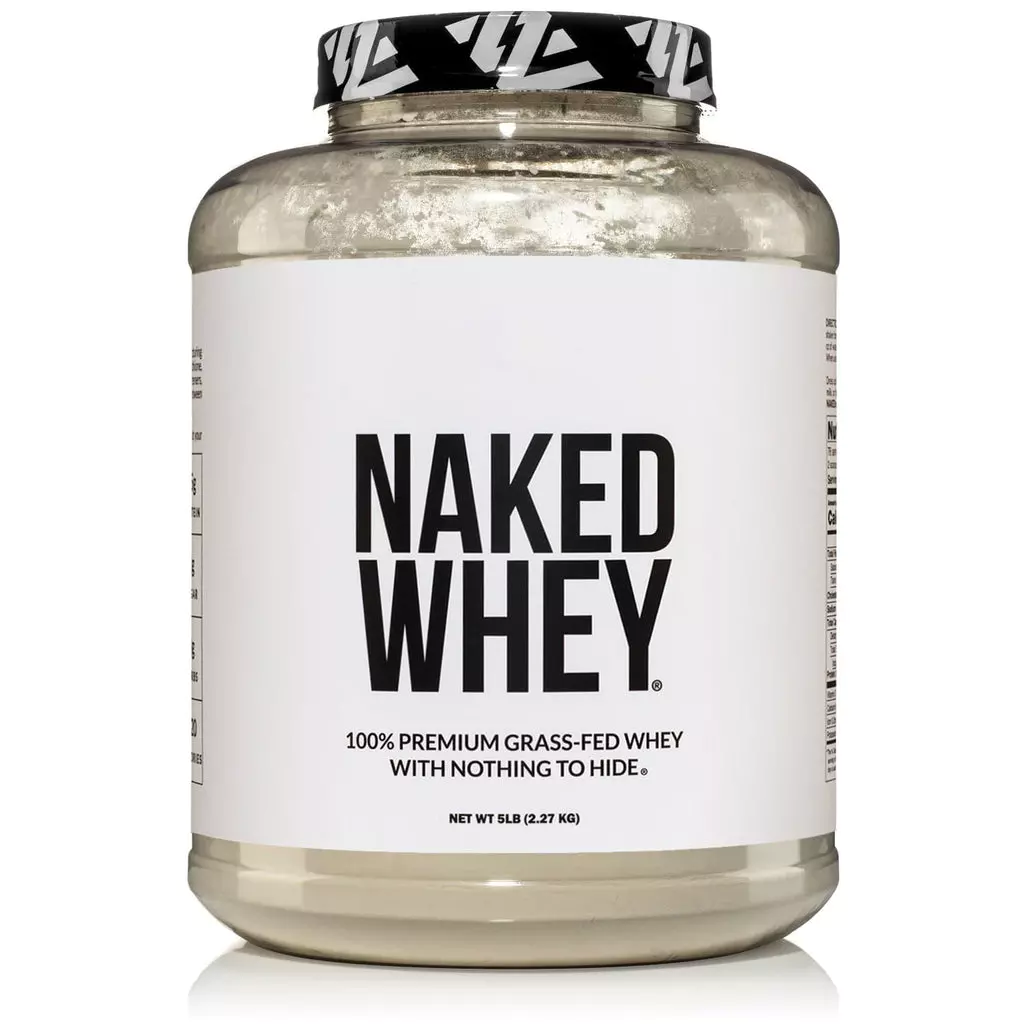
8. Best Unflavored Protein Powder for Weight Loss: Naked Grass-Fed Whey
Naked Whey’s Unflavored protein powder stands out for its minimalist approach, featuring a single ingredient: whey protein concentrate sourced from grass-fed cows. This commitment to purity aligns with the brand’s ethos of avoiding additives, fillers, and artificial ingredients. Its unflavored nature offers remarkable versatility, allowing seamless integration into various recipes and smoothies without altering their original flavors. While the unflavored version has a very subtle taste, some testers detected a hint of earthiness, suggesting it pairs exceptionally well with blended beverages. For those who prefer flavored options, Naked also offers five varieties sweetened with coconut sugar, a less intense sweetener compared to artificial alternatives. A practical note for users is the recommendation to use extra liquid when blending due to the serving size.

- Pros: Single-ingredient formula, pure and natural, highly versatile, natural sweetener options available.
- Cons: Unflavored version may have a slight earthy note, larger serving size may require more liquid for mixing.
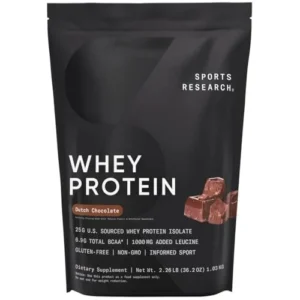
9. Best Protein Powder for Weight Loss and Muscle Gain: Sports Research Whey Protein
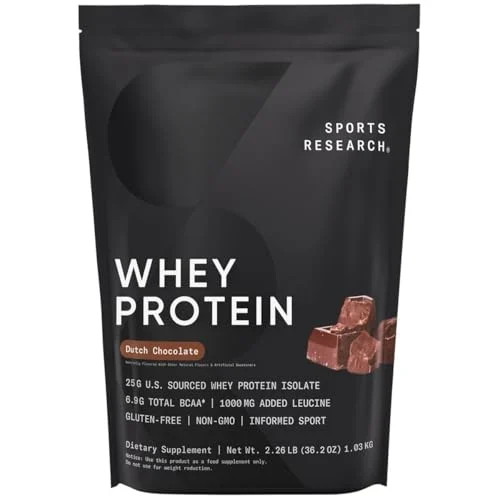
Sports Research Whey Protein is selected for its well-rounded benefits in both weight loss and muscle gain. It boasts a favorable protein-to-calorie ratio (25 grams of protein to 140 calories), is Informed Sport Certified for quality and safety, offers a competitive price point of approximately $1.20 per serving, and receives high marks for taste. Nutritionally, it aligns well with other leading options, though its fat content (3.5-4 grams per serving) is slightly higher. The inclusion of Vitamin D, linked to muscle health, is a notable addition. The Creamy Vanilla flavor was described as tasting like vanilla ice cream when mixed with milk, but testers advised that mixing with water can dilute the flavor and emphasize sweetness. Its mixability was praised as excellent, with no grittiness or clumping.
- Pros: Excellent protein-to-calorie ratio, Informed Sport Certified, good taste and mixability, contains Vitamin D.
- Cons: Slightly higher fat content compared to some competitors.
The Nutritional Advantage of Protein for Weight Loss
Protein plays a pivotal role in weight loss through several mechanisms. Firstly, it has a higher thermic effect than carbohydrates or fats, meaning the body burns more calories during its digestion and metabolism. Secondly, protein is highly satiating; it helps individuals feel fuller for longer, reducing overall calorie intake by curbing appetite and reducing cravings. This effect is mediated by its impact on hunger hormones. Thirdly, and crucially for sustainable weight loss, adequate protein intake helps preserve lean muscle mass. Muscle tissue is metabolically active and contributes to a higher resting metabolic rate. By preventing muscle loss during a calorie deficit, protein supports a sustained metabolic rate, which is essential for long-term weight management and preventing weight regain.
Protein powder offers a convenient and efficient method to increase protein consumption. A well-formulated protein shake or smoothie provides a significant amount of protein with minimal calories, carbohydrates, and fats. This efficiency in delivering protein makes it easier for individuals to meet their daily protein requirements without exceeding their caloric targets, a cornerstone of successful weight loss.

Navigating the Protein Powder Landscape: Key Selection Criteria
Choosing the right protein powder is essential for maximizing benefits and avoiding potential pitfalls. Several factors should guide this decision:
Protein Content and Quality
Opt for protein powders that deliver a substantial amount of protein per serving, ideally around 25 grams. For weight loss, protein isolates, such as whey, soy, or pea protein isolate, are often preferred. These undergo ultra-filtration processes that effectively remove excess carbohydrates and fats, resulting in a purer protein source.
Calories per Serving
When aiming for weight loss, moderate calorie counts per serving are recommended, typically ranging from 100 to 160 calories. Crucially, the majority of these calories should be derived from protein. This ensures that the supplement effectively supports weight loss efforts without contributing unnecessary calories from other macronutrients. It is a useful benchmark to remember that protein provides four calories per gram; therefore, a 25-gram protein serving should generally equate to approximately 110-120 calories if the powder is lean.
Ingredient Quality
A thorough examination of the ingredient list is paramount. Prioritize powders free from added sugars, artificial fillers, and unnecessary additives. While these ingredients might enhance flavor or texture, they often contribute unwanted calories. A preference for protein powders with minimal, recognizable ingredients is generally advisable. Occasionally, protein powders may include additional beneficial ingredients like creatine, probiotics, or branched-chain amino acids (BCAAs). While not essential for weight loss, it is prudent to assess whether these additions align with individual health and fitness goals.

Taste and Mixability
Personal preference plays a significant role in adherence. A protein powder must have a flavor and texture that is enjoyable for the consumer. If a protein powder is unpalatable, it is unlikely to be consumed consistently, undermining its potential benefits. Good mixability is also important; a powder that blends smoothly without excessive clumping enhances the overall user experience.
Third-Party Testing
As advised by certified nutrition professionals, selecting protein powders that have undergone third-party testing for quality, purity, and safety is highly recommended, especially for athletes. This independent verification ensures that the product is free from contaminants, including banned substances, and accurately reflects the information provided on the supplement facts label. It provides an essential layer of consumer confidence and accountability for manufacturers.
What to Avoid in a Protein Powder for Weight Loss
When selecting a protein powder with weight loss as the primary objective, certain ingredients and nutritional profiles should be approached with caution. Products with added sugars can significantly increase calorie count without providing substantial nutritional benefit. Similarly, excessive amounts of carbohydrates and fats, beyond what is necessary to support protein delivery, should be avoided. Many consumers also opt to steer clear of artificial additives, including artificial sweeteners, flavors, and colors, which are frequently found in protein powder supplements. For those seeking a more natural product, options like Transparent Labs 100% Grass-Fed Whey or those from Naked Nutrition often feature simpler, more natural ingredient lists.
Final Considerations: The Value of Protein Powder in Weight Loss
While protein powder is not an absolute necessity for achieving weight loss, its convenience and efficacy make it a valuable tool when integrated into a comprehensive weight loss strategy. This holistic approach should encompass regular resistance training, adequate sleep, and the adoption of healthy lifestyle habits. A high-protein diet, particularly during a weight loss phase, is instrumental in managing hunger and preserving muscle mass. If a protein powder can effectively assist in meeting daily protein targets while facilitating a calorie deficit, it warrants consideration as a beneficial addition to one’s routine.

Protein Powder for Weight Loss FAQs
Should you drink protein shakes when you’re trying to lose weight?
Protein shakes can be an excellent method to help preserve lean muscle mass during weight loss endeavors. For individuals prioritizing weight loss, a lean whey protein isolate, such as Transparent Labs 100% Grass-Fed Whey, is often recommended. This type of powder is exceptionally lean, meaning the majority of its calories originate from protein, thus aiding in achieving daily protein targets without excessive calorie intake from added carbohydrates and fats found in whey protein concentrates.
How much protein should I eat in a day to lose weight?
While individual weight loss strategies vary, individuals aiming for weight loss should generally target between 1.2 to 1.6 grams of protein per kilogram of body weight, which translates to approximately 0.5 to 0.7 grams of protein per pound of body weight. This protein intake range is typically sufficient to support muscle mass while maintaining the calorie deficit necessary for weight loss.
What type of protein is best for weight loss?
Certain protein sources are considered "leaner" than others for weight loss. Whey protein isolates, for instance, undergo processing and filtration that reduce their fat and carbohydrate content. While some plant-based proteins can naturally be higher in carbohydrates, high-quality plant protein powders can yield comparable results to whey protein in promoting lean body mass. Lean animal protein sources include chicken breast, fish, and eggs, with sirloin cuts of beef and loin cuts of pork also being lean options. Non-animal lean protein sources include Greek yogurt, tofu, beans, and lentils.
What should I drink for weight loss?
For weight loss, it is advisable to avoid calorie-dense beverages such as sugary sodas, sports drinks, fruit juices, and alcohol. Instead, prioritize calorie-free options like water, seltzer, black coffee, and unsweetened tea. By avoiding caloric beverages, individuals can allocate those calories towards nutrient-dense foods that contribute to satiety and fullness after meals.
Which protein is best for belly fat loss?
There is no specific protein that targets belly fat loss exclusively. However, prioritizing lean protein sources, such as whey protein isolate, can be beneficial for overall weight loss goals. Whey protein isolates are processed to minimize carbohydrate and fat content, maximizing the protein-to-calorie ratio. This makes them an efficient choice to support dietary protein intake while maintaining a calorie deficit, which is fundamental for reducing body fat, including that in the abdominal area.