


Ashwagandha (Withania somnifera), a cornerstone of Ayurvedic medicine with a history spanning millennia, has surged to become one of the top-selling botanicals in the United States. Its widespread adoption across various health categories, including stress management, sleep support, sports nutrition, and women’s health, underscores its significant market presence. However, this meteoric rise has not been without its share of controversy and increasing regulatory scrutiny worldwide. The primary points of contention surrounding this ancient herb primarily revolve around its ban status, regulatory decisions made by Indian authorities, the efficacy and safety of its leaf versus root components, and concerns raised by international regulatory bodies. This article aims to provide a comprehensive overview of the current status of ashwagandha in the global market, offering clarity on these contentious issues as of October 1, 2026.
Global Regulatory Overview: No Universal Ban, But Increasing Caution
Contrary to some misconceptions, ashwagandha is not globally banned, nor is it prohibited in the United States or across the European Union as a whole. The most significant outright ban exists in Denmark, which prohibits its use in food supplements. While most other nations permit its sale, a growing number are implementing cautionary measures, warnings, or specific usage limitations. For instance, food safety agencies in countries like France and Germany have issued advisories against ashwagandha consumption for certain vulnerable groups, such as pregnant or breastfeeding women and individuals with pre-existing health conditions, without enacting outright prohibitions. This patchwork of regulations highlights the evolving approach to botanicals and the need for businesses to navigate diverse international compliance requirements.

India’s Decisive Stance: Prioritizing Root-Only Ashwagandha in April 2026
A pivotal development in the ashwagandha regulatory landscape occurred in April 2026 when two key governmental bodies in India took decisive action to establish the primacy of ashwagandha root extracts in the market. This move, aimed at standardizing quality and addressing safety concerns, has far-reaching implications for the global supply chain.
The Ministry of Ayush, a government body responsible for traditional Indian medicine, issued a directive on April 15, 2026, mandating that only ashwagandha root and its extracts be used in medicinal preparations and food supplements. This was swiftly followed on April 16, 2026, by the Food Safety and Standards Authority of India (FSSAI), which issued a similar advisory, reinforcing the Ayush Ministry’s stance and bringing the weight of food safety regulations to bear on the issue.
These actions were not sudden pronouncements but rather the culmination of a multi-year process. The Ministry of Ayush had previously issued an advisory against the use of ashwagandha leaves in October 2021. However, this advisory faced significant objections from the industry, leading to a commitment by the ministry to re-examine the issue. A critical turning point arrived with the release of a comprehensive safety dossier in 2024, compiled by a government expert committee. This dossier, based on extensive research, recommended the exclusive use of ashwagandha root.
The rationale provided by the Indian government for these restrictive measures centers on several key concerns. Foremost among these is the alleged adulteration of ashwagandha products with cheaper plant parts, specifically the leaves, which can artificially inflate the perceived concentration of active compounds, known as withanolides. The government also cited potential safety concerns associated with leaf extracts, including the risk of liver toxicity and adverse effects on thyroid function.
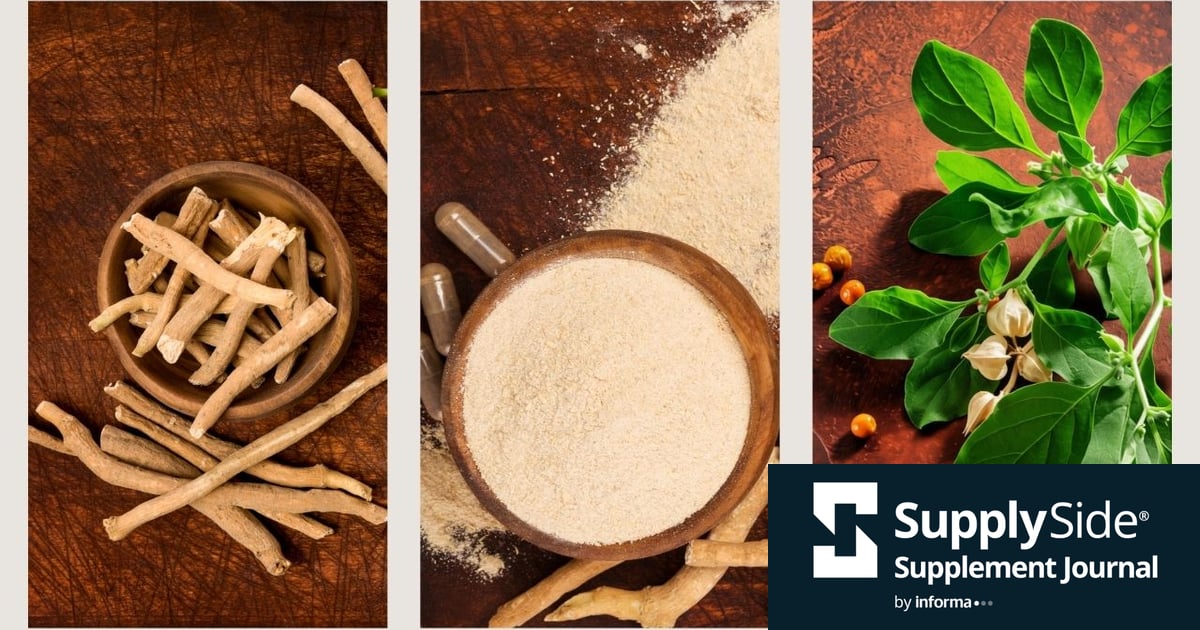
Proponents of the root-only rule, including many domestic and international suppliers of ashwagandha root extracts and some brands, view this regulation as a crucial step towards enhancing product integrity and minimizing adulteration. They argue that the addition of leaf material to root extracts, often disguised to meet certain withanolide content standards, compromises the quality and safety of the final product. This perspective aligns with industry reports that have characterized the leaf ban as a "strong step" toward minimizing adulteration, thereby safeguarding consumer trust.
The Legal Challenge: Ashwagandha Leaf Restrictions in India Under Scrutiny
Despite the decisive actions by Indian authorities, the ashwagandha leaf restriction is currently in a state of partial enforcement due to legal challenges. On May 12, 2026, the Karnataka High Court issued an interim stay on both the Ayush directive and the FSSAI advisory. This stay, however, is limited in scope, applying only to the eight companies that filed the respective petitions. Consequently, other companies operating within India, and those exporting from India, remain subject to the root-only directives. As of September 2026, the court has not yet issued a final ruling on the matter, leaving the legal status of ashwagandha leaf extracts in India in a state of flux for a significant portion of the market.
The petitioners, a consortium of Indian and international ingredient suppliers, have presented several arguments challenging the root-only rule. Their core assertions include:
- Historical and Traditional Use: They contend that Ayurvedic texts and traditional practices have historically utilized various parts of the ashwagandha plant, including leaves, for therapeutic purposes. They argue that an exclusive focus on the root overlooks this rich heritage and the potential benefits of other plant parts.
- Scientific Evidence of Safety and Efficacy: The petitioners highlight existing scientific research, including their own published data, which they claim demonstrates the safety and efficacy of root-and-leaf extracts. This includes a recent 2026 toxicology study and a 90-day human safety study conducted on a branded root-and-leaf ingredient, which they argue provide robust evidence against the blanket prohibition.
- Economic Impact: A ban on leaf extracts could have significant economic repercussions for farmers who cultivate ashwagandha and for businesses that have invested in processing and marketing leaf-derived products.
Suppliers of root-and-leaf extracts emphasize that their own published safety data offers a counterpoint to the government’s concerns. They point to a 2026 toxicology study and a 90-day human safety study on a branded root-and-leaf ingredient as evidence supporting the safety and tolerability of these formulations.
Global Implications of India’s Rulings: Supply Chain Dynamics
While India’s ashwagandha root-only rulings do not carry direct legal force in other countries like the U.S. or Europe, their impact on the global market is undeniable. India is the world’s dominant producer and exporter of ashwagandha. The Ayush directive, addressed to both domestic manufacturers and exporters, inevitably influences the global supply chain. Consequently, changes in Indian regulations can lead to widespread effects on the availability, sourcing, and pricing of ashwagandha ingredients worldwide. Brands relying on ashwagandha for their formulations must closely monitor these developments, as shifts in India’s export landscape can create significant challenges for procurement and cost management.
Root vs. Leaf: The Scientific Debate Intensifies
The debate over the use of ashwagandha root versus leaf extracts is multifaceted, with both sides acknowledging certain common ground while disagreeing on critical scientific interpretations.
-
Adulteration Concerns: Both parties generally agree that ashwagandha leaves can be used to adulterate root products. A significant study conducted in 2025 by the University of Mississippi’s National Center for Natural Products Research, funded by the U.S. Food and Drug Administration (FDA) and the U.S. Department of Agriculture (USDA), provided compelling evidence for this. The study analyzed 25 ashwagandha supplements purchased online and found that among those meeting British and U.S. pharmacopeia standards, only two were exclusively root-derived. The majority contained undeclared leaf or other above-ground plant parts, with 44% failing both standards. The researchers described a "wide spectrum of adulteration" but also cautioned that variability in results could stem from factors other than deliberate adulteration, such as growing conditions, plant chemotype, and extraction methods. Furthermore, the study concluded that existing testing methods, primarily designed for root analysis, are insufficient for accurately assessing the composition of the blends now prevalent in the market.
-
Phytochemical Profiles: While the root is traditionally recognized for its high concentration of withanolides, the primary active compounds, leaves also contain these compounds, albeit typically in lower concentrations and potentially different profiles. The scientific community is actively researching the specific therapeutic contributions and safety profiles of compounds found in ashwagandha leaves.
-
Safety and Efficacy of Leaf Extracts: The primary point of contention lies in the safety and efficacy of ashwagandha leaf extracts. While proponents of root-only formulations point to potential risks, particularly liver toxicity, and argue that the scientific evidence supporting leaf use is insufficient or inconclusive, those who advocate for leaf inclusion cite existing research and traditional knowledge. They argue that when produced under controlled conditions and with appropriate quality assurance, leaf extracts can be safe and offer unique therapeutic benefits.
Developments in the Netherlands: A Potential European Precedent?
The Netherlands has emerged as another key player in the evolving regulatory landscape of ashwagandha. In 2024, the Dutch public health institute, RIVM, issued an advisory against ashwagandha use, citing case reports of liver problems and potential effects on thyroid hormones. This prompted the Ministry of Health to consider adding ashwagandha to its list of banned herbs. A public consultation held in March 2025 garnered over 700 responses, with a significant majority opposing a complete ban.
In September 2026, the Netherlands formally notified the European Commission of a draft decree that would prohibit ashwagandha in food supplements and herbal preparations, with a notable exception for the root. This broad decree encompasses various substances, including ashwagandha, DMAA (banned), huperzine A (banned), synephrine (capped), and turmeric and St. John’s wort (requiring warnings).
Specifically concerning ashwagandha, the draft decree proposes that root preparations would remain permitted but would necessitate clear warnings advising against use during pregnancy or breastfeeding, and for individuals with liver or thyroid conditions. It would also include a rare case warning regarding the potential for ashwagandha to cause liver problems. This proposed regulation is less stringent than the initial full ban considered in 2025. The European Union’s mandatory standstill period for this notification extends until December 7, 2026, with no definitive implementation date set. According to the Dutch supplement trade association NPN, the exemption for ashwagandha root followed the submission of safety data by suppliers and the Indian Ministry of Ayush. The RIVM continues to review this data, and the final regulations could be subject to change based on its conclusions.
The European Union’s Potential for Broader Action
The European Union possesses a formal mechanism, known as Article 8 of Regulation (EC) No. 1925/2006, through which it can address substances in food and food supplements that pose potential risks. Under this framework, the European Commission, upon a scientific assessment by the European Food Safety Authority (EFSA), can prohibit or restrict a substance or place it "under scrutiny." This process has been utilized previously to ban ephedra outright in 2015 and to implement dosage limits on ingredients such as green tea catechins more recently.
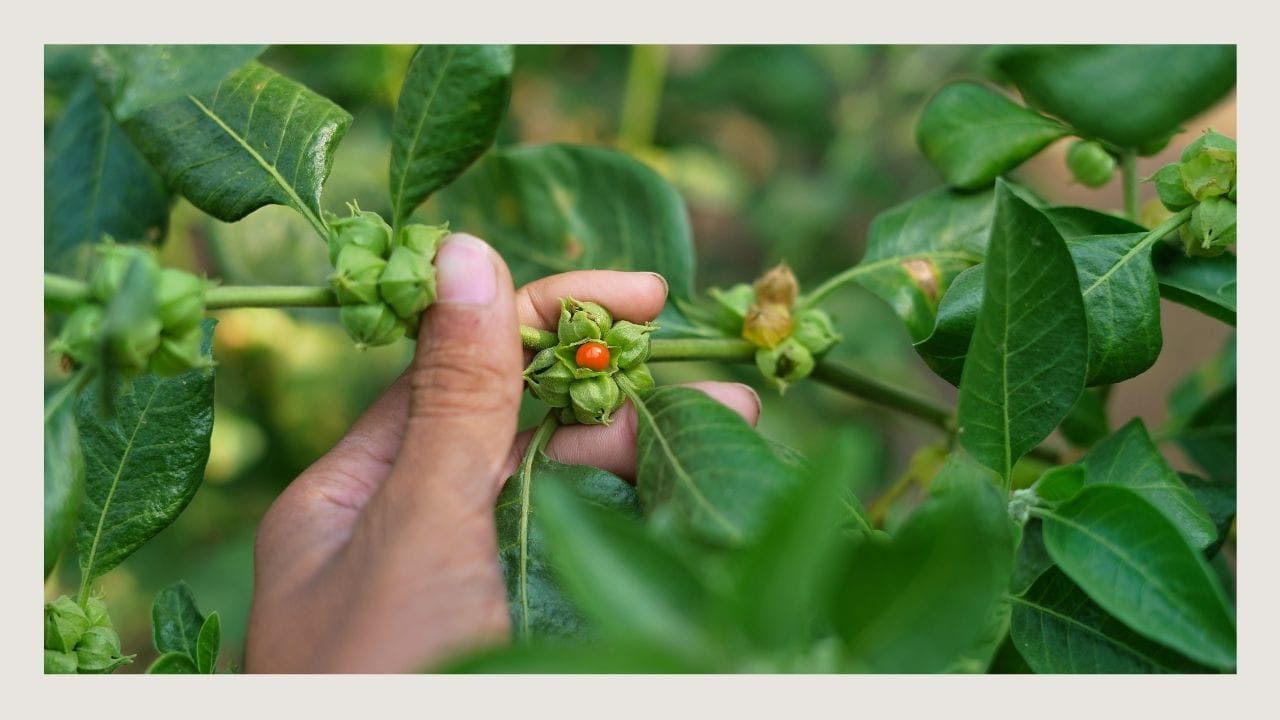
In June 2024, a working group comprising heads of European food safety agencies recommended prioritizing ashwagandha for an Article 8 procedure. While this recommendation signals a growing concern among EU regulators, the formal procedure had not been initiated as of September 2026. In the interim, individual EU member states retain the authority to establish their own national regulations concerning ashwagandha.
Underlying Concerns of Regulators: Safety and Efficacy Data
Regulatory bodies in Australia and the European Union are primarily concerned with the potential adverse health effects associated with ashwagandha, particularly liver toxicity and thyroid disruption. These concerns are amplified by the variability in product quality and the potential for adulteration, which can complicate risk assessments. Regulators are also scrutinizing the scientific evidence supporting the efficacy of ashwagandha for various health claims, ensuring that these claims are substantiated by robust and reliable data. The lack of standardized testing methods and the diverse phytochemical profiles across different parts of the plant contribute to the complexity of these regulatory evaluations.
Key Considerations for Natural Product Brands
Natural product brands involved with ashwagandha must remain vigilant and proactive in monitoring the evolving regulatory landscape. Several critical areas demand attention:
- Supply Chain Transparency and Traceability: Brands need to ensure complete transparency and traceability throughout their ashwagandha supply chain. This includes verifying the origin of the raw material, the extraction methods used, and the presence or absence of adulterants. Robust quality control measures and third-party testing are essential to guarantee product integrity.
- Adherence to Evolving Regulations: Staying abreast of regulatory changes in key markets like India, the U.S., and the EU is paramount. Brands must proactively adapt their product formulations, labeling, and marketing claims to comply with new requirements, including any restrictions on leaf usage or specific warnings.
- Scientific Substantiation: As regulatory scrutiny intensifies, brands must be prepared to provide strong scientific evidence to support the safety and efficacy of their ashwagandha products. This includes investing in high-quality research, toxicology studies, and clinical trials that address specific health claims.
- Consumer Education: Educating consumers about the nuances of ashwagandha, including the differences between root and leaf extracts, potential risks, and appropriate usage, is crucial for fostering informed decision-making and maintaining consumer trust.
- Engagement with Industry Associations: Active participation in industry associations can provide valuable insights into regulatory developments, facilitate collaboration on research initiatives, and offer a collective voice in advocating for evidence-based regulations.
The future of ashwagandha in the global market will likely be shaped by ongoing scientific research, regulatory actions, and the industry’s commitment to quality and transparency. As the scientific understanding of this ancient herb continues to expand, and as regulatory frameworks adapt to new evidence, the natural product industry must remain agile and committed to delivering safe and effective products to consumers.