









The United States Department of Agriculture (USDA) has released its latest Food Price Outlook, projecting a complex landscape for consumer grocery budgets in 2026. While overall food-at-home inflation is expected to moderate compared to recent historical trends, specific categories are poised for significant price acceleration. Beef and veal, non-alcoholic beverages, and sugar and sweets are anticipated to experience price increases exceeding their two-decade averages, signaling potential shifts in household spending priorities. Conversely, egg prices are projected to see a substantial decrease, offering a measure of relief to consumers.
The USDA’s comprehensive analysis, drawing upon Consumer Price Index (CPI) and Producer Price Index (PPI) data, forecasts a 2.6% average increase for food-at-home prices in 2026. This figure represents a deceleration from the elevated inflation rates observed in prior years, particularly in the wake of global supply chain disruptions and economic volatility. However, this average masks considerable variation across different food categories. Seven food groups are predicted to outpace their historical average price growth, while another seven are expected to see their prices rise at a slower pace.
Key Categories Facing Price Acceleration
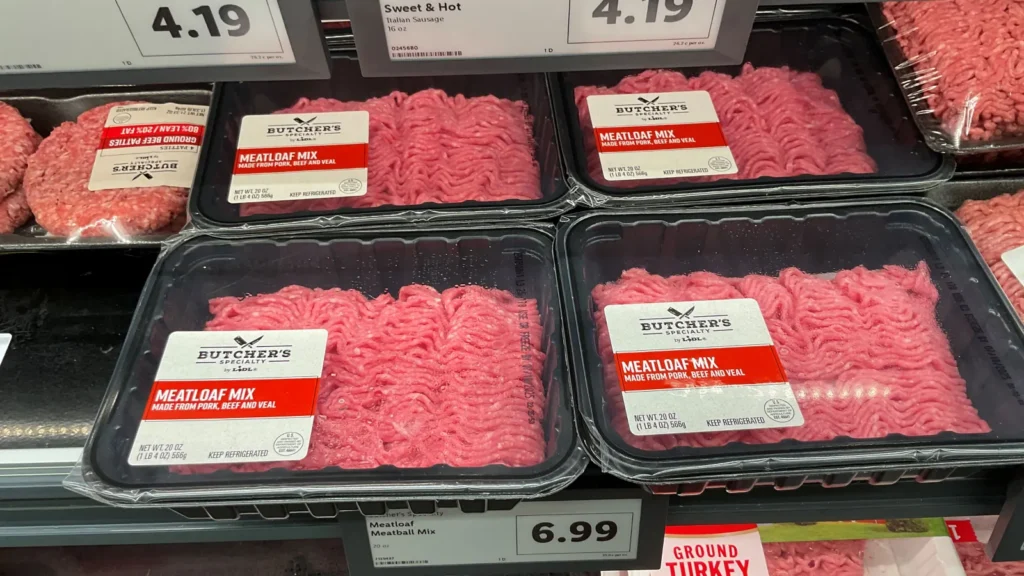
Beef and Veal: The USDA projects a 5.5% price increase for beef and veal in 2026. While this represents a significant jump compared to the overall food-at-home average, it is notably lower than the staggering 15% annual inflation rate that characterized these meats in December 2025. This projected moderation suggests a gradual stabilization in the beef market, though consumers can still expect higher costs for these protein staples. The factors contributing to this upward pressure are multifaceted, including ongoing challenges in cattle herd rebuilding, increased feed costs, and sustained consumer demand. Industry analysts have pointed to the lingering effects of drought conditions in key cattle-producing regions and the long lead times required to expand herds as primary drivers of sustained price hikes. The USDA’s projection for 2026 indicates a continued, albeit less acute, upward trajectory for beef prices, underscoring the long-term nature of supply-side constraints.

Sugar and Sweets: This category is forecast to experience a robust 6.7% price increase in 2026, significantly outpacing the overall food inflation rate and its own historical average. This surge is attributed to a confluence of factors, including rising global sugar commodity prices, increased production costs for sweeteners, and strong consumer demand for confectionery and sweetened products. Geopolitical events impacting major sugar-producing nations, coupled with adverse weather patterns affecting crop yields, have created a tighter global supply. Furthermore, the continued popularity of processed foods and beverages, many of which rely heavily on sugar as an ingredient, underpins this persistent demand. Retailers are likely to pass these increased costs onto consumers, potentially leading to higher prices for a wide array of everyday grocery items, from baked goods to processed snacks.
Non-Alcoholic Beverages: Prices for non-alcoholic beverages are predicted to rise by 5.2% in 2026, exceeding their 20-year average. This increase is particularly influenced by the rising cost of coffee, a major component of the beverage sector. Global coffee bean prices have been volatile, impacted by climate change affecting major growing regions, supply chain logistics, and increased demand from emerging markets. Beyond coffee, other beverage ingredients, packaging materials, and transportation costs also contribute to the upward pressure. Consumers may find their morning coffee, soda, and juice selections becoming more expensive as these factors translate to higher retail prices. The USDA’s forecast highlights the vulnerability of the beverage sector to global commodity markets and logistical challenges.
A Bright Spot: Declining Egg Prices
In contrast to these rising costs, the USDA forecasts a significant 27.4% decrease in egg prices in 2026. This projected decline offers a welcome respite for consumers. The primary driver behind this expected price drop is the recovery of the U.S. poultry flock from the avian influenza outbreaks that have plagued the industry in recent years. As avian flu cases have subsided and flocks have been replenished, the supply of eggs has begun to rebound, leading to a surplus that is expected to drive prices down. This recovery is a testament to the resilience of the agricultural sector and its ability to adapt to disease challenges. For consumers, this could translate into more affordable breakfast options and a wider availability of egg-based products.
Broader Inflationary Trends and Context
The USDA’s projections for 2026 indicate that while grocery prices are rising, the overall rate is moderating. The predicted 2.6% average increase for food-at-home prices stands in contrast to the heightened inflation experienced in recent years. This moderation is a positive sign for household budgets, suggesting a move towards greater price stability in the grocery aisle. However, the USDA also noted that costs for eating out are expected to rise more rapidly than grocery prices. Food-away-from-home prices are forecast to increase by 3.7% in 2026, surpassing the 3.5% average rate of increase observed over the past two decades. This divergence suggests that while consumers might find some relief in their home kitchens, dining out will likely become more expensive, potentially influencing consumer choices between preparing meals at home and patronizing restaurants.
The report underscores the dynamic nature of the food supply chain and the myriad factors that influence consumer prices. Global commodity markets, weather patterns, disease outbreaks, geopolitical events, and logistical challenges all play a critical role in shaping the cost of food. The USDA’s ongoing monitoring and forecasting efforts are crucial for policymakers, industry stakeholders, and consumers alike, providing essential insights into the economic forces at play.
Historical Context and Contributing Factors
The period leading up to the USDA’s 2026 forecast has been marked by unprecedented inflationary pressures across the global economy. The COVID-19 pandemic disrupted supply chains, leading to shortages and increased shipping costs. Subsequent geopolitical conflicts, such as the war in Ukraine, further exacerbated these issues, particularly impacting energy and agricultural commodity prices. These combined forces contributed to a surge in food inflation that significantly strained household budgets.

For categories like beef, the recovery from supply shocks has been a slow and arduous process. Rebuilding cattle herds takes years, and factors such as drought, which can reduce the availability and increase the cost of feed, can further hinder this process. The USDA’s projection of a 5.5% increase for beef in 2026, while lower than recent peaks, reflects the persistent challenges in restoring full supply capacity.
The rise in sugar and sweets prices can be linked to global sugar markets, which are often influenced by weather conditions in major producing countries like Brazil, India, and Thailand. Crop yields can be significantly impacted by events such as El Niño or La Niña, leading to price volatility. Additionally, the increasing global demand for sugar, driven by population growth and expanding processed food industries, adds another layer of pressure on prices.
Non-alcoholic beverages, while seemingly straightforward, are complex in their cost structure. Coffee, in particular, is subject to a global commodity market where prices can fluctuate based on harvests, speculation, and currency exchange rates. Beyond the raw commodity, the costs of processing, packaging, and distribution all contribute to the final retail price.
The projected decline in egg prices serves as a crucial counterpoint, highlighting the impact of disease mitigation and supply recovery. Avian influenza has historically led to significant disruptions in egg production, causing sharp price increases. The successful management of these outbreaks and the subsequent rebuilding of poultry populations are essential for price stabilization and reduction in this sector.
Implications for Consumers and the Food Industry
The USDA’s 2026 outlook carries significant implications for both consumers and the broader food industry. For households, the projected moderation in overall food-at-home inflation offers some relief, but the targeted increases in key categories like beef and sweets will require careful budgeting and potentially a reassessment of purchasing habits. Consumers may need to seek out more affordable protein alternatives, reduce their consumption of sugary products, or become more strategic in their grocery shopping, taking advantage of sales and promotions.

The divergence between food-at-home and food-away-from-home price trends suggests a potential shift in consumer behavior. As dining out becomes relatively more expensive, more consumers might opt for home-cooked meals, driving demand for groceries. This could benefit grocery retailers but also place greater pressure on their supply chains to meet increased demand efficiently and affordably.
For the food industry, the USDA’s forecast provides valuable intelligence for strategic planning. Companies involved in the production and distribution of beef, sugar-based products, and non-alcoholic beverages will need to navigate these anticipated price increases, potentially by seeking cost efficiencies, exploring alternative sourcing, or adjusting pricing strategies. Conversely, the egg industry, poised for a significant price drop, will need to manage its increased supply effectively to maintain profitability.
Retailers will face the challenge of balancing increased input costs with consumer price sensitivity. The ability to offer competitive pricing while managing their own operational expenses will be critical for maintaining market share. Furthermore, the ongoing trend towards value-conscious consumers may necessitate a greater focus on private-label brands and promotional activities.
Looking Ahead: The Role of Policy and Innovation
The USDA’s projections serve as a critical baseline for understanding future food price dynamics. However, the actual trajectory of prices will also be influenced by policy decisions, technological advancements, and unforeseen global events. Government policies related to agricultural subsidies, trade agreements, and environmental regulations can all impact production costs and market stability.
Innovation within the agricultural sector also plays a vital role. Advances in crop science, animal husbandry, and food processing technologies can lead to more efficient production methods, potentially mitigating price increases and enhancing supply chain resilience. The development of sustainable agricultural practices that can adapt to changing climate conditions will be particularly important in ensuring long-term food security and price stability.
As the world continues to grapple with economic uncertainties and environmental challenges, the USDA’s regular forecasting provides an indispensable tool for navigating the complexities of the global food system. The insights offered in the 2026 Food Price Outlook highlight the need for continued vigilance, strategic planning, and collaborative efforts across governments, industries, and consumers to ensure a stable and affordable food supply for all. The projected shifts in 2026 underscore that while overall inflation may be easing, specific market dynamics will continue to demand attention and adaptation from all stakeholders in the food value chain.