










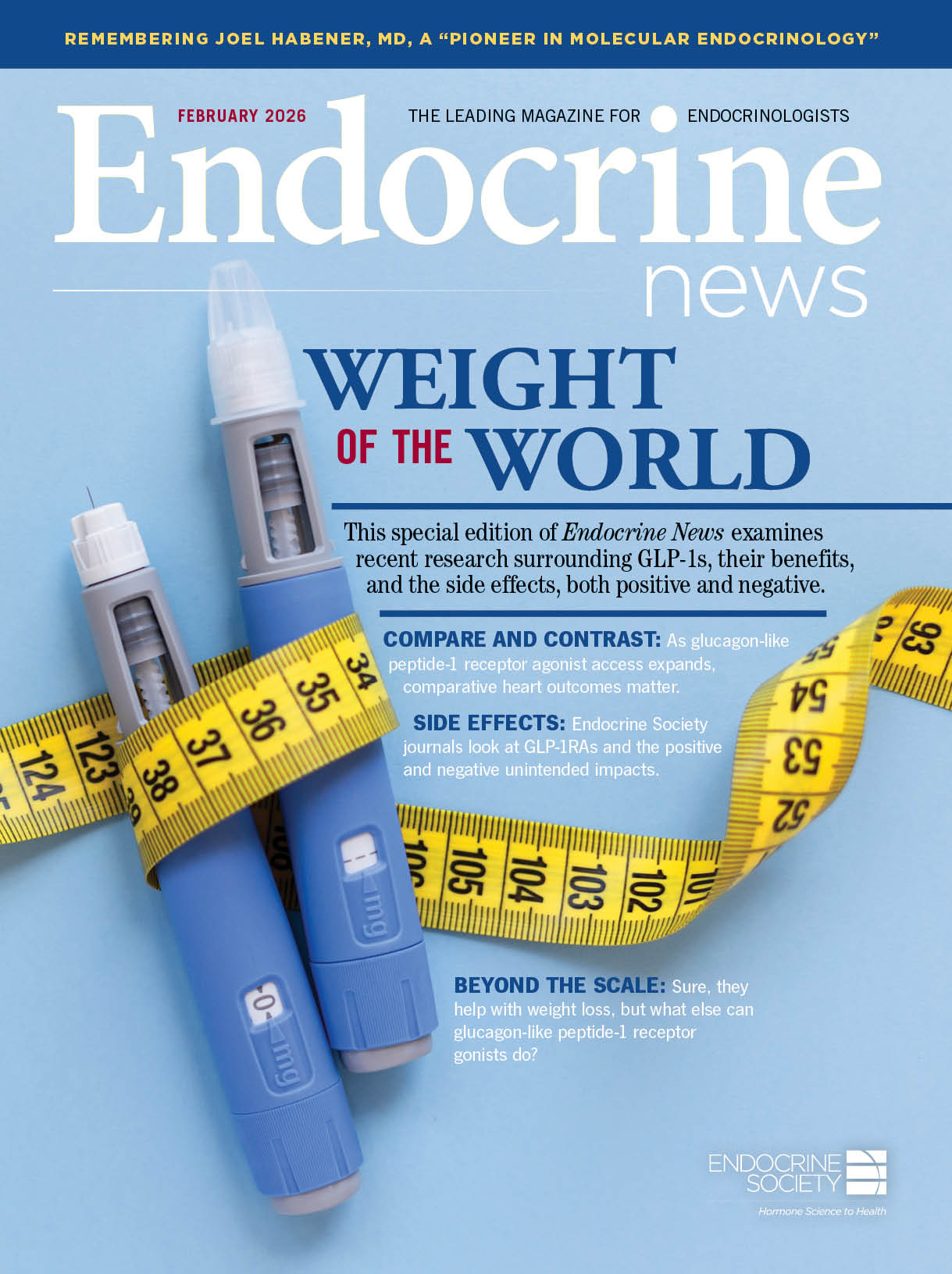
The landscape of metabolic medicine has undergone a seismic shift with the introduction and rapid adoption of glucagon-like peptide-1 receptor agonists (GLP-1RAs) and dual agonists. While initially developed to manage blood glucose levels in patients with type 2 diabetes, these agents have demonstrated profound effects on weight loss and, increasingly, cardiovascular health. Two landmark studies published in late 2025 have provided critical insights into how these "miracle drugs" influence cardiac outcomes, revealing that while the class as a whole offers significant benefits, distinct differences exist between individual agents. These findings arrive at a pivotal moment as federal policy changes seek to expand access to these therapies, making the scrutiny of their comparative safety and efficacy profiles a matter of urgent public health interest.
Evolution of Incretin-Based Therapies: A Chronology of Progress
The journey of GLP-1RAs began decades ago with the discovery of the incretin effect—the observation that oral glucose elicits a greater insulin response than intravenous glucose. This led to the development of exenatide, approved by the FDA in 2005, followed by liraglutide in 2010. By the late 2010s, long-acting weekly formulations like dulaglutide and semaglutide transformed patient adherence and clinical expectations.
In 2020, the clinical community embarked on a more ambitious phase of research: the SURPASS-CVOT trial. This study was designed to evaluate tirzepatide, a first-in-class dual glucose-dependent insulinotropic polypeptide (GIP) and GLP-1 receptor agonist, against established standards of care. Simultaneously, researchers began utilizing "target trial emulation" to analyze real-world data, filling the gaps left by traditional randomized controlled trials (RCTs). By late 2025, the culmination of these efforts has provided a granular view of how different incretin mimetics perform in diverse patient populations.

The SURPASS-CVOT Trial: Tirzepatide vs. Dulaglutide
The study titled "Cardiovascular Outcomes with Tirzepatide versus Dulaglutide in Type 2 Diabetes," published in the New England Journal of Medicine in December 2025, represents one of the most significant head-to-head comparisons in recent years. Led by Stephen J. Nicholls, MB, BS, PhD, of Monash University, the trial randomized 13,165 patients with type 2 diabetes across 6,586 in the tirzepatide group and 6,579 in the dulaglutide group.
The primary objective was to determine the time to the first major cardiovascular adverse event (MACE), defined as a composite of cardiovascular death, non-fatal myocardial infarction (MI), or stroke. Over a four-year follow-up period, tirzepatide demonstrated noninferiority to dulaglutide. While it did not clearly surpass dulaglutide in preventing the primary MACE composite, it showed superior metabolic outcomes, including more significant reductions in A1c levels and body weight.
However, the secondary outcomes revealed a more nuanced picture. Tirzepatide was associated with a lower rate of "extended MACE," which includes coronary revascularization and heart-failure events. Perhaps most notably, the study found a reduction in all-cause mortality among those treated with tirzepatide. Dr. Nicholls observed that this survival benefit appeared to be driven largely by a reduction in non-cardiovascular deaths, potentially involving a decreased risk of fatal infections—a phenomenon that warrants further investigation.
Comparative Effectiveness in Moderate-Risk Populations
While the SURPASS-CVOT trial focused on high-risk patients, a second study published in the September 2025 issue of Diabetes Research and Clinical Practice addressed the "moderate-risk" demographic. This study, led by Stacey M. Sklepinski, MD, and Rozalina G. McCoy, MD, MS, utilized a target trial emulation framework to compare four GLP-1RAs: dulaglutide, exenatide, liraglutide, and semaglutide.
The research included over 81,000 adults with type 2 diabetes whose predicted one-year risk of a major cardiovascular event was between 1% and 5%. The findings indicated that semaglutide and liraglutide were the most effective in this cohort. Semaglutide, in particular, was associated with a lower risk of MACE, expanded MACE, acute stroke, arterial revascularization, and all-cause mortality when compared directly to dulaglutide.
A surprising outcome of this study was the performance of exenatide, which showed noninferiority to the other agents despite previous trials like EXSCEL suggesting more modest benefits. Dr. McCoy and Dr. Sklepinski suggested that real-world evidence might capture drug effects more accurately than RCTs in instances where trial "contamination"—such as patients in the placebo arm starting other effective therapies—dilutes the results.
Pharmacological Mechanisms and Cardiac Protection
The biological reasons why GLP-1RAs and dual agonists protect the heart are multi-faceted and extend beyond simple weight loss. Researchers are investigating several potential pathways:
- Endothelial Function: These drugs appear to improve the health of the lining of blood vessels, promoting vasodilation and reducing arterial stiffness.
- Anti-Inflammatory Effects: GLP-1RAs have been shown to reduce systemic inflammatory markers and cytokines, which play a critical role in the progression of atherosclerosis.
- Direct Myocardial Action: Receptors for these hormones are present in heart tissue, suggesting that the drugs may directly improve cardiac energy metabolism and stress resistance.
- Blood Pressure and Lipid Profiles: Reductions in systolic blood pressure and improvements in triglyceride levels contribute to a lower overall cardiovascular risk profile.
The SURPASS-CVOT data suggests that the GIP component of tirzepatide may provide additional metabolic synergy, though the exact contribution of GIP to cardiovascular outcomes remains an area of active study.
Clinical Implications: Tailoring Therapy to the Patient
The 2025 data suggests that the "one-size-fits-all" approach to prescribing GLP-1RAs is no longer appropriate. Clinicians are encouraged to consider patient-specific risk factors when selecting an agent:
- For High Metabolic Burden: Tirzepatide may be preferred due to its superior weight loss and glycemic control, alongside its benefits in reducing all-cause mortality and revascularization.
- For Moderate CVD Risk: Semaglutide and liraglutide have shown robust effectiveness in reducing the risk of stroke and MACE in real-world settings.
- For Tolerability Concerns: While tirzepatide offers potent benefits, it was associated with a higher incidence of gastrointestinal side effects compared to dulaglutide. However, discontinuation rates remained comparable, suggesting that most patients can manage these effects with proper titration.
Socioeconomic Barriers and Public Policy
Despite the clinical evidence supporting the use of these drugs, access remains a significant hurdle. In 2024 and 2025, the demand for semaglutide and tirzepatide led to widespread shortages, forcing many patients to switch agents or discontinue therapy. Furthermore, the high cost of these medications—often exceeding $1,000 per month without insurance—has created a "treatment gap" where those at the highest risk often have the least access.
Recent federal policy shifts, including Medicare’s expanded ability to negotiate drug prices and the introduction of generic liraglutide, are expected to alleviate some of these pressures. However, experts emphasize that "administrative hurdles" and insurance formulary preferences still dictate treatment more often than clinical data. Dr. McCoy noted that payors frequently make decisions based on manufacturer rebates rather than comparative effectiveness, a practice that the latest research aims to challenge.
The Future of Cardiovascular-Kidney-Metabolic (CKM) Care
Looking ahead, the medical community is focusing on the integration of GLP-1RAs with other therapeutic classes, most notably sodium-glucose cotransporter 2 inhibitors (SGLT2is). Both classes are known to reduce cardiovascular and renal events, but direct evidence on their combined use is still emerging.
Future research directions identified by the 2025 studies include:
- Oral Formulations: Evaluating the cardiovascular impact of oral semaglutide compared to the injectable version.
- Diverse Populations: Increasing the representation of various ethnic and socioeconomic groups in trials to ensure findings are generalizable.
- Expanded Indications: Investigating the impact of these drugs on related conditions such as Metabolic Dysfunction-Associated Steatotic Liver Disease (MASLD), sleep apnea, and chronic kidney disease.
The consensus among experts like Dr. Nicholls, Dr. McCoy, and Dr. Sklepinski is that while the current data is promising, the journey is far from over. As the medical community gains a deeper understanding of the differences between these agents, the goal remains to move toward a more personalized, evidence-based approach to managing the complex intersection of diabetes, obesity, and cardiovascular disease. The 2025 findings mark a definitive step toward that goal, providing the data necessary to ensure that the right patient receives the right "miracle drug" at the right time.