









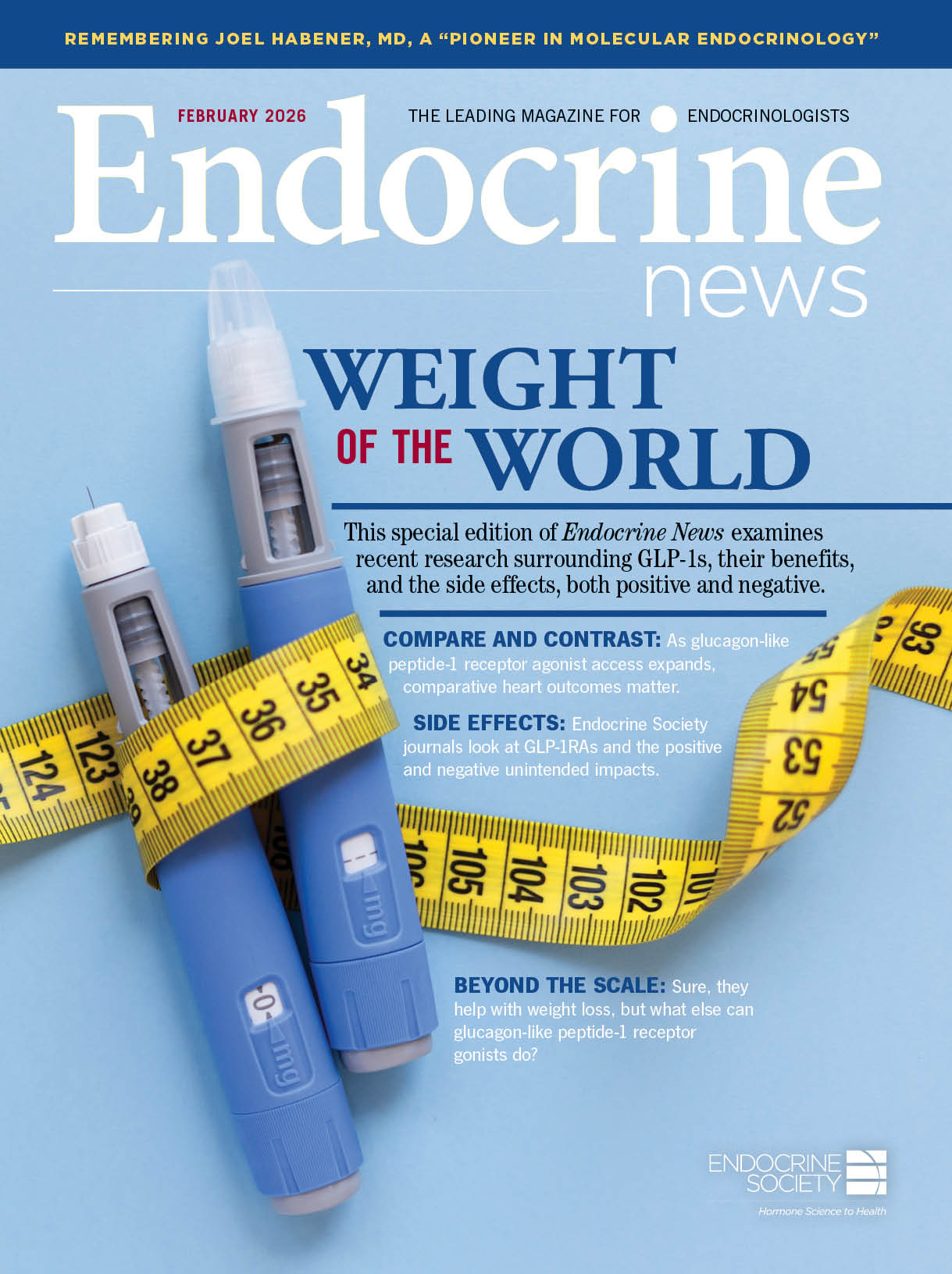
The observance of American Heart Month in February serves as a critical juncture for the medical community to evaluate the intersection of metabolic health and cardiovascular outcomes. As heart disease remains the leading cause of mortality globally, recent clinical research has increasingly focused on the transformative potential of glucagon-like peptide-1 receptor agonists (GLP-1RAs) and the emerging class of multi-receptor incretin therapies. New data from several landmark studies, highlighted in the February 2026 issue of Endocrine News, suggest that these pharmacological interventions are not only redefining weight management but are also providing targeted benefits for high-risk populations, including those with heart failure, rare genetic syndromes, and severe metabolic frailty.
The current therapeutic landscape is characterized by a shift from single-hormone mimics to dual and triple agonists that target pathways including glucose-dependent insulinotropic polypeptide (GIP), glucagon, and growth differentiation factor 15 (GDF15). While the efficacy of these agents in clinical trials is unprecedented, real-world data indicate significant hurdles regarding long-term persistence, cost-related discontinuation, and the management of patients with complex comorbidities.
The Evolution of Multi-Target Incretin Agonists
The pharmacological journey of incretin-based therapies began with the approval of early GLP-1RAs for type 2 diabetes, but the horizon has expanded to include agents that provide broader metabolic coverage. A comprehensive review published in Endocrinology by Dr. Chao Zheng and colleagues at Zhejiang University highlights the transition toward dual and triple agonists. The researchers emphasize that while GLP-1RAs are effective, a significant cohort of patients remains non-responsive or requires more intensive intervention to address the synergy between obesity and diabetes.

Tirzepatide, a dual GLP-1 and GIP receptor agonist, served as a proof-of-concept for this synergistic approach. By stimulating insulin secretion and inhibiting appetite via two distinct but complementary pathways, it demonstrated superior weight loss and glycemic control compared to semaglutide. Following this success, the focus has shifted to triple agonists like retatrutide, which adds glucagon receptor agonism to the mix. The inclusion of glucagon is intended to increase energy expenditure and promote lipolysis, potentially addressing hepatic fat accumulation more aggressively than previous therapies.
Preliminary data on these novel agents suggest a multi-organ benefit. For instance, cotadutide, a daily injectable dual agonist, has shown promise in improving liver metabolism and reducing albumin-to-creatinine ratios, signaling a protective effect on renal function. Similarly, efinopegdutide has demonstrated a capacity to reduce liver fat significantly, though its glycemic benefits appear less consistent than those of tirzepatide. The Zheng study underscores that the future of obesity management lies in precision medicine, where specific biomarkers, such as GDF15 levels, may help clinicians predict anti-inflammatory responses and tailor therapy to individual metabolic phenotypes.
Reversing Frailty in Heart Failure with Preserved Ejection Fraction
One of the most significant clinical breakthroughs in recent years involves the application of semaglutide in the context of Heart Failure with Preserved Ejection Fraction (HFpEF). Traditionally, clinicians have been cautious about aggressive weight loss in elderly or frail patients due to the risk of sarcopenia—the loss of muscle mass. However, findings from the STEP-HFpEF program, published in JACC: Heart Failure, challenge this "therapeutic nihilism."
Dr. Ambarish Pandey of the University of Texas Southwestern Medical Center led an analysis of 1,145 participants to determine if semaglutide’s benefits extended to those in the highest strata of frailty. The results were striking: the most frail patients experienced the most significant improvements in symptoms and physical limitations. Participants on semaglutide saw an average 11-point improvement on the Kansas City Cardiomyopathy Questionnaire (KCCQ) Clinical Summary Score, a metric that translates directly to enhanced quality of life and functional independence.
Dr. Pandey argues that the benefit of GLP-1RAs in this population is not derived from weight loss alone. Instead, these medications appear to target the underlying biological drivers of both HFpEF and frailty, such as chronic systemic inflammation and skeletal muscle dysfunction. By clearing "marbling" fat from muscle tissue and improving cardiac hemodynamics, semaglutide helps patients regain metabolic reserve. The study suggests that instead of withholding these medications from fragile patients, clinicians should prioritize them as a means of altering the disease trajectory and preventing hospitalization.
Breakthroughs in Rare Genetic Obesity: The Case of Alström Syndrome
The versatility of dual agonists is perhaps most evident in the treatment of rare, syndromic forms of obesity that have historically resisted conventional therapy. Alström Syndrome (AS) is a rare genetic disorder characterized by early-onset obesity, profound insulin resistance, and multi-organ failure. Patients with AS often suffer from extreme hyperphagia (excessive hunger) that does not respond to standard GLP-1RA mono-therapy.
A study published in the Journal of Clinical Endocrinology & Metabolism (JCEM) by Dr. Thomas Scherer of the Medical University of Vienna details the successful use of tirzepatide in two young adult patients with AS. These individuals had previously failed to respond to liraglutide and semaglutide, with their insulin requirements exceeding 100 units per day. Upon switching to tirzepatide, one patient achieved a 27% reduction in body weight and an 83% reduction in insulin demand.
Dr. Scherer attributes this success to the GIP component of tirzepatide. Research indicates that GIP receptor agonism may improve the function of white adipose tissue (WAT), which is often dysfunctional in Alström Syndrome. By enhancing the ability of adipose tissue to store glucose properly, tirzepatide addresses the root of the syndrome’s metabolic collapse. However, Dr. Scherer warns that the rapid response in these high-risk patients requires "close-meshed" monitoring. The sudden drop in insulin resistance can lead to severe hypoglycemia if insulin doses are not adjusted proactively, making the use of Continuous Glucose Monitors (CGM) essential in this clinical context.
Real-World Barriers: The Discontinuation Crisis
Despite the clinical triumphs of semaglutide and tirzepatide, the long-term impact of these drugs is hampered by high rates of discontinuation. A study conducted by Dr. Hamlet Gasoyan at the Cleveland Clinic and published in Obesity reveals a stark contrast between clinical trial persistence and real-world application.
Analyzing electronic health records of 288 patients without type 2 diabetes, the research team found that nearly half (47.6%) of patients who started these medications discontinued them within the first year. The primary drivers were not medical, but systemic:
- Insurance and Cost (47.6%): Many patients lost coverage or could not afford rising co-pays.
- Side Effects (14.6%): Gastrointestinal distress remains a hurdle for a subset of users.
- Supply Shortages (11.8%): Global demand has frequently outstripped production capacity, leading to forced interruptions in treatment.
Dr. Gasoyan notes that discontinuation due to cost or shortages is almost non-existent in controlled clinical trials, which explains why real-world outcomes often lag behind the "90% success rates" reported in pharmaceutical literature. The study emphasizes that for obesity medications to function as chronic disease management tools, the healthcare system must address the "discrepancy" between medical necessity and economic accessibility.
Chronology of Incretin Therapy Development
The rapid advancement of these therapies can be traced through a clear chronological progression over the last two decades:
- 2005: Approval of Exenatide, the first GLP-1RA, primarily for glucose control in type 2 diabetes.
- 2014: Liraglutide receives FDA approval for chronic weight management, marking the shift toward obesity as a primary indication.
- 2017-2021: The "Semaglutide Era" begins with the approval of Ozempic (diabetes) and later Wegovy (obesity), demonstrating weight loss of 15% or more.
- 2022-2023: Tirzepatide (Mounjaro/Zepbound) introduces dual-agonist therapy, pushing weight loss outcomes toward the 20-25% range.
- 2024-Present: Clinical focus shifts to "Triple Agonists" (Retatrutide) and the application of these drugs to specialized conditions like HFpEF, MASLD (liver disease), and rare genetic syndromes.
Analysis of Implications and Future Outlook
The findings across these four studies suggest that the medical community is entering an era of "Metabolic Rehabilitation." The ability of semaglutide to reverse frailty and tirzepatide to resolve extreme insulin resistance indicates that these agents are doing more than suppressing appetite; they are resetting metabolic homeostasis.
However, the implications for the healthcare system are complex. The high cost of therapy and the 47.6% discontinuation rate identified by Dr. Gasoyan suggest a potential "rebound effect" where patients who lose access to the drugs may experience rapid weight regain and a return of cardiovascular risk. This creates a cycle of "yo-yo" metabolic health that could be more taxing on the system than if the patients had never started the medication.
Furthermore, the success of these drugs in treating HFpEF and rare syndromes like Alström Syndrome will likely increase pressure on insurers and government programs like Medicare to expand coverage. If a medication can demonstrably reduce the frailty of an elderly heart failure patient—thereby reducing the likelihood of expensive hospitalizations—the long-term value proposition changes significantly.
As research continues into 2026 and beyond, the focus will likely remain on head-to-head trials between dual and triple agonists and the identification of patient-specific biomarkers. The goal is a transition from a "one-size-fits-all" approach to a precision model where the specific incretin profile of a drug is matched to the specific metabolic failure of the patient. For now, the message for American Heart Month is clear: incretin-based therapies have become a cornerstone of cardiovascular risk reduction, offering hope to even the most vulnerable and previously untreatable patient populations.