









The ubiquitous appeal of Starbucks’ egg bites has ignited a significant culinary movement among home enthusiasts, transforming a convenient café offering into a staple of household meal preparation. This trend underscores a broader consumer shift towards nutritious, protein-rich, and customizable breakfast options that are both accessible and cost-effective. The meticulous deconstruction and ingenious adaptation of Starbucks’ original recipe by home cooks reveal a fascinating intersection of culinary innovation, health-conscious living, and economic pragmatism.
The Genesis of a Grab-and-Go Phenomenon: Starbucks’ Market Innovation

Starbucks introduced its now-iconic Sous Vide Egg Bites in 2017, swiftly capturing a burgeoning market segment seeking convenient, low-carbohydrate, and high-protein breakfast solutions. Prior to their launch, the fast-casual breakfast landscape was largely dominated by carbohydrate-heavy pastries and sandwiches. The egg bites, distinguished by their remarkably silky and uniform texture, offered a fresh alternative. Their preparation utilized the sous vide method—a technique involving vacuum-sealing food and cooking it in a precisely temperature-controlled water bath—which was largely inaccessible to the average home cook at the time. This novel approach allowed Starbucks to deliver a product with a consistently smooth, custardy consistency, devoid of the browned edges often associated with conventionally baked eggs. The immediate success of these bites propelled them into a mainstream culinary conversation, prompting a wave of curiosity about their unique composition and preparation. Industry analysts observed a notable uptick in consumer interest in protein-focused breakfast items following their introduction, signaling a significant shift in dietary preferences towards sustained energy and satiety.

Decoding the Culinary Secrets: Key Ingredients and Adapted Techniques
The journey to replicate the Starbucks egg bites at home involved considerable experimentation, ultimately leading to the discovery of two pivotal elements that distinguish these homemade versions from standard frittatas or quiches.

The Unexpected Hero: Cottage Cheese
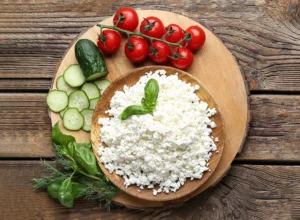
One of the most surprising revelations for many home cooks exploring the Starbucks recipe was the inclusion of cottage cheese. This ingredient, often associated with its distinct lumpy texture, serves as a crucial component in achieving the characteristic tang and protein boost of the egg bites. When blended thoroughly with the other egg mixture ingredients, the curds of the cottage cheese completely dissolve, leaving no textural trace but imparting a subtle creaminess and a slightly tart flavor profile. Beyond its textural contribution, cottage cheese significantly enhances the nutritional value of the bites, contributing additional protein and calcium. This ingenious use of a common dairy product highlights how seemingly unconventional ingredients can be transformed through processing to achieve desired culinary outcomes, offering a testament to the blend of science and art in cooking.
Mastering Texture: The Home Water Bath Method
While Starbucks employed sophisticated sous vide technology, home cooks devised an accessible alternative: the water bath, or bain-marie, baking method. This technique involves placing a muffin tray filled with the egg mixture onto a larger, rimmed baking sheet containing a small amount of hot water. The steam generated from the hot water bath encases the muffin tray, providing a gentle, indirect heat that cooks the eggs slowly and evenly. This controlled environment is critical; it prevents the rapid browning and drying out that typically occurs when eggs are baked directly in an oven. The result is a lusciously smooth, tender, and custardy texture that closely mimics the sous vide product, avoiding the firmer, more porous consistency of a traditional frittata or baked egg muffin. This adaptation showcases the ingenuity of home cooks in reverse-engineering commercial culinary techniques using standard kitchen equipment.
Nutritional Profile and Health Implications

The homemade egg bites are not only a culinary triumph but also a nutritional powerhouse, aligning perfectly with contemporary health trends. They offer a substantial protein boost, essential for satiety and muscle maintenance, making them an ideal choice for a grab-and-go breakfast or a protein-rich snack.
Whole Eggs vs. Egg Whites: While Starbucks’ vegetarian egg bites often feature egg whites, many home recipes opt for whole eggs. This choice is largely driven by practicality—avoiding the fuss and potential waste of separating eggs—but also by nutritional considerations. Egg yolks are rich in choline, an essential nutrient vital for brain health, liver function, and metabolism. Utilizing whole eggs ensures a broader spectrum of vitamins and minerals, providing a more complete nutritional profile.
Dietary Adaptability: The inherent flexibility of egg bites makes them suitable for a wide array of dietary needs. For individuals managing conditions like gestational diabetes, as highlighted by personal anecdotes within the home cooking community, these bites offer a low-carbohydrate, high-protein option that helps regulate blood sugar levels without sacrificing flavor or convenience. Similarly, they are a popular choice for those adhering to ketogenic or other low-carb diets, providing a satisfying and compliant meal option. The ability to customize ingredients further enhances their appeal for those with specific dietary restrictions or preferences, from gluten-free to nut-free options.

The Economic Imperative: Cost Savings and the DIY Movement
Beyond health considerations, the economic advantages of preparing egg bites at home are significant. A single serving of egg bites at a commercial establishment can cost upwards of five dollars, making daily consumption a considerable expense over time. By contrast, the cost of ingredients for a dozen homemade egg bites is substantially lower, yielding multiple servings for a fraction of the price. This cost-effectiveness resonates strongly with consumers, particularly in an era marked by fluctuating food prices and a heightened awareness of household budgeting.
This economic incentive dovetails with the broader "do-it-yourself" (DIY) food movement, which has gained considerable momentum in recent years, especially following global events that underscored the importance of home-based activities. The DIY movement is characterized by a desire for greater control over food quality, ingredients, and preparation methods, as well as the satisfaction derived from creating food from scratch. Homemade egg bites embody this ethos, offering a practical and rewarding culinary project that delivers tangible benefits.

Versatility at Its Core: Customization and Flavor Innovation
The fundamental design of the egg bite recipe lends itself to extensive customization, transforming it into a versatile canvas for culinary creativity. This adaptability is a key factor in its enduring popularity among home cooks.
Cheese Varieties: While mild Monterey Jack is a common choice, the recipe welcomes a range of cheese substitutions. Cheddar offers a sharper, more familiar flavor; Gruyère provides a nutty, complex note; and mozzarella melts into a delightfully gooey consistency. For a more sophisticated profile, crumbled goat cheese introduces a creamy tang, while a judicious amount of grated Parmesan or feta can impart a salty depth without overpowering the dish. The key lies in balancing the saltiness and melt characteristics of the chosen cheese.

Vegetable Dynamics: The inclusion of vegetables not only boosts the nutritional content but also adds textural and flavor dimensions. The general rule of thumb is that up to two cups of prepared vegetables can be incorporated into a standard batch of egg bites. However, the preparation method for vegetables is crucial to ensure optimal texture and flavor in the final product.
- Tender Greens: Spinach and arugula require minimal cooking—just a minute or two of sautéing until wilted—to soften their texture and reduce moisture content.
- Heartier Greens: Kale, chard, or collard greens, being tougher, necessitate a slightly longer cooking time, perhaps a few extra minutes on the stove or a brief steaming, to achieve tenderness.
- Root Vegetables and Cruciferous Varieties: For ingredients like sweet potatoes, cauliflower, or broccoli, pre-cooking is essential. Roasting them beforehand not only softens their texture but also caramelizes their natural sugars, adding a layer of complex flavor. Steaming offers a milder flavor profile. This makes egg bites an excellent vehicle for utilizing leftover roasted vegetables, minimizing food waste and maximizing convenience.
Aromatic Enhancements: The subtle addition of alliums significantly elevates the flavor profile. Lightly cooked green onions provide a mild, tender bite. Alternatively, finely chopped fresh chives offer a delicate oniony freshness, while a medium clove of pressed or minced garlic can introduce a more robust, savory depth.
Inspired Flavor Variations: Drawing inspiration from classic egg dishes, several compelling flavor combinations have emerged:

- Spinach, Goat Cheese, and Sun-Dried Tomato: This blend marries the earthy notes of sautéed spinach with the creamy tang of goat cheese and the intense, umami sweetness of chopped sun-dried tomatoes, echoing the sophistication of gourmet scrambled eggs.
- Broccoli Cheddar: A comforting and familiar combination, featuring steamed broccoli florets and sharp cheddar cheese, often enhanced with chives or sautéed green onion. The addition of spinach can further enrich its nutritional value.
- Arugula, Cremini Mushroom, and Goat Cheese: Sautéed cremini mushrooms provide a rich, savory base, complemented by wilted arugula and the distinct piquant creaminess of goat cheese, reminiscent of a rustic quiche.
- Butternut Squash and Parmesan: Roasted butternut squash, with its inherent sweetness, pairs beautifully with the salty, nutty notes of Parmesan cheese and a hint of fresh chives, drawing inspiration from autumnal frittatas.
Beyond the Breakfast Table: Broader Societal Impact
The proliferation of homemade egg bites extends beyond individual kitchens, reflecting and influencing broader societal trends. Their "make-ahead" nature perfectly aligns with the demands of modern, fast-paced lifestyles, where convenience often dictates meal choices. By allowing for batch preparation, these bites offer a practical solution for busy individuals and families seeking nutritious options that require minimal effort during peak morning hours.
Furthermore, the concept of preparing and sharing these bites highlights a growing emphasis on food gifting and community support. Offering a batch of homemade egg bites to new parents, for instance, provides a thoughtful and practical gesture, addressing their need for nourishing, easy-to-consume meals during a demanding period. This communal aspect underscores how food, even in its most convenient forms, remains a powerful tool for connection and care. The simple yet effective techniques involved in making these bites also subtly encourage culinary skill development, empowering more home cooks to experiment with methods like the water bath, demystifying what might otherwise seem like complex gastronomic processes.

Expert Perspectives on a Culinary Trend
Culinary analysts suggest that the enduring appeal of egg bites lies in their ingenious blend of convenience, nutrition, and adaptability. Dr. Eleanor Vance, a food science researcher specializing in consumer trends, commented, "The home replication trend of Starbucks’ egg bites underscores a broader societal shift towards personalized, health-conscious eating that doesn’t sacrifice ease. Consumers are actively seeking ways to integrate nutritious foods into their busy lives, and these adaptable, make-ahead options perfectly fit that bill. The ingenuity of adapting commercial sous vide methods to the home kitchen through a simple water bath is a prime example of consumer-driven culinary innovation."
Chronology of a Culinary Trend:

- Early 2010s: A gradual increase in consumer awareness and demand for high-protein breakfast options begins to emerge, driven by health and wellness trends.
- 2017: Starbucks officially launches its Sous Vide Egg Bites in select markets, quickly expanding due to overwhelming customer demand for convenient, low-carb, and protein-rich breakfast items.
- 2018-2020: Online search queries for "Starbucks egg bite recipe" and "homemade egg bites" surge. Food bloggers and culinary enthusiasts begin extensively experimenting to replicate the unique texture and flavor. Initial attempts often focus on ingredient lists, with the water bath method gradually gaining prominence as the most effective home-based technique.
- 2020-Present: The global pandemic significantly accelerates the home cooking trend, further popularizing homemade egg bites. The discovery and widespread sharing of key techniques, particularly the use of cottage cheese for texture and the water bath for silken consistency, cement egg bites as a staple in meal preparation routines across countless households. Their versatility allows them to remain relevant amidst evolving dietary preferences and economic considerations.
Conclusion
The journey of the Starbucks-inspired egg bite from a commercial innovation to a homemade staple illustrates a compelling narrative of consumer demand, culinary adaptation, and the democratization of gastronomic techniques. By decoding the secrets of creamy texture and savory flavor, home cooks have transformed a café indulgence into an accessible, customizable, and nutritious component of their daily routines. This phenomenon not only reflects a growing preference for convenient, health-conscious food but also celebrates the ingenuity and resourcefulness inherent in the modern home kitchen, solidifying the egg bite’s position as a testament to practical culinary innovation.