








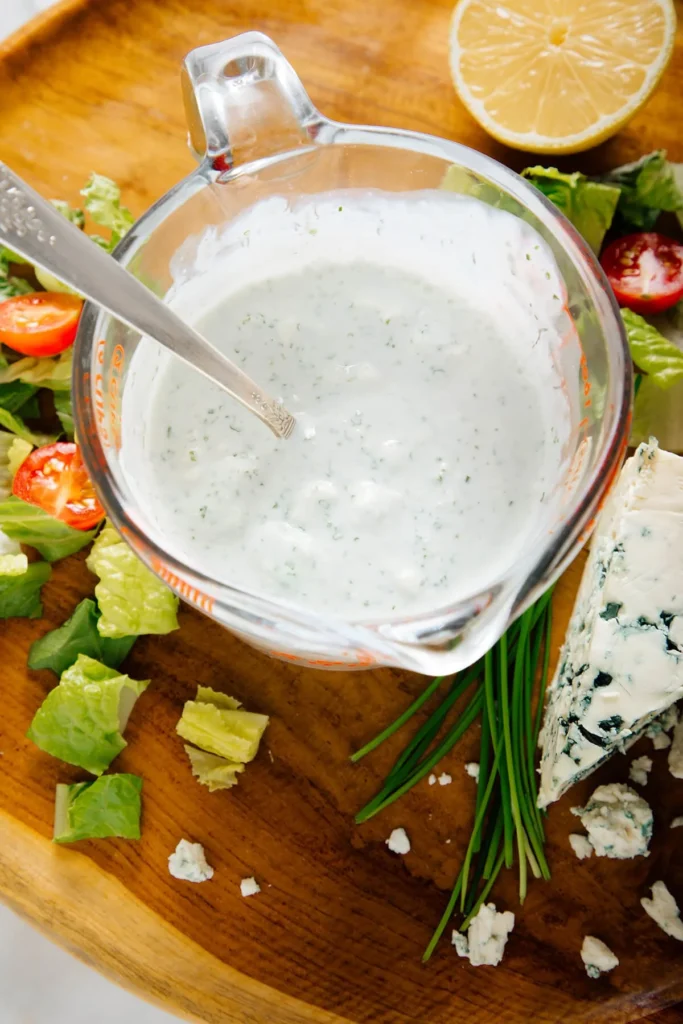
In a notable culinary development, acclaimed food blogger and bestselling author Kathryne Taylor, widely known through her platform Cookie and Kate, has unveiled her highly anticipated recipe for homemade Blue Cheese Dressing. Positioned as a game-changer for both long-time aficionados and curious newcomers to the distinctive flavor of blue cheese, this recipe promises a creamy, tangy, and refreshingly vibrant alternative to store-bought varieties, distinguishing itself through a thoughtful selection of fresh ingredients and a balanced profile. The release, anticipated to solidify Taylor’s reputation as a go-to source for essential homemade condiments, comes at a time when consumers are increasingly prioritizing fresh, customizable options in their home kitchens.
The Genesis of a Classic: A Culinary Journey

Kathryne Taylor, a celebrated figure in the online culinary world, has built her brand, Cookie and Kate, on a foundation of vegetable-centric recipes and a commitment to wholesome, delicious food. With a bestselling cookbook under her belt and a loyal following, Taylor’s culinary philosophy centers on making accessible, high-quality dishes from scratch. Her latest offering, the Blue Cheese Dressing, represents a significant addition to her already extensive collection of homemade salad dressings, a category she openly declares her "specialty."
The inspiration for this particular dressing stems from Taylor’s own nuanced relationship with blue cheese – an ingredient she "doesn’t always love, but loves this blue cheese dressing." This personal endorsement underscores the recipe’s design to appeal to a broad spectrum of palates, from those hesitant about blue cheese’s potent character to its most ardent fans. It’s an evolution, of sorts, from her popular Easy Blue Cheese Dip, reformulated for the perfect pourable consistency over fresh greens. The timing of this release aligns with a broader industry trend highlighting the resurgence of classic American comfort foods reimagined with fresh, high-quality components.
Deconstructing the Dressing: A Symphony of Carefully Chosen Ingredients

The hallmark of Taylor’s Blue Cheese Dressing lies in its meticulously selected ingredients, each playing a crucial role in achieving its "restaurant-quality" flavor and ideal texture. Far from being a simple blend, the recipe showcases a nuanced understanding of flavor dynamics and ingredient synergy.
-
Sour Cream: The Creamy Foundation with a Tangy Twist. At the heart of this dressing’s creamy texture is sour cream, a deliberate choice that eschews mayonnaise. Sour cream provides a rich, smooth base while contributing a subtle tang that complements the sharpness of the blue cheese without overwhelming it. This choice also often results in a dressing that feels lighter than mayo-based alternatives, appealing to those seeking indulgence without excessive heaviness. From a nutritional standpoint, sour cream can offer a distinct fat profile and fermentation benefits compared to standard mayonnaise, which is often oil-heavy.
-
Crumbled Blue Cheese: Tailoring Intensity to Taste. The recipe’s adaptability to individual preference for blue cheese intensity is a key feature. Taylor suggests milder varieties like Gorgonzola dolce or Danish Blue for those new to or wary of the cheese, while recommending stronger options such as Roquefort for a bolder flavor. This guidance is invaluable for home cooks, demystifying the often-intimidating world of blue cheeses. Generally, blue cheeses with a creamier texture and less prominent veining tend to be milder, offering a gateway into the broader spectrum of blue cheese flavors. The global market for specialty cheeses, including various blue cheeses, has seen consistent growth, driven by consumer interest in diverse culinary experiences and artisan products.

-
Buttermilk: The Elixir of Tang and Texture. Real buttermilk is emphasized for its distinctive tangy flavor and its ability to thin the dressing to a perfect, pourable consistency. Buttermilk’s unique lactic acid profile adds depth that cannot be fully replicated by substitutes. Its use aligns with traditional American dressing recipes, which often leverage its natural acidity and creaminess. For those without access to traditional buttermilk, the suggestion of milk with an extra squeeze of lemon juice offers a practical alternative, though Taylor rightly notes the superior "flavor payout" of genuine buttermilk, which can also be utilized in other baking endeavors like pancakes.
-
Fresh Lemon Juice: The Zest of Life. A squeeze of fresh lemon juice is paramount, acting as a crucial brightening agent. Its acidity cuts through the richness of the dairy and the pungency of the blue cheese, lifting the overall flavor profile and preventing the dressing from becoming flat or heavy. The emphasis on "fresh" lemon highlights the difference natural citrus notes make compared to bottled alternatives, which can lack the vibrancy and aromatic complexity.
-
Chives and Garlic: The Aromatic Backbone. Thinly sliced fresh chives and minced fresh garlic are hailed as indispensable for imparting the "irresistible allium flavor" that elevates this dressing to restaurant-quality status. Fresh herbs and aromatics are a cornerstone of gourmet cooking, providing layers of flavor that dried alternatives simply cannot match. Chives offer a delicate oniony note, while fresh garlic contributes a pungent warmth. Taylor provides a practical substitution, suggesting green onions (primarily the green parts) if chives are unavailable, demonstrating an understanding of common pantry limitations while maintaining flavor integrity. The inclusion of fresh produce also aligns with growing consumer demand for clean labels and natural ingredients.

-
Salt and Pepper: The Essential Balancers. No dressing is complete without careful seasoning. Salt is crucial for balancing the inherent bitterness often found in salad greens, while freshly ground black pepper adds a necessary piquancy and aromatic finish, tailored to individual taste. These fundamental seasonings are critical for enhancing and harmonizing all the other flavors.
The Art of Preparation: Simplicity in Execution
Despite its sophisticated flavor profile, the preparation of this blue cheese dressing is designed for ease, reinforcing its appeal to home cooks. The process involves simply combining the ingredients, allowing the individual flavors to meld into a cohesive, creamy mixture. This simplicity underscores the notion that gourmet results do not necessarily require complex culinary techniques, but rather a focus on quality ingredients and thoughtful combinations. The visual representation of ingredients laid out and then being stirred together conveys a straightforward, approachable cooking experience, encouraging even novice cooks to attempt this homemade classic.

Versatility Beyond the Bowl: Expanding Culinary Horizons
While primarily designed as a salad dressing, Taylor’s creation offers remarkable versatility. The article provides extensive "Blue Cheese Salad Suggestions," guiding users on building the perfect accompaniment.
- Base Greens: Recommendations include romaine, little gem, iceberg, spinach, or arugula, each offering distinct textures and flavor profiles that pair well with the dressing’s richness and tang. Romaine offers a crisp bite, while arugula provides a peppery counterpoint.
- Complementary Add-ins: The suggested additions are diverse and thoughtfully chosen:
- Sweetness and Acidity: Halved cherry tomatoes, sliced apples, or pears.
- Crunch and Texture: Thinly sliced radish, celery, cucumber, toasted pecans or walnuts, croutons, bread crumbs.
- Savory Depth: Crumbled bacon, hard-boiled eggs, grilled chicken, steak, or buffalo chicken.
- Creaminess: Avocado.
- Freshness: Red onion.
- Fruity Notes: Dried cranberries.
A notable example provided is a classic wedge salad featuring romaine, cherry tomatoes, thinly sliced radish, and a sprinkle of bread crumbs and additional chives – a testament to the dressing’s ability to elevate simple ingredients into a compelling dish.

Beyond salads, the robust flavor and creamy texture suggest myriad other applications. It could serve as an exceptional dip for fresh vegetables, buffalo wings, or even crispy potato wedges. Its savory profile makes it an excellent sauce for grilled meats such as steak or chicken, or a decadent spread for gourmet sandwiches and burgers, adding a layer of sophisticated flavor to everyday meals. The growing trend of using dressings and sauces in innovative ways across different meal components further amplifies the utility of such a versatile recipe.
Broader Implications: Trends in Home Cooking and Health
The release of this blue cheese dressing recipe by Cookie and Kate is emblematic of several overarching trends in the contemporary food landscape.

- The Rise of Homemade: There’s an undeniable shift towards homemade food, driven by increasing consumer awareness regarding ingredients, preservatives, and artificial flavors often found in store-bought products. Home cooks are seeking greater control over what goes into their food, valuing freshness, transparency, and the ability to customize to dietary needs or preferences. The market for store-bought dressings, while significant, faces competition from this growing DIY ethos.
- Nutritional Control and Clean Eating: By making dressings from scratch, consumers gain control over fat content, sugar levels, and sodium intake. Taylor’s recipe, with its emphasis on fresh chives and garlic, naturally incorporates ingredients known for their health benefits (e.g., antioxidants, anti-inflammatory properties) without relying on artificial enhancers. The recipe’s categorizations as "egg free," "gluten free," "nut free," "soy free," and "tomato free" further highlight its adaptability to various dietary requirements, catering to a health-conscious audience.
- Gourmet at Home: The desire to recreate restaurant-quality experiences in one’s own kitchen continues to drive culinary exploration. Recipes like this blue cheese dressing empower home cooks to achieve sophisticated flavors that rival those from professional establishments, often at a fraction of the cost.
- Community and Engagement: Taylor’s explicit invitation for readers to share their experiences and salad creations fosters a sense of community and collaborative culinary exploration. This direct engagement loop is a powerful aspect of modern food blogging, turning recipes into shared experiences.
A Lasting Culinary Contribution
Kathryne Taylor’s latest recipe is more than just a formula for a condiment; it’s a testament to her ongoing commitment to empowering home cooks with delicious, approachable, and high-quality recipes. By offering a definitive take on a classic like blue cheese dressing, she solidifies her platform’s role as an invaluable resource. This recipe joins other celebrated homemade dressings from her repertoire, such as Homemade Ranch, Green Goddess Dressing, and Easy Caesar Dressing, each designed to become a staple in discerning kitchens. As consumers continue to seek fresh, flavorful, and customizable options, recipes like this Blue Cheese Dressing are poised to make a significant and lasting impact on home cooking practices, reaffirming the enduring appeal of quality ingredients and the joy of creating from scratch.