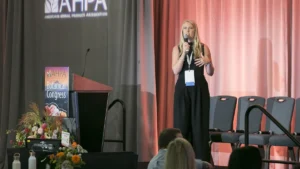









The halls of Natural Products Expo West 2026 were abuzz with a singular, powerful theme: longevity. Supplement brands across the vast exhibition floor prominently featured promises of extended, vibrant lives, showcasing a burgeoning market segment dedicated to helping consumers age not just longer, but better. Yet, beneath the surface of this optimistic narrative lies a critical point of discussion: the often-interchangeable use of terms like "longevity," "healthy aging," "healthspan," and "lifespan," leading to potential confusion for both industry professionals and consumers. This article delves into the discussions held at the Expo, where industry leaders sought to clarify these vital concepts and share their insights on achieving a truly long and healthy life.
The Natural Products Expo West, held annually, serves as a pivotal gathering for the natural and organic products industry. It’s a marketplace where innovation, consumer trends, and scientific advancements converge. In recent years, the concept of aging well has moved from a niche concern to a mainstream focus, driven by an aging global population and a growing awareness of preventative health. The 2026 edition underscored this trend, with a significant portion of exhibitor messaging and panel discussions revolving around products and strategies aimed at enhancing both the duration and quality of life.
Defining the Terms: A Consensus in Progress
The core of the discussion at Expo West revolved around the need for clearer definitions. While many brands champion "longevity," the interpretation of this ambitious goal varies. Is it simply about extending the number of years lived, or does it inherently encompass the quality of those years? Industry experts convened to dissect these distinctions, offering their unique perspectives on what constitutes a successful journey through the aging process.
Elan Sudberg, CEO of Alkemist Labs, offered a straightforward definition of healthy aging: "getting to your end goal of age while feeling fantastic doing it." He humorously acknowledged the unpredictable nature of extreme longevity, citing a personal anecdote of a centenarian relative who maintained a daily habit of consuming McDonald’s, underscoring that genetics and lifestyle choices often interact in complex and sometimes unexpected ways. This sentiment highlights the inherent challenge in definitively prescribing pathways to extreme old age, suggesting that while science offers guidance, individual outcomes can be remarkably diverse.
Conversely, Len Monheit, CEO of the Industry Transparency Center, viewed longevity as a more comprehensive objective: "maximizing your healthy life and lifespan." This definition implicitly links the two concepts, suggesting that the pursuit of longevity is inherently tied to maintaining health throughout one’s existence.
Nate Call, CEO of Qualitas, echoed the observation that these terms are frequently used interchangeably, contributing to market ambiguity. He expressed optimism that the industry is moving towards clearer articulations: "I think over the next few years, we will see stronger definitions. We’ll see a really strong flagship brand, probably somebody here at Expo West, who anchors those words into something that actually has meaning." This anticipation suggests a market readiness for greater clarity and a potential for industry leaders to set new standards for consumer understanding.
Michael Loreto, Manager of Research and Innovation at Jamieson Wellness, emphasized the proactive nature of healthy aging, stating that it can be supported at any stage of life. He noted that the focus should be on improving daily well-being, regardless of age. This perspective aligns with a growing understanding that preventative health measures are most effective when initiated early. Jamieson’s launch of a longevity supplement line, featuring liposomal glutathione and nicotinamide riboside capsules, exemplifies the industry’s response to this demand for proactive, science-backed solutions.
Karen Todd, RD, Vice President of Global Brand Marketing for ingredient supplier Kyowa Hakko, offered a perspective that elegantly bridges the two concepts. She believes that healthy aging and longevity are intrinsically linked: "If you are living and enjoying life and aging gracefully, healthfully, you’re probably going to live longer as well." This viewpoint suggests that the quality of life directly influences its duration, framing healthy aging not as a precursor to longevity, but as a fundamental component of it.
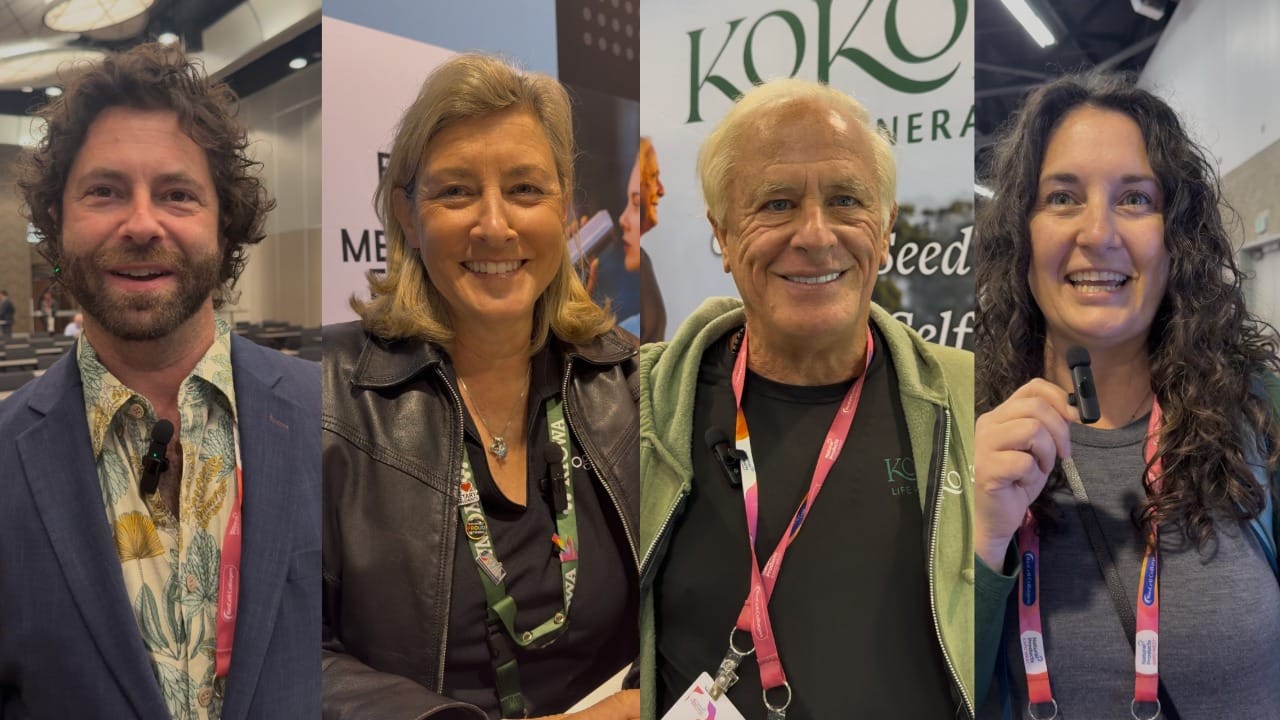
Sebastian Balcombe, CEO of Specnova, drew a sharper distinction, viewing longevity as a "lifespan quantification," while healthy aging "doesn’t necessarily mean extending lifespan." He advocated for a focus on maximizing health throughout life, irrespective of a specific numerical target for lifespan. This perspective emphasizes the importance of maintaining vitality and function at any age, suggesting that a life well-lived, even if not exceptionally long by some metrics, is a successful outcome. His sentiment, "I just think the focus should be on living as healthy as you can, as deep into your age as you can, whatever that might be," resonates with a desire for quality over mere quantity.
Luke Wayment, Senior Director of Global Formulations for Better Being Wellness Brands, succinctly defined healthy aging as "living our best life for as long as we can." This definition prioritizes active engagement and fulfillment throughout the aging process.
Pillars of Well-being: A Holistic Approach
Beyond abstract definitions, industry leaders highlighted practical strategies and foundational elements crucial for both longevity and healthy aging. Brad Buchholz, Vice President of Business Development for POM Wonderful, outlined a robust framework of six pillars for healthy living: sleep, diet, exercise, hydration, stress management/mental well-being, and social interaction. He stressed the cumulative and compounding effect of these habits over a lifetime, drawing an analogy to financial planning: "It’s like your retirement plan. If you start saving when you’re 65, you’re not going to have that much money when you’re 66." This analogy effectively communicates the long-term commitment required for sustained health benefits.
Helen Christoni, co-creator of women’s health supplement brand Make Time Wellness, emphasized the importance of a strong foundation. "I really think longevity comes down to foundation, making sure that our foundation is in place so we go out from a position of strength, knowing that we could live a long, healthy life," she stated. Her definition of this foundation encompasses fundamental aspects of daily living: "It’s the food that we eat, it’s the supplements that we take, it’s the water that we drink, it’s the air that we breathe, really making sure they’re all as pure as possible so we can live a long, healthy life." This holistic view underscores the interconnectedness of environmental factors, nutritional intake, and overall health.
Daniel Gagnon, President and Medical Herbalist for supplement brand Herbs, Etc., expressed a hope for the preservation of faculties as individuals age: "I hope we all keep our mental, physical and spiritual faculties as we age." For him, longevity is primarily about the duration of life, whereas healthy aging is about the quality and capacity to engage with life. This distinction highlights the multifaceted nature of aging, encompassing cognitive, physical, and spiritual dimensions.
Scientific Substantiation and Market Challenges
Jennifer Greer, N.D., a consultant and ingredient expert, approached the distinction from a scientific and regulatory standpoint. She noted the challenges in substantiating longevity claims through clinical trials, primarily due to the extended timeframes required: "How do you really make a claim on longevity? You can’t really design a clinical trial where you’re following people for 50, 60, 70 years and also you don’t know how long somebody’s going to live in the first place." This practical consideration underscores why "healthy aging" and "healthspan" are often more readily supported by current research methodologies.
Todd Runestad, Chief Storytelling Officer for ingredient supplier NXT USA, posed a thought-provoking question that encapsulates the essence of healthy aging: "What if you can live for 99 years, 364 days of active, healthy living and then one really bad day?" This rhetorical question emphasizes the value placed on the quality of life during its entirety. Runestad further highlighted the critical role of ingredients supporting cellular wellness and mitochondrial health, key areas of scientific investigation in the quest for healthy aging.
Ric Scalzo, Founder and CEO of supplement brand Kokora, distilled the key to a long, healthy life into three essential elements: purpose, community, and movement. He posited that consistent engagement with these factors can significantly extend lifespan and enhance its quality: "I think personally these things, if you do them every day for the course of your life, you’ll add 10, 15, 20 years to your life. I’m sure of it." This assertion, while anecdotal, reflects a growing body of research supporting the psychological and physiological benefits of social connection, meaningful activity, and regular physical engagement.
The Evolving Landscape of Aging Well
The discussions at Natural Products Expo West 2026 revealed a dynamic industry actively grappling with the definitions and strategies surrounding longevity and healthy aging. While the terms may still be in flux, the underlying intent is clear: to empower individuals to live longer, healthier, and more fulfilling lives. As scientific understanding advances and consumer demand for proactive health solutions grows, the industry is poised to offer increasingly sophisticated products and guidance. The ongoing dialogue at events like Expo West is crucial for fostering clarity, promoting evidence-based approaches, and ultimately, helping consumers navigate the path to optimal aging. The commitment to defining and supporting "healthy aging" appears to be the most tangible and actionable frontier, with "longevity" as the aspirational outcome that healthy aging aims to facilitate. The industry’s collective efforts are paving the way for a future where aging is not merely an inevitable decline, but a vibrant and extended chapter of life.