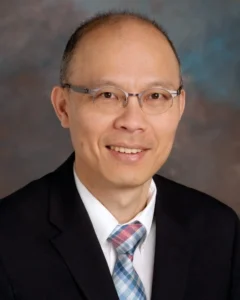








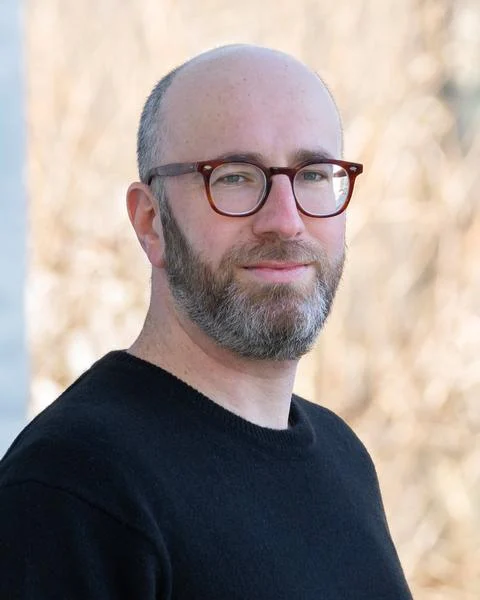
The Pershing Square Foundation has officially announced that Dr. Daniel Hochbaum, a distinguished member of the Endocrine Society and an assistant professor at Harvard Medical School, is a recipient of the prestigious Maximizing Innovation in Neurodegenerative Diseases (MIND) Prize. This significant accolade includes a three-year grant totaling $750,000, specifically designated to accelerate Dr. Hochbaum’s pioneering research into the endocrine drivers of cognitive decline. As an assistant professor within the Program in Neuroscience at Harvard Medical School and a researcher at Beth Israel Deaconess Medical Center, Dr. Hochbaum is positioned at the intersection of endocrinology and neurology, seeking to uncover how systemic hormonal shifts influence the cellular health of the human brain.
The grant, which provides $250,000 annually over a three-year period, is designed to empower "next-frontier thinkers" who are willing to challenge traditional paradigms in neurodegenerative research. Dr. Hochbaum’s work focuses on the age-related decline of thyroid hormone signaling in the brain, a factor that many researchers believe could be a missing link in the complex puzzle of Alzheimer’s disease and other forms of dementia. By investigating the specific mechanisms through which inflammation disrupts the local production of triiodothyronine (T3), the active form of thyroid hormone, Dr. Hochbaum aims to develop novel therapeutic strategies that could potentially halt or even reverse neurodegeneration.
The Intersection of Endocrinology and Neurodegeneration
For decades, the scientific community’s approach to Alzheimer’s disease has been largely dominated by the "amyloid hypothesis," which focuses on the accumulation of beta-amyloid plaques in the brain. However, as many amyloid-targeting drugs have faced challenges in clinical efficacy, researchers have increasingly looked toward alternative pathways, including metabolic and endocrine factors. Dr. Hochbaum’s research represents a critical shift toward understanding the brain as an organ deeply integrated with the body’s overall hormonal environment.

Thyroid hormones are well-known for their role in regulating metabolism, growth, and energy expenditure across the body. However, their specific role within the adult brain—particularly during the aging process—is less understood. Dr. Hochbaum’s project posits that as the brain ages, the signaling pathways for thyroid hormones become compromised. Specifically, his research will define how chronic, age-related inflammation interferes with the brain’s ability to synthesize T3 locally. If the brain cannot produce or utilize T3 effectively, the result may be a breakdown in synaptic plasticity—the ability of neurons to communicate and form new memories.
By utilizing advanced Alzheimer’s disease models, Dr. Hochbaum intends to test whether restoring brain-specific T3 signaling can rescue these synaptic and behavioral deficits. This "endocrine-based strategy" offers a unique perspective: rather than simply removing toxic proteins from the brain, it seeks to restore the metabolic and signaling environment necessary for neurons to function and survive.
The Global Burden of Alzheimer’s Disease and Dementia
The urgency of Dr. Hochbaum’s research is underscored by the escalating global health crisis posed by neurodegenerative diseases. According to data from the Alzheimer’s Association, more than 6.7 million Americans aged 65 and older are currently living with Alzheimer’s dementia. This number is projected to grow to nearly 14 million by 2060 unless significant medical breakthroughs are achieved. Globally, the World Health Organization (WHO) estimates that over 55 million people live with dementia, with nearly 10 million new cases diagnosed every year.
The economic impact is equally staggering. In 2023, the total payments for health care, long-term care, and hospice services for people with Alzheimer’s or other dementias in the United States were estimated at $345 billion. Beyond the financial costs, the emotional and physical toll on caregivers and families is immense. The MIND Prize is a direct response to this crisis, aiming to catalyze interdisciplinary research that can move from the laboratory to the clinic with greater speed and efficacy.
The Pershing Square Foundation and the MIND Prize Mission
The Pershing Square Foundation (PSF), established in 2006 by Bill Ackman and Neri Oxman, has become a major force in philanthropic support for high-impact scientific research. With over $930 million committed to date, the foundation targets areas such as health, medicine, education, and economic development. The MIND Prize was specifically conceived to change the paradigm of neuroscience research by fostering a community of innovative thinkers.
The selection process for the MIND Prize is rigorous, focusing on researchers who bridge the gap between basic scientific discovery and translational medicine. Dr. Hochbaum is one of only eight recipients selected for this cohort, highlighting the exceptional nature of his proposed work. The foundation’s philosophy is built on the belief that breakthroughs often occur at the intersection of different disciplines. By facilitating collaborations across academic departments, the biomedical industry, and the business community, the PSF aims to provide the resources necessary for researchers to take bold risks.
Neri Oxman, PhD, a Pershing Square Foundation Trustee, noted that the current era of technological advancement has reached a point where Alzheimer’s and related disorders can finally be viewed as "remediable." She emphasized that this year’s cohort of winners reflects a "serendipity" between biological research and technological tools, such as artificial intelligence and advanced molecular imaging. The foundation’s goal is to "untangle the Eldredge knot" of Alzheimer’s disease, a metaphor for the intricate and seemingly inextricable nature of the condition.
Chronology of Research and Upcoming Presentations
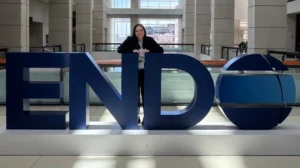
The timeline for Dr. Hochbaum’s research and public engagement is already well-defined. Having secured the MIND Prize in 2024, his project will unfold over the next three years, with regular milestones for data collection and analysis. A key component of his professional engagement will take place at the ENDO 2026 conference, organized by the Endocrine Society.
The conference, scheduled to be held in Chicago, Illinois, in June 2026, is the premier global event for endocrinology professionals. Dr. Hochbaum is slated to be a featured speaker during a high-profile session titled “Thyroid Hormone on the Brain,” occurring on Sunday, June 14, at 10:30 a.m. His presentation, “Synchronizing Body and Brain: Coordination of Metabolism and Exploration by Thyroid Hormone,” is expected to provide the scientific community with early insights from his MIND Prize-funded research.
This presentation will likely be a focal point for researchers interested in how systemic metabolism and cognitive function are inextricably linked. By presenting his findings to an audience of endocrinologists, Dr. Hochbaum will help bridge the gap between specialists who focus on hormonal health and those who focus on neurological disorders.
Implications for Future Therapeutic Strategies
The implications of Dr. Hochbaum’s work extend far beyond the laboratory. If his hypothesis regarding T3 signaling is proven correct, it could open the door to a new class of "neuro-endocrine" therapies. Unlike traditional hormone replacement therapies that affect the entire body, the goal would be to target thyroid signaling specifically within the central nervous system. This precision approach would minimize systemic side effects while maximizing the regenerative potential in the brain.
Furthermore, the research into how inflammation disrupts local T3 production could identify new biomarkers for early-stage Alzheimer’s. If clinicians can detect a decline in brain-specific thyroid signaling before significant cognitive symptoms appear, it may be possible to intervene much earlier in the disease progression. This shift toward early detection and metabolic restoration aligns with the broader trend in modern medicine toward "precision health" and personalized treatment plans.
A Collaborative Future for Neuroscience
The success of the MIND Prize winners like Dr. Hochbaum also highlights the vital role of private philanthropy in the scientific ecosystem. While government funding through the National Institutes of Health (NIH) remains essential, private foundations like the Pershing Square Foundation provide the flexibility to fund "high-risk, high-reward" projects that might be considered too experimental for traditional grants.
The collaborative framework established by the MIND Prize encourages recipients to share data and methodologies across institutional lines. Dr. Hochbaum’s affiliation with both Harvard Medical School and Beth Israel Deaconess Medical Center already places him in a highly collaborative environment, but the PSF grant expands this network to include some of the most innovative minds in the global biomedical community.
As the scientific community moves toward 2026 and the upcoming ENDO conference, all eyes will be on the progress of Dr. Hochbaum and his peers. Their work represents more than just academic curiosity; it represents a tangible hope for the millions of individuals and families affected by neurodegenerative diseases. Through the integration of endocrine science and neuroscience, the "Eldredge knot" of Alzheimer’s disease may finally begin to loosen, paving the way for a future where cognitive decline is no longer an inevitable consequence of aging.