





Eli Lilly and Company has announced that its experimental once-daily oral medication, orforglipron, has successfully met all primary and secondary endpoints in two pivotal Phase 3 clinical trials, ACHIEVE-2 and ACHIEVE-5. The data, released in October 2025, suggest that the small-molecule glucagon-like peptide-1 (GLP-1) receptor agonist provides superior glycemic control and weight reduction compared to both placebo and active comparators, such as SGLT-2 inhibitors. These results represent a significant leap forward in the pharmaceutical industry’s effort to transition high-potency metabolic treatments from injectable formats to more convenient oral tablets. If granted regulatory approval, orforglipron could fundamentally reshape the treatment landscape for millions of individuals living with type 2 diabetes by removing the logistical and physiological barriers associated with needle-based therapies and restrictive dosing schedules.
The ACHIEVE clinical program is a comprehensive global initiative designed to evaluate the safety and efficacy of orforglipron across a diverse range of patient populations. The most recent data from ACHIEVE-2 and ACHIEVE-5 provide the most robust evidence to date that this non-peptide molecule can match or exceed the performance of current standards of care. Unlike existing oral GLP-1 medications, which are peptide-based and require strict fasting and water-intake protocols to ensure absorption, orforglipron’s small-molecule structure allows it to be taken without such restrictions, potentially increasing patient adherence and long-term health outcomes.
The Science of Small-Molecule GLP-1 Agonists
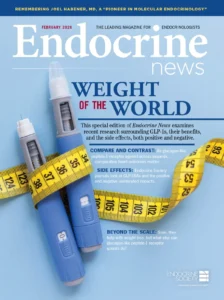
To understand the significance of orforglipron, it is necessary to examine the evolution of GLP-1 receptor agonists. GLP-1 is a naturally occurring hormone produced in the gut that stimulates insulin secretion in response to food, inhibits glucagon release, and slows gastric emptying. Traditionally, GLP-1 therapies have been "peptides"—chains of amino acids that are easily broken down by enzymes in the stomach. This susceptibility to digestion is why most GLP-1 medications, such as semaglutide (Ozempic) and tirzepatide (Mounjaro), are administered via subcutaneous injection.

While an oral version of semaglutide (Rybelsus) currently exists, it remains a peptide. To prevent it from being destroyed by stomach acid, it must be co-formulated with an absorption enhancer and taken at least 30 minutes before any food or drink, with only a small sip of water. Orforglipron represents a departure from this design. As a non-peptide small molecule, it is chemically "sturdy" and does not require a specialized delivery vehicle to survive the digestive tract. This chemical stability allows for a "no-restriction" dosing regimen, meaning patients can take the pill at any time of day, with or without food, which is a major logistical advantage in chronic disease management.
Detailed Findings from ACHIEVE-2: Outperforming SGLT-2 Inhibitors
The ACHIEVE-2 trial focused on adults with type 2 diabetes who were inadequately controlled on metformin, the first-line defense for diabetes management. This study was a randomized, double-blind trial that compared a 36 mg daily dose of orforglipron against dapagliflozin, a widely used SGLT-2 inhibitor. SGLT-2 inhibitors work by preventing the kidneys from reabsorbing glucose back into the blood, instead flushing excess sugar out through urine.
Over a 40-week period, the results demonstrated a clear hierarchy in efficacy. Patients receiving orforglipron saw a mean reduction in A1C levels—a measure of average blood sugar over three months—of 1.7%. In contrast, the group treated with dapagliflozin experienced a reduction of only 0.8%. This 0.9% margin of difference is considered clinically significant in the field of endocrinology, as every percentage point reduction in A1C is associated with a decreased risk of long-term complications such as neuropathy, retinopathy, and kidney disease.
Furthermore, the secondary endpoint of weight loss also favored the GLP-1 candidate. While SGLT-2 inhibitors provide modest weight loss benefits, the hormonal pathway activated by orforglipron led to more substantial reductions in body mass, reinforcing the drug’s dual utility in managing both glucose and obesity—a common comorbidity in type 2 diabetes.
ACHIEVE-5: Enhancing Insulin Therapy
The ACHIEVE-5 trial addressed a more clinically complex patient population: those already utilizing titrated insulin glargine. In this study, researchers sought to determine if adding orforglipron to a background insulin regimen could provide better control than insulin alone. Participants in the study had their insulin doses constantly adjusted (titrated) to reach stable fasting blood sugar levels, ensuring that any improvements observed were truly the result of the added medication.
The findings were even more pronounced in this cohort. Patients who added orforglipron to their insulin regimen achieved an additional A1C reduction of 2.1%, compared to a mere 0.8% reduction in the placebo group. This result is particularly vital for patients who have "plateaued" on insulin or who struggle with the weight gain often associated with intensive insulin therapy. The orforglipron group not only reached lower blood sugar levels but also experienced significant weight loss, effectively counteracting the metabolic side effects of insulin glargine.
Safety Profile and Tolerability
As with all medications in the GLP-1 class, the primary safety concerns revolve around the gastrointestinal (GI) system. The ACHIEVE trials reported that mild-to-moderate GI events—including nausea, vomiting, and diarrhea—were the most frequently cited side effects. These events typically occurred during the dose-escalation phase and tended to diminish over time as patients’ bodies acclimated to the drug.
Importantly, the trials showed no evidence of liver safety concerns, a critical metric for small-molecule drugs which are processed through the liver. Additionally, the data indicated improvements in cardiovascular risk factors, including blood pressure and lipid profiles, mirroring the cardioprotective benefits seen in injectable GLP-1 therapies.
Jeff Emmick, M.D., Ph.D., senior vice president of product development at Lilly Cardiometabolic Health, emphasized the importance of these findings. "Orforglipron has now demonstrated superiority over two active comparators," Emmick stated. "By providing the efficacy of an injectable in a daily pill, we are removing one of the most significant psychological barriers to starting intensive therapy. These results reinforce our belief that orforglipron can become a new standard of care for the global diabetes community."
Chronology of Development and Regulatory Path
The journey of orforglipron from a laboratory concept to a Phase 3 success story has been rapid. Following promising Phase 1 and Phase 2 data which suggested its potency was comparable to injectable semaglutide, Eli Lilly launched the ACHIEVE program to secure global registration.
- Phase 1 & 2 (2022-2023): Initial studies established the safety of the non-peptide structure and identified the optimal dosing range (up to 45 mg).
- Phase 3 Launch (2023-2024): The ACHIEVE trials (1 through 5) were initiated globally to test orforglipron against various standards of care, including oral semaglutide and SGLT-2s.
- Pivotal Data Release (October 2025): Results from ACHIEVE-2 and ACHIEVE-5 confirm the drug’s efficacy in broad populations.
- Future Regulatory Submission (2026): Eli Lilly has indicated that it plans to submit the full data package to the U.S. Food and Drug Administration (FDA) and other global regulatory bodies in 2026.
If the 2026 timeline holds, orforglipron could be commercially available by late 2026 or early 2027, depending on the speed of regulatory review.
Market Implications and Global Impact
The potential approval of orforglipron arrives at a time of unprecedented demand for GLP-1 therapies. The current market is dominated by injectables, which face persistent supply chain shortages and high manufacturing costs due to the complexity of peptide synthesis and the requirement for sterile "cold chain" logistics (refrigerated transport).
Orforglipron offers a solution to several of these challenges. As a small molecule, it can be manufactured using traditional chemical synthesis rather than biological fermentation. This process is generally more scalable and cost-effective, which could lead to a more stable supply and potentially lower price points. Furthermore, because it is a stable tablet, it does not require refrigeration. This makes it an ideal candidate for distribution in developing nations or rural areas where cold-chain infrastructure is unreliable.
Industry analysts suggest that an effective "no-restriction" oral GLP-1 could capture a significant portion of the market currently held by both injectables and older oral medications. While injectables like tirzepatide (Mounjaro/Zepbound) may still offer higher peak weight loss percentages, the convenience of a pill is expected to appeal to a much larger patient demographic, particularly those in the earlier stages of type 2 diabetes who are hesitant to start "the needle."
Conclusion: A New Era in Metabolic Health
The success of the ACHIEVE-2 and ACHIEVE-5 trials marks a definitive shift in the treatment of type 2 diabetes. By proving that a small-molecule agonist can provide the robust glycemic and weight-loss benefits of a hormone-mimicking injectable, Eli Lilly has positioned orforglipron as a potential cornerstone of future therapy.
The ability to deliver 1.7% to 2.1% A1C reductions through a simple daily pill, without the need for strict fasting or water requirements, addresses the most common complaints of both patients and providers. As Eli Lilly moves toward regulatory filing in 2026, the medical community will be watching closely to see if this "Ozempic-in-a-pill" candidate can fulfill its promise of democratizing high-potency metabolic care on a global scale. For now, the data suggests that the future of diabetes management may no longer require a needle, but rather, a more convenient daily tablet.