







For individuals committed to reducing abdominal fat, dietary choices are paramount. Contrary to long-held misconceptions that often demonize dairy in weight management, expert opinion now confirms that certain protein-rich cheeses can be a beneficial inclusion in a strategic weight loss diet. This insight comes from Tara Collingwood, MS, RDN, CSSD, LD/N, ACSM-CPT, a Board Certified Sports Dietitian and co-author of The Flat Belly Cookbook for Dummies. Collingwood emphasizes that while no single food acts as a magic bullet for belly fat loss, "higher-protein cheeses that are easy to portion can support fullness and muscle maintenance, both of which are important for overall fat loss." This detailed analysis explores the specific properties of these recommended cheeses, their nutritional contributions, and how they integrate into a holistic approach to body composition improvement.
Understanding the Role of Protein and Visceral Fat
The pursuit of a leaner physique, particularly the reduction of belly fat, is not merely an aesthetic goal but a critical health imperative. Abdominal fat, specifically visceral fat, which surrounds internal organs, is strongly linked to an increased risk of serious health conditions including type 2 diabetes, heart disease, and certain cancers. A diet strategically designed for fat loss, therefore, prioritizes a calorie deficit while ensuring adequate intake of macronutrients, with protein playing a central role. Protein is renowned for its satiating properties, helping individuals feel fuller for longer and thereby reducing overall caloric intake. It also plays a vital role in preserving muscle mass during weight loss, which is crucial for maintaining a healthy metabolic rate. Muscle tissue burns more calories at rest than fat tissue, making muscle preservation a cornerstone of effective and sustainable weight management.
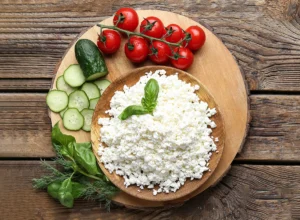

The shift in dietary science over recent decades has moved away from blanket fat restrictions towards a more nuanced understanding of different fat types and the critical importance of protein. Dairy, once viewed with skepticism due to its fat content, is now recognized for its unique nutritional profile, offering high-quality protein, calcium, and other essential micronutrients. The key, as Collingwood highlights, lies in informed selection and mindful portion control.
The Seven Best Cheeses for Belly Fat Management
Integrating these cheeses into a balanced diet can provide flavor, satisfaction, and crucial nutritional support for individuals targeting fat loss.
Cottage Cheese: A Protein Powerhouse for Muscle and Satiety
Cottage cheese stands out as one of the highest-protein cheese options available, making it an exceptional choice for those focused on muscle growth and sustained satiety. A typical half-cup serving of low-fat cottage cheese provides approximately 80-100 calories, 12-14 grams of protein, and only about 2 grams of fat. This impressive protein-to-calorie ratio makes it incredibly efficient for meeting daily protein targets without excessive caloric intake.
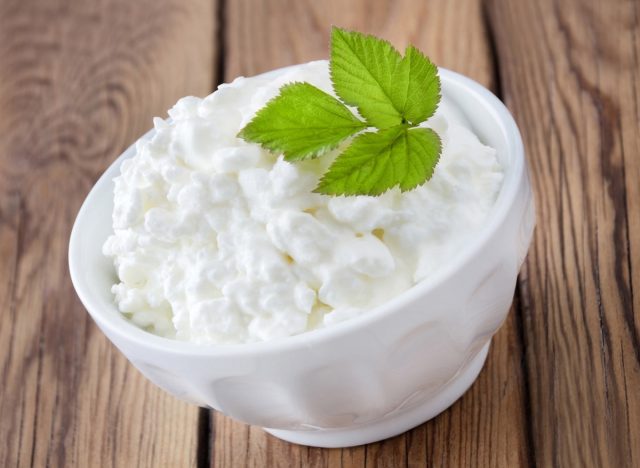
Collingwood explains, "Maintaining muscle is important for metabolism, especially when you’re trying to lose abdominal fat. Low-fat or full-fat can work depending on portions and preferences." The protein in cottage cheese is primarily casein, a slow-digesting protein that provides a steady release of amino acids, supporting muscle repair and growth over several hours. This extended satiety helps curb cravings between meals, a significant advantage in calorie-controlled diets. Its versatility is another major benefit; it can be enjoyed plain, mixed with fruits for a sweet treat, or incorporated into savory dishes like scrambled eggs or as a base for dips. The availability of various fat percentages allows for further customization to individual dietary needs and caloric goals.
Greek-Style Feta: Flavor Intensity for Portion Control
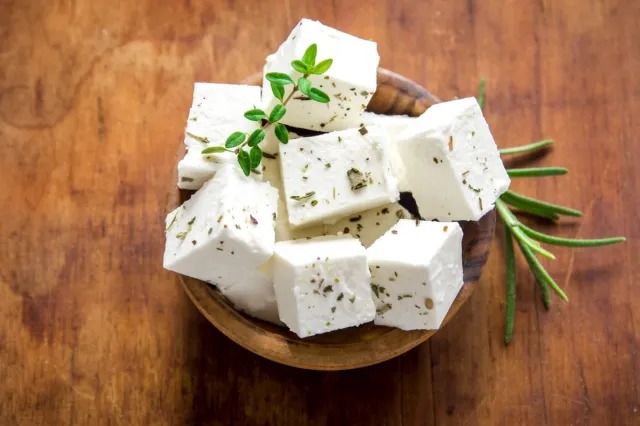
Greek-style feta cheese, with its distinctive salty and tangy profile, offers a unique advantage in a weight loss strategy: its intense flavor naturally encourages smaller portions. "Feta has a strong flavor, so a little goes a long way," Collingwood notes. "That makes it easier to control portions while still adding satisfaction to meals. Great crumbled over salads or roasted vegetables." A one-ounce serving of feta typically contains about 75 calories, 4 grams of protein, and 6 grams of fat.
While its protein content per ounce is lower than cottage cheese, its robust flavor means that a smaller quantity is needed to impart significant taste to a dish, thereby keeping calorie and fat intake in check. Feta is a staple of the Mediterranean diet, widely recognized for its health benefits, including supporting cardiovascular health and weight management. Its crumbly texture and piquant taste can elevate simple meals, adding a gourmet touch to salads, omelets, or roasted vegetables without demanding large serving sizes, thus enhancing the overall eating experience and adherence to dietary plans.
Part-Skim Mozzarella: A Low-Calorie, Convenient Protein Source
Part-skim mozzarella is a highly accessible and versatile cheese that fits well into a fat loss diet due to its relatively low calorie and fat content, combined with a good protein yield. A one-ounce serving typically contains 70-80 calories, 7 grams of protein, and 4-5 grams of fat. "Mozzarella is relatively low in calories and provides protein and calcium, nutrients that support body composition when included in a balanced diet," says Collingwood. "String cheese portions make this especially easy to manage."
The pre-portioned nature of string cheese is particularly advantageous for preventing overconsumption, a common pitfall in weight management. Beyond convenience, mozzarella’s mild flavor makes it adaptable to a wide range of dishes, from an easy snack to an ingredient in cooked meals. Its calcium content is also a notable benefit, as adequate calcium intake has been linked to better body weight regulation and bone health. Opting for part-skim versions ensures a reduction in saturated fat without significantly compromising on taste or texture, making it a smart choice for daily inclusion.
Parmesan: A Hard Cheese with Concentrated Flavor and Protein
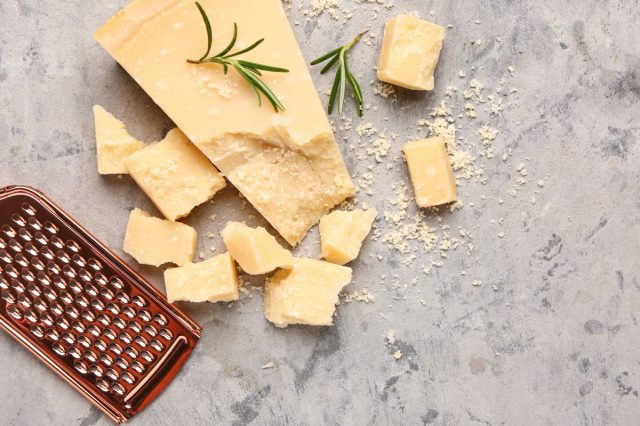
Parmesan, a hard, aged cheese, exemplifies how powerful flavor can be a tool for portion control in a weight loss journey. "Hard cheeses like Parmesan are flavorful and protein-dense, meaning you can use small amounts and still feel satisfied. A tablespoon or two adds big flavor without many calories," Collingwood advises. A one-ounce serving of Parmesan delivers approximately 110 calories, a substantial 10 grams of protein, and 7 grams of fat.
While its calorie and fat content per ounce might seem higher than some other options, the key lies in its intense, umami-rich flavor. A small sprinkle of freshly grated Parmesan can dramatically enhance the taste of pasta, salads, soups, or roasted vegetables, providing a satisfying depth without necessitating large quantities. This concentrated flavor profile allows individuals to enjoy the sensory pleasure of cheese while maintaining a calorie deficit. Its high protein density for a cheese also contributes to satiety, making it a valuable condiment that adds nutritional value and taste satisfaction in controlled amounts.
Swiss Cheese: Lower Sodium for Reduced Bloating
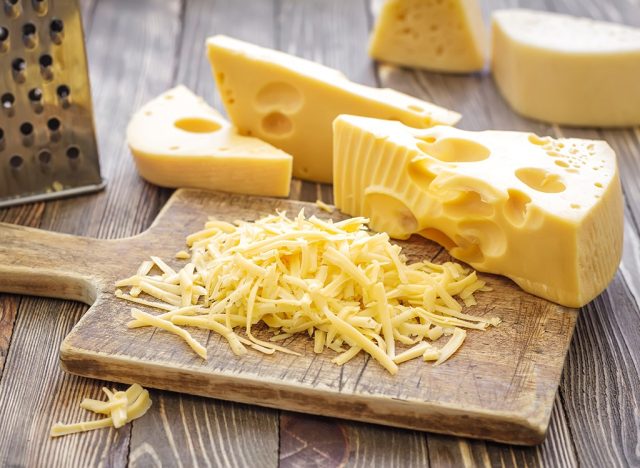
Swiss cheese offers a compelling combination of protein and a comparatively lower sodium content, distinguishing it as a beneficial option for individuals mindful of bloating or water retention. "Swiss cheese offers protein with less sodium than many other cheeses, which can be helpful for people watching their bloating or water retention," says Collingwood. "Pairs well with whole-grain bread or fruit." A one-ounce slice of Swiss cheese contains around 100 calories, 8 grams of protein, and 7 grams of fat.
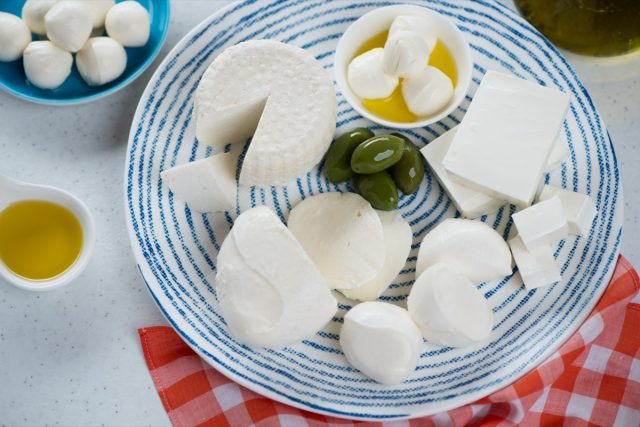
The lower sodium content is a significant advantage, particularly for those who are sensitive to sodium’s effects on fluid balance. High sodium intake can lead to temporary water retention and feelings of puffiness, which can be discouraging during weight loss. Swiss cheese’s mild, nutty flavor makes it a versatile ingredient, suitable for sandwiches, omelets, or alongside fruits, providing a balanced profile of macronutrients and micronutrients. Its protein contribution supports muscle maintenance and satiety, while its reduced sodium helps manage fluid balance, contributing to a more comfortable and visually leaner feeling.
Ricotta (Part-Skim): Versatility in Sweet and Savory Applications
Part-skim ricotta cheese is lauded for its creamy texture and remarkable versatility, making it a valuable asset in a calorie-controlled eating plan. "Ricotta provides protein and calcium and works well in both sweet and savory dishes, making it easier to stick with a calorie-controlled plan," Collingwood states. "Try it with berries or herbs and vegetables." A half-cup serving of part-skim ricotta provides approximately 170 calories, 14 grams of protein, and 10 grams of fat.
Ricotta is unique in its adaptability, effortlessly transitioning from a dessert component (with berries and a touch of honey) to a savory element in lasagna, stuffed shells, or as a spread with herbs and spices. This versatility allows for greater dietary variety and enjoyment, crucial factors for long-term adherence to a weight management plan. The protein in ricotta includes both whey and casein, offering both fast and slow-digesting proteins for immediate and sustained satiety. Its calcium content further supports bone health, making it a nutrient-dense choice that satisfies both sweet and savory cravings within a controlled caloric framework.
Goat Cheese: Tangy Flavor and Digestibility Benefits
Goat cheese, with its distinctive tangy and often earthy flavor profile, provides another excellent option for portion-controlled satisfaction and potential digestive benefits. "Goat cheese is rich and tangy, which helps with portion control, and some people find it easier to digest than cow’s milk cheeses. A little adds creaminess to salads and bowls," Collingwood notes. A one-ounce serving of goat cheese typically contains about 75 calories, 5 grams of protein, and 6 grams of fat.
The rich, piquant flavor of goat cheese means that a small amount can impart a significant taste experience, similar to feta, aiding in natural portion control. Furthermore, some individuals report that goat’s milk products are easier to digest than those made from cow’s milk, potentially due to differences in fat globule size and protein structure. For those with mild sensitivities to cow’s dairy, goat cheese can be a palatable alternative that still delivers protein and calcium. Its creamy texture and bold flavor make it an excellent addition to salads, appetizers, or as a flavorful spread, providing gourmet appeal while supporting dietary goals.
Broader Implications and Sustainable Weight Management
The expert recommendations from Tara Collingwood underscore a broader shift in nutritional guidance: away from restrictive, "good vs. bad" food dichotomies and towards an inclusive approach that emphasizes whole foods, macronutrient balance, and the psychological component of satisfaction. For years, cheese was often unfairly grouped with high-fat, calorie-dense foods to be avoided during weight loss. This updated perspective, grounded in scientific understanding of protein’s role in satiety and muscle metabolism, empowers individuals to enjoy dairy as part of a healthy, sustainable diet.
Incorporating these protein-rich cheeses strategically can have several positive implications beyond just calorie management. The enjoyment derived from eating flavorful foods like cheese can significantly improve adherence to a diet plan, reducing the likelihood of feelings of deprivation that often lead to dietary abandonment. Furthermore, the protein content supports muscle maintenance, which is critical not only for a healthy metabolism but also for functional strength and overall physical well-being. Calcium, abundant in many of these cheeses, contributes to bone density, an essential consideration at all life stages, particularly during periods of weight loss when nutrient intake might be closely monitored.
Successful weight management, especially the challenging task of reducing visceral fat, is a multifaceted endeavor that requires consistency, a balanced diet, regular physical activity, and adequate sleep. The integration of these expert-recommended cheeses into a meal plan exemplifies how mindful food choices, coupled with an understanding of nutritional science, can transform dietary restrictions into enjoyable and effective strategies for long-term health and body composition goals. It is always advisable for individuals embarking on a significant dietary change to consult with a registered dietitian or healthcare professional to tailor advice to their specific health needs and goals. This ensures a personalized and safe approach to achieving and maintaining optimal health.