









Snacking, often misconstrued as an impediment to weight management, is undergoing a significant re-evaluation within nutritional science, particularly concerning the dietary needs of older adults. Far from merely adding superfluous calories, strategic snacking can be a potent tool for optimizing protein intake, managing satiety, and supporting overall physiological health, especially for those over the age of sixty. As the human body undergoes natural metabolic shifts with aging, the deliberate selection of nutrient-dense snacks becomes increasingly critical for maintaining muscle mass, regulating metabolism, and combating the accumulation of visceral fat.
The conventional wisdom that associates snacking with detrimental dietary habits often overlooks its potential as a preventative and restorative measure. For older adults, who face unique challenges such as age-related muscle loss (sarcopenia), decreased basal metabolic rate, and altered hormone regulation impacting appetite and fat storage, thoughtfully chosen snacks can bridge nutritional gaps between meals. These inter-meal mini-meals can provide a steady supply of essential macronutrients and micronutrients, helping to stabilize blood sugar, prevent excessive hunger, and mitigate cravings that might otherwise lead to less healthy food choices.
To shed light on this crucial aspect of senior nutrition, we consulted Tara Collingwood, MS, RDN, CSSD, LD/N, ACSM-CPT, a Board Certified Sports Dietitian and co-author of the Flat Belly Cookbook for Dummies. Collingwood, whose expertise spans sports nutrition and healthy aging, emphasizes that both sweet and savory preferences can be accommodated within a healthful snacking regimen designed to fuel the body effectively. Her recommendations underscore the importance of specific nutrient profiles tailored to address common age-related concerns, including maintaining lean body mass and reducing abdominal adiposity, often referred to as "belly pooch." The following four daily snack recommendations are presented not merely as isolated food items, but as components of a holistic strategy for healthy aging, aiming to support fat loss, muscle health, and metabolic function without necessarily requiring strenuous exercise.
The Evolving Landscape of Senior Nutrition: Why Snacking Matters After 60
Understanding the physiological context of aging is paramount to appreciating the value of strategic snacking. After the age of 50, and particularly beyond 60, several metabolic and physiological changes occur that necessitate a refined approach to diet. Sarcopenia, the progressive loss of muscle mass, strength, and function, accelerates with age, impacting mobility, independence, and overall quality of life. Studies indicate that adults can lose 3-8% of their muscle mass per decade after age 30, with the rate increasing significantly after 60. This muscle loss contributes to a lower resting metabolic rate, making weight management more challenging and increasing the propensity for fat accumulation, particularly around the abdomen. Visceral fat, the fat stored deep within the abdominal cavity, is metabolically active and linked to increased risks of chronic diseases such as type 2 diabetes, cardiovascular disease, and certain cancers.

Hormonal changes also play a significant role. Insulin sensitivity can decrease, making blood sugar regulation more difficult. Appetite-regulating hormones like ghrelin and leptin may also function differently, sometimes leading to reduced appetite or altered satiety signals. Furthermore, older adults may experience reduced nutrient absorption, making it even more vital to consume nutrient-dense foods. In this context, snacks are not merely optional indulgences but essential vehicles for delivering high-quality protein, fiber, and micronutrients consistently throughout the day, supporting the body’s ongoing battle against sarcopenia and metabolic decline.
The timeline of dietary recommendations for older adults has evolved considerably. Historically, the focus was often on calorie restriction to prevent weight gain. However, contemporary nutritional science places a greater emphasis on nutrient density and the strategic timing of macronutrient intake. The concept of "protein pacing," where protein is distributed evenly across meals and snacks, has gained traction as a highly effective strategy for stimulating muscle protein synthesis throughout the day, which is crucial for combating sarcopenia. Fiber intake is also increasingly recognized for its role in digestive health, blood sugar control, and satiety, all of which are critical for older individuals.
1. Greek Yogurt with Berries: A Synergistic Powerhouse for Muscle and Metabolism
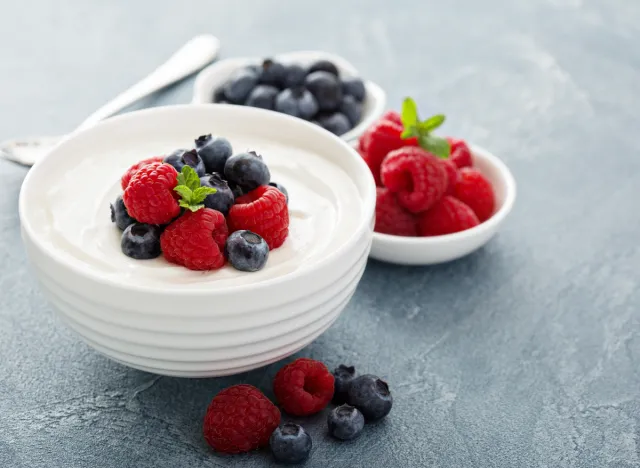
Tara Collingwood’s first recommendation, Greek Yogurt with Berries, exemplifies a perfectly balanced snack designed for the aging body. This combination is a testament to the synergistic power of protein, fiber, and antioxidants, addressing multiple physiological needs simultaneously.
The Protein Advantage: Greek yogurt stands out due to its significantly higher protein content compared to regular yogurt, often providing 15-20 grams of protein per serving. As Collingwood explains, "Protein becomes especially important as we age to help preserve muscle, and Greek yogurt delivers a solid protein boost in a small, easy-to-eat snack." This high protein content is crucial for older adults, whose bodies become less efficient at utilizing protein for muscle repair and synthesis, a phenomenon known as anabolic resistance. Research suggests that older adults may require more protein per meal—around 25-30 grams—to maximally stimulate muscle protein synthesis compared to younger individuals. A Greek yogurt snack can contribute substantially to meeting daily protein targets, which are typically recommended at 1.0-1.2 grams per kilogram of body weight for healthy older adults. Furthermore, Greek yogurt contains both whey and casein proteins. Whey is a fast-digesting protein, providing a rapid amino acid influx to muscles, while casein is slow-digesting, offering a sustained release that can help maintain muscle protein synthesis for longer periods.
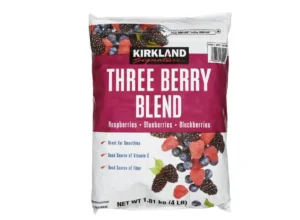
Fiber and Antioxidant Rich Berries: The addition of berries elevates this snack to a comprehensive nutritional offering. "Adding berries adds fiber, which helps keep hunger at bay longer," notes Collingwood. Berries such as blueberries, raspberries, and strawberries are rich in dietary fiber, which aids in digestion, promotes gut health by feeding beneficial gut bacteria, and contributes to satiety. A higher fiber intake is linked to better weight management and reduced risk of chronic diseases. Beyond fiber, berries are powerhouses of antioxidants, including anthocyanins, which combat oxidative stress and inflammation—two factors implicated in aging and chronic disease development. The combined effect of protein and fiber in this snack promotes stable blood sugar levels, preventing the spikes and crashes that can lead to energy dips and increased cravings, thereby supporting fat loss and metabolic stability. Moreover, Greek yogurt provides calcium and vitamin D (if fortified), essential for bone health, which is a significant concern for older adults at risk of osteoporosis. This combination, as Collingwood summarizes, "supports muscle health, digestion, and steady energy."
2. Harvest Snaps with Hummus or Cottage Cheese: Satisfying Cravings with Nutrient Density
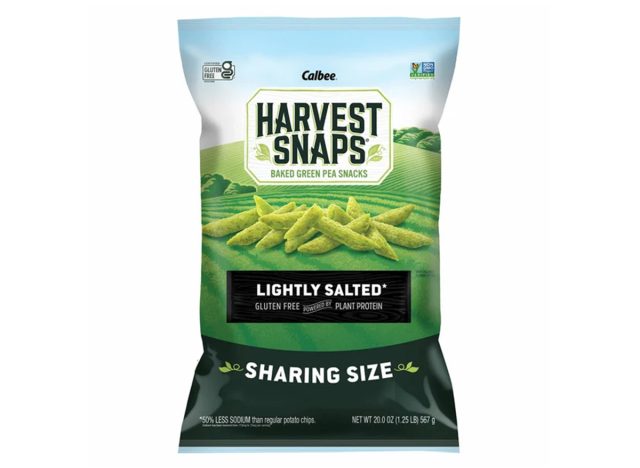
For those who crave a savory and crunchy snack, Harvest Snaps paired with hummus or cottage cheese offers a compelling alternative to traditional processed snacks. This option cleverly addresses textural preferences while delivering significant nutritional benefits crucial for older adults.
Plant-Based Protein and Fiber from Harvest Snaps: Collingwood highlights the inherent nutritional value of Harvest Snaps: "Harvest Snaps Lightly Salted are made from real veggies, so they naturally provide 4g of fiber and 5g of satiating, whole food-sourced protein." These baked green pea or lentil snacks offer a superior profile to many potato or corn-based chips. The fiber content supports digestive regularity, which can be a common issue in older adults, and contributes to the feeling of fullness. The plant-based protein, while not as high as animal protein per serving, is valuable, especially when combined with other protein sources. The "lightly salted" variety helps manage sodium intake, a concern for many older adults.
Boosting Protein with Dips: The genius of this recommendation lies in its pairing. "Pairing them with hummus or cottage cheese adds even more protein," Collingwood emphasizes. Hummus, made from chickpeas, tahini, olive oil, and lemon juice, provides not only additional plant-based protein and fiber but also healthy monounsaturated fats. These fats contribute to satiety and are beneficial for cardiovascular health. Cottage cheese, on the other hand, is a dairy-based option offering a substantial amount of complete protein, primarily casein. Casein is a slow-digesting protein, providing a sustained release of amino acids, which is excellent for prolonged satiety and continuous muscle support. It is also a good source of calcium. This combination effectively satisfies the desire for crunch and savory flavors without compromising nutritional goals. "The crunch satisfies cravings, while protein and fiber work together to promote fullness," Collingwood concludes, illustrating how this snack effectively manages hunger and contributes to metabolic health.
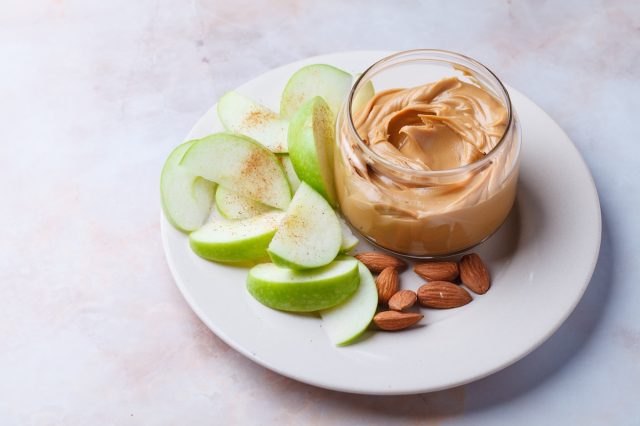
3. Apple Slices with Peanut or Almond Butter: The Classic Duo for Blood Sugar Stability
The simple yet powerful combination of Apple Slices with Peanut or Almond Butter is a timeless snack that holds particular relevance for individuals over fifty and sixty, focusing on blood sugar regulation and sustained energy.
Fiber and Nutrient Synergy: "Fiber from fruit plus protein and fat from nut butter is a classic combination that works especially well after 50, when blood sugar stability and satiety really matter," Collingwood explains. Apples are rich in dietary fiber, particularly pectin, a soluble fiber known for its ability to slow digestion and regulate blood sugar levels. Pectin also acts as a prebiotic, fostering a healthy gut microbiome. The natural sugars in apples are buffered by this fiber, preventing rapid glucose spikes.
The Power of Nut Butters: Peanut and almond butter provide a robust blend of healthy fats (monounsaturated and polyunsaturated), plant-based protein, and various micronutrients such as vitamin E, magnesium, and potassium. The healthy fats are critical for satiety and overall cardiovascular health. The protein content further contributes to muscle maintenance and sustained energy release. For older adults, who may be at higher risk for insulin resistance, maintaining stable blood sugar is paramount for preventing type 2 diabetes and managing existing conditions. This snack’s balanced macronutrient profile ensures a gradual release of energy, preventing the energy crashes that can lead to unhealthy snacking. "This snack is portable, satisfying, and easy to adjust for appetite," Collingwood adds, highlighting its practicality for daily life. Opting for natural nut butters with minimal added sugars and unhealthy oils further enhances its health benefits.
4. Smoothie with Protein and Fiber: Customizable Nutrition on the Go
The final recommendation, a Smoothie with Protein and Fiber, offers unparalleled versatility and convenience, making it an ideal choice for older adults with varying dietary needs and preferences, especially when appetite may be diminished or chewing becomes difficult.
Comprehensive Nutrient Delivery: "A small smoothie with protein powder, berries, and chia or flax offers both protein and fiber in a convenient form," says Collingwood. This recommendation underscores the smoothie’s potential as a nutrient delivery system. Protein powder (whey, casein, soy, pea, or other plant-based options) is the cornerstone, ensuring a substantial protein boost crucial for muscle protein synthesis. For individuals struggling to meet protein requirements through solid foods, a protein-rich smoothie can be a game-changer.
Fiber and Micronutrient Enrichment: The addition of berries contributes essential fiber, vitamins, and antioxidants, similar to the Greek yogurt pairing. Berries also add natural sweetness without the need for excessive added sugars. Chia or flax seeds are nutritional powerhouses, providing omega-3 fatty acids (alpha-linolenic acid, ALA), which are beneficial for heart and brain health, along with soluble and insoluble fiber. These seeds contribute to satiety and digestive health. Other additions like spinach or kale can further enhance the micronutrient profile without significantly altering the taste.
Customization and Practicality: The beauty of a smoothie lies in its customizability. "You can customize the type of protein you prefer and drink it at your desk or on the go," Collingwood notes. This adaptability is particularly beneficial for older adults who might have specific dietary restrictions, allergies, or texture preferences. For those experiencing reduced appetite, a nutrient-dense liquid meal can be more appealing and easier to consume than solid food, preventing unintentional weight loss and nutrient deficiencies. The convenience of preparing a smoothie in advance or quickly blending one before leaving the house ensures that healthy nutrition is always accessible, supporting consistent energy levels and metabolic function throughout the day.
Broader Implications and Long-Term Impact
The strategic integration of these types of snacks into the daily diet of individuals over sixty carries significant broader implications for public health and individual well-being. By consistently providing the body with adequate protein and fiber, older adults can actively combat sarcopenia, maintaining strength, balance, and mobility, which are crucial for preventing falls and preserving independence. The emphasis on blood sugar stability through balanced macronutrient intake helps to manage or prevent conditions like type 2 diabetes, a growing concern in the aging population.
Furthermore, reducing visceral fat through controlled calorie intake and improved metabolic regulation lessens the risk of cardiovascular disease, metabolic syndrome, and other inflammatory conditions. The cumulative effect of these small, consistent dietary choices can lead to a higher quality of life, increased vitality, and reduced reliance on healthcare interventions. Expert consensus in gerontological nutrition increasingly supports personalized dietary approaches that prioritize nutrient density and protein adequacy, aligning perfectly with the principles behind Collingwood’s snack recommendations. These guidelines provide a practical framework that empowers older adults to take proactive steps toward healthier aging, demonstrating that even seemingly minor dietary adjustments, like smart snacking, can yield profound and lasting health benefits. While these snacks offer significant advantages, it is always advisable for individuals to consult with a healthcare professional or registered dietitian for personalized dietary advice tailored to their specific health conditions and needs.