










For individuals navigating the physiological shifts that accompany aging, particularly those over the age of 55, the conventional wisdom surrounding late-night eating is undergoing a significant re-evaluation. Far from being a dietary taboo, strategic snacking before bedtime is emerging as a critical tool for supporting metabolism, preserving muscle mass, and maintaining healthy weight, according to leading dietitians. This paradigm shift emphasizes informed choices over blanket restrictions, recognizing the unique nutritional needs of an aging population.
Tara Collingwood, MS, RDN, CSSD, LD/N, ACSM-CPT, a Board Certified Sports Dietitian and co-author of the Flat Belly Cookbook for Dummies, underscores this evolving understanding. "After 55, muscle loss and blood sugar fluctuations can make weight management harder," Collingwood explains. "A protein and fiber-rich bedtime snack supports muscle maintenance, better sleep, and appetite control, all of which contribute to fat loss over time." She clarifies that while no food literally burns fat overnight, the right pre-sleep nutrition can profoundly influence the body’s metabolic processes, muscle recovery, blood sugar stability, and sleep quality – all key determinants of sustainable weight management and overall health.
The Physiological Landscape After 55: Why Nighttime Nutrition Matters


The human body undergoes a series of complex changes as it ages, collectively impacting metabolic efficiency and body composition. Understanding these shifts provides the essential context for why targeted nutritional strategies, including thoughtful bedtime snacking, become increasingly vital.
- Sarcopenia: The Silent Loss of Muscle: Beginning as early as age 30, but accelerating significantly after 50, individuals experience sarcopenia, the progressive and involuntary loss of skeletal muscle mass, strength, and function. The rate of muscle loss can be as high as 3-8% per decade after the age of 30, and even higher after 60. Muscle tissue is metabolically active, meaning it burns more calories at rest than fat tissue. Consequently, a decline in muscle mass directly contributes to a reduction in basal metabolic rate (BMR), making it harder to maintain or lose weight even if caloric intake remains constant. Furthermore, muscle protein synthesis (MPS), the process by which muscles repair and grow, becomes less efficient with age, a phenomenon known as anabolic resistance. This means older adults require a higher relative intake of protein to stimulate MPS effectively.
- Metabolic Slowdown and Hormonal Shifts: Beyond muscle loss, general metabolic slowdown is a common experience after 55. This is influenced by decreased physical activity levels, changes in hormone production (such as a decline in growth hormone, testosterone in men, and estrogen in women post-menopause), and alterations in cellular energy production. These factors collectively contribute to a body that is more prone to fat accumulation and less efficient at burning calories. Hormonal fluctuations, particularly around menopause, can also lead to changes in fat distribution, often shifting towards increased abdominal fat, which is metabolically detrimental.
- Blood Sugar Dysregulation: Insulin sensitivity can diminish with age, leading to more pronounced blood sugar fluctuations. After-dinner spikes followed by nighttime dips can disrupt sleep, trigger cravings, and contribute to insulin resistance over time. Stable blood sugar levels are crucial for sustained energy, appetite control, and preventing the body from storing excess glucose as fat.
- Declining Sleep Quality: Sleep disturbances become more prevalent with age, impacting everything from cognitive function to metabolic health. Poor sleep quality or insufficient sleep has been linked to increased levels of ghrelin (the hunger hormone) and decreased leptin (the satiety hormone), leading to increased appetite and cravings for high-calorie foods. Additionally, sleep deprivation can exacerbate insulin resistance, further complicating weight management.
Given these interconnected challenges, the notion of "eating nothing before bed" may be counterproductive for older adults. Instead, providing the body with the right nutrients at night can actively mitigate these age-related declines, fostering an environment conducive to muscle preservation, metabolic support, and restorative sleep.
The Evolution of Dietary Advice: From Restriction to Optimization
For decades, popular diet culture often preached strict abstinence from food after a certain evening hour, typically 6 or 7 PM, under the assumption that all calories consumed close to bedtime would automatically convert to fat. This simplistic view, while perhaps well-intentioned, overlooked the complexities of human metabolism and the specific needs of different demographics.
Modern nutritional science, particularly advancements in chrononutrition (the study of how food timing affects health) and gerontological nutrition, has significantly refined this perspective. Researchers now understand that the type of food consumed, rather than merely the time of consumption, is the paramount factor. The focus has shifted from calorie restriction alone to nutrient timing and composition, especially for populations with specific physiological demands, such as athletes and older adults. The understanding that protein intake before sleep can enhance overnight muscle protein synthesis, crucial for recovery and preventing sarcopenia, has been a significant breakthrough. Similarly, the role of fiber in stabilizing blood glucose and promoting satiety has reinforced the benefits of balanced, nutrient-dense snacks. This evolution reflects a broader movement towards personalized and evidence-based dietary recommendations, moving away from one-size-fits-all rules.
Five Bedtime Snacks for Enhanced Metabolism and Well-being After 55
Here are five dietitian-approved bedtime snacks, meticulously chosen for their synergistic benefits in supporting metabolism, muscle maintenance, blood sugar control, and sleep quality in individuals over 55.
-
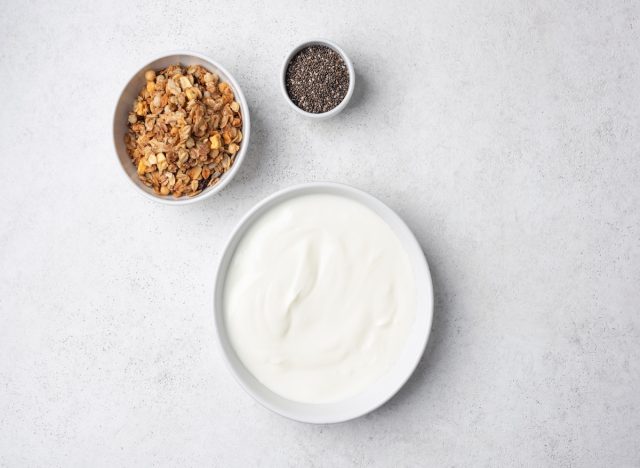
Greek Yogurt with Chia or Flax Seeds

- The Science: Greek yogurt is a powerhouse of protein, particularly casein, a slow-digesting milk protein. Casein forms a gel in the stomach, releasing amino acids gradually over several hours, ensuring a sustained supply for muscle protein synthesis throughout the night. This is especially beneficial for older adults combating anabolic resistance, as it maximizes the window for muscle repair and maintenance. A typical serving of plain Greek yogurt can provide 15-20 grams of protein.
- Adding Value: Chia seeds and flax seeds are rich in soluble fiber, which forms a gel-like substance in the digestive tract. This fiber slows the absorption of sugars into the bloodstream, preventing abrupt blood glucose spikes and subsequent crashes. Stable blood sugar levels are crucial for preventing midnight hunger pangs and supporting consistent energy regulation. Both seeds are also excellent sources of Omega-3 fatty acids (alpha-linolenic acid, ALA), which have anti-inflammatory properties and contribute to overall cardiovascular health.
- Expert Insight: Collingwood emphasizes, "Greek yogurt provides protein that supports muscle maintenance overnight, which is important because muscle plays a key role in metabolism as we age. Adding chia or flax brings fiber, which helps stabilize blood sugar while you sleep. This combo supports satiety and prevents late-night hunger."
-
Cottage Cheese with Berries
- The Science: Similar to Greek yogurt, cottage cheese is an exceptional source of casein protein, offering a sustained release of amino acids for overnight muscle repair. Its unique curdy texture also contributes to a feeling of fullness. The protein content varies but can range from 12-15 grams per half-cup serving. The benefits of slow-digesting protein are particularly pronounced in older adults, who need to be more deliberate about protein timing to counteract sarcopenia.
- Adding Value: Berries (strawberries, blueberries, raspberries, blackberries) are low in calories and sugar but packed with dietary fiber and a wealth of antioxidants. Antioxidants combat oxidative stress and inflammation, which are implicated in various age-related chronic diseases. The fiber content in berries further aids in blood sugar stabilization and promotes healthy digestion.
- Expert Insight: "Cottage cheese is rich in slow-digesting protein, which can support overnight muscle repair," Collingwood notes. "That matters later in life, when preserving lean mass helps support fat loss over time. Berries add fiber and antioxidants without excess sugar."
-
A Small Protein Smoothie
- The Science: A protein smoothie offers a customizable and easily digestible option, ideal for those who prefer not to chew solid food close to bedtime. The choice of protein powder (whey, casein, or plant-based like pea or soy) provides a concentrated dose of amino acids to fuel muscle recovery. Whey protein, while fast-acting, can still contribute to overall daily protein targets, and blending it with slower-digesting milk (like dairy milk with casein) or plant-based milk and fiber can create a more sustained release.
- Adding Value: Incorporating milk or soy milk not only adds more protein but also provides essential nutrients like calcium and vitamin D, crucial for bone health, which is particularly important for older adults. Fiber-rich ingredients like a handful of spinach (barely detectable in taste), half a banana, or a tablespoon of chia seeds can be blended in to further enhance satiety and blood sugar control without making the smoothie overly heavy.
- Expert Insight: Collingwood suggests, "A light smoothie with protein powder, milk or soy milk, and fiber-rich ingredients can support muscle recovery overnight without feeling heavy before bed. This works well for people who don’t want to chew late at night."
-
Apple Slices with Nut Butter
- The Science: This classic combination offers a balanced mix of macronutrients. Apples are a good source of soluble and insoluble fiber, particularly pectin, which contributes to satiety and helps regulate blood glucose levels. The fiber slows the digestive process, preventing rapid sugar spikes.
- Adding Value: Nut butters (almond, peanut, cashew) provide healthy monounsaturated and polyunsaturated fats, which are heart-healthy and contribute significantly to satiety. They also offer a modest amount of plant-based protein. The combination of fiber, protein, and healthy fats ensures a gradual release of energy, preventing the nighttime blood sugar dips that can disrupt sleep and trigger morning cravings for unhealthy foods. Many nut butters also contain magnesium, a mineral known for its role in relaxation and sleep quality.
- Expert Insight: "Fiber from fruit paired with protein and healthy fats helps prevent nighttime blood sugar dips that can disrupt sleep and lead to next-day cravings," Collingwood states. "Sleep quality and blood sugar stability are key to weight management."
-
Handful of Nuts with a Protein Source

- The Science: Nuts (almonds, walnuts, pistachios, pecans) are nutrient-dense powerhouses, offering healthy fats, fiber, and some plant-based protein. They are also rich in micronutrients like magnesium, zinc, and selenium, which play roles in metabolic function and sleep regulation. For instance, magnesium is a natural muscle relaxant and can promote better sleep.
- Adding Value: While nuts are beneficial on their own, pairing them with an additional protein source amplifies their metabolic benefits. A small serving of nuts alongside a glass of milk, a mini Greek yogurt, or a slice of low-fat cheese creates a more balanced snack. This combination ensures a more substantial protein intake for overnight muscle support and enhances the feeling of fullness. Portion control is essential due to the calorie density of nuts.
- Expert Insight: "Nuts provide healthy fats and some fiber, but pairing them with a protein source like yogurt or milk helps keep the snack balanced and more filling," Collingwood advises. "Portion control matters here, small but satisfying."
Broader Implications and Public Health Impact
The insights from dietitians like Tara Collingwood have significant implications for public health, particularly as global populations age. Promoting strategic nighttime snacking is not merely about weight control; it’s about fostering healthy aging, enhancing quality of life, and potentially mitigating the burden of age-related chronic diseases.
- Combating Chronic Disease: By stabilizing blood sugar, supporting muscle mass, and improving sleep, these snack choices can play a preventative role in conditions like Type 2 Diabetes, cardiovascular disease, and osteoporosis. Maintaining lean muscle mass is crucial for metabolic health and reducing the risk of falls and frailty in later life.
- Enhancing Quality of Life: Better sleep, stable energy levels, and reduced cravings translate into improved mood, cognitive function, and overall well-being. This empowers older adults to maintain independence and engage more actively in their communities.
- Practicality and Accessibility: The recommended snacks are generally accessible, affordable, and easy to prepare, making them practical additions to most diets. This widespread applicability increases the potential for positive public health impact.
- Shifting Healthcare Focus: By emphasizing proactive nutritional strategies, healthcare providers can empower individuals to take greater control over their health outcomes, potentially reducing reliance on pharmacological interventions for metabolic issues.
Conclusion: A Mindful Approach to Nighttime Nourishment
The prevailing narrative around late-night eating for individuals over 55 has evolved from one of prohibition to one of mindful optimization. The expert consensus, championed by dietitians like Tara Collingwood, highlights that the right bedtime snack is not a guilty indulgence but a powerful dietary tool. By strategically incorporating protein and fiber, older adults can actively support their metabolism, preserve vital muscle mass, regulate blood sugar, and improve sleep quality. These integrated benefits collectively contribute to sustainable weight management and a more vibrant, healthier aging experience. As research continues to unravel the intricate connections between diet, aging, and metabolic health, the message is clear: a small, well-chosen snack before bed can be a significant step towards a healthier tomorrow. However, it is always recommended to consult with a healthcare professional or a registered dietitian for personalized dietary advice, especially for individuals with pre-existing health conditions or specific dietary restrictions.