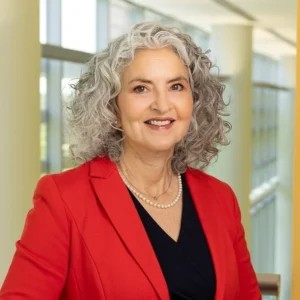










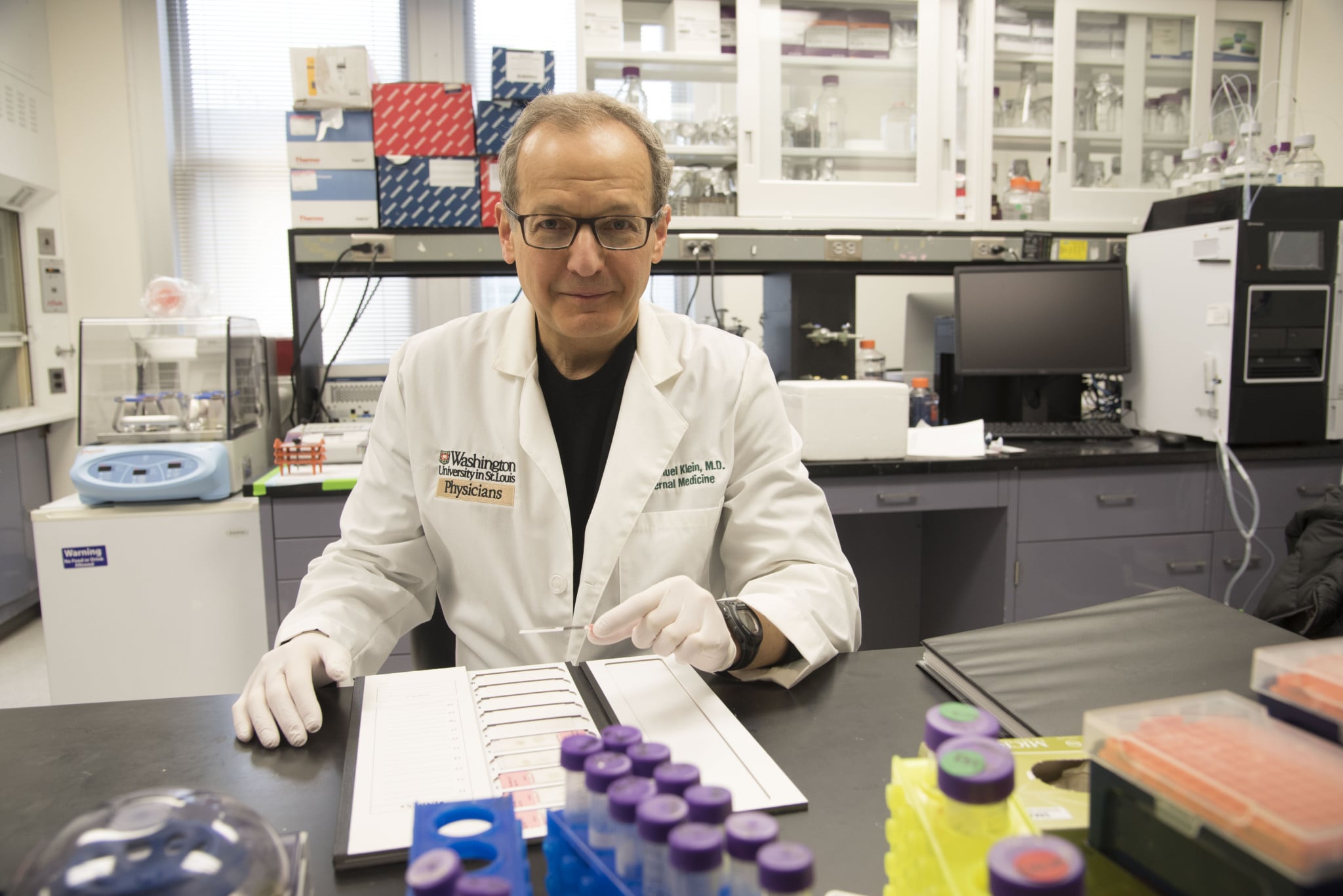
The Endocrine Society has officially announced that Samuel Klein, MD, the William H. Danforth Professor of Medicine and Nutritional Science at Washington University School of Medicine in St. Louis, is the 2026 recipient of the Outstanding Clinical Investigator Laureate Award. This prestigious recognition honors a career spanning more than three decades, during which Dr. Klein has fundamentally reshaped the medical community’s understanding of obesity, metabolic health, and the physiological mechanisms that dictate how excess body fat influences disease progression. As the director of the Center for Human Nutrition and the Division of Nutritional Science & Obesity Medicine, Klein has remained at the forefront of translational science, bridging the gap between bench-side discovery and bedside clinical application.
The award comes at a critical juncture in global public health, as obesity rates continue to climb, bringing with them a surge in related metabolic disorders. Klein’s work has been instrumental in addressing the "obesity paradox"—the observation that while obesity is a primary driver of chronic illness, a significant subset of the population with obesity remains metabolically healthy. By investigating the nuances of fat biology, Klein has sought to identify the specific pathways that protect some individuals from the adverse effects of adiposity while predisposing others to life-threatening conditions.
A Legacy of Clinical Inquiry and Academic Excellence
Dr. Klein’s journey into the complexities of human metabolism began with a rigorous multi-disciplinary education. He earned his medical degree from Temple University, but his interest in the molecular underpinnings of health led him to the Massachusetts Institute of Technology (MIT), where he obtained a master’s degree in nutritional biochemistry and metabolism. This dual focus on clinical medicine and biochemical research provided the foundation for his later work in human subjects.

Following his initial medical training, Klein completed a fellowship in gastroenterology at Mount Sinai Hospital in New York. This specialization allowed him to explore the digestive system’s role in nutrient absorption and metabolic regulation. In 1994, he joined the faculty at Washington University School of Medicine in St. Louis, an institution where he would eventually lead several major research centers. His long-standing tenure at Washington University has allowed him to build a robust infrastructure for studying obesity, attracting top-tier trainees and staff who have contributed to his laboratory’s extensive body of work.
Throughout his career, Klein has maintained a singular focus: the pathogenesis and pathophysiology of obesity and diabetes. His research has not only explored why obesity occurs but has also focused on the mechanisms through which weight loss reverses metabolic damage. This dual approach—studying both the onset of disease and the recovery process—has provided clinicians with a roadmap for managing patients with varying degrees of metabolic risk.
Decoding the Heterogeneity of Obesity
The central theme of Dr. Klein’s research is the heterogeneity of obesity. Historically, the medical community viewed obesity through a monolithic lens, often relying solely on Body Mass Index (BMI) to assess risk. However, Klein’s work has demonstrated that BMI is an incomplete metric. His studies have highlighted the existence of "metabolically healthy obesity" (MHO), a state where individuals possess a high percentage of body fat but do not exhibit typical complications such as insulin resistance, hypertension, or atherogenic dyslipidemia.
Conversely, Klein has investigated "metabolically unhealthy obesity," where even modest amounts of excess fat can trigger a cascade of issues, including prediabetes, type 2 diabetes, and cardiovascular disease. One of his most significant contributions has been the exploration of fat distribution and its metabolic consequences. His research has helped clarify the role of visceral fat (fat stored around internal organs) versus subcutaneous fat (fat stored just under the skin), as well as the impact of fat accumulation in the liver—a condition now referred to as metabolic dysfunction-associated steatotic liver disease (MASLD).
By utilizing advanced techniques such as stable isotope tracer methods and tissue biopsies in human subjects, Klein has been able to observe multi-organ system biology in real-time. This "whole-body" approach allows for a more comprehensive understanding of how the liver, muscles, and adipose tissue communicate and how this communication breaks down in the presence of metabolic disease.
Supporting Data and the Global Obesity Landscape
The significance of Dr. Klein’s work is underscored by current health statistics. According to the Centers for Disease Control and Prevention (CDC), the prevalence of obesity in the United States reached approximately 41.9% in recent years, a significant increase from the 30.5% reported two decades ago. Globally, the World Health Organization (WHO) estimates that over 650 million adults are living with obesity.
The economic and clinical burden of obesity-related diseases is staggering. Data suggests that the annual medical cost of obesity in the U.S. is nearly $173 billion. Furthermore, obesity is a primary risk factor for type 2 diabetes, which affects more than 37 million Americans. Klein’s research into the "metabolic spectrum" provides the data necessary to move toward precision medicine in obesity treatment. By identifying which patients are at the highest risk for complications, healthcare providers can prioritize aggressive interventions for those who need them most, while monitoring others through different therapeutic lenses.
Klein’s work on weight loss has also provided quantifiable data on how even modest reductions in body weight (5% to 10%) can lead to profound improvements in multi-organ insulin sensitivity and adipose tissue function. These findings have been pivotal in setting clinical guidelines for weight management and diabetes prevention.
Professional Recognition and Peer Reactions
The nomination of Dr. Klein for the 2026 Laureate Award was supported by leading figures in the field of endocrinology. Rexford S. Ahima, MD, PhD, the director of the Division of Endocrinology, Diabetes and Metabolism at Johns Hopkins University School of Medicine, emphasized Klein’s unique position as a physician-scientist. Ahima noted that Klein’s ability to conduct intricate studies in human subjects is essential for understanding the real-world pathogenesis of disease, rather than relying solely on animal models.
"He is a unique physician-scientist who conducts studies in human subjects that are directed at understanding the pathogenesis and pathophysiology of obesity and diabetes in an effort to ultimately improve health and clinical care," Ahima stated in his nomination. This sentiment is echoed across the scientific community, where Klein is regarded as a pioneer in human metabolic research.
The Endocrine Society’s Laureate Awards are considered among the highest honors in the field, recognizing individuals who have made significant contributions to endocrine research and clinical practice. By naming Klein the Outstanding Clinical Investigator, the Society acknowledges not only his past achievements but also the ongoing relevance of his research in an era of personalized medicine.
Future Implications and the Path Toward New Therapies
Looking forward, Dr. Klein hopes his recognition will further stimulate interest in the study of metabolic heterogeneity. By focusing on the extremes of the spectrum—the very healthy and the very unhealthy—researchers can identify protective genetic or environmental factors. This could lead to the development of novel pharmacological agents that mimic the protective mechanisms found in metabolically healthy individuals.
"We hope that our work encourages the study of groups of people at the two ends of the metabolic heterogeneity spectrum," Klein remarked. "A better understanding of the mechanisms responsible for the ends of the spectrum will provide insights into the mechanisms that can cause or prevent obesity-related metabolic diseases and identify novel pathways for therapeutic intervention."
This approach aligns with the broader shift in medicine toward identifying biomarkers that can predict disease before it manifests clinically. If researchers can determine why a specific individual’s adipose tissue is prone to inflammation and insulin resistance, they can intervene more effectively at an earlier stage.
Advice for the Next Generation of Scientists
Despite his extensive list of accolades, Dr. Klein remains committed to the fundamental principles of scientific inquiry. His advice to aspiring investigators is rooted in humility and a commitment to objective truth. He stresses the importance of "following the data," even when it contradicts a long-held hypothesis.
"It is important to follow the data and not become personally invested in a particular hypothesis," Klein advised. "Research is an exploration to find the truth. There is nothing wrong in being wrong, but it’s a mistake to remain locked into a position that is not supported by new data."
This philosophy has been a hallmark of his career, allowing him to pivot and evolve as new technologies and data sets emerged. It is this adaptability that has kept his research relevant for over 30 years in a rapidly changing field.
Personal Reflections and the Balance of a Scientific Life
While Dr. Klein’s professional life has been defined by rigorous study and academic leadership, he also reflects on the importance of life outside the laboratory. When asked what he might change if he could turn back the clock, he noted a desire for more balance, suggesting that the all-consuming nature of high-level research can sometimes come at the cost of personal leisure.
"I would have spent less time at work and more time developing hobbies that I could pursue in retirement," he admitted. Today, he finds his escape through physical exercise and the immersive world of true crime novels, activities that allow him to "unplug" from the complexities of metabolic biochemistry.
As the 2026 Laureate, Dr. Klein stands as a testament to the impact that dedicated clinical investigation can have on global health. His work has moved the needle on obesity from a simple matter of "calories in versus calories out" to a sophisticated understanding of human biology, offering hope for more effective, individualized treatments in the years to come. The Endocrine Society’s recognition serves as a fitting tribute to a career that has consistently sought the truth behind one of modern medicine’s most perplexing dilemmas.