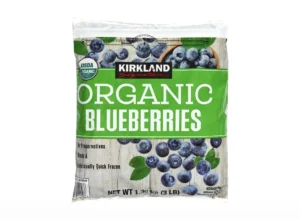










In an era where time is a precious commodity and healthy eating often feels like a luxury, a Board Certified Sports Dietitian offers crucial insights into how frozen foods can be effectively integrated into a weight management strategy. Tara Collingwood, MS, RDN, CSSD, LD/N, ACSM-CPT, and co-author of the Flat Belly Cookbook for Dummies, highlights that convenience does not have to compromise nutritional goals, particularly for those embarking on new year resolutions centered around weight loss. Her guidance emphasizes selecting frozen items that are not only low in calories but also balanced in macronutrients, rich in protein and fiber, and mindful of sodium content. This approach challenges conventional perceptions of frozen meals, positioning them as valuable tools for sustained satiety and dietary adherence when chosen with discernment.
The Evolving Landscape of Frozen Foods and Nutritional Science
The perception of frozen foods has undergone a significant transformation over the past few decades. Historically, frozen meals were often synonymous with highly processed, high-sodium, and low-nutrient options. However, advancements in food technology, coupled with growing consumer demand for healthier, convenient alternatives, have led to a diversification of offerings in the frozen aisle. Today, manufacturers are increasingly focusing on products that align with contemporary dietary guidelines, featuring whole grains, lean proteins, and a greater abundance of vegetables, often with reduced artificial additives.


Dietitians like Collingwood advocate for a strategic approach to the frozen food section, viewing it as an extension of a well-stocked pantry rather than a last resort. The core principle revolves around informed label reading. Key metrics for selection include calorie count, aiming for options that support a caloric deficit without sacrificing nutritional density. Crucially, the presence of adequate protein (ideally at least 20 grams per serving) and fiber is paramount. Protein is renowned for its role in satiety, helping to reduce overall calorie intake by keeping individuals feeling fuller for longer. Fiber, similarly, contributes to satiety, aids digestive health, and can help regulate blood sugar levels. A balanced meal incorporating these elements can prevent post-meal hunger pangs and reduce the likelihood of snacking on less healthy alternatives.
Sodium content is another critical factor. Many traditional frozen meals are notorious for their high sodium levels, which can contribute to fluid retention, elevated blood pressure, and other health concerns. Collingwood recommends seeking meals with under approximately 600 mg of sodium per serving. This threshold aligns with general dietary advice for moderating sodium intake, particularly for individuals managing hypertension or at risk of cardiovascular disease. Beyond these primary criteria, consumers are encouraged to look for meals that prioritize lean proteins and a variety of vegetables, steering clear of heavily processed options laden with excessive fats or sugars.
Expert Insights on Strategic Frozen Food Selection
Collingwood’s framework for selecting beneficial frozen foods is rooted in principles of balanced nutrition and practical application. She stresses that frozen meals, while convenient, can often benefit from simple additions to enhance their nutritional profile and volume. Incorporating a side of plain yogurt, a piece of fresh fruit, or additional steamed or raw vegetables can effectively "round out" a meal, increasing its fiber and nutrient density without significantly boosting calories. This strategy not only improves satiety but also ensures a broader spectrum of micronutrients.
The underlying rationale is to empower individuals to make choices that align with their weight loss objectives, even when cooking from scratch is not feasible. The consistency and predictability of frozen portion sizes can be a distinct advantage for those learning about portion control, a fundamental aspect of weight management. By providing a structured, pre-portioned meal, frozen options can remove some of the guesswork and potential for overeating that can occur with home-cooked or restaurant meals.
The Role of Convenience in Sustained Weight Management
The demands of modern life—long work hours, family responsibilities, and busy social schedules—often leave little time for meal preparation. This lack of time is a significant barrier to maintaining healthy eating habits, frequently leading individuals to opt for less healthy fast food or takeout options. Frozen meals, when selected judiciously, offer a practical solution. They require minimal preparation, typically just a few minutes in a microwave or oven, making them accessible even on the most hectic days. This convenience is not merely about saving time; it’s about reducing the cognitive load associated with meal planning and cooking, thereby increasing the likelihood of adherence to a dietary plan over the long term. Sustainable weight loss is often more about consistency and habit formation than drastic, short-term changes, and convenient healthy options play a vital role in fostering that consistency.
Recommended Frozen Food Brands and Categories for Weight Loss
Based on these principles, Collingwood identifies several brands and categories of frozen foods that stand out for their ability to support weight loss and satisfaction.
-
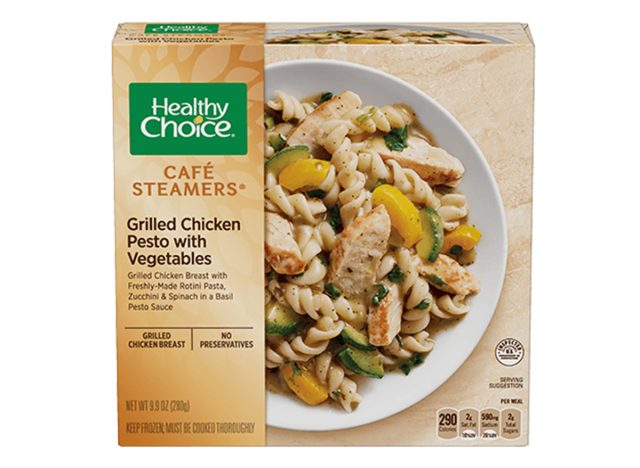
Healthy Choice Frozen Meals: This brand is frequently cited for its commitment to portion-controlled meals that are generally lower in calories while providing a good balance of protein and vegetables. Specific options like their Grilled Chicken & Veggie Bowls or Cauliflower Curry Power Bowls exemplify this approach. These meals are designed to be nutritionally complete, offering a mix of macronutrients that contributes to sustained energy and fullness. The emphasis on vegetables increases fiber content, while lean protein sources help maintain muscle mass during weight loss. The brand’s focus on varied global flavors also adds appeal, preventing dietary monotony.
-
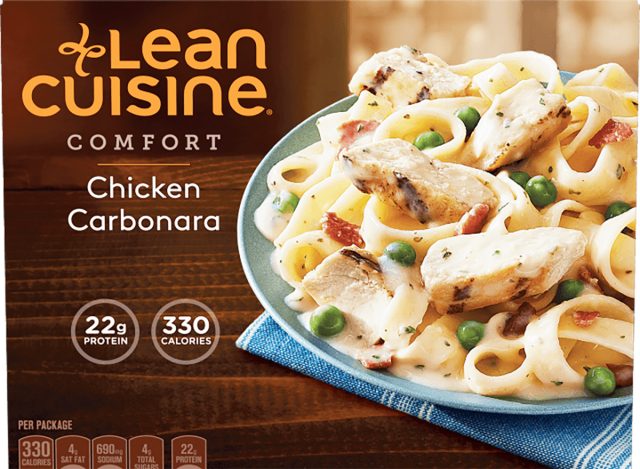
Lean Cuisine: A long-standing player in the frozen meal market, Lean Cuisine has consistently focused on providing lower-calorie entrees, typically ranging from 200 to 300 calories per serving. Their product lines, such as the "Balance Bowls," are formulated with balanced macronutrient profiles. An example like their Lemon Garlic Shrimp Stir Fry Balance Bowl provides a lean protein source (shrimp), a moderate carbohydrate base, and vegetables, all within a controlled calorie count. This brand’s widespread availability and consistent adherence to lower-calorie profiles make it a reliable choice for those monitoring their energy intake.
-
Smart Ones: Affiliated with weight management programs, Smart Ones offers a broad spectrum of frozen meals and entrees specifically designed for calorie-conscious eating. From breakfast scrambles to dinner options, many of their products are portion-controlled to aid in weight management. This brand’s extensive variety allows consumers to find meals that suit different tastes and meal times, reducing the feeling of restriction often associated with dietary changes. The brand’s connection to structured weight loss programs reinforces its commitment to providing nutritionally appropriate options.

-
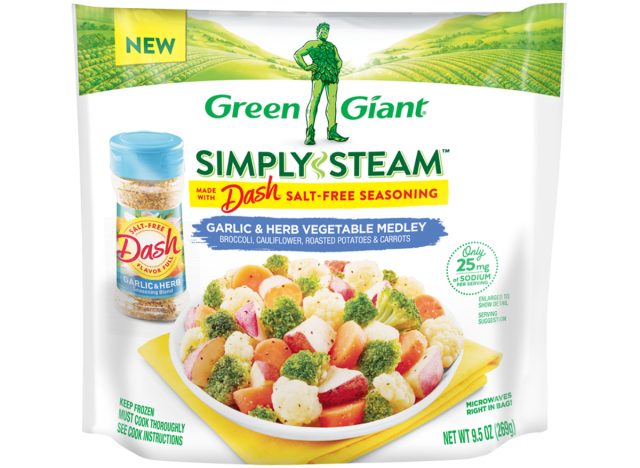
Green Giant Frozen Veggies: While not a complete meal, Green Giant’s extensive range of frozen vegetables is indispensable for anyone aiming to enhance the nutrient density and volume of their meals without adding significant calories. Options like plain steamed broccoli, mixed vegetables, or their seasoned varieties (e.g., Garlic Herb Vegetable Medley, chosen wisely for sodium) can be easily added to any meal. They serve as excellent sources of fiber, vitamins, and minerals. Adding a generous portion of frozen vegetables to a smaller frozen entree or a home-cooked meal can dramatically increase satiety and nutrient intake, making the overall meal more satisfying and healthful. The convenience of pre-cut and pre-washed frozen vegetables also minimizes preparation time, ensuring a consistent intake of plant-based foods.
-
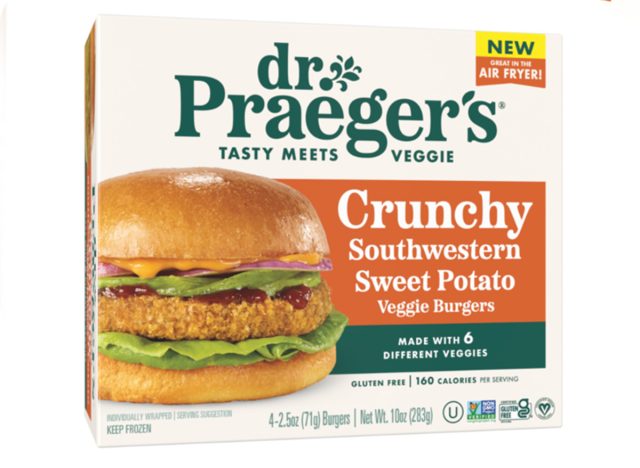
Dr. Praeger’s Sensible Foods: This brand caters to a health-conscious demographic, offering all-natural frozen items that typically feature cleaner ingredient lists. Their product range includes veggie burgers, "littles" (veggie bites), and fish sticks. These options are generally lower in saturated fat and calories compared to their conventional counterparts and are free from artificial additives. For individuals seeking plant-based or pescatarian protein sources, Dr. Praeger’s provides convenient, nutrient-dense alternatives that align with a wholesome eating philosophy. The emphasis on natural ingredients and minimal processing makes them a strong choice for those prioritizing clean eating while managing weight.
-
Trader Joe’s Frozen Options (Store Brand): Trader Joe’s has cultivated a reputation for its unique, often health-conscious, and delicious store-brand frozen meals. While not a national brand, their frozen aisle features a diverse array of options that frequently offer balanced nutrition with good protein and fiber content. Examples like their Chicken Burrito Bowls and Veggie-packed Stir-Fry Mixes provide flavorful, convenient meals. Collingwood specifically notes her appreciation for their Indian options, which often provide complex flavors and ingredients. The brand’s commitment to quality ingredients and innovative product development makes its frozen offerings a popular choice for those seeking both convenience and culinary appeal in their weight loss journey.
-
Yasso Frozen Greek Yogurt Bars: Addressing the common challenge of sweet cravings during weight loss, Yasso Frozen Greek Yogurt Bars offer a "sweet but weight-friendly treat." These portion-controlled bars are relatively low in calories, typically ranging from 80 to 100 calories per bar. Made with Greek yogurt, they also provide a modest amount of protein, which can contribute to satiety. Such options are crucial for preventing feelings of deprivation, a common reason for derailing weight loss efforts. By satisfying a sweet tooth in a controlled manner, Yasso bars help individuals adhere to their dietary goals without feeling overly restricted.
Beyond the Brands: Maximizing Frozen Food Benefits
While specific brands offer excellent starting points, the ultimate success in using frozen foods for weight loss lies in understanding broader principles. Consumers should develop a habit of reading nutrition labels diligently, not just for the recommended brands but for any frozen product they consider. Comparing options for calorie density, protein and fiber content, and sodium levels will ensure optimal choices.
Furthermore, integrating frozen foods into a varied diet is key. No single food group or product should be the sole foundation of a weight loss plan. Frozen meals can serve as convenient lunch or dinner options, but they should be complemented by fresh produce, lean proteins, and whole grains at other meals. The practice of augmenting frozen meals with fresh fruit, yogurt, or extra steamed vegetables is a simple yet powerful strategy to enhance nutrient intake and satiety, transforming a convenient meal into a more robust and satisfying one.
Broader Implications for Public Health and Dietary Habits
The increasing availability and quality of healthy frozen food options have significant implications for public health. In a society grappling with rising rates of obesity and diet-related chronic diseases, providing accessible and convenient healthy choices is paramount. For many, the barrier to healthy eating is not a lack of knowledge, but a lack of time and resources for consistent meal preparation. By offering dietitian-approved frozen solutions, the food industry and health professionals can collectively empower individuals to make better dietary choices, even amidst demanding schedules.
This shift also highlights a positive evolution in consumer behavior and industry responsiveness. As more consumers become aware of nutritional guidelines and prioritize health, food manufacturers are adapting to meet these demands. The availability of high-protein, high-fiber, and lower-sodium frozen options signifies a maturing market that recognizes the intersection of health, convenience, and taste.
In conclusion, the frozen food aisle, once a nutritional minefield, has transformed into a valuable resource for individuals committed to weight loss and healthier eating. With expert guidance from dietitians like Tara Collingwood, strategic selection based on calorie, protein, fiber, and sodium content, coupled with simple meal enhancements, can make frozen foods a cornerstone of a sustainable and satisfying weight management journey. This approach not only simplifies healthy eating but also supports long-term adherence to dietary goals, ultimately contributing to improved public health outcomes.