









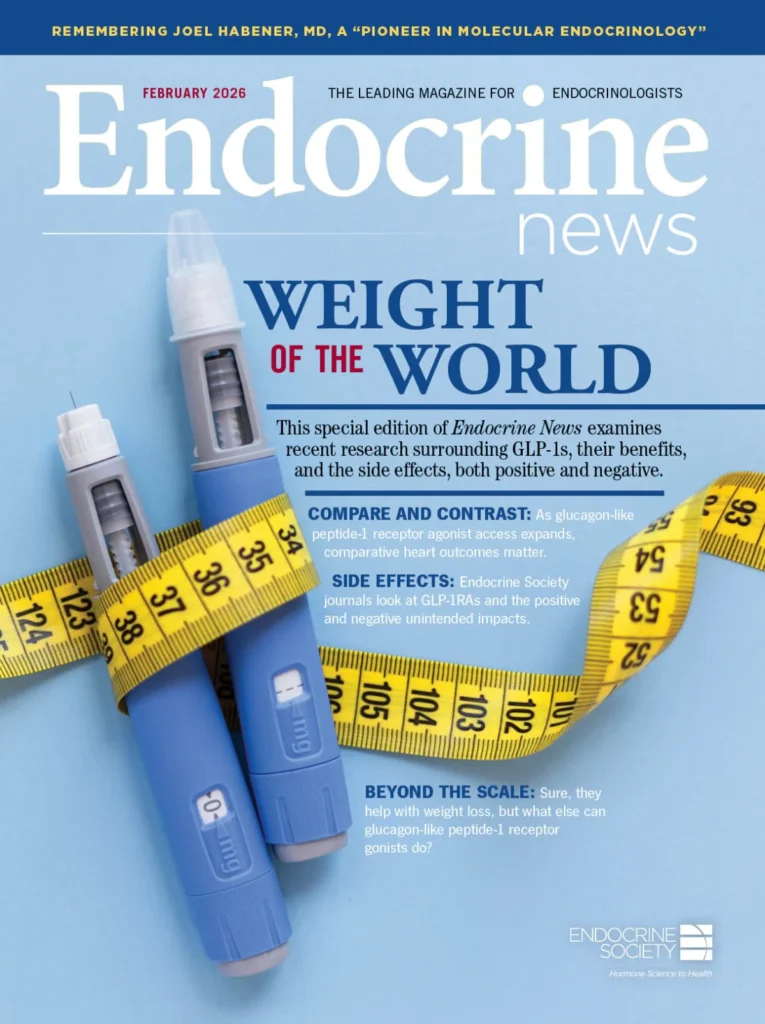
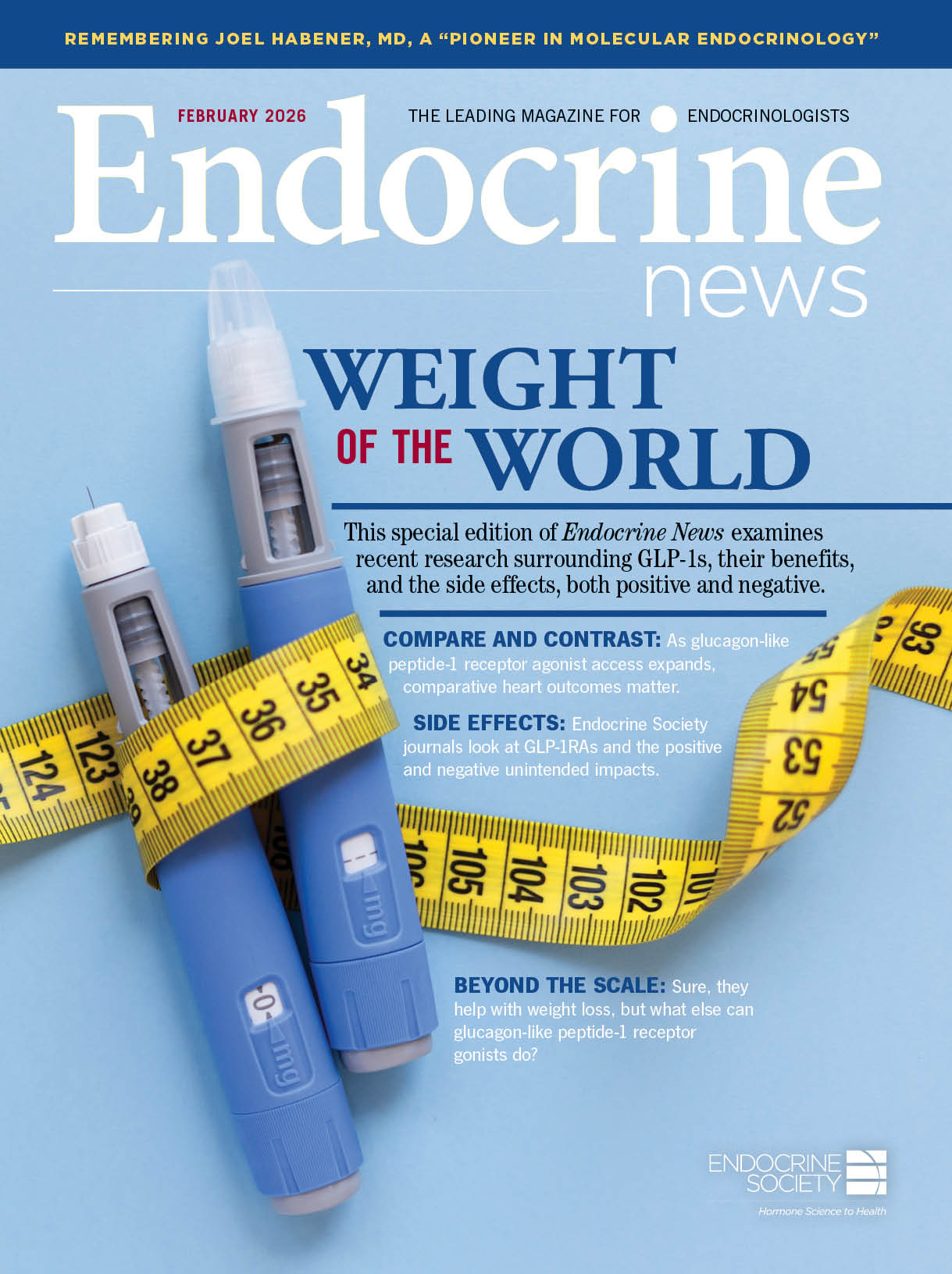
As the global medical community witnesses a surge in the adoption of anti-obesity and glucose-lowering medications, new clinical data released in late 2025 has provided a more nuanced understanding of how these therapies influence long-term cardiac health. While the pharmaceutical market has been dominated by headlines regarding the "miracle" weight-loss capabilities of glucagon-like peptide-1 receptor agonists (GLP-1RAs), researchers are now shifting their focus toward comparative effectiveness and the specific cardiovascular benefits offered by different agents within this drug class. Two landmark studies have emerged as pivotal references for clinicians, highlighting that while the class as a whole offers significant therapeutic potential, the individual agents—ranging from semaglutide and tirzepatide to dulaglutide and liraglutide—possess distinct profiles regarding heart health, mortality reduction, and patient tolerability.
The urgency of this research is underscored by recent shifts in federal healthcare policy aimed at increasing the affordability of GLP-1RAs. With millions of additional patients expected to gain access to these treatments, the medical community requires rigorous data to move beyond a "one-size-fits-all" approach. The latest findings suggest that moving toward individualized therapy based on a patient’s specific cardiovascular risk profile and metabolic needs is not only possible but necessary for optimizing outcomes.
A Comparative Analysis of Tirzepatide and Dulaglutide
One of the most anticipated clinical trials of 2025 was the Study of Tirzepatide Compared with Dulaglutide on Major Cardiovascular Events in Participants with Type 2 Diabetes, known as SURPASS-CVOT. Published in the New England Journal of Medicine in December 2025, the study was led by Dr. Stephen J. Nicholls of Monash University. This trial was specifically designed to evaluate tirzepatide—a dual glucose-dependent insulinotropic polypeptide (GIP) and GLP-1 receptor agonist—against dulaglutide, a well-established selective GLP-1 receptor agonist.

The SURPASS-CVOT trial, which commenced in 2020, involved a massive cohort of 13,165 patients with type 2 diabetes who were at high risk for cardiovascular events. The participants were randomized into two nearly equal groups: 6,586 received tirzepatide and 6,579 received dulaglutide. Over a four-year follow-up period, researchers monitored the time to the first major cardiovascular adverse event (MACE), defined as a composite of cardiovascular death, non-fatal myocardial infarction (MI), or stroke.
The results demonstrated that tirzepatide was noninferior to dulaglutide regarding the primary MACE endpoint. While it did not reach the threshold for clear superiority in the primary composite, tirzepatide showed significant advantages in secondary outcomes. Notably, patients on tirzepatide experienced lower rates of all-cause mortality and a reduction in an "expanded MACE" composite that included coronary revascularization and heart failure events.
Dr. Nicholls noted that while the metabolic benefits of tirzepatide—specifically superior weight loss and A1c reduction—were expected, the mortality benefit was a standout finding. The data suggested that the reduction in deaths was driven largely by a decrease in non-cardiovascular deaths, possibly related to a lower incidence of severe infections, a phenomenon that warrants further investigation. However, these benefits came with a trade-off: tirzepatide was associated with a higher frequency of gastrointestinal side effects compared to dulaglutide, though overall discontinuation rates due to adverse events remained comparable between the two groups.
Real-World Evidence and Target Trial Emulation
Complementing the controlled environment of the SURPASS-CVOT trial, a separate study published in the September 2025 issue of Diabetes Research and Clinical Practice utilized a "target trial emulation" framework to compare four different GLP-1RAs in a real-world setting. Conducted by Dr. Stacey M. Sklepinski of Advocate Lutheran General Hospital and Dr. Rozalina G. McCoy of the University of Maryland, the study analyzed data from over 81,000 adults with type 2 diabetes and moderate cardiovascular risk.
Moderate risk was defined as individuals with a 1% to 5% predicted risk of experiencing a MACE or dying within the following year. This demographic is particularly important because clinical decisions are often dictated by insurance formularies rather than head-to-head clinical data. The study compared four specific agents: dulaglutide (35,572 patients), exenatide (4,376 patients), liraglutide (8,843 patients), and semaglutide (33,063 patients).
The findings revealed that semaglutide and liraglutide offered the most robust cardiovascular protection in this moderate-risk population. Semaglutide was associated with a significantly lower risk of MACE, expanded MACE, all-cause mortality, acute stroke, and arterial revascularization when compared to dulaglutide. Liraglutide also outperformed dulaglutide in terms of MACE reduction and all-cause mortality. Interestingly, despite previous trials suggesting semaglutide’s superiority, this real-world analysis found no significant difference between semaglutide and liraglutide, suggesting that liraglutide’s cardiovascular benefits may be underappreciated in standard clinical practice.
Mechanistic Differences and Pharmacokinetics
The divergence in outcomes among these drugs is likely rooted in their structural and pharmacokinetic differences. While all GLP-1RAs target the same receptor, their molecular designs vary significantly. For instance, semaglutide boasts a 94% homology to native human GLP-1, with specific amino acid substitutions and a fatty acid side chain that allows for high-affinity albumin binding. This results in a half-life of approximately one week, significantly longer than the 13-hour half-life of liraglutide or the five-day half-life of dulaglutide.
Extended receptor engagement is believed to facilitate more sustained signaling, which may explain the enhanced cardiovascular effects. Beyond simple glucose control, these drugs appear to improve endothelial function, reduce systemic inflammatory markers and cytokines, and exert anti-atherosclerotic effects. Researchers are still working to determine the extent to which these benefits are a direct result of drug action on the heart and vasculature versus an indirect result of significant weight loss and improved metabolic health.
One surprising result from the Sklepinski and McCoy study was the performance of exenatide. Despite failing to show cardiovascular benefits in the earlier EXSCEL trial, the 2025 real-world analysis found exenatide to be noninferior to the other three agents. Researchers suggested that the original EXSCEL trial might have been "contaminated" by the use of other GLP-1RAs or SGLT2 inhibitors in the placebo arm, which may have masked exenatide’s true efficacy.
Addressing the Implementation Gap
Despite the clear clinical benefits of these medications, experts highlight a persistent "implementation gap" that prevents high-risk patients from accessing life-saving therapy. Dr. McCoy and Dr. Sklepinski identified several systemic barriers, including high administrative burdens for clinicians, pharmacy shortages (particularly for semaglutide), and prohibitive costs for patients without comprehensive insurance coverage.
Furthermore, there is a growing interest in the potential of combination therapy. Both GLP-1RAs and sodium-glucose cotransporter 2 (SGLT2) inhibitors have proven effective in reducing cardiovascular events. While clinical intuition suggests that taking both classes together would provide additive benefits, there is currently a lack of direct evidence from large-scale head-to-head trials to confirm this hypothesis.
The researchers also emphasized the need for more diverse study populations. To ensure that clinical findings are applicable to the general population, future trials must include a broader range of participants across different ethnicities, socioeconomic backgrounds, and varying levels of cardiovascular and kidney disease.
Future Horizons in Incretin Therapy
Looking ahead, the scope of GLP-1RA research is expanding beyond diabetes and weight management. Ongoing trials are investigating the use of tirzepatide in high-risk cardiovascular patients who do not have type 2 diabetes. Additionally, the recent approval of oral semaglutide for weight loss has opened a new avenue for research into how different delivery methods—subcutaneous versus oral—affect long-term cardiac outcomes.
Clinical focus is also shifting toward other comorbidities associated with cardiovascular-kidney-metabolic (CKM) syndrome. Future studies are expected to explore the impact of GLP-1RAs on metabolic dysfunction-associated steatotic liver disease (MASLD), obstructive sleep apnea, and chronic inflammatory conditions like arthritis.
The collective evidence from late 2025 reinforces the status of GLP-1RAs as a cornerstone of modern metabolic and cardiovascular medicine. However, the data also serves as a reminder that the choice of agent matters. As the medical community gains a deeper understanding of the "within-class" differences between these drugs, the goal of personalized, evidence-based therapy for patients with type 2 diabetes and heart disease moves closer to reality. For now, the focus remains on overcoming the administrative and economic hurdles that prevent these "miracle drugs" from reaching the patients who need them most.