









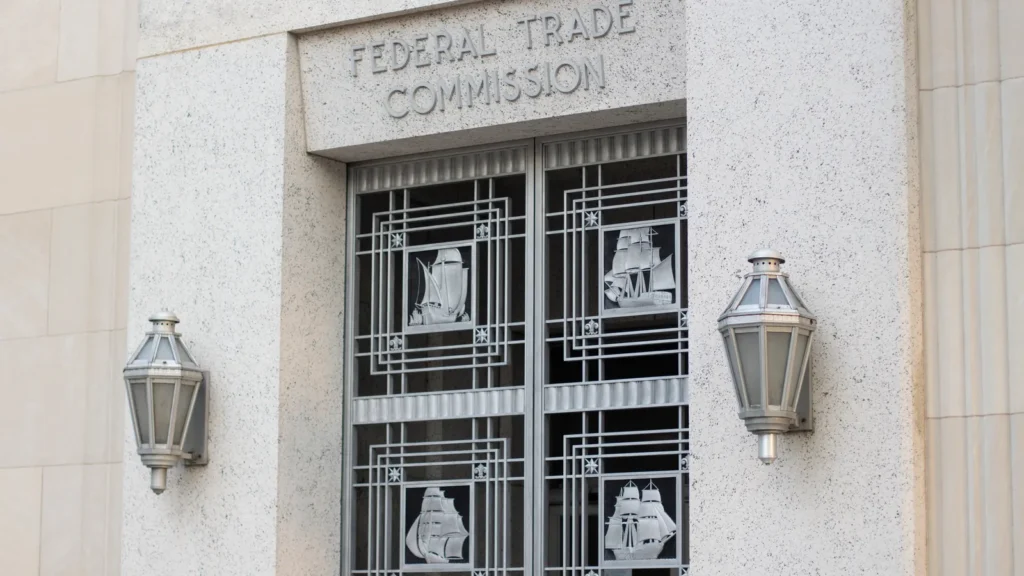
The strategic landscape of the ophthalmic medical device industry shifted significantly this week as Alcon Inc. and LENSAR, Inc. officially announced the termination of their previously proposed merger agreement. The decision to abandon the deal, which was valued at approximately $430 million, comes in the wake of a concerted challenge from the U.S. Federal Trade Commission (FTC). The regulatory body asserted that the consolidation of these two major players would have fundamentally undermined competition within the market for Femtosecond Laser-Assisted Cataract Surgery (FLACS) technology. By choosing to terminate the agreement rather than litigate the matter in federal court, the companies have effectively preserved the current competitive dynamics of a sector critical to millions of aging patients worldwide.
Understanding the FLACS Market and Strategic Interests
At the heart of the dispute is the specialized field of Femtosecond Laser-Assisted Cataract Surgery. Cataracts, characterized by the clouding of the eye’s natural lens, remain a leading cause of vision impairment globally. While traditional cataract surgery involves manual incisions made by a surgeon using a handheld blade, FLACS technology utilizes computer-guided lasers to perform the most delicate steps of the procedure with extreme precision. This includes the capsulotomy, lens fragmentation, and corneal incisions.
Alcon, a global leader in eye care that spun off from Novartis in 2019, has long been a dominant force in this space with its LenSx laser system. LENSAR, a smaller but highly innovative Florida-based firm, developed the LENSAR Laser System and more recently the ALLIE-ready system, which features proprietary augmented reality imaging. The FTC’s primary concern was that an Alcon acquisition of LENSAR would merge two of the most significant innovators in the field, potentially leading to higher costs for surgical centers and, by extension, patients.

The deal, first announced roughly one year ago, was seen by Alcon as a way to fortify its surgical portfolio and integrate LENSAR’s advanced imaging capabilities into its broader ecosystem of digital health and surgical equipment. For LENSAR, the acquisition offered a lucrative exit for shareholders and the backing of Alcon’s massive global distribution network.
Regulatory Obstacles and the Federal Trade Commission’s Intervention
The FTC’s decision to block the merger reflects an increasingly aggressive stance toward consolidation in the healthcare and medical technology sectors. Daniel Guarnera, director of the FTC’s Bureau of Competition, emphasized that the two companies were engaged in a "vigorous competition" that directly benefited the healthcare system. According to the agency, Alcon and LENSAR were locked in a price war that had successfully kept the costs of laser systems and per-procedure "click fees" lower than they would have been in a monopolized or less competitive environment.
"Competitors simply cannot attempt to buy out rivals to get out from the heat of pricing and innovation competition," Guarnera stated. The FTC argued that the rivalry between the two firms was a primary driver for technological upgrades. When one company introduced a more precise imaging tool or a faster laser pulse, the other was forced to respond with its own R&D advancements to maintain market share.
Furthermore, the FTC highlighted a social and economic dimension to its opposition: the protection of American manufacturing. LENSAR maintains a significant manufacturing footprint in the United States. The commission expressed concern that a merger with the Swiss-headquartered Alcon could eventually lead to the consolidation of manufacturing facilities, potentially threatening domestic jobs and specialized industrial expertise in the femtosecond laser niche.
A Chronology of the Proposed Acquisition
The path to the merger’s termination was marked by a series of regulatory hurdles and strategic shifts.
- Announcement (Late 2023): Alcon and LENSAR announced a definitive merger agreement. Alcon agreed to pay up to $430 million, structured as an upfront payment followed by potential milestone-based considerations. At the time, the deal was lauded by both boards of directors as a synergistic move that would accelerate the adoption of premium cataract surgery.
- Regulatory Review (Early to Mid-2024): The FTC initiated a second request for information, a move that signals a deep-dive investigation into potential antitrust violations. During this period, Alcon and LENSAR provided thousands of pages of internal documents, pricing data, and market share analyses.
- The Stalemate (Late 2024): As the mid-2025 target for closing approached, it became clear that the FTC was not satisfied with the proposed remedies, which might have included the divestiture of certain patents or business units.
- The Challenge (Current): The FTC formally moved to block the deal, citing the Clayton Act and the Federal Trade Commission Act. Faced with the prospect of a multi-year legal battle and the uncertainty of a court ruling, the companies opted to withdraw.
- Termination (Present): LENSAR and Alcon issued separate statements confirming the end of the agreement, citing that the move was in the "best interest of both companies" given the regulatory climate.
Financial Terms and the Cost of Termination
The dissolution of a merger of this magnitude carries significant financial implications, particularly for the smaller entity. Under the terms of the original merger agreement, LENSAR was entitled to a $10 million deposit or "reverse break-up fee" in the event the deal failed to close due to certain conditions, including regulatory opposition.
LENSAR has confirmed it will retain this $10 million deposit. While this is a fraction of the total $430 million valuation, the influx of cash provides LENSAR with a necessary buffer to continue its independent operations and fund its ongoing research and development for the ALLIE platform.
For Alcon, the termination represents a missed opportunity to consolidate its market share, but it also preserves its capital for other potential acquisitions or internal R&D. Alcon’s balance sheet remains robust, and the company continues to see strong growth in its implantables and consumables segments, which are less reliant on the capital equipment sales associated with the LENSAR deal.
The Competitive Landscape of Ophthalmic Surgery
The termination of the deal ensures that the FLACS market remains fragmented enough to foster ongoing competition. Currently, the market is defined by a few key players:
- Alcon: The market leader with its LenSx system, benefiting from a massive installed base and a comprehensive suite of surgical products including the Centurion vision system and AcrySof lenses.
- LENSAR: Known for its "Augmented Reality" imaging and the LENSAR Laser System, it remains the primary challenger focused exclusively on femtosecond laser technology.
- Johnson & Johnson Vision: Offers the Catalys Precision Laser System, providing another high-end alternative for surgeons.
- Bausch + Lomb: Competes with the Victus femtosecond laser platform, which is capable of both cataract and corneal procedures.
The FTC’s intervention effectively prevents the market from moving toward a "Big Three" or "Big Two" scenario in the premium cataract segment. Industry analysts suggest that by keeping LENSAR independent, the "click fees"—the price a surgeon or hospital pays for every procedure performed—will remain competitive. If Alcon had acquired LENSAR, there was a significant risk that these fees would have risen, as the incentive to undercut a major rival would have vanished.
Innovation and the Protection of Domestic Manufacturing
The FTC’s emphasis on innovation is backed by the recent history of the FLACS industry. Since the first femtosecond lasers were cleared by the FDA for cataract surgery around 2010, the technology has advanced rapidly. Early systems were criticized for adding significant time to the surgical workflow. However, the "price and innovation war" mentioned by the FTC led to the development of more ergonomic systems, faster laser firing rates, and sophisticated software that automates the alignment of the laser with the patient’s eye.
LENSAR’s role as an independent innovator has been particularly notable. Its technology focuses on correcting astigmatism during cataract surgery with high precision, a feature that has forced larger competitors to improve their own astigmatism-management software.
Furthermore, the protection of domestic manufacturing jobs cited by the FTC reflects a broader executive branch policy of scrutinizing mergers that might lead to "offshoring" or the hollowing out of American industrial capacity. By ensuring LENSAR remains an independent entity, the FTC is banking on the company maintaining its operations in Florida, preserving a hub of high-tech medical manufacturing.
Broader Implications for the Medical Device Industry
The collapse of the Alcon-LENSAR deal is a clear signal to the broader medical device (medtech) industry that the current regulatory environment is highly skeptical of "bolt-on" acquisitions that involve direct competitors. In previous decades, a $430 million deal might have flown under the radar or been approved with minor concessions. Today, however, the FTC and the Department of Justice (DOJ) are looking more closely at "nascent competition" and the long-term impact on the "innovation ecosystem."
This case follows other high-profile regulatory challenges in the healthcare space, such as the FTC’s opposition to Illumina’s acquisition of Grail and various challenges in the pharmaceutical sector. For companies like Alcon, the path to growth through acquisition has become more complex. Future deals will likely require more rigorous antitrust analysis before they are even announced, and companies may need to be more prepared to offer significant structural divestitures from the outset.
For the medical community, the termination of the merger is likely to be viewed with mixed emotions. Some surgeons may have looked forward to the integration of LENSAR’s technology into Alcon’s seamless surgical suite. However, the majority of healthcare providers and hospital procurement departments will likely welcome the news, as it ensures that they maintain bargaining power when negotiating the purchase and maintenance of these multi-million dollar laser systems.
As LENSAR returns to its status as a pure-play independent company and Alcon continues its dominance as a diversified eye care giant, the rivalry between the two will continue to shape the future of vision correction. The "heat of pricing and innovation competition" that the FTC sought to protect will remain a driving force in operating rooms across the country, ensuring that the technology used to restore sight continues to evolve through the pressure of the open market.