









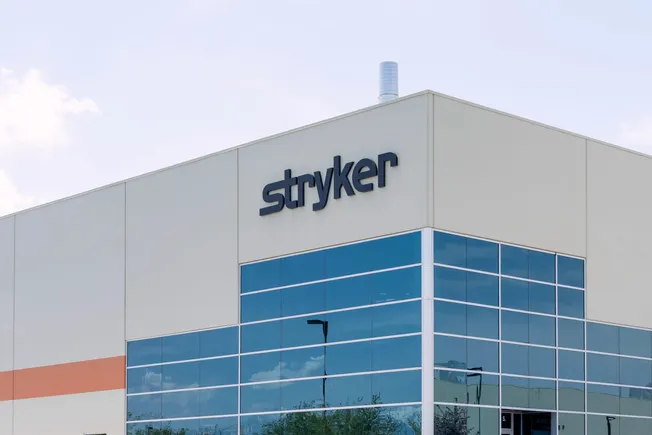
Stryker Corporation, a global leader in medical technology, has confirmed that it successfully contained a sophisticated cyberattack that disrupted its operations earlier this month. The Kalamazoo, Michigan-based company is currently in the midst of a comprehensive restoration process aimed at bringing its global network back to full capacity. According to official statements from the company, the recovery efforts are progressing steadily, with a primary focus on the systems that facilitate customer service, order processing, and product shipping. While the containment marks a significant milestone in the incident response, Stryker has not yet provided a definitive timeline for when all business functions will return to a pre-attack state.
The breach, which was first detected on March 11, caused an immediate and widespread outage across the company’s Microsoft environment. This disruption had a cascading effect on Stryker’s internal infrastructure, hampering its ability to manufacture, process, and deliver critical medical equipment to healthcare providers worldwide. Despite the operational turmoil, the company has maintained a firm stance on the integrity of its medical devices. A company spokesperson emphasized that the attack was limited to the corporate IT environment and did not compromise the safety or functionality of Stryker’s products, including its suite of connected medical devices and surgical robotics.
The Onset and Nature of the March 11 Cyberattack
The incident began in the early hours of March 11, when Stryker’s cybersecurity monitoring tools identified unauthorized activity within its global network. As a precautionary measure to prevent the further spread of the intrusion, the company’s IT department initiated an emergency shutdown of several key systems. This proactive "network isolation" strategy, while necessary to contain the threat, resulted in a significant disruption of the company’s digital backbone.

The attack specifically targeted the company’s Microsoft-based environment, which integrates various essential business functions, from email communications to enterprise resource planning (ERP) systems. By targeting these centralized hubs, the threat actors were able to stall the logistical machinery of the corporation. Hospitals and surgical centers, which rely on Stryker for orthopedic implants, neurosurgical equipment, and emergency medical tools, reported difficulties in placing orders and receiving shipments in the days immediately following the breach.
Initial investigations revealed that the attack was not merely a localized glitch but a coordinated effort by a sophisticated threat actor. The disruption affected manufacturing plants and distribution centers across multiple continents, underscoring the global nature of Stryker’s supply chain and the vulnerability of interconnected corporate ecosystems.
Attribution and the Role of the Handala Threat Group
While Stryker has been cautious in its public attribution of the attack, external cybersecurity researchers have identified the responsible party as "Handala," a threat group with alleged ties to Iranian intelligence. According to reports from Check Point Research, Handala has emerged as a prominent actor in the cyber-warfare landscape, often employing destructive tactics such as data wiping and large-scale exfiltration.
The group claimed responsibility for the Stryker breach through its dark web channels, asserting that it had successfully wiped data from thousands of servers and mobile devices within the Stryker network. Perhaps more concerning was Handala’s claim to have exfiltrated approximately 50 terabytes of sensitive data. If verified, this would rank among the largest data thefts in the history of the medical technology sector.
Handala is frequently linked by cybersecurity experts to the Iranian Ministry of Intelligence and Security (MOIS). Unlike traditional ransomware groups that operate primarily for financial gain, state-linked actors like Handala often prioritize disruption, espionage, and the destabilization of critical infrastructure. The group’s involvement suggests that the attack on Stryker may have been motivated by broader geopolitical tensions rather than a simple extortion attempt.
Chronology of the Incident and Response
To understand the scale of the crisis, it is necessary to examine the timeline of events as they unfolded:
- March 11: Stryker detects the breach. The company immediately files an 8-K with the Securities and Exchange Commission (SEC), reporting a "global network disruption" and the commencement of an investigation.
- March 12: Dave Nathans, Stryker’s Chief Information Security Officer (CISO), provides a direct update to customers and the broader cybersecurity community. This update aims to reassure stakeholders that the company is taking aggressive steps to mitigate the impact.
- March 13–15: The "Handala" group publicly claims responsibility for the attack. Cybersecurity firms begin analyzing the group’s claims regarding the 50TB data theft and the use of wiper malware.
- March 18: Stryker confirms that the attack has been contained. The company announces that the restoration process is underway, prioritizing systems that support customer interactions and logistics.
- March 19: A company spokesperson reiterates that medical products remain safe for clinical use and that no product software was compromised.
Throughout this period, Stryker has been collaborating with external forensic experts and federal law enforcement agencies, including the FBI and the Cybersecurity and Infrastructure Security Agency (CISA), to determine the full scope of the breach and to harden its defenses against future incursions.
Financial and Regulatory Implications
The cyberattack on Stryker comes at a time of increased regulatory scrutiny regarding how public companies handle and disclose digital security incidents. Under new SEC rules that took effect in late 2023, companies are required to disclose "material" cybersecurity incidents within four business days of determining that the event is material.
In its initial filing, Stryker stated that it was still evaluating the financial and operational impact of the breach. The company has not yet determined if the attack will have a "material impact" on its overall financial health. However, the costs associated with such an event are rarely negligible. Beyond the immediate loss of revenue from shipping delays, Stryker faces significant expenses related to forensic investigation, legal fees, system restoration, and potential long-term investments in cybersecurity infrastructure.
Historical data from the IBM Cost of a Data Breach Report suggests that the average cost of a healthcare-related breach is now over $10 million, the highest of any industry. Given Stryker’s size—reporting over $20 billion in annual revenue—and the alleged 50TB of stolen data, the financial ramifications could be substantial, particularly if the company faces class-action lawsuits or regulatory fines related to data privacy.
Product Safety and Clinical Impact
One of the most critical aspects of Stryker’s response has been the assurance of product safety. Stryker is a dominant player in the medtech space, particularly in orthopedics, where its Mako robotic-arm assisted surgery system is used in thousands of procedures every week. If the software driving these robots or the firmware in implanted devices had been compromised, the risk to patient safety would have been catastrophic.
The company has been proactive in communicating that its "connected products"—devices that link to hospital networks or Stryker’s cloud services—remain unaffected. This distinction is vital for maintaining the trust of surgeons and hospital administrators. In the modern surgical environment, a loss of confidence in technology can lead to the postponement of elective surgeries, impacting both hospital revenue and patient outcomes.
By isolating the corporate network from the product development and cloud service environments, Stryker appears to have successfully "air-gapped" its clinical technologies from the fallout of the IT breach.
Broader Context: The Vulnerability of the MedTech Sector
The attack on Stryker is not an isolated incident but part of a growing trend of cyber-aggression targeting the healthcare and medical technology sectors. Just weeks before the Stryker incident, Change Healthcare, a subsidiary of UnitedHealth Group, suffered a devastating ransomware attack that paralyzed prescription processing and provider payments across the United States.
These events highlight a systemic vulnerability in the healthcare supply chain. As medical technology companies become more digital and interconnected, they become more attractive targets for both criminal syndicates and state-sponsored actors. The "just-in-time" nature of medical manufacturing means that even a few days of downtime can lead to shortages of critical surgical supplies, such as bone cement, surgical blades, or specialized implants.
The targeting of Stryker by an Iran-linked group also underscores the shift in cyber-tactics. While ransomware (encrypting data for a fee) remains common, the use of "wipers" (permanently deleting data) and massive exfiltration suggests a move toward more destructive and strategic forms of cyber-warfare.
Looking Forward: The Path to Full Recovery
As Stryker continues its restoration process, the company faces the dual challenge of rebuilding its technical infrastructure and restoring full confidence among its global customer base. The prioritization of ordering and shipping systems is a tactical move designed to minimize the impact on the healthcare providers who rely on their products daily.
Industry analysts suggest that Stryker’s recovery will likely involve a complete audit of its network credentials, a migration to more secure cloud-based architectures, and a significant enhancement of its endpoint detection and response (EDR) capabilities. The company’s ability to maintain transparency through SEC filings and direct customer communications will be a key factor in how the market perceives its resilience.
For now, the medtech giant remains in a state of high alert. While the "containment" of the threat actor is a positive step, the "steady progress" of restoration indicates that the road to normalcy is still being paved. The cybersecurity community will continue to monitor the situation closely, looking for lessons that can be applied to the broader healthcare industry to prevent a repeat of such a massive disruption.
In the coming months, more details regarding the 50 terabytes of allegedly stolen data may emerge. If sensitive patient information or proprietary trade secrets were included in that cache, the narrative of the Stryker cyberattack could shift from one of operational disruption to a long-term data privacy crisis. For the time being, the focus remains on the "steady" return to service and the continued safety of the medical devices that millions of patients depend on.