


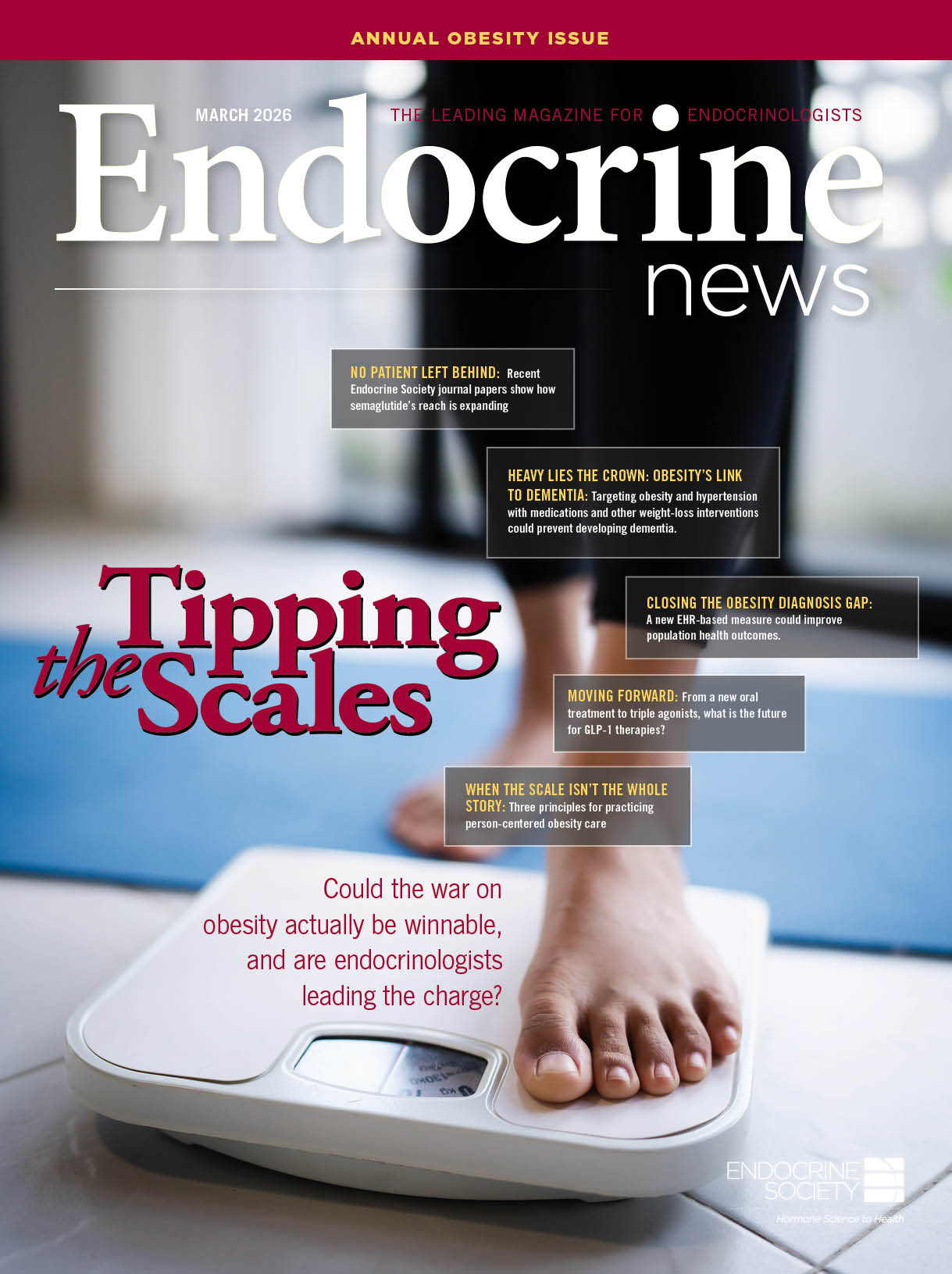
A multidisciplinary coalition led by the Endocrine Society and MN Community Measurement (MNCM) has introduced a validated process measure designed to identify and flag patients who meet the clinical criteria for obesity but lack a formal diagnosis in their electronic health records (EHR). Detailed in a recent publication in The Journal of Clinical Endocrinology & Metabolism (JCEM), this initiative represents a significant shift in how the medical community approaches weight management, moving toward a model that treats obesity with the same clinical rigor as hypertension or type 2 diabetes. By integrating obesity recognition into routine clinical practice across specialties, the authors argue that the healthcare system can significantly improve patient outcomes and streamline the path toward evidence-based interventions.
The Challenge of Under-Documentation in Modern Medicine
Obesity has long been recognized by major medical organizations, including the American Medical Association since 2013, as a chronic, multifactorial disease. It is a primary driver of some of the most costly and prevalent health conditions in the United States, including cardiovascular disease, obstructive sleep apnea, non-alcoholic fatty liver disease, and various forms of cancer. Despite this, a substantial gap persists between clinical reality and medical documentation.
National data indicates that a significant percentage of adults whose Body Mass Index (BMI) exceeds the threshold of 30.0 kg/m² do not have "obesity" listed on their active problem list within their EHR. This documentation gap is not merely an administrative oversight; it is a clinical barrier. Without a formal diagnosis, patients are frequently excluded from specialized counseling, are less likely to receive prescriptions for weight-management medications, and may not be prioritized for metabolic surgeries. Furthermore, the absence of a diagnosis often prevents health systems from accurately tracking the quality of care or identifying health disparities within their patient populations.
The barriers to documentation are multifaceted. On a clinical level, physicians often cite a lack of time during standard 15-minute appointments, where competing priorities like acute complaints or chronic disease management take precedence. There is also a significant psychological component; many providers harbor an apprehension about discussing weight due to the perceived stigma or the fear of damaging the patient-provider relationship. Systemically, EHR interfaces are often not optimized for obesity management. In many systems, it can take up to six manual clicks to move from a recorded BMI value to updating the patient’s problem list, a friction point that discourages consistent documentation in a high-volume clinical setting.
Chronology of the Measure’s Development
The development of this new process measure followed a rigorous, multi-year timeline designed to ensure clinical relevance and technical feasibility.
The initiative began in 2021 when the Endocrine Society partnered with MN Community Measurement, a non-profit organization specializing in health care quality measurement and reporting. The goal was to move beyond traditional "screening" measures—which often only track whether a BMI was recorded—and focus instead on "recognition," which tracks whether the clinician acknowledged the BMI as a disease state requiring management.
In early 2022, a landscape review of existing quality measures was conducted. This review confirmed that most current obesity-related metrics were indirect or focused primarily on pediatric populations, leaving a void in adult primary and specialty care. Following this review, a multidisciplinary panel of 15 experts was convened. This panel represented a broad spectrum of stakeholders, including endocrinologists, family medicine practitioners, internal medicine specialists, health plan representatives, patient advocates, and data analysts.
Throughout late 2022 and early 2023, the panel drafted the specifications for the process measure. This was followed by a 30-day public comment period, allowing the broader medical community to provide feedback on the measure’s utility and potential pitfalls. By late 2023, the measure moved into the pilot-testing phase, which involved six large medical groups, including a federally qualified health center (FQHC), to ensure the measure performed accurately across diverse socioeconomic environments.
Data Analysis: Findings from the Pilot Study
The pilot testing of the measure yielded data that underscored the urgency of the intervention. The study covered 124 clinics and 3,483 providers, encompassing a total of 295,372 adult patients who met the BMI criteria for obesity (BMI ≥ 30).
The results revealed a stark variance in diagnosis rates among medical groups, ranging from a low of 37.6% to a high of 50.8%. This suggests that even in sophisticated health systems, roughly half of all patients with obesity are navigating the healthcare system without a formal recognition of their condition. The discrepancy was even more pronounced when broken down by obesity class. While patients with Class III obesity (BMI ≥ 40) were more likely to be diagnosed, approximately 61.2% of adults with Class I obesity (BMI 30.0–34.9) lacked a formal diagnosis. This represents a massive missed opportunity for early intervention, as Class I is often the stage where lifestyle modifications and early pharmacological treatments are most effective at preventing progression to more severe comorbidities.
Perhaps the most compelling data point from the pilot study concerned the correlation between documentation and weight trajectory. The research team tracked a follow-up cohort to see how a formal diagnosis influenced actual health outcomes over a 12-month period. Patients who had a documented obesity diagnosis lost an average of 0.34 lbs. over the year. In contrast, those who met the criteria but remained undiagnosed gained an average of 1.78 lbs.
Dr. Amy Rothberg, a clinical professor at the University of Michigan and chair of the measure development group, noted that while these numbers might seem modest, they are statistically and clinically significant. "The typical trajectory for the U.S. population is an annual weight gain of 1.5 to 2.2 lbs. per year," Rothberg stated. "If we can stop that change, we are already winning. We showed that those who had that diagnosis were more likely to receive care and lose weight."
Scientific Context: The BMI Debate
The introduction of this measure comes at a time of intense debate regarding the use of Body Mass Index as a diagnostic tool. Critics, including the authors of a recent Lancet Commission report, argue that BMI is an imperfect surrogate for adiposity and does not account for muscle mass, bone density, or the distribution of fat (such as visceral vs. subcutaneous), which are critical factors in metabolic risk.
The authors of the JCEM paper acknowledge these limitations but defend the use of BMI for the process measure based on its practicality. Unlike waist circumference measurements or Dual-Energy X-ray Absorptiometry (DEXA) scans—which are more precise but time-consuming and often not reimbursed—BMI is automatically calculated in almost every modern EHR system. By using an existing, universally available data point, the measure can be implemented immediately without requiring new equipment or extensive staff retraining.
The measure is intended to act as a "flag" rather than a definitive diagnosis. It prompts the clinician to use their professional judgment to determine if the BMI reflects a health risk for that specific patient. If it does, the formal documentation serves as the clinical "handshake" that initiates the care pathway.
Economic and Administrative Implications
Beyond the clinical benefits, the formalization of obesity documentation has significant implications for physician reimbursement and health system administration. For endocrinologists and primary care providers, the inclusion of obesity on the problem list is often a prerequisite for billing specific high-intensity behavioral therapy codes or securing insurance coverage for anti-obesity medications (AOMs), such as GLP-1 receptor agonists.
As the healthcare industry shifts toward value-based care models, quality measures like this one become essential. Accountable Care Organizations (ACOs) and health systems are increasingly evaluated on their ability to manage chronic populations. By providing a standardized benchmark, this measure allows systems to track their progress, identify clinics that are underperforming in obesity recognition, and allocate resources toward quality improvement.
Furthermore, the Endocrine Society views this measure as a cornerstone of its broader advocacy strategy. By standardizing how obesity is recorded, the Society can better argue for equitable access to care. If data shows that certain populations are less likely to receive a formal diagnosis despite meeting the criteria, it provides the evidence needed to address systemic biases and advocate for policy changes at the state and federal levels.
Broader Impact and Future Outlook
The introduction of this validated process measure is a critical first step in a multi-year strategy by the Endocrine Society to modernize obesity care. It aligns with the Society’s forthcoming updates to clinical practice guidelines on pharmacological management and pediatric obesity, both of which emphasize the necessity of early recognition.
The long-term goal is to transform the EHR from a passive repository of data into an active tool for disease management. When a system automatically flags a missing diagnosis, it reduces the cognitive load on the physician and ensures that obesity does not "fall through the cracks" during a busy shift.
Moreover, the formal documentation of obesity is a powerful tool against weight stigma. When a provider records obesity as a medical diagnosis in the problem list, it frames the condition as a biological reality rather than a moral or behavioral failure. This shift in framing is essential for fostering a collaborative environment where patients feel supported rather than judged.
As Maureen Corrigan, Director of Evidence-Based Clinical Practice at the Endocrine Society, highlighted, the focus is on translating research into actionable endocrine care. The new measure provides the medical community with a practical, scalable, and evidence-based tool to ensure that the millions of Americans living with obesity receive the recognition and treatment they deserve. By closing the documentation gap, the healthcare system moves one step closer to treating the obesity epidemic with the urgency and precision it demands.
