








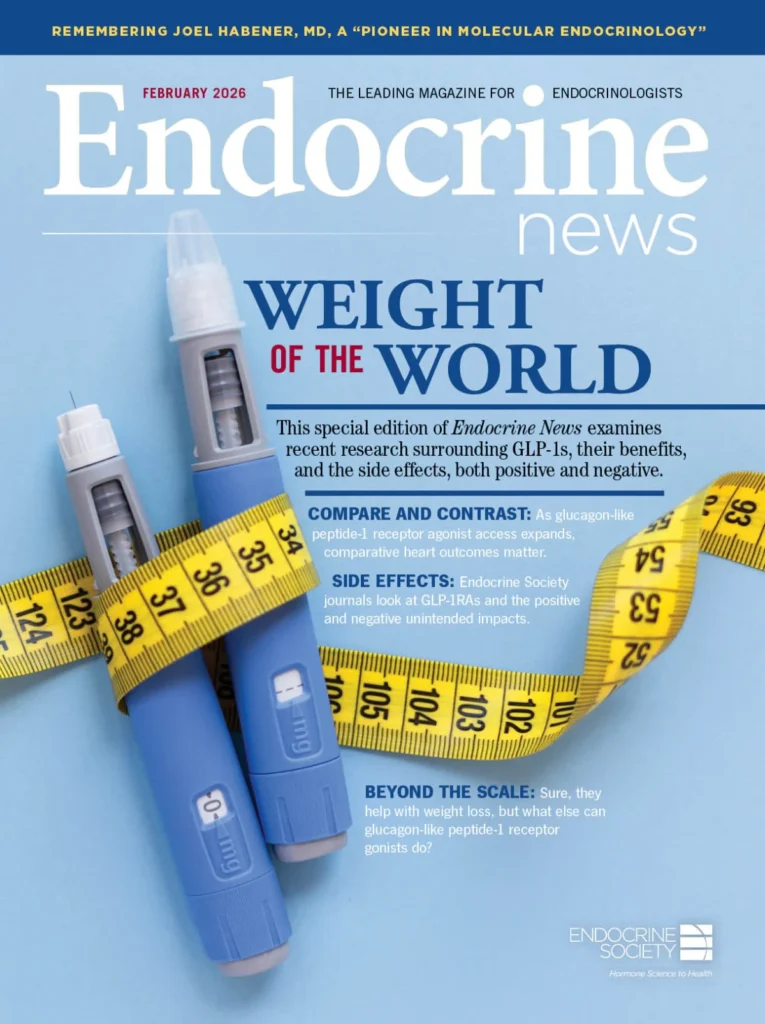
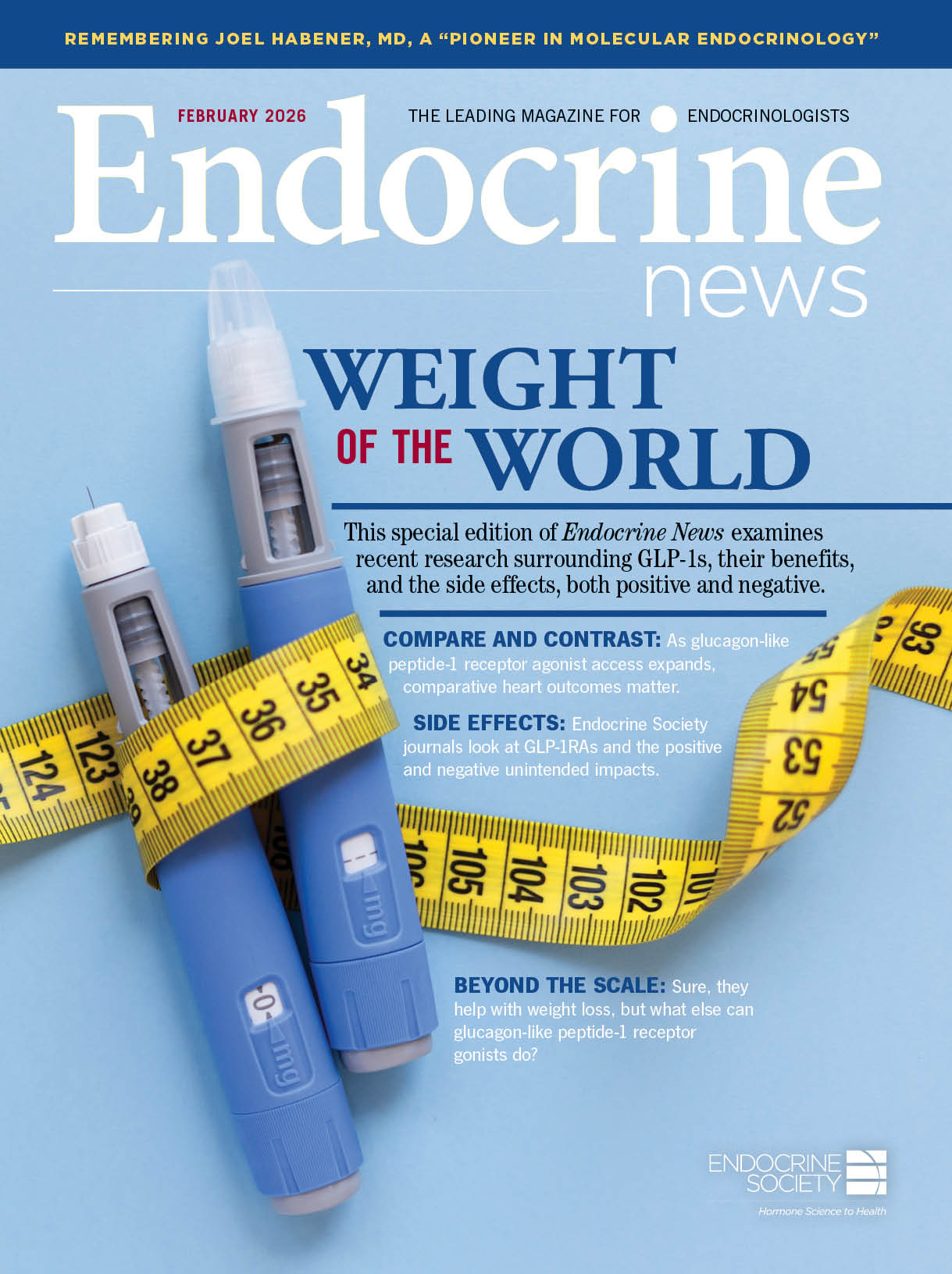
In the United States, American Heart Month is observed every February to raise critical awareness regarding cardiovascular disease, which remains the leading cause of death globally. According to the World Health Organization, cardiovascular diseases claim an estimated 17.9 million lives each year, accounting for approximately 32% of all global deaths. In alignment with this public health priority, the latest research featured in Endocrine News highlights a series of transformative studies examining the impacts of incretin-based therapies. These treatments, originally developed for type 2 diabetes, are now being scrutinized for their profound effects on obesity, heart failure, liver health, and overall quality of life. As obesity serves as a primary driver for impaired cardiovascular health, the emergence of glucagon-like peptide-1 receptor agonists (GLP-1RAs) and multi-receptor agonists represents a paradigm shift in metabolic medicine.
The Evolution of Incretin-Based Pharmacotherapy
The landscape of obesity treatment has undergone a radical transformation over the last decade. Early interventions were often limited by modest efficacy or significant safety concerns. However, the introduction of GLP-1RAs has demonstrated unprecedented results in weight reduction and cardiometabolic improvement. These therapies work by mimicking natural hormones that regulate appetite and blood sugar, but recent clinical evidence suggests their benefits extend far beyond simple weight loss. By targeting systemic inflammation, improving cardiac hemodynamics, and enhancing insulin sensitivity, these agents are redefining the standard of care for patients with complex metabolic profiles.
Despite these advances, the medical community acknowledges that the current generation of therapies is only the beginning. A significant portion of the patient population remains underserved due to issues of cost, access, and medication tolerability. Furthermore, while drugs like semaglutide and tirzepatide have set high benchmarks, researchers are already looking toward "triple agonists" and novel peptides that target additional pathways, such as glucagon and growth differentiation factor 15 (GDF15).
Exploring Next-Generation Dual and Triple Agonists
A pivotal study published in the journal Endocrinology in August, titled "Novel Dual and Triple Agonists Targeting GLP-1, GIP, Glucagon, and GDF15 for Type 2 Diabetes and Obesity Management," provides a comprehensive roadmap for the future of incretin therapy. Lead author Chao Zheng, PhD, and a team from the Second Affiliated Hospital of Zhejiang University, examined why certain patients do not respond optimally to single-receptor GLP-1RAs. Their research highlights the synergistic potential of targeting multiple metabolic pathways simultaneously.
The study details the transition from single agonists to co-agonists like tirzepatide, which targets both GLP-1 and glucose-dependent insulinotropic polypeptide (GIP) receptors. By stimulating insulin secretion while inhibiting appetite more aggressively than single agents, these dual agonists have paved the way for even more complex molecules. For instance, the inclusion of glucagon agonism is intended to merge appetite suppression with increased energy expenditure and thermogenesis.
Among the novel agents discussed, retatrutide—a triple agonist targeting GLP-1, GIP, and glucagon receptors—has shown remarkable promise in early trials, significantly reducing HbA1c levels and liver fat. Other agents like cotadutide and efinopegdutide are being evaluated for their specific benefits in liver metabolism and kidney protection. These multi-target drugs aim to address the "intertwined metabolic problems" of diabetes, obesity, and cardiovascular disease through a single therapeutic delivery system.
Addressing Frailty in Heart Failure with Preserved Ejection Fraction
One of the most significant clinical challenges in cardiology is heart failure with preserved ejection fraction (HFpEF), a condition often exacerbated by obesity and aging. A study published in JACC: Heart Failure in September, titled "Frailty and Effects of Semaglutide in Obesity-Related HFpEF: Findings From the STEP-HFpEF Program," sought to determine if GLP-1RAs could benefit the most vulnerable patient populations.
Ambarish Pandey, MD, MSCS, and his team at the University of Texas Southwestern Medical Center analyzed data from 1,145 participants to address concerns regarding "therapeutic nihilism"—the tendency to undertreat frail patients due to fears of medication intolerance or muscle loss. The study found that over 60% of participants were categorized as "most frail." Contrary to concerns that rapid weight loss might worsen frailty, the data revealed that semaglutide significantly reduced the frailty burden.
"Symptom improvements were far more pronounced in the frailest patients," Pandey noted. After one year of treatment, patients on semaglutide showed an 11-point improvement on the Kansas City Cardiomyopathy Questionnaire (KCCQ), a metric that measures physical limitations and quality of life. This improvement often shifted patients into a "less frail" category, suggesting that the drug’s benefits are driven not just by weight loss, but by reductions in chronic inflammation and improvements in muscle quality.
Breakthroughs in Rare Obesity Syndromes: Alström Syndrome
The versatility of dual agonists was further demonstrated in a study published in the Journal of Clinical Endocrinology & Metabolism (JCEM). Thomas Scherer, MD, and his team at the Medical University of Vienna documented the successful use of tirzepatide in treating Alström syndrome (AS), a rare genetic disorder characterized by severe hyperphagia and profound insulin resistance.
Traditional multimodal obesity therapies, including standard GLP-1RAs, had previously failed to produce lasting results in these patients. However, the introduction of tirzepatide led to a 27% reduction in body weight and a staggering 83% reduction in required insulin doses for one patient. Scherer suggests that the GIP-receptor component of tirzepatide may be the key, as it improves glucose disposal into white adipose tissue (WAT)—a process specifically impaired in Alström syndrome.
This case study emphasizes the need for personalized medicine and suggests that dual and triple agonists may offer a lifeline for patients with rare genetic obesity syndromes who were previously considered "treatment-resistant." However, Scherer warned that the rapid metabolic response requires close monitoring to prevent hypoglycemia, especially in patients transitioning away from high-dose insulin therapy.
Real-World Barriers: The Challenge of Treatment Discontinuation
While the clinical efficacy of these drugs is well-documented, real-world application faces significant hurdles. A study published in Obesity in August by Hamlet Gasoyan, PhD, of the Cleveland Clinic, investigated why patients discontinue semaglutide or tirzepatide within the first year. Analyzing electronic health records (EHR) of 288 patients, the study found that nearly half (47.6%) stopped treatment due to cost or insurance-related issues.
Other reasons for discontinuation included:
- Side Effects: 14.6% of patients reported gastrointestinal distress or other intolerances.
- Medication Shortages: 11.8% were unable to maintain their regimen due to supply chain issues.
- Unsatisfactory Results: Only 1.7% cited a lack of weight loss as the reason for stopping.
Gasoyan’s research highlights a stark discrepancy between clinical trial results and real-world persistence. In controlled trials, discontinuation rates are often low, but in practice, financial barriers and drug availability play a dominant role. "Understanding these reasons could help address the barriers to continued use," Gasoyan stated, noting that recent policy changes in Medicare and Medicaid may eventually improve access for high-risk populations.
Chronology of Incretin Therapy Development
To understand the current state of the field, it is helpful to view the development of these therapies through a chronological lens:
- 2005: The FDA approves exenatide, the first GLP-1RA, primarily for glucose control in type 2 diabetes.
- 2010-2014: Liraglutide and dulaglutide enter the market, showing improved dosing schedules and secondary weight loss benefits.
- 2017-2021: Semaglutide (Ozempic/Wegovy) receives approval, demonstrating superior weight loss and cardiovascular risk reduction in the SUSTAIN and STEP trials.
- 2022-2024: Tirzepatide (Mounjaro/Zepbound) introduces the dual-agonist era, followed by the first major clinical data on triple agonists like retatrutide.
- 2025 and Beyond: Research shifts toward oral formulations, long-acting monthly injectables, and therapies targeting MASLD and neuroinflammation.
Analysis of Broader Implications and Future Outlook
The convergence of these four studies points toward a new era in endocrinology and cardiology. The "weight-centric" approach to treating heart disease is being replaced by a "metabolic-pathway" approach. For clinicians, the takeaway is clear: incretin-based therapies are no longer just "diet drugs" or "diabetes drugs"; they are potent tools for cardiovascular protection and frailty management.
However, the economic implications are substantial. With a significant portion of the global population meeting the criteria for these medications, healthcare systems must navigate the high costs of long-term therapy. The analysis by Gasoyan suggests that unless insurance coverage becomes more inclusive, the public health benefits of these "breakthrough" drugs may be limited to those with higher socioeconomic status, potentially widening health disparities.
Furthermore, the "frailty" findings by Pandey suggest that age and physical fragility should not be exclusionary criteria for treatment. Instead, these factors may be the strongest indications for initiating GLP-1RA therapy. As research moves toward validating predictive biomarkers, such as GDF15, the medical community moves closer to a precision-medicine model where the specific incretin profile of a drug can be matched to the unique phenotype of the patient.
In conclusion, as American Heart Month draws attention to the ongoing battle against cardiovascular disease, the evolution of incretin-based therapies offers a beacon of hope. By addressing the root causes of metabolic dysfunction, these innovative treatments have the potential to rewrite the trajectory of heart health for millions of people worldwide. Continuous collaboration between pharmaceutical developers, clinicians, and policymakers will be essential to ensure that these scientific advancements translate into accessible, long-term health outcomes.