







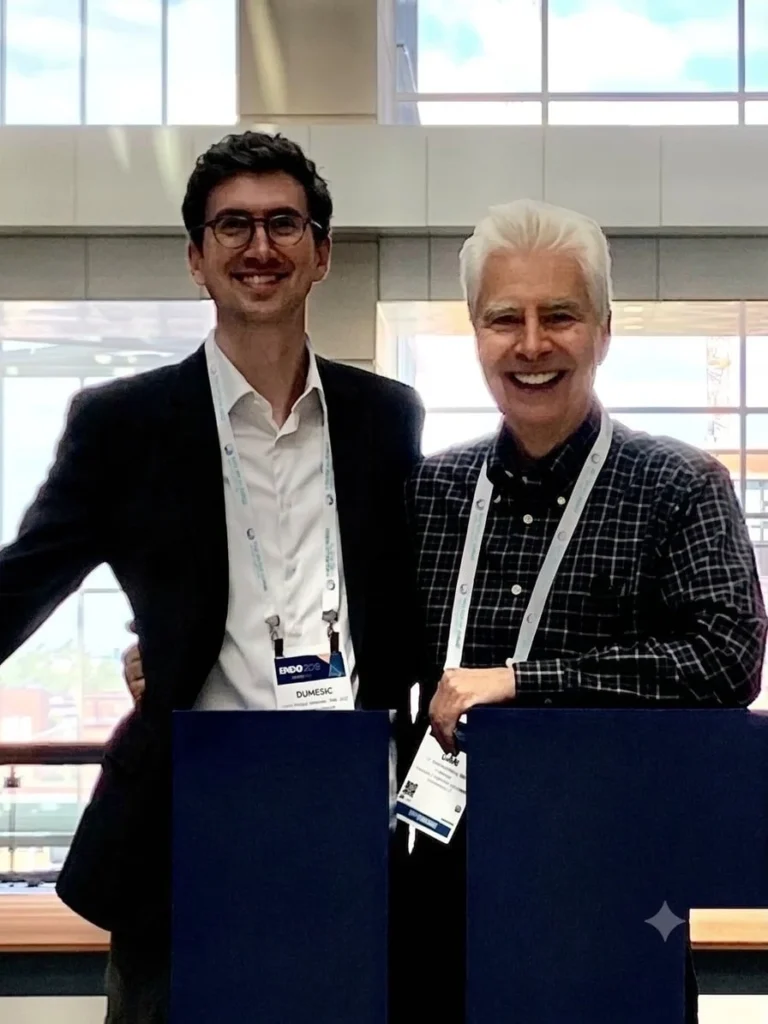
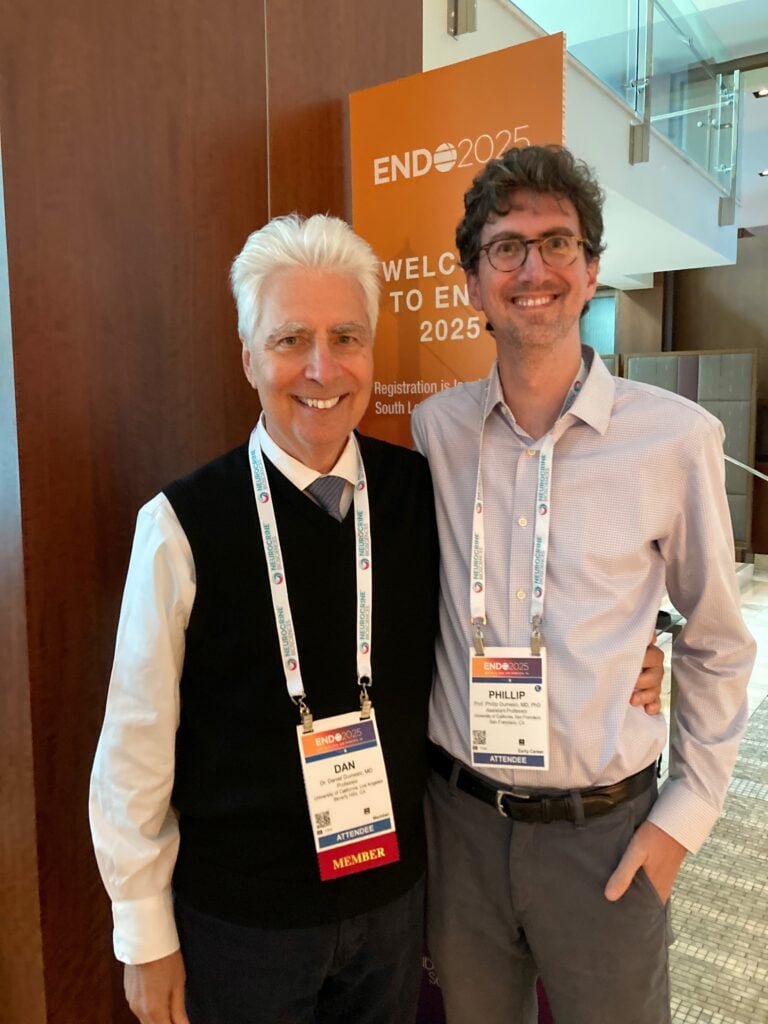
The upcoming ENDO 2026 conference represents a rare and significant milestone in the field of endocrinology, as it features the converging research of a father and son whose separate academic paths have led them to the same biological intersection. Dr. Daniel Dumesic, a renowned expert in reproductive endocrinology at the David Geffen School of Medicine at UCLA, and his son, Dr. Phillip Dumesic, an assistant professor at the University of California, San Francisco (UCSF) Diabetes Center, are set to showcase work that, while developed in different laboratories, provides two essential chapters of the same physiological story. Their participation highlights not only a familial legacy but also the evolving nature of metabolic research, which increasingly bridges the gap between clinical observation and molecular basic science.
The ENDO 2026 Conference and the Mangelsdorf Legacy
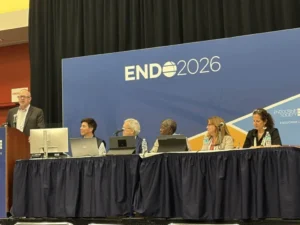
The Endocrine Society’s annual meeting, ENDO 2026, serves as a premier global stage for the latest breakthroughs in hormone research and clinical care. For the Dumesic family, the event is particularly noteworthy. Dr. Daniel Dumesic will be attending alongside Michelle M. Song, a medical student researcher from his UCLA laboratory. Song is a recipient of an Endocrine Society travel award, recognized for her investigation into the biological pathways underlying the triglyceride glucose-body mass index (TyG-BMI) in normal-weight women. This research seeks to identify metabolic dysfunction in individuals who do not fit the traditional phenotypic profile of obesity, a critical area of study for early intervention in endocrine disorders.
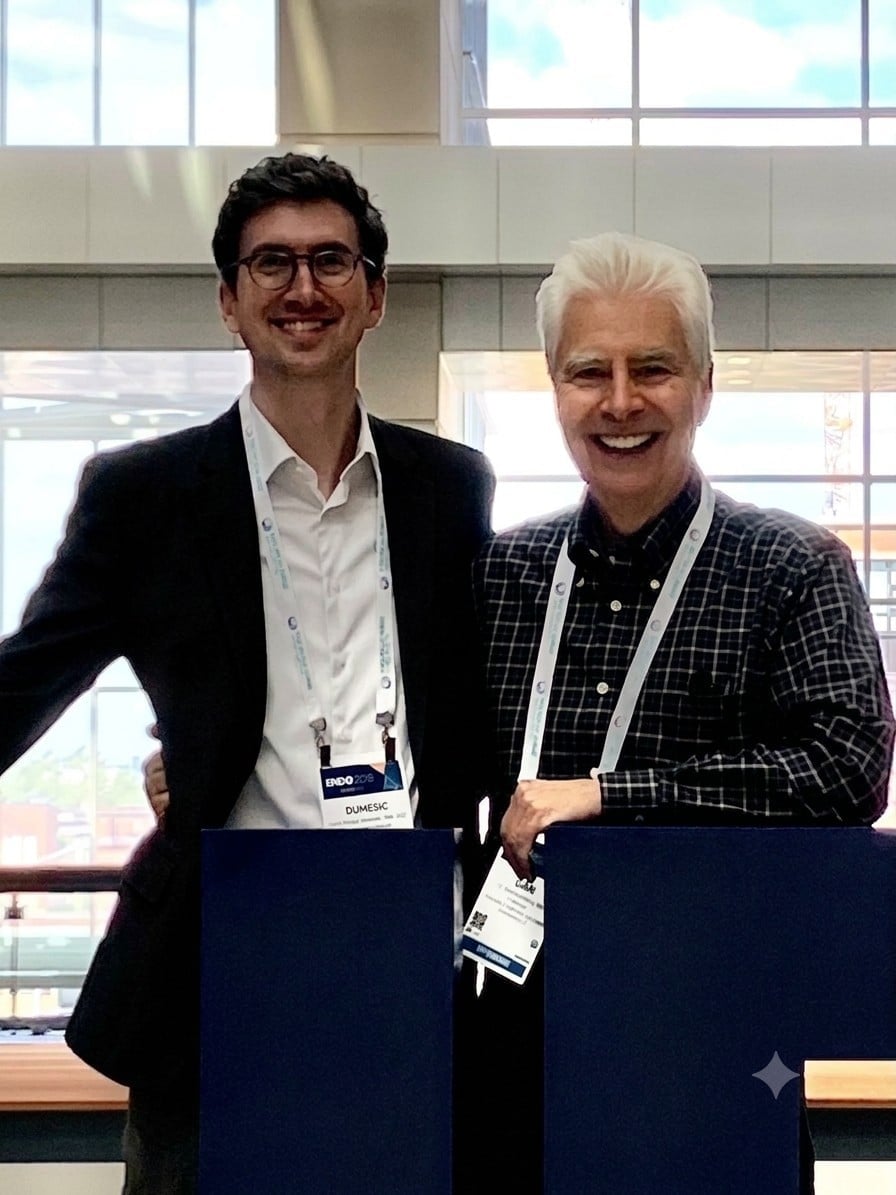
Simultaneously, Dr. Phillip Dumesic will play a leadership role at the conference as the co-chair of a symposium honoring the late Dr. David Mangelsdorf. A titan in the field from the University of Texas Southwestern Medical Center, Mangelsdorf was a pioneer in the study of orphan nuclear receptors. His discovery of key cellular signaling pathways has had a profound impact on the understanding of various metabolic diseases. Mangelsdorf’s recent passing, shortly after receiving the Endocrine Society’s Edwin B. Astwood Award for Outstanding Research in Basic Science, adds a layer of solemnity and importance to the symposium Phillip is leading. The connection between the Dumesics and the Mangelsdorf legacy underscores a shared commitment to the rigorous investigation of how chemical signals govern human health.
From PCOS to PMOS: A Paradigm Shift in Nomenclature
A central theme of Daniel Dumesic’s career has been the study of Polycystic Ovary Syndrome (PCOS). However, just prior to the 2026 gathering, the medical community reached an international consensus to rename the condition. It is now officially known as Polyendocrine Metabolic Ovarian Syndrome (PMOS). This change is far more than a semantic update; it reflects a fundamental shift in the scientific understanding of the disorder. Historically described as Stein-Leventhal syndrome in the 1930s, the condition was later termed PCOS due to the appearance of small, arrested follicles in the ovaries.
The new designation, PMOS, acknowledges that the syndrome is a multisystemic disorder rather than a localized ovarian issue. According to the Endocrine Society, PMOS affects approximately one in eight women worldwide, making it one of the most prevalent endocrine disorders among reproductive-aged populations. The hallmarks of the condition include an overproduction of androgens (male hormones), menstrual irregularity, and metabolic complications. The "polycystic" label was increasingly viewed as a misnomer because the follicles involved are not pathological cysts. By incorporating "metabolic" into the name, clinicians aim to highlight the long-term risks associated with the syndrome, such as type 2 diabetes, cardiovascular disease, and hepatic steatosis (fatty liver).
The Evolutionary Basis of Metabolic Adaptation
Dr. Daniel Dumesic’s recent contributions involve reframing PMOS through the lens of evolutionary biology. In research published in Endocrinology in late 2025, Dumesic and his collaborators—including evolutionary biologist Bernard Crespi and long-time associates Vasantha Padmanabhan and David Abbott—posited that the traits associated with PMOS were once survival advantages. In ancient environments characterized by food scarcity and high physical demand, traits like insulin resistance and preferential abdominal fat storage would have preserved glucose for the brain and provided energy reserves during famines.
Hyperandrogenism, another hallmark of PMOS, may have conferred physical benefits, such as increased muscle strength and bone density, which were vital for foraging, hunting, and defense. This evolutionary model explains why female athletes often show a higher prevalence of PMOS traits. However, in the modern "obesogenic" environment, these ancient adaptations have become liabilities. The transition from subsistence-level lifestyles to Westernized "market integration" has transformed these survival mechanisms into drivers of chronic disease. When the high-energy diet of the modern world meets a genetic predisposition for efficient fat storage, the result is the rapid onset of metabolic pathology.
Molecular Mechanisms and the Role of the Adipocyte
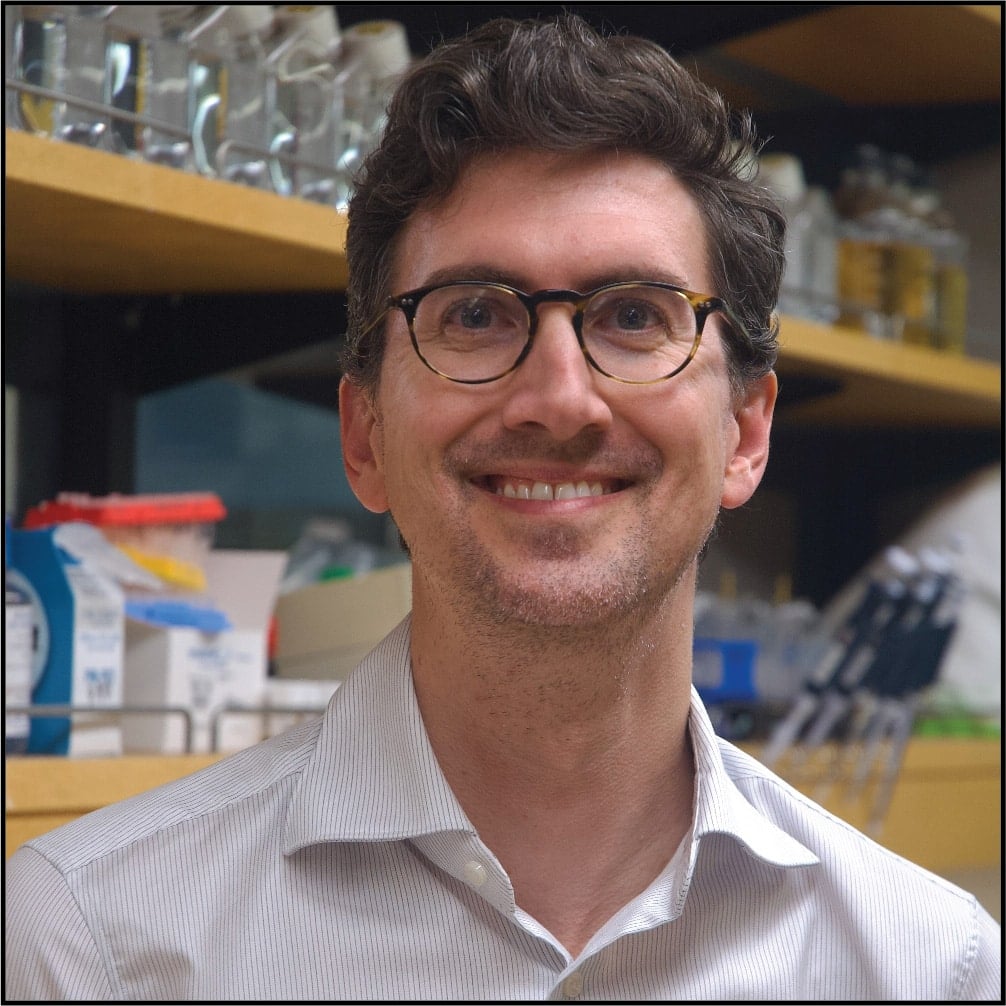
While Daniel Dumesic approaches the problem from a clinical and evolutionary perspective, Phillip Dumesic investigates the molecular "switchboard" that controls these processes. Phillip’s academic journey took him from cancer biology at Stanford to a combined MD-PhD program at UCSF, where he specialized in gene silencing and chromatin regulation. His postdoctoral work at the Dana-Farber Cancer Institute under Dr. Bruce Spiegelman focused on how cells decide to use or store energy at the level of mRNA translation and mitochondrial biogenesis.
The two researchers’ work converges at the adipocyte, or fat cell. Daniel’s collaborative work with Dr. Gregorio Chazenbalk revealed that adipose stem cells in women with PMOS show accelerated lipid accumulation. This process is highly sensitive to circulating androgen levels. When patients were treated with the anti-androgen flutamide, this accelerated fat storage was partially reversed. Phillip’s laboratory at the UCSF Diabetes Center is now digging deeper into the specific proteins and genetic signals that tell these cells how to differentiate and function. By understanding the "reductionist" molecular details of how a stem cell chooses to become a fat cell rather than a muscle cell, Phillip provides the foundational data that explains the clinical phenomena Daniel observes in his patients.
Supporting Data and Clinical Implications
The urgency of the Dumesics’ research is supported by startling longitudinal data. A 17-year prospective study published in the journal Diabetes found that women with what is now called PMOS have a nearly seven-fold higher risk of developing type 2 diabetes compared to the general population. Specifically, the study noted a 39.3% prevalence of diabetes in the PMOS group versus 5.8% in the control group. This risk is exacerbated by high baseline BMI and elevated fasting glucose levels, but it is also intrinsically linked to androgen excess.
The clinical takeaway from this data is the necessity of a proactive, rather than reactive, approach. Daniel Dumesic emphasizes that once significant weight gain occurs in PMOS patients, the metabolic "cycle" becomes much harder to break. This has led to an increased focus on pediatric endocrinology. Identifying PMOS in adolescents—who may show signs of testosterone overproduction and menstrual irregularity before the onset of obesity—allows for early lifestyle interventions that can prevent the metabolic acceleration seen in adulthood.

Broader Impact and the Future of Basic Science
The Dumesic story is emblematic of a broader trend in modern medicine: the integration of disparate fields to solve complex systemic problems. The "handoff" of the scientific baton from father to son is not merely a personal anecdote but a professional synergy. As Phillip Dumesic establishes his laboratory, he aims to take the molecular insights gained from basic science and apply them to the systemic physiology that his father has studied for decades.
The challenge, as Phillip notes, is the increasingly difficult environment for basic science funding. In an era where researchers often remain in specialized silos, the Endocrine Society provides a crucial venue for cross-pollination. The Dumesics’ work suggests that the future of treating metabolic disease lies in this intersection—where evolutionary history, molecular gene regulation, and clinical intervention meet. By understanding how the body was programmed to survive the past, these researchers hope to reprogram it to thrive in the future, ultimately breaking the intergenerational cycle of metabolic dysfunction that affects millions of women globally.