










Postpartum depression (PPD), a debilitating condition affecting an estimated 1 in 5 women globally, is now being approached with a novel, empowering tool that aims to connect the intricate dots between maternal mental health and nutritional status. Maryann Walsh, a registered dietitian with personal experience of PPD, has developed the ISLA protocol – an Integrated Symptom and Lab Assessment for maternal mental health. This evidence-based platform merges established mental health questionnaires with specific nutrient biomarker ranges, offering women a pathway to understand if deficiencies in essential vitamins and minerals may be contributing to their struggles.
The significance of micronutrients in mental well-being, particularly during the vulnerable postpartum period, has long been an area of increasing scientific interest. Research has indicated that imbalances in trace elements and vitamin D insufficiency, for example, can play a notable role in the onset or exacerbation of PPD. However, this crucial connection has often remained opaque to many new mothers navigating the profound physical and emotional shifts following childbirth. Walsh’s initiative seeks to bridge this knowledge gap, providing a free, accessible resource designed to complement, not replace, traditional therapeutic and pharmacological interventions.
The ISLA protocol, named in honor of Walsh’s daughter, represents a proactive approach to maternal mental health. By integrating symptom assessment with objective laboratory data, the tool aims to illuminate potential nutritional underpinnings of PPD. Users can access the protocol online, which guides them through a series of questions related to their mental health and well-being. Crucially, the platform also facilitates the process of obtaining necessary blood tests to assess nutrient levels. This can be achieved through partnerships, such as with Quest Diagnostics via Fullscript, or by providing a comprehensive test list that women can take to their own healthcare providers.

Walsh’s motivation stems from her own journey. "While medication and therapy were instrumental in my personal struggle," she explained, "it’s vital that all potential contributing factors are part of the conversation. Women deserve to have a comprehensive understanding of what might be impacting their mental health." The development of the ISLA protocol involved a deep dive into the scientific literature, where Walsh identified specific micronutrient imbalances, such as those involving copper and zinc, that can profoundly affect mental health. The ISLA protocol alerts users to these potential imbalances and offers evidence-based nutritional strategies, including dietary adjustments and targeted supplementation, to address them.
"There needs to be greater awareness about the direct correlation between micronutrients and mental health status," Walsh emphasized. "Our goal is to make these assessments a standard part of care for women. By empowering them with this knowledge, we can foster more open conversations about mental health and ensure that no avenue for healing is overlooked." She also called upon the dietary supplement industry to play a more active role in educating consumers and providing evidence-based recommendations that support this critical cause.

The implications of this development are far-reaching. By demystifying the complex interplay between nutrition and mental health, the ISLA protocol has the potential to destigmatize conversations around PPD and encourage a more holistic approach to maternal care. In a healthcare landscape often characterized by fragmented approaches, a tool that integrates mental health screening with actionable nutritional insights offers a promising avenue for improved patient outcomes. The focus on empowering women to take an active role in understanding their health, particularly during a period of significant physiological change, aligns with a growing trend towards personalized and preventative healthcare.
The Growing Body of Evidence for Micronutrients in Mental Health
The scientific community has been increasingly recognizing the intricate relationship between micronutrient status and mental well-being, with a particular focus on perinatal mental health. Numerous studies have explored the impact of specific vitamins and minerals on mood regulation, cognitive function, and overall psychological health.
Vitamin D: This fat-soluble vitamin plays a crucial role in numerous physiological processes, including neurotransmitter synthesis and neuroprotection. Low levels of Vitamin D have been consistently linked to an increased risk of depression, including PPD. A meta-analysis published in the British Journal of Psychiatry found a significant association between low Vitamin D status and depression, with a greater effect observed in women during the perinatal period.
B Vitamins: A complex group of vitamins, B vitamins are essential for energy metabolism and the synthesis of neurotransmitters like serotonin, dopamine, and norepinephrine, all of which are critical for mood regulation. Deficiencies in B vitamins, such as folate (B9), vitamin B6, and vitamin B12, have been implicated in various mental health disorders, including depression. Studies have shown that supplementation with certain B vitamins can improve depressive symptoms in individuals with deficiencies.
Iron: Iron is vital for oxygen transport to the brain and is involved in the production of neurotransmitters. Iron deficiency anemia is common during pregnancy and can persist postpartum. Symptoms of iron deficiency can overlap with those of PPD, including fatigue, irritability, and difficulty concentrating. Research has indicated that correcting iron deficiency can lead to improvements in mood and cognitive function in postpartum women.
Magnesium: This essential mineral is involved in over 300 enzymatic reactions in the body, including those related to neurotransmitter function and stress response. Magnesium deficiency has been associated with increased anxiety and depression. Some studies suggest that magnesium supplementation may have a beneficial effect on symptoms of PPD.
Omega-3 Fatty Acids: These essential fats, found in fatty fish and certain plant sources, are crucial components of brain cell membranes and play a role in reducing inflammation, which has been linked to depression. Research has indicated that adequate intake of omega-3s may offer protective effects against PPD.
Trace Elements (Zinc, Copper, Selenium): Zinc is involved in neurotransmitter signaling and neurogenesis. Copper plays a role in neurotransmitter metabolism. Selenium is an antioxidant that protects brain cells from damage. Imbalances in these trace elements have been observed in individuals with depression, and their restoration may contribute to improved mental health.
The ISLA protocol’s approach of integrating symptom assessment with laboratory biomarker analysis for these and other key micronutrients offers a practical and evidence-based strategy to identify and address potential nutritional contributors to PPD. By providing women with concrete data and actionable recommendations, Walsh’s tool moves beyond general nutritional advice to personalized intervention, empowering them to take a more proactive stance in their mental health journey.
Supplement Industry News Highlights
Beyond the groundbreaking work on PPD, the supplement industry continues to evolve with significant developments in product innovation, clinical research, and corporate strategy.
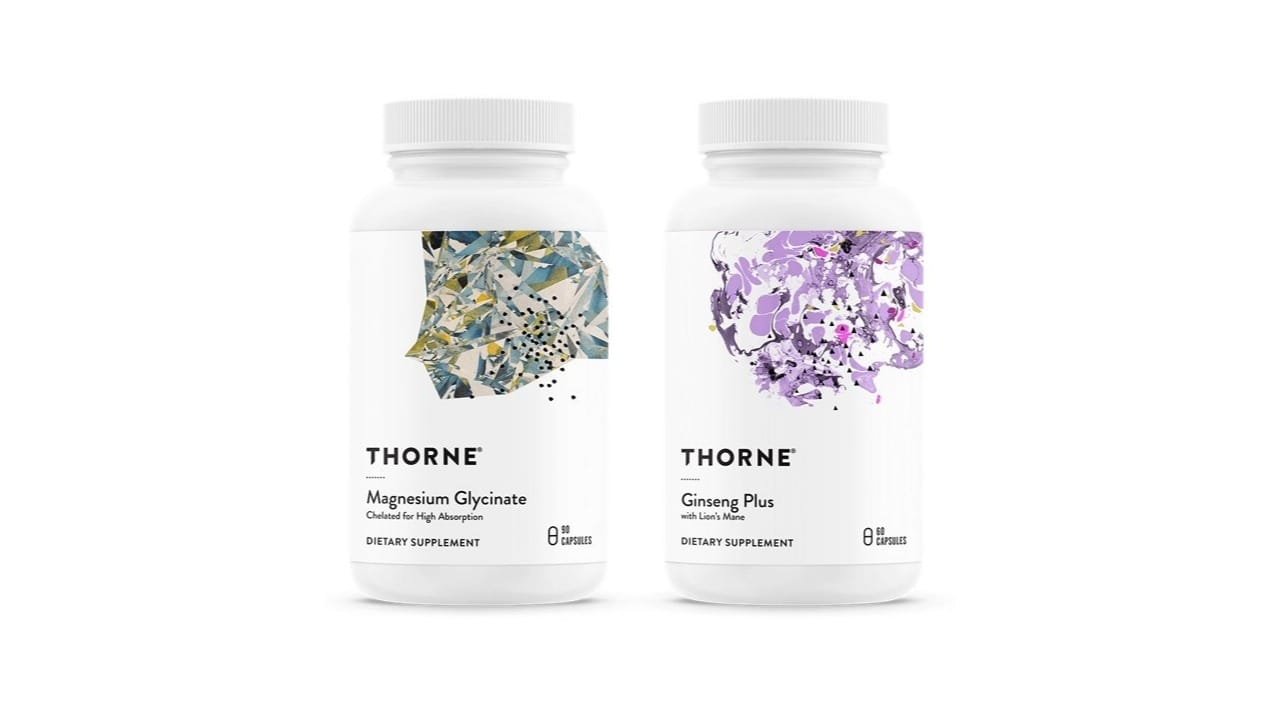
Thorne Research’s Promising Consumer Studies: Thorne Research has reported positive outcomes from independent consumer studies evaluating their Magnesium Glycinate and Ginseng Plus products. These studies, which typically involve real-world usage and participant feedback, provide valuable insights into the efficacy and user experience of their formulations. Magnesium Glycinate is a highly bioavailable form of magnesium, known for its calming properties and role in muscle relaxation, sleep, and mood regulation. Ginseng Plus, likely incorporating various forms of ginseng, is often utilized for its adaptogenic properties, which may help the body manage stress and improve energy levels. The company’s commitment to supporting its product claims with consumer data underscores a growing emphasis on transparency and evidence-based marketing within the supplement sector.
Amare Global’s NeuCollagen Focus: Amare Global has introduced NeuCollagen, a dietary supplement that leverages six science-backed, branded ingredients. This product is designed to address multiple consumer needs typically associated with collagen supplements, including "beauty from within" – focusing on skin, hair, and nail health – and joint health. The strategic use of branded ingredients signifies a commitment to quality and a reliance on proprietary research and clinical data that support the efficacy of specific compounds. This approach allows consumers to identify products with ingredients that have undergone rigorous testing and validation, fostering greater trust and informed purchasing decisions. The multi-faceted approach of NeuCollagen reflects the industry’s trend towards comprehensive wellness solutions that target multiple health concerns with single, well-formulated products.

GLP-1 Medications and Fiber Supplementation: A notable development within the broader health and wellness landscape, and one that has significant implications for the supplement industry, is the increasing use of Glucagon-Like Peptide-1 (GLP-1) receptor agonists for weight management and type 2 diabetes. These medications, such as semaglutide and liraglutide, often lead to reduced appetite and slower gastric emptying. This can, in turn, contribute to gastrointestinal side effects, including constipation. Consequently, there is a growing demand for fiber supplements that can help mitigate these effects and support digestive regularity. Companies are exploring various forms of soluble and insoluble fibers, as well as prebiotics, to cater to this evolving market need. The interplay between pharmaceutical interventions and nutritional support highlights an emerging area for innovation and collaboration within the health sciences.
Company and Organization Updates: The supplement industry is dynamic, with ongoing shifts in leadership, investment, and strategic direction. Companies are continuously seeking to innovate, expand their market reach, and strengthen their scientific foundations. News regarding new CEOs, mergers, acquisitions, and significant investments often signals shifts in market focus and competitive landscapes. These updates are crucial for stakeholders to understand the evolving trajectory of the industry, identify potential partnership opportunities, and anticipate future trends. For example, the launch of new early-stage companies or the reformulation of existing brands with enhanced, science-backed ingredients demonstrate the industry’s commitment to continuous improvement and adaptation.
The constant influx of scientific research, product innovations, and market dynamics underscores the vitality and complexity of the dietary supplement industry. As consumers become more discerning and health-conscious, the emphasis on evidence-based products, transparent communication, and addressing specific health needs – such as those highlighted by Maryann Walsh’s ISLA protocol – will continue to shape its future.