








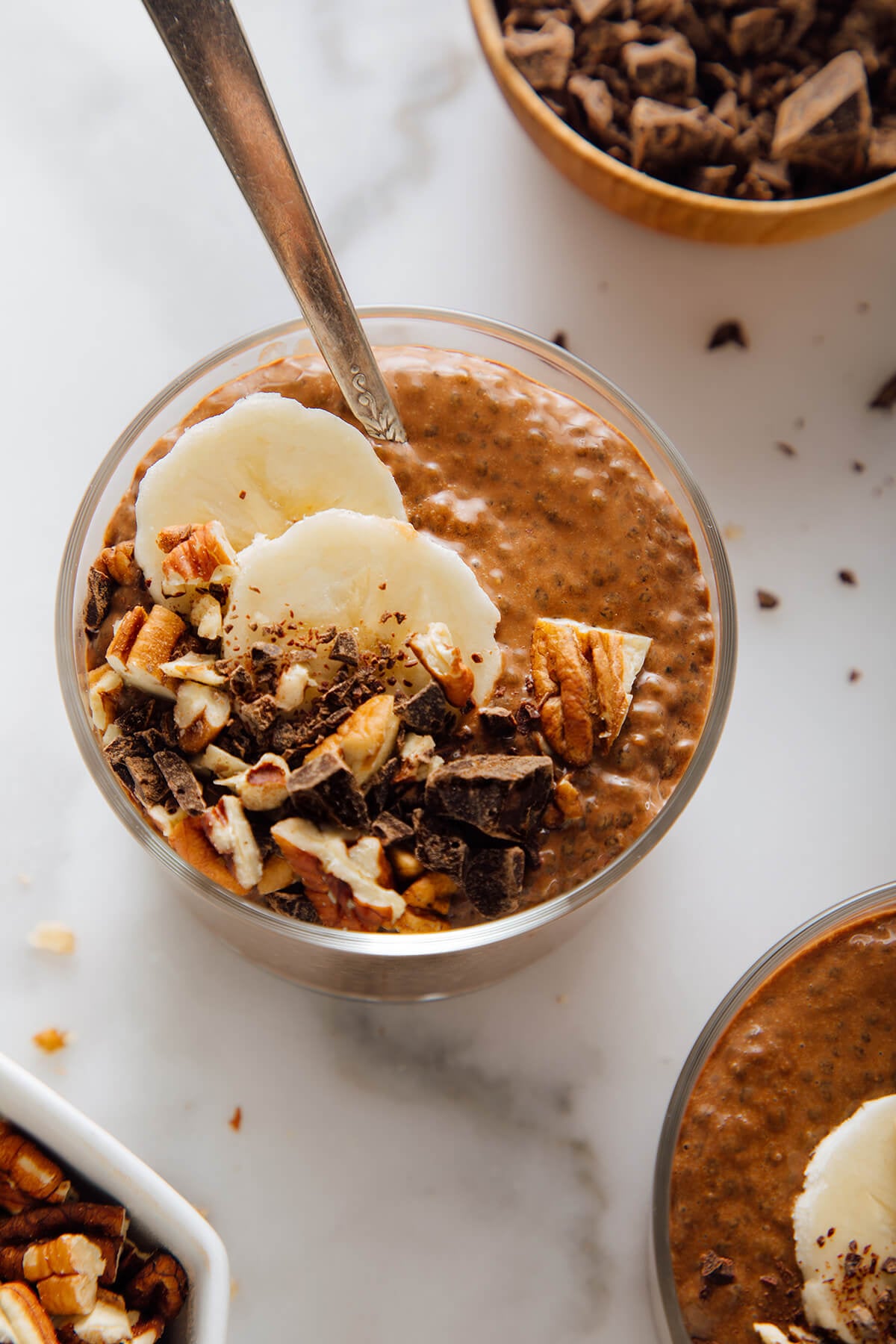
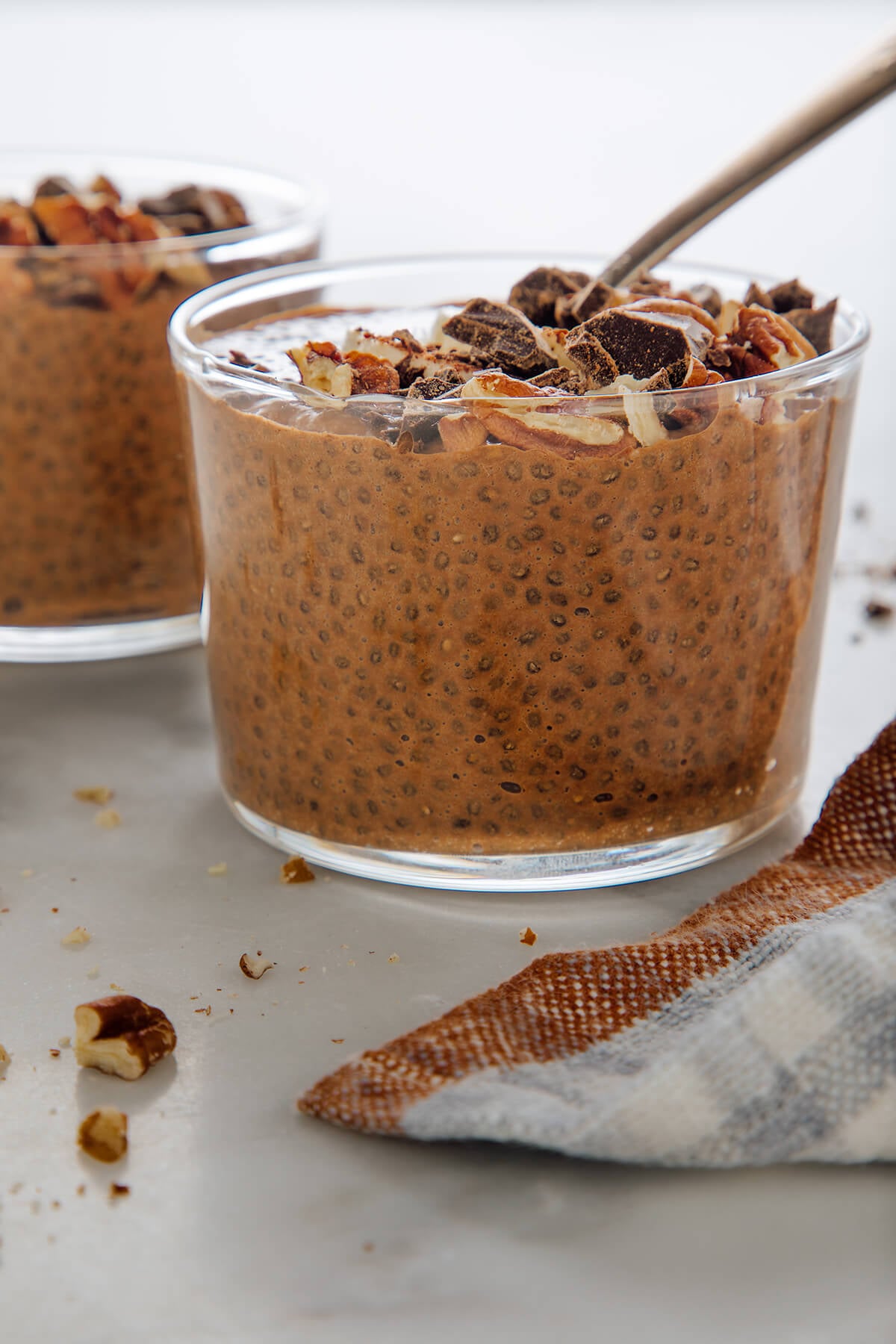
A simple yet profoundly satisfying chocolate chia seed pudding recipe is garnering significant attention for its remarkable ability to blend indulgence with robust nutritional benefits. This innovative dessert offers a compelling alternative to traditional sweet treats, appealing to a growing demographic of health-conscious consumers who refuse to compromise on flavor. Far from the often-disappointing "healthy" imitations that betray their unconventional ingredients, this particular chia pudding stands out as a genuinely wholesome and delicious option, marking a notable shift in the landscape of convenient, nutritious desserts.
The appeal of this chocolate chia seed pudding lies in its straightforward preparation and its impressive nutritional profile. Unlike conventional custard-based puddings that often require intricate cooking processes and can be heavy in sugar and saturated fats, this recipe demands only four core ingredients and relies on a simple chilling period to achieve its desired texture. The result is a creamy, chocolatey treat boasting approximately 8 grams of fiber, 5 grams of plant-based protein, and a substantial dose of healthy fats per serving. This makes it an ideal choice for breakfast, a healthy snack, or a guilt-free dessert, aligning perfectly with contemporary dietary trends emphasizing nutrient density and plant-based consumption.
The Rise of Mindful Indulgence: A Culinary Background
The increasing popularity of recipes like the chocolate chia seed pudding is not an isolated phenomenon but rather a reflection of broader shifts in global dietary patterns and consumer preferences. Over the past decade, there has been a significant surge in demand for foods that not only taste good but also contribute positively to overall health and well-being. This movement, often termed "mindful eating," has led to a reevaluation of traditional dessert categories, pushing innovators to develop options that can satisfy cravings without derailing nutritional goals.
Historically, desserts were often seen as pure indulgence, rich in sugar, fat, and calories. However, modern consumers are increasingly seeking functional foods – those that offer health benefits beyond basic nutrition. This cultural pivot has fueled the rise of plant-based alternatives, gluten-free options, and recipes that leverage "superfoods" for their inherent nutritional value. The chocolate chia seed pudding embodies this trend perfectly, transforming humble seeds and cocoa into a sophisticated, health-forward dessert. The rejection of "sneaky healthy ingredients" that alter the authentic taste of a dessert, as highlighted by culinary commentators, underscores the consumer desire for genuine flavor experiences even within the healthy eating paradigm. This pudding’s success lies in its ability to deliver an authentic chocolate experience without the tell-tale flavors of less conventional additions like avocado or sweet potato, which are often used to mimic creaminess.
Chia Seeds: An Ancient Superfood Reimagined
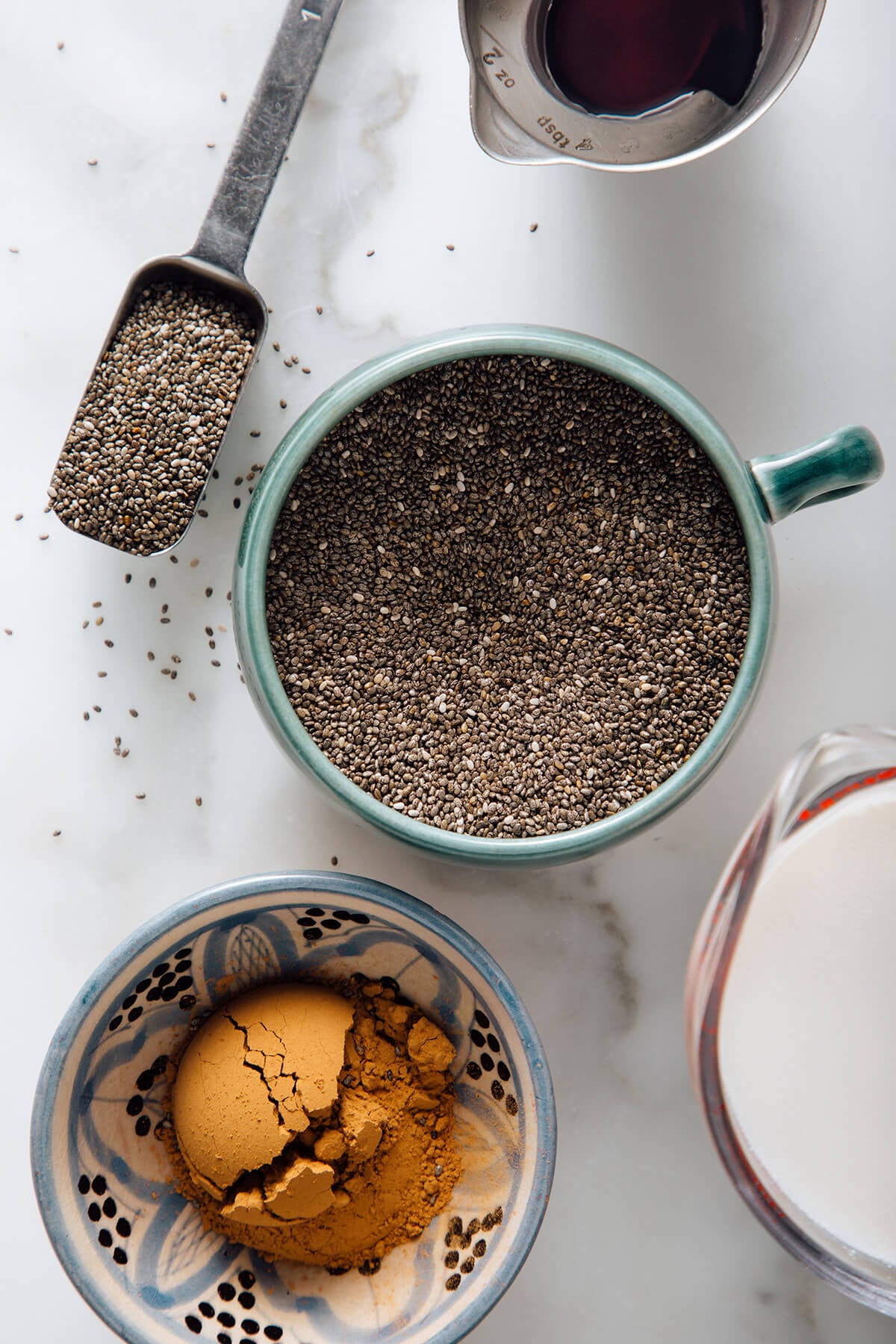
The central ingredient, chia seeds, plays a pivotal role in this dessert’s success and nutritional prowess. Originating from the desert plant Salvia hispanica, chia seeds were a staple food for ancient Aztec and Mayan civilizations, revered for their energy-boosting properties and medicinal value. Historical records indicate that these tiny seeds were consumed by warriors for stamina and used in religious rituals. Their re-emergence in the 21st century as a "superfood" is attributed to their exceptional nutritional density.
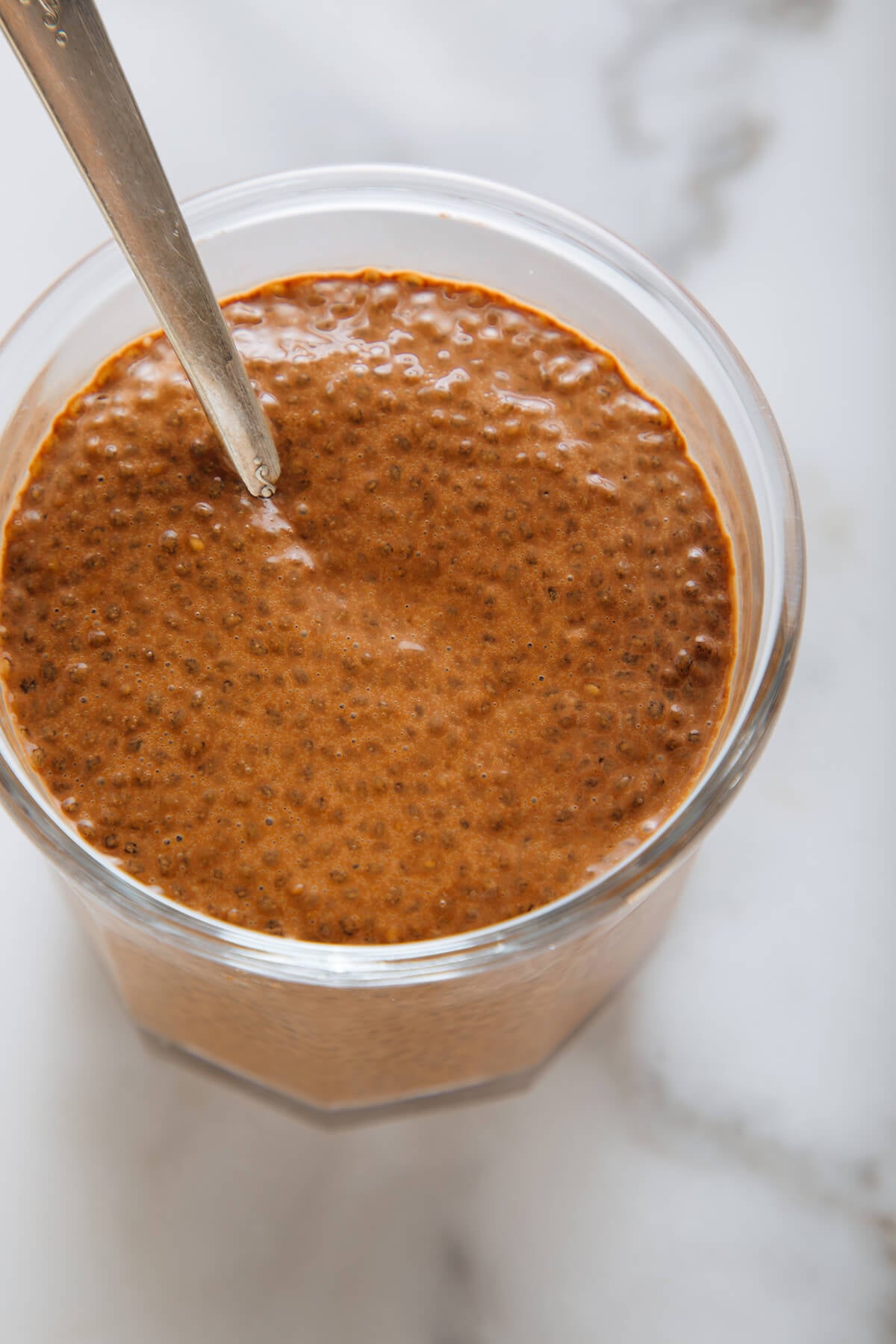
Chia seeds are an excellent source of omega-3 fatty acids, particularly alpha-linolenic acid (ALA), which is crucial for heart health and reducing inflammation. They are also packed with dietary fiber, which aids digestion, promotes satiety, and helps regulate blood sugar levels. Furthermore, chia seeds provide a good source of plant-based protein, calcium, magnesium, and phosphorus. What makes them uniquely suited for puddings is their hydrophilic nature; when exposed to liquid, they absorb up to 10-12 times their weight, forming a gelatinous coating that creates a thick, tapioca-like texture without the need for cooking or artificial thickeners. This natural gelling property is the "magic" that transforms a simple mixture into a luscious pudding, differentiating it significantly from more labor-intensive custard preparations.
The Simplicity of Creation: A Recipe for Modern Lifestyles
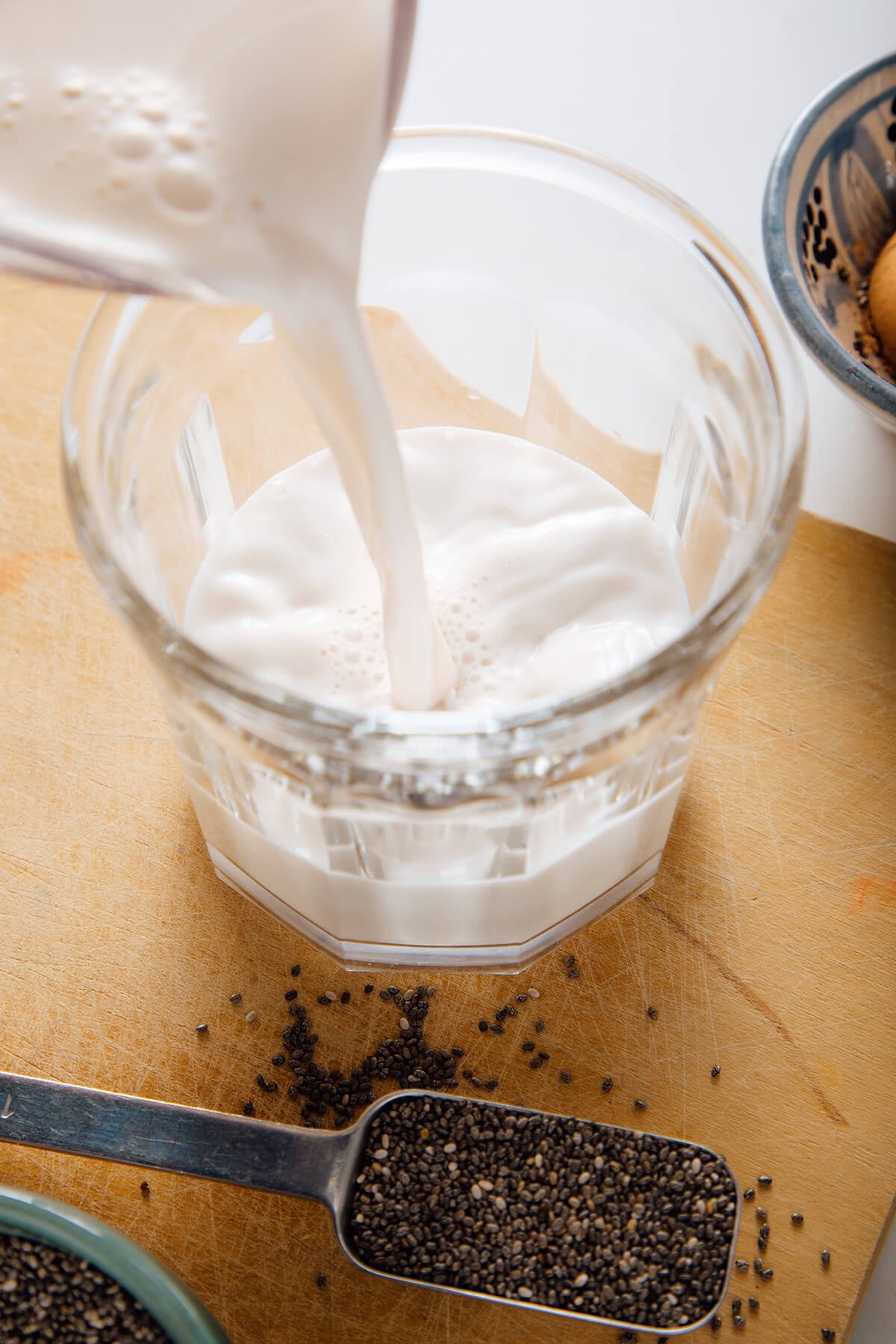
One of the most compelling aspects of this chocolate chia seed pudding is its remarkable ease of preparation, catering directly to the demands of modern, fast-paced lifestyles. The core recipe requires just four readily available ingredients: a milk of choice (with plant-based options like cashew, almond, or coconut milk being popular for their dairy-free benefits), chia seeds, unsweetened cocoa powder, and a natural sweetener such as maple syrup. This minimalist approach contrasts sharply with the often-complex ingredient lists and cooking steps associated with traditional desserts.
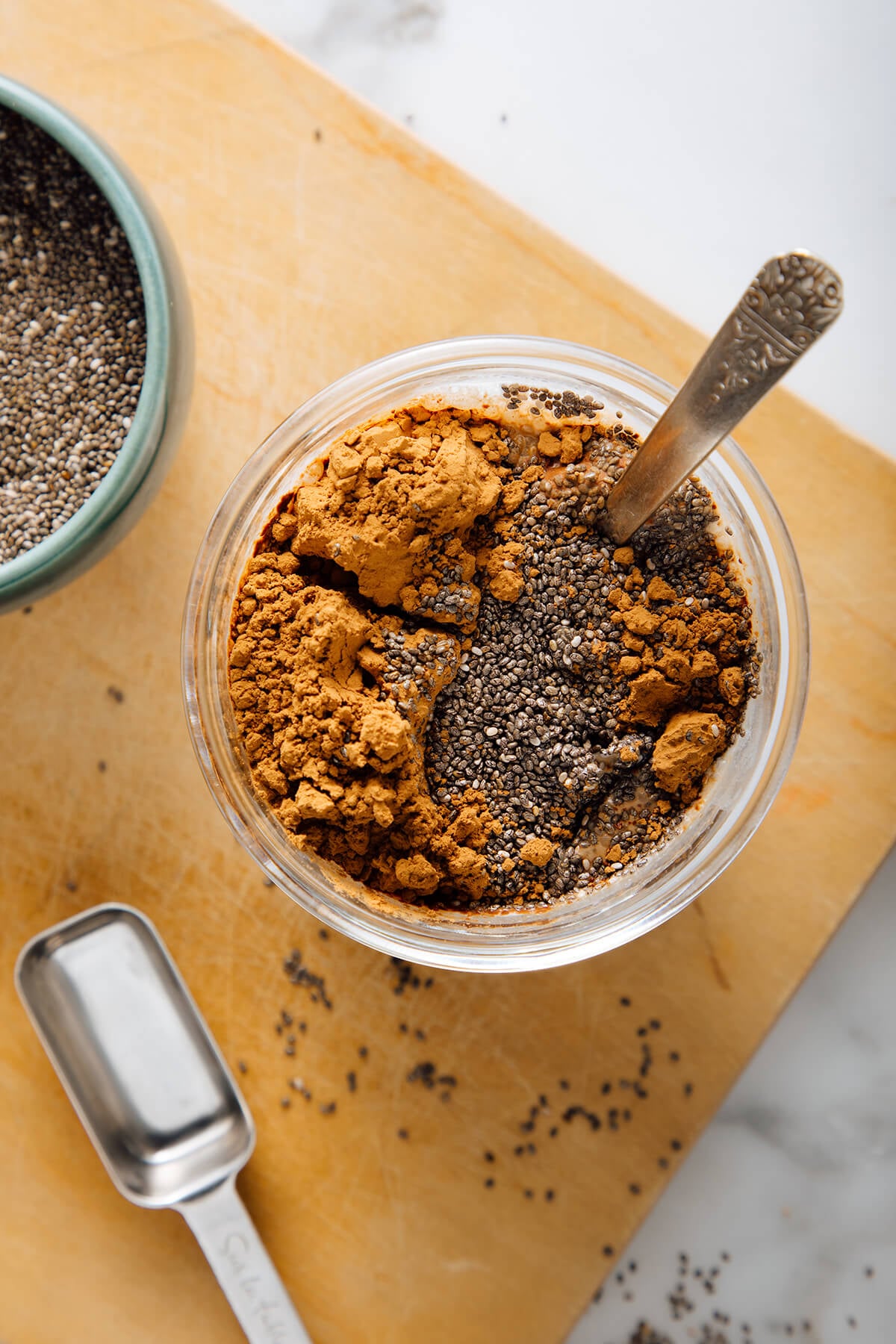
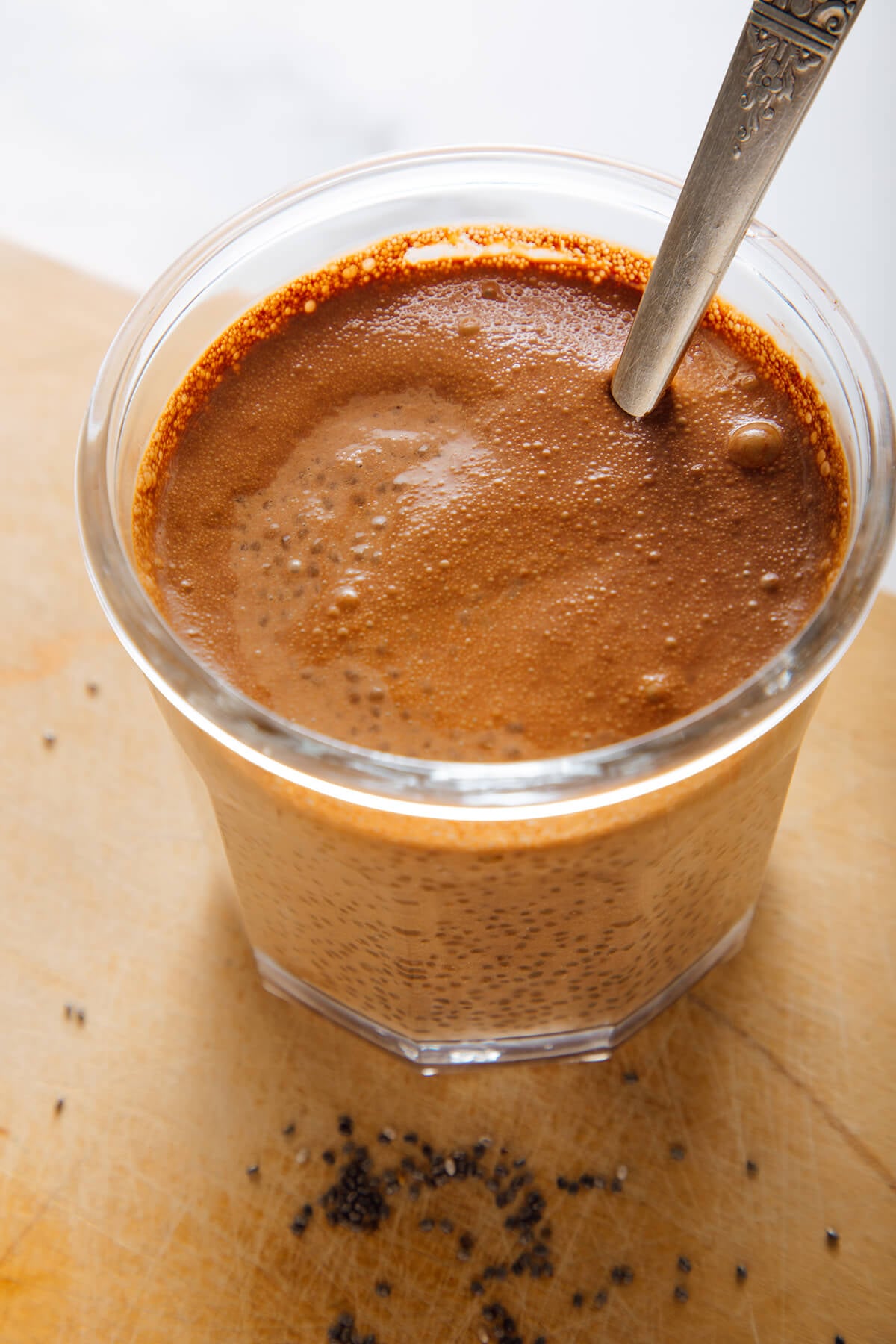
The preparation involves a straightforward mixing of these components, followed by a refrigeration period of a minimum of two hours, during which the chia seeds naturally plump and thicken the mixture. This "set and forget" methodology makes it an ideal meal prep item, allowing individuals to prepare it in advance for convenient breakfasts, snacks, or desserts throughout the week. The absence of cooking not only saves time but also preserves the delicate nutrients of the ingredients, particularly the omega-3 fatty acids in chia seeds, which can be sensitive to high heat.
Nutritional Deep Dive: Beyond the Indulgence
A detailed analysis of the pudding’s nutritional contributions reveals why it is celebrated as a genuinely healthy treat. The reported 8 grams of fiber per serving is substantial, addressing a common dietary shortfall in many modern diets. Dietary fiber is vital for digestive health, contributing to regular bowel movements, preventing constipation, and supporting a healthy gut microbiome. Moreover, fiber helps to slow down the absorption of sugar, leading to a more stable blood glucose response and sustained energy levels, thereby preventing the sugar crashes often associated with traditional desserts.
The 5 grams of plant-based protein are equally significant. Protein is essential for muscle repair, growth, and overall bodily function. For individuals following vegetarian or vegan diets, or simply looking to reduce their meat intake, this pudding offers a delicious way to boost protein consumption. Coupled with the healthy plant-based fats from chia seeds and potentially from the choice of milk (e.g., coconut milk), the pudding provides a balanced macronutrient profile that promotes satiety and can contribute to weight management efforts. The inclusion of cocoa powder not only imparts a rich chocolate flavor but also adds antioxidants, particularly flavonoids, which are known for their potential to improve heart health and cognitive function. Maple syrup, as a natural sweetener, provides a less refined alternative to granulated sugar, often containing trace minerals and a lower glycemic index depending on the quantity used.
Versatility and Customization: Tailoring to Every Palate
Beyond its core appeal, the chocolate chia seed pudding’s versatility allows for extensive customization, ensuring it can cater to a wide array of taste preferences and dietary requirements. This adaptability is a key factor in its broad acceptance and positions it as a staple in diverse culinary repertoires.
For those preferring a milder chocolate experience, reducing the cocoa powder yields a lighter, milk chocolate-like flavor, which can be particularly appealing to younger palates. Conversely, incorporating a teaspoon of chopped dark chocolate or mini chocolate chips can intensify the chocolate flavor and introduce an added textural dimension, effectively masking the subtle texture of the chia seeds for those who might be sensitive to it.
The pudding also serves as an excellent base for various flavor infusions. The addition of a tablespoon or two of peanut butter or almond butter transforms it into a rich, nutty chocolate dessert, reminiscent of popular confectionery pairings. This variation might necessitate a slight adjustment in sweetener to balance the savory notes of the nut butter. For individuals who prefer a completely smooth consistency, blending the set pudding on high speed until creamy eliminates any residual chia seed texture, offering a luxurious, mousse-like dessert.
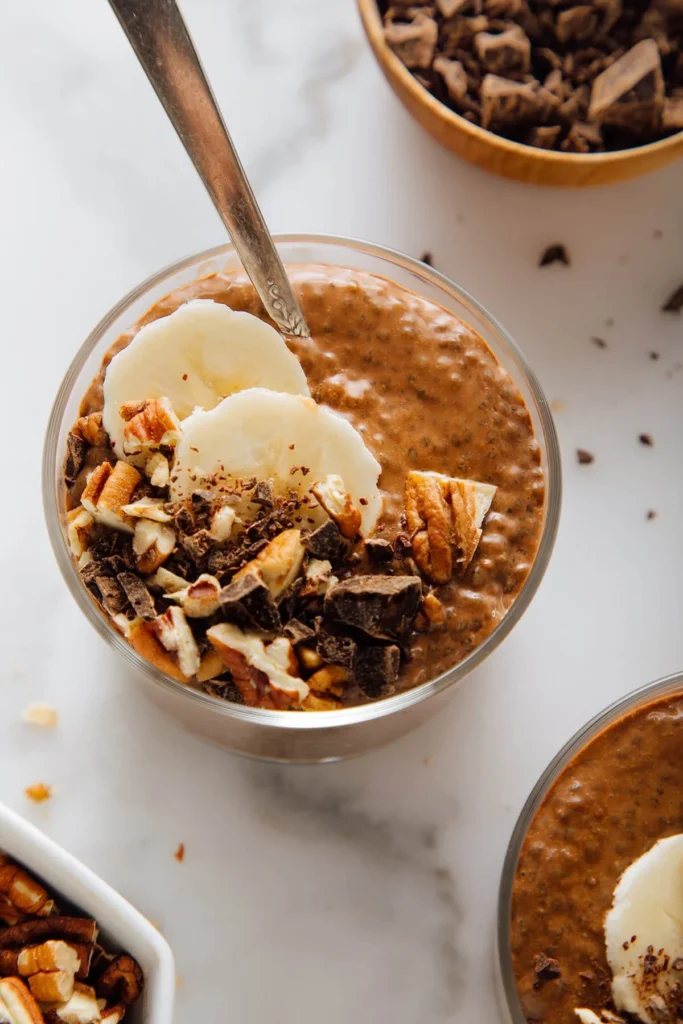
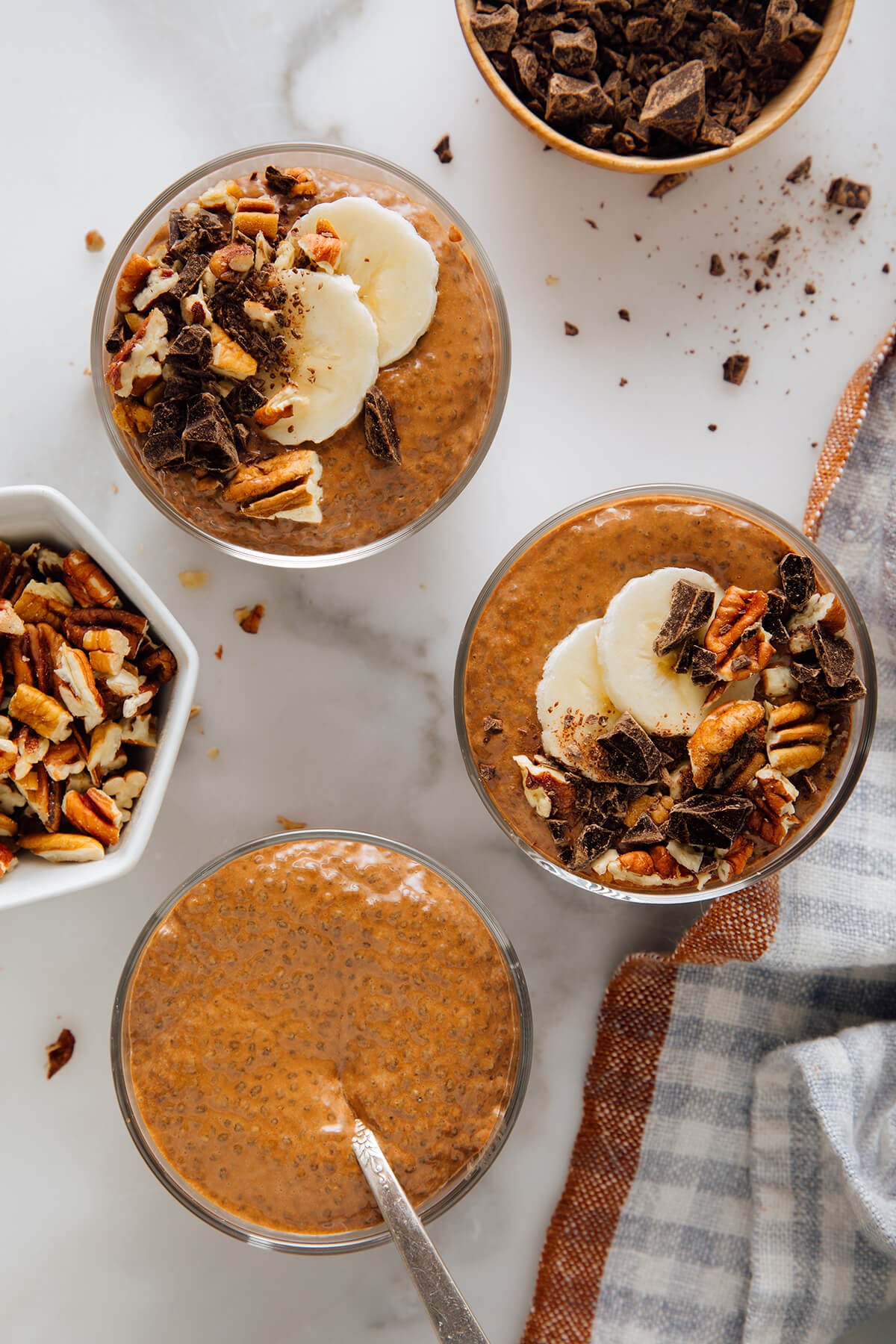
Topping options further expand its customizable potential. From sophisticated additions like chopped dark chocolate and toasted pecans or almonds to fresh berries, sliced bananas, granola, and shredded coconut, the possibilities are nearly endless. For a playful and child-friendly rendition, the pudding can be transformed into a "dirt pudding" with crushed cookies and gummy worms, cleverly introducing a nutritious treat in an engaging format. This level of customization ensures that the pudding remains fresh and exciting, encouraging regular consumption.
Ensuring Quality: The Importance of Fresh Ingredients
As with any recipe, the quality of ingredients significantly impacts the final product. A specific recommendation emphasized by culinary experts is the use of fresh chia seeds. Over time, chia seeds, like other oil-rich seeds, can become rancid, developing an off-putting smell reminiscent of old cooking oil. Checking the expiration date and performing a quick sniff test before use are simple yet crucial steps to ensure the pudding’s optimal flavor and nutritional integrity. Using fresh seeds guarantees the desired gelling property and a clean, neutral base flavor that allows the chocolate and chosen sweeteners to shine.
Implications for the Food Industry and Home Cooking
The growing popularity of accessible, nutritious, and delicious recipes like the chocolate chia seed pudding has significant implications for both the commercial food industry and the culture of home cooking. For food manufacturers, it signals a strong consumer demand for ready-to-eat healthy desserts and snack options that prioritize natural ingredients and functional benefits. This could lead to an increase in pre-packaged chia puddings in various flavors, catering to the grab-and-go market.
For home cooks, this recipe empowers individuals to take control of their diets, providing a simple yet sophisticated tool for creating wholesome treats from scratch. It demystifies healthy eating, proving that nutritious food does not have to be bland or complicated. This resurgence in home preparation of healthy alternatives contributes to a broader movement towards food literacy and sustainable eating practices. By encouraging the use of whole, unprocessed ingredients, such recipes also subtly promote a lower environmental footprint compared to highly processed, industrially produced desserts.
In conclusion, the chocolate chia seed pudding stands as a testament to the evolving landscape of modern gastronomy. It successfully marries the timeless pleasure of a chocolate dessert with the contemporary imperative for health and wellness. Its simplicity, nutritional density, and remarkable versatility position it not merely as a recipe but as a culinary innovation that addresses the sophisticated demands of today’s discerning consumers, proving that true indulgence can indeed be a cornerstone of a healthy lifestyle.