





The agricultural and chemical landscape of the United States faces a significant upheaval as Bayer AG, the German conglomerate that acquired Monsanto in 2018, has formally warned the Trump administration of its potential exit from the U.S. glyphosate market. This ultimatum follows the release of the "Make America Healthy Again" (MAHA) report in May, spearheaded by Health Secretary Robert F. Kennedy Jr., which explicitly linked the weedkiller Roundup to a spectrum of chronic health issues among Americans. While Bayer has contended with legal and regulatory challenges regarding its flagship herbicide for years, the inclusion of glyphosate as a primary health concern in an official White House document has reportedly pushed the company to a breaking point. The potential withdrawal of Roundup—the most widely used herbicide in the world—threatens not only the operational stability of American industrial farming but also raises critical national security questions regarding the domestic production of phosphorus, a mineral essential for defense, technology, and food security.
The MAHA Report and the Shift in Federal Policy
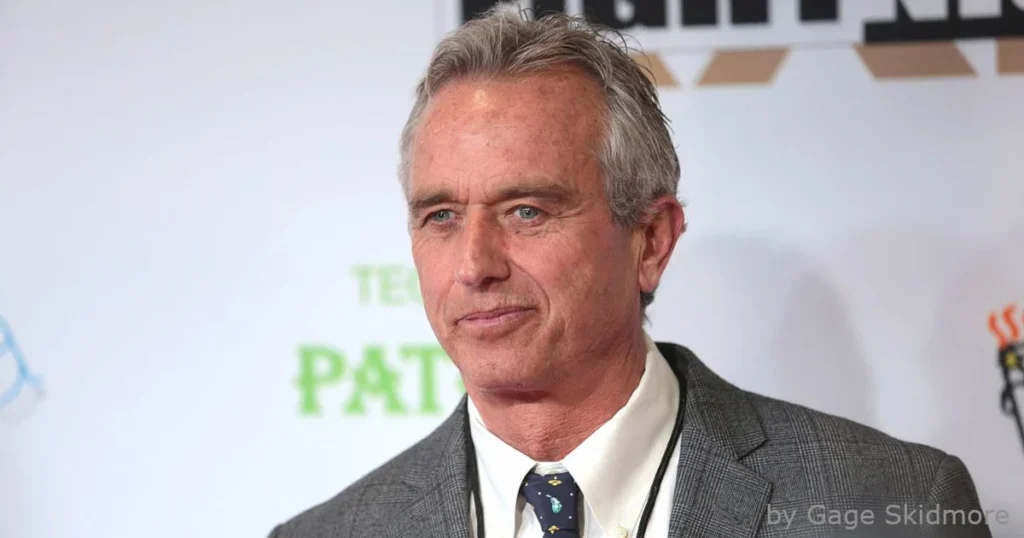
The catalyst for Bayer’s latest warning was the publication of the Make America Healthy Again report, a cornerstone of the Trump administration’s health policy platform. Secretary Robert F. Kennedy Jr. has long been a vocal critic of glyphosate, the active ingredient in Roundup, citing various studies that suggest a link between the chemical and non-Hodgkin’s lymphoma, as well as endocrine disruption. The May report marked the first time these concerns were codified into a formal government strategy, signaling a departure from previous Environmental Protection Agency (EPA) stances that generally maintained glyphosate’s safety when used as directed.
According to internal communications and statements provided to the White House, Bayer executives indicated that the official government stance labeling their product as a public health hazard makes the continued sale and defense of glyphosate in the U.S. untenable. The company has already faced thousands of lawsuits, resulting in billions of dollars in settlements and jury awards. The MAHA report provides a new layer of regulatory and legal vulnerability, potentially emboldening future litigants and complicating the company’s efforts to secure federal liability protections.

A Chronology of the Glyphosate Controversy
To understand the current impasse, it is necessary to examine the timeline of Roundup’s evolution from an agricultural breakthrough to a legal liability:
- 1974: Monsanto introduces glyphosate under the brand name Roundup. It quickly becomes the gold standard for weed control due to its effectiveness and perceived low toxicity to humans compared to previous herbicides.
- 1996: The introduction of "Roundup Ready" genetically modified crops (soybeans, corn, and cotton) allows farmers to spray entire fields with the herbicide without harming the crops, revolutionizing global agriculture.
- 2015: The International Agency for Research on Cancer (IARC), a branch of the World Health Organization (WHO), classifies glyphosate as "probably carcinogenic to humans." This classification triggers a massive wave of litigation in the United States.
- 2018: Bayer acquires Monsanto for $63 billion. Almost immediately, the company loses several high-profile court cases in California, with juries awarding hundreds of millions of dollars to plaintiffs who claimed Roundup caused their cancer.
- 2020: Bayer announces a settlement of approximately $10.9 billion to resolve roughly 125,000 filed and unfiled claims. However, new cases continue to emerge.
- 2023-2024: Bayer intensifies lobbying efforts for legislative "shields" at the state and federal levels to protect the company from failure-to-warn lawsuits, arguing that EPA-approved labels should supersede state-level litigation.
- May 2025: The MAHA report is released, formally identifying glyphosate as a significant contributor to the "chronic disease epidemic" in the United States.
The Phosphorus Factor: A National Security Crisis
Beyond the immediate agricultural impact, Bayer’s potential exit from the U.S. market carries profound implications for the domestic supply of phosphorus. Bayer is currently the sole domestic producer of elemental phosphorus in the United States, operating a major mine and processing facility in Soda Springs, Idaho. While phosphorus is a primary ingredient in glyphosate, its utility extends far beyond weed control.
Phosphorus is classified as a critical mineral by the U.S. government due to its essential role in several high-priority sectors:
- Defense and Munitions: Elemental phosphorus is a key component in the production of smoke grenades, tracer ammunition, and incendiary devices.
- Semiconductors and Electronics: High-purity phosphoric acid is used in the etching process for semiconductor wafers, making it vital for the domestic tech industry and the CHIPS Act initiatives.
- Agriculture and Fertilizers: While Roundup is a finished product, the underlying phosphorus is a fundamental building block for the fertilizers that sustain the American "breadbasket."
- Lithium-Iron-Phosphate (LFP) Batteries: As the U.S. transitions toward electric vehicles and renewable energy storage, LFP batteries—which require significant amounts of phosphorus—are becoming increasingly important.
Bayer has reportedly informed the White House that if it ceases Roundup production for the U.S. market, the economic viability of its Idaho phosphorus operations would be jeopardized. If these facilities close, the United States would be forced to rely almost entirely on imports for elemental phosphorus, primarily from countries like China, Morocco, and Vietnam, creating a strategic vulnerability in the domestic supply chain.
Supporting Data: The Scale of Glyphosate Reliance
The sheer volume of glyphosate usage in the United States underscores the difficulty of a sudden market withdrawal. According to data from the U.S. Geological Survey (USGS) and the EPA:
- Approximately 280 million pounds of glyphosate are applied to U.S. farmland annually.
- Over 90% of corn, soybean, and cotton acres in the U.S. are planted with glyphosate-resistant seeds.
- The herbicide is used on more than 100 different crops, ranging from wheat and oats to citrus and nut groves.
Economic analysis suggests that a total removal of glyphosate from the market could increase weed management costs for farmers by $2.2 billion per year. Furthermore, the absence of glyphosate would likely lead to a resurgence in "tillage"—the practice of plowing fields to manage weeds—which increases soil erosion and carbon emissions, potentially undermining federal environmental and soil health goals.
Official Responses and Stakeholder Reactions
The White House has remained measured in its public statements, acknowledging the health concerns raised in the MAHA report while also recognizing the economic and security risks highlighted by Bayer. A spokesperson for the Trump administration noted, "The President is committed to the health of the American people and the strength of the American farmer. We are currently evaluating the domestic manufacturing requirements for phosphorus to ensure that our national security and food supply remain independent of foreign adversaries."
Agricultural advocacy groups have expressed deep alarm. The American Farm Bureau Federation (AFBF) released a statement warning that "the loss of glyphosate would be a catastrophic blow to the American farmer. Without this tool, food prices will rise, and our ability to compete in global markets will be severely diminished."
Conversely, environmental and public health advocacy groups have hailed the MAHA report as a long-overdue acknowledgment of chemical risks. "For decades, the health of our children has been secondary to corporate profits," said a representative from the Environmental Working Group (EWG). "If Bayer chooses to leave the market because they cannot sell a product that the government finally admits is harmful, that is a victory for public health."
Broader Impact and Fact-Based Analysis
The standoff between Bayer and the Trump administration represents a significant test of the "America First" policy. On one hand, the administration’s health wing, led by Kennedy, seeks to purge the food supply of synthetic chemicals. On the other hand, the administration’s economic and defense wings are focused on reshoring manufacturing and securing critical mineral supply chains.
If Bayer follows through on its threat to pull Roundup, the immediate vacuum would likely be filled by imported glyphosate, primarily from Chinese manufacturers. This would create a paradoxical situation where the U.S. bans or discourages domestic production of a chemical on health grounds, only to import the same chemical from a geopolitical rival, thereby losing both the manufacturing jobs and the control over the production standards.
Furthermore, the legal implications are staggering. If the federal government officially classifies glyphosate as a health hazard, Bayer’s ability to defend itself in court effectively evaporates. This could lead to a corporate restructuring or even a bankruptcy filing for Bayer’s U.S. operations to ringfence the liabilities—a move that would disrupt the entire agricultural supply chain, from seed technology to crop protection.
Conclusion: A Strategic Crossroads
The warning from Bayer marks a pivotal moment in the intersection of public health, corporate liability, and national security. The United States government is now forced to weigh the undeniable health concerns of its population against the logistical realities of modern industrial agriculture and the requirements of the national defense industrial base.
As the administration moves forward with its MAHA initiatives, the resolution of the "glyphosate dilemma" will serve as a bellwether for how the U.S. balances the "Healthy America" mandate with the necessity of maintaining domestic control over critical minerals like phosphorus. For now, the agricultural sector remains in a state of high uncertainty, waiting to see if the world’s most famous weedkiller has finally met its match in the halls of the White House.