








The pursuit of a healthy weight and, specifically, the reduction of abdominal fat, remains a significant health objective for many individuals globally. While the journey to blast belly fat is multifaceted and deeply intertwined with overall lifestyle choices, dietary modifications stand as a cornerstone of any effective strategy. Contrary to popular belief that often demonizes cheese in weight loss regimens, recent nutritional insights, championed by experts like Board Certified Sports Dietitian Tara Collingwood, MS, RDN, CSSD, LD/N, ACSM-CPT, and co-author of the Flat Belly Cookbook for Dummies, suggest that certain protein-rich cheeses can not only be incorporated but can actively support weight management goals. The key, according to Collingwood, lies in selecting cheeses that offer a high protein content and are amenable to portion control, thereby fostering sustained fullness and aiding in the crucial maintenance of muscle mass – two pivotal factors in achieving overall fat loss.

The conversation around weight loss has evolved significantly over the past few decades. Historically, low-fat diets were aggressively promoted, often leading to the misconception that all fats, including those found in cheese, were detrimental to health and weight. However, contemporary nutritional science provides a more nuanced understanding. It highlights that the quality and type of fat, alongside the overall macronutrient balance, play a more critical role than simply total fat avoidance. Moreover, the indispensable role of protein in satiety and metabolic health has come to the forefront. Protein is widely recognized for its superior ability to induce satiety compared to carbohydrates or fats, meaning it helps individuals feel fuller for longer periods, naturally leading to reduced calorie intake. This "satiety effect" is a powerful ally in combating the hunger pangs that often derail weight loss efforts. Furthermore, protein has a higher thermic effect of food (TEF) than other macronutrients, meaning the body expends more energy to digest, absorb, and metabolize protein-rich foods. Crucially, during periods of calorie restriction for weight loss, adequate protein intake is vital for preserving lean muscle mass. Muscle tissue is metabolically active, meaning it burns more calories at rest than fat tissue. Therefore, maintaining muscle is paramount for sustaining a healthy metabolism and preventing the dreaded "yo-yo" effect often experienced after restrictive dieting. Visceral fat, the type of fat stored deep within the abdominal cavity, is particularly concerning due to its strong association with increased risks for chronic diseases such as type 2 diabetes, heart disease, and certain cancers. Targeting this specific fat requires a comprehensive approach, and diet, particularly one rich in protein, is a primary lever.
Tara Collingwood emphasizes that "no single food causes belly fat loss." This statement underscores the importance of a holistic dietary pattern rather than relying on isolated "superfoods." However, she clarifies that "higher-protein cheeses that are easy to portion can support fullness and muscle maintenance, both of which are important for overall fat loss." This perspective allows for the strategic integration of enjoyable foods, such as cheese, into a balanced weight loss plan, promoting adherence and long-term success. The ability to control portions is critical, as even healthy foods can contribute to calorie surplus if consumed in excessive quantities. The rich flavor profiles of many cheeses can naturally assist with portion control, as a small amount can deliver significant satisfaction, reducing the urge to overeat.

Let us delve into seven specific types of cheese that align with these nutritional principles and can be beneficial components of a diet aimed at reducing belly fat.
Cottage Cheese: A Protein Powerhouse for Sustained Satiety
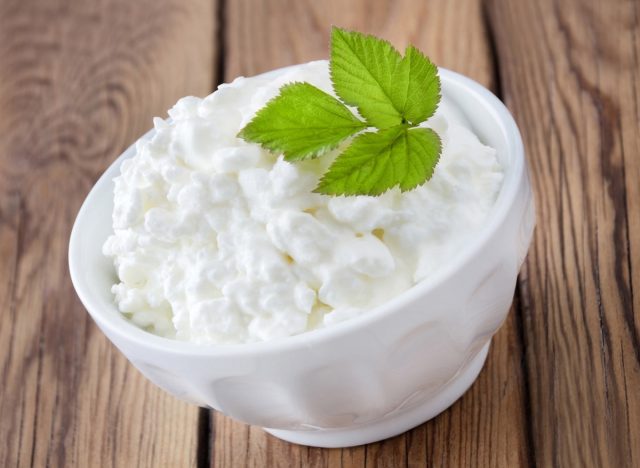
Cottage cheese frequently tops lists of protein-rich dairy products, and for good reason. A typical half-cup serving of low-fat cottage cheese can provide approximately 12-15 grams of protein with around 80-100 calories. Its high protein content, a blend of slow-digesting casein and faster-digesting whey proteins, is exceptional for promoting muscle growth and repair, as well as providing prolonged satiety. The casein protein, in particular, forms a gel in the stomach, slowing down digestion and nutrient absorption, which helps keep hunger at bay for hours. Collingwood notes, "Maintaining muscle is important for metabolism, especially when you’re trying to lose abdominal fat. Low-fat or full-fat can work depending on portions and preferences." The versatility of cottage cheese is another significant advantage. It can be enjoyed plain, with fruit, mixed into savory dishes like scrambled eggs, or used as a base for dips and spreads. Its relatively mild flavor makes it a flexible ingredient, easily incorporated into various meal plans without causing flavor fatigue. For those concerned about fat intake, numerous low-fat and fat-free versions are readily available, offering similar protein benefits with fewer calories and less saturated fat, making portion management even more straightforward.
Greek-Style Feta: Flavorful Satisfaction for Portion Control
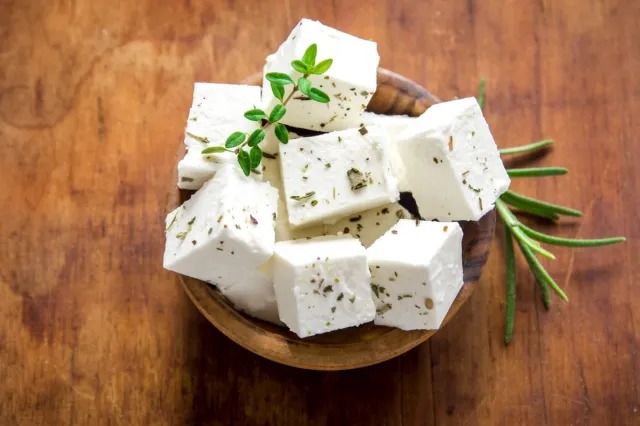
Greek-style feta, traditionally made from sheep’s or goat’s milk, offers a distinctive salty and tangy flavor that can elevate a dish with just a small amount. This intense flavor profile is precisely what makes it an excellent choice for weight management. As Collingwood explains, "Feta has a strong flavor, so a little goes a long way. That makes it easier to control portions while still adding satisfaction to meals. Great crumbled over salads or roasted vegetables." A 1-ounce serving of feta cheese typically provides around 4-5 grams of protein and approximately 70-80 calories. While not as high in protein per gram as cottage cheese, its powerful taste means that a smaller quantity is needed to achieve a satisfying culinary experience. This inherent portion control mechanism is invaluable when aiming for a calorie deficit. Feta is also a source of calcium, which is important for bone health, and it contributes to the overall nutrient density of meals. Its common use in Mediterranean cuisine, a dietary pattern consistently linked to positive health outcomes and weight management, further supports its inclusion.
Part-Skim Mozzarella: The Everyday Protein Boost
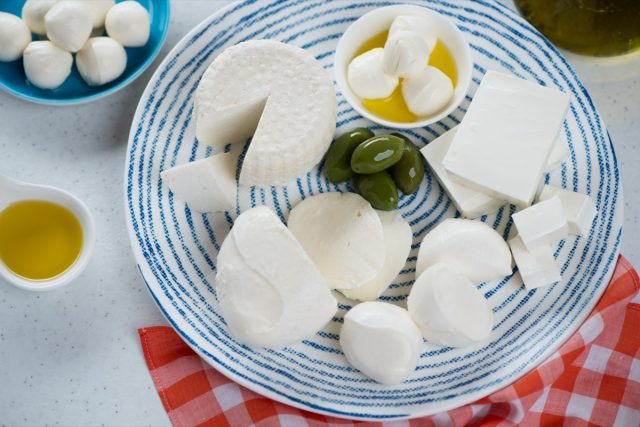
Part-skim mozzarella is a staple for many, offering a milder taste and a good protein-to-fat ratio. A 1-ounce serving of part-skim mozzarella typically contains about 6-7 grams of protein and roughly 70-85 calories. Its lower fat content compared to full-fat varieties makes it a more calorie-efficient choice. Collingwood highlights its benefits: "Mozzarella is relatively low in calories and provides protein and calcium, nutrients that support body composition when included in a balanced diet. String cheese portions make this especially easy to manage." The availability of string cheese, pre-portioned sticks of mozzarella, is a particular advantage for those seeking convenience and precise portion control, making it an ideal snack or addition to lunchboxes. Mozzarella’s mildness allows it to be incorporated into a wide array of dishes, from salads and sandwiches to baked vegetables and lean protein meals, without overpowering other flavors. Its calcium content also contributes to overall bone health, an important consideration in any balanced diet.
Parmesan: Concentrated Flavor and Protein in Small Doses
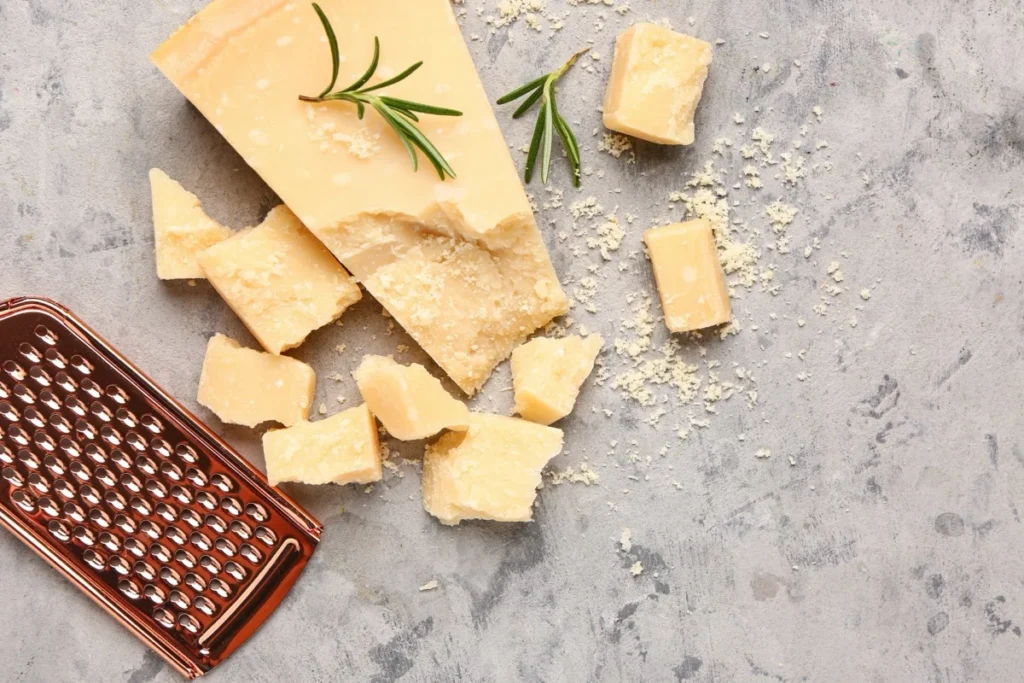
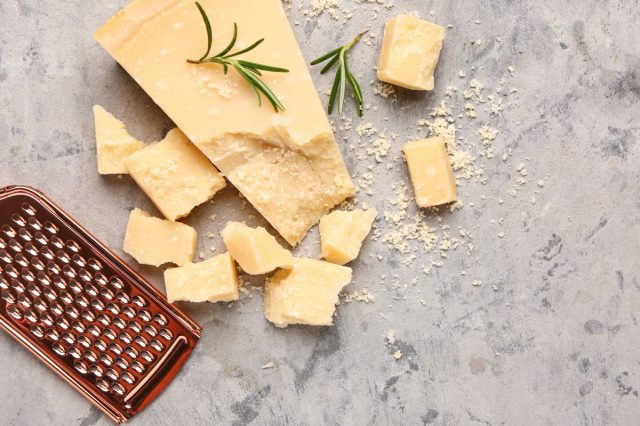
Parmesan, a hard, aged Italian cheese, is renowned for its rich, umami flavor. This intensity is its secret weapon for weight loss. As Collingwood advises, "Hard cheeses like Parmesan are flavorful and protein-dense, meaning you can use small amounts and still feel satisfied. A tablespoon or two adds big flavor without many calories." A typical tablespoon (about 5 grams) of grated Parmesan can offer around 1-2 grams of protein for approximately 20-25 calories. While individual servings might seem small, the concentrated protein and powerful flavor provide significant satiety and culinary enhancement. Its ability to add a savory depth to pasta, salads, soups, or roasted vegetables means that a little goes a long way, helping to reduce overall calorie intake while maximizing satisfaction. Parmesan is also naturally lower in lactose due to its aging process, which can be beneficial for individuals with mild lactose sensitivities. Its dense nutritional profile includes calcium and other essential minerals, making it a valuable addition in moderation.
Swiss Cheese: A Lower-Sodium, Protein-Rich Choice
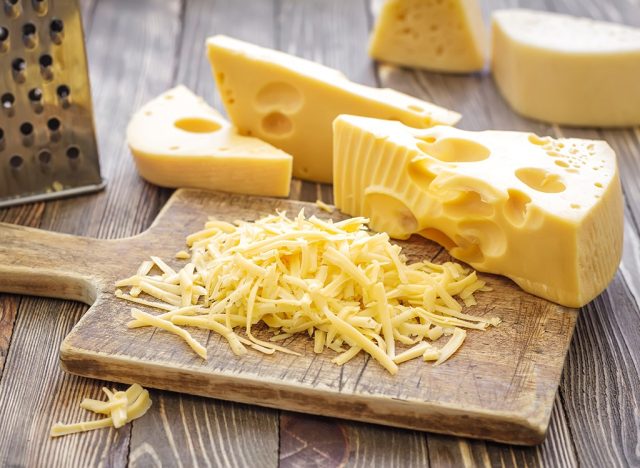
Swiss cheese, with its distinctive holes and nutty flavor, presents another excellent option for those managing their weight. A 1-ounce slice of Swiss cheese typically provides around 7-8 grams of protein and approximately 100-110 calories. One of its notable advantages, as pointed out by Collingwood, is its relatively lower sodium content compared to many other cheese varieties. "Swiss cheese offers protein with less sodium than many other cheeses, which can be helpful for people watching their bloating or water retention. Pairs well with whole-grain bread or fruit." High sodium intake can contribute to water retention and bloating, which can be discouraging during a weight loss journey. By choosing lower-sodium options like Swiss cheese, individuals can mitigate these effects while still benefiting from protein and calcium. Its firm texture and distinct taste make it an ideal choice for sandwiches, wraps, or paired with fruit for a balanced snack.
Ricotta (Part-Skim): Versatility in Sweet and Savory Applications
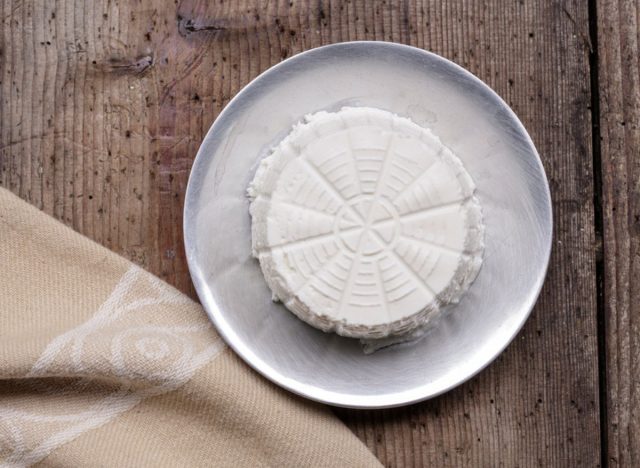
Part-skim ricotta cheese, a soft, creamy cheese, is incredibly versatile and offers a substantial protein boost. A half-cup serving of part-skim ricotta can contain approximately 14-16 grams of protein and around 170-200 calories. This makes it an excellent source of protein, particularly whey protein, known for its muscle-building properties and ability to promote satiety. Collingwood praises its adaptability: "Ricotta provides protein and calcium and works well in both sweet and savory dishes, making it easier to stick with a calorie-controlled plan. Try it with berries or herbs and vegetables." This versatility is key for dietary adherence, as it allows for varied and enjoyable meal compositions. Ricotta can be spread on whole-grain toast, mixed with berries for a sweet, protein-packed breakfast or dessert, incorporated into lasagna or stuffed shells, or used as a creamy base for savory tarts and dips. Its smooth texture and mild flavor make it an appealing option for diverse palates.
Goat Cheese: Tangy Flavor for Enhanced Portion Control and Digestibility
Goat cheese, with its characteristic tangy and often earthy flavor, rounds out the list of beneficial cheeses. A 1-ounce serving typically provides around 6-7 grams of protein and approximately 70-80 calories. Similar to feta, its robust flavor profile naturally encourages smaller portion sizes, contributing to calorie control without sacrificing satisfaction. Collingwood notes, "Goat cheese is rich and tangy, which helps with portion control, and some people find it easier to digest than cow’s milk cheeses. A little adds creaminess to salads and bowls." The potential for easier digestion for some individuals stems from differences in protein and fat structures compared to cow’s milk, making it a viable alternative for those with mild sensitivities. Goat cheese also contains medium-chain fatty acids (MCTs), which are metabolized differently than long-chain fatty acids and may offer some metabolic benefits, though more research is ongoing in this area. It pairs exceptionally well with salads, roasted vegetables, and can be crumbled over lean proteins or used to add a creamy, flavorful element to whole-grain crackers.
Beyond the Cheese: A Holistic Approach to Abdominal Fat Reduction
While incorporating these protein-rich cheeses can be a strategic move, it is crucial to reiterate that no single food is a magic bullet for belly fat loss. A truly effective strategy necessitates a holistic approach that encompasses several key pillars:
- Overall Dietary Pattern: Cheese should be part of a balanced diet rich in whole, unprocessed foods. This includes ample fruits, vegetables, lean proteins, and complex carbohydrates. Prioritizing fiber intake is also vital, as soluble fiber, found in oats, beans, and certain fruits and vegetables, can significantly contribute to satiety and aid in belly fat reduction by promoting gut health.
- Calorie Deficit: Ultimately, to lose fat, one must consume fewer calories than the body expends. Strategic food choices, like protein-rich cheeses, help achieve this deficit more comfortably by enhancing satiety.
- Regular Physical Activity: Exercise is indispensable. While dietary changes primarily drive fat loss, physical activity, especially a combination of cardiovascular exercise and strength training, plays a critical role in preserving and building muscle mass, boosting metabolism, and improving overall body composition. Strength training, in particular, helps increase resting metabolic rate, making the body more efficient at burning calories even at rest.
- Hydration: Adequate water intake is essential for metabolic processes, nutrient transport, and can also contribute to feelings of fullness, helping to reduce overall food consumption.
- Sleep and Stress Management: Chronic stress and insufficient sleep can disrupt hormones like cortisol, ghrelin, and leptin, which regulate appetite and fat storage, particularly around the abdomen. Prioritizing quality sleep and developing effective stress-management techniques are vital for sustainable weight loss.
- Mindful Eating: Paying attention to hunger and fullness cues, eating slowly, and savoring meals can prevent overeating and foster a healthier relationship with food.
Dispelling Common Misconceptions
The inclusion of cheese in a weight loss diet often challenges long-held beliefs. It’s important to clarify:
- "All cheese is bad for you": This is a broad generalization. As demonstrated, protein content, fat type, and portion control differentiate beneficial cheeses from those that might hinder weight loss due to high calorie and saturated fat content.
- "You must eliminate dairy to lose weight": Unless an individual has a diagnosed dairy allergy or severe intolerance, dairy products, especially fermented ones or those rich in protein like cottage cheese, can be highly beneficial for weight management due to their protein, calcium, and potentially probiotic content.
In conclusion, the journey to reduce belly fat and achieve overall weight management is complex, but it doesn’t necessitate sacrificing enjoyable foods. By understanding the science of satiety, muscle maintenance, and portion control, individuals can strategically incorporate protein-rich cheeses into their diet. Expert advice from dietitians like Tara Collingwood underscores that selections such as cottage cheese, Greek-style feta, part-skim mozzarella, Parmesan, Swiss, ricotta, and goat cheese offer valuable nutritional benefits that support a calorie-controlled plan. When combined with a balanced diet, regular physical activity, and healthy lifestyle habits, these cheeses can be a delicious and effective ally in achieving sustainable fat loss and improved metabolic health, empowering individuals to enjoy their food while progressing towards their wellness goals.