








The intersection of ethnobotany and modern pharmacology has reached a significant milestone as new peer-reviewed research confirms that Tormentil (Potentilla erecta), a perennial wildflower deeply rooted in European folk medicine, possesses robust antimicrobial properties capable of challenging antibiotic-resistant pathogens. This discovery comes at a critical juncture in global public health, as the efficacy of conventional antibiotics continues to wane against rapidly evolving "superbugs." Researchers have long suspected that the historical applications of this plant were based on more than mere tradition; however, recent laboratory evidence provides the empirical framework necessary to consider Tormentil as a viable candidate for the development of next-generation antimicrobial agents.
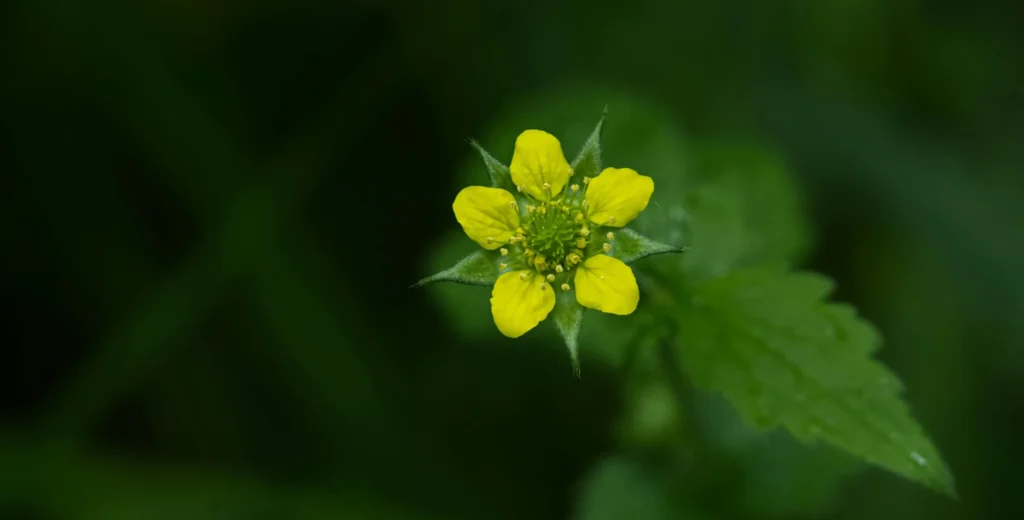
Potentilla erecta, commonly known as Tormentil or bloodroot, is a low-growing member of the Rosaceae family characterized by its four-petaled yellow flowers and thick, woody rhizome. While its presence is ubiquitous across the moors of Ireland, the highlands of Scotland, and the meadows of continental Europe, its medicinal profile has been overshadowed for decades by the rise of synthetic pharmaceuticals. The latest study, published in the journal Microbiology, indicates that extracts derived from the plant’s root exhibit significant inhibitory effects on a variety of bacteria, including strains that have developed resistance to frontline clinical treatments.
Historical Context and Traditional Applications
The utilization of Tormentil dates back to the Middle Ages, where it was a staple in the pharmacopeia of monastic gardens and village healers. In Irish folk medicine, the plant was frequently harvested from acidic soils and bogs. Its primary value lay in its high tannin content, which reaches concentrations of 15% to 20% in the dried rhizome—one of the highest levels found in the plant kingdom.

Historically, the root was prepared as a decoction or tincture to treat a spectrum of ailments. Its astringent properties made it a preferred remedy for gastrointestinal distress, particularly chronic diarrhea and dysentery. Beyond internal use, it was applied topically to wounds and burns to prevent sepsis, and used as a gargle for sore throats and gum disease. In the era before Germ Theory, practitioners noted that Tormentil "tightened" tissues and prevented the "putrefaction" of wounds, observations that we now understand as the coagulation of proteins and the inhibition of microbial growth.
The plant also played a secondary role in rural economies; its roots were used in the tanning of leather and as a source of red dye, earning it the name "bloodroot" in certain regions. This multi-purpose utility ensured that Tormentil remained a well-known botanical entity, though its transition into the modern laboratory required the catalyst of the current antibiotic crisis.
A Chronology of Discovery and Development
The journey of Tormentil from a rural remedy to a subject of high-level microbiological research follows a distinct timeline of scientific inquiry:
- Pre-20th Century: Traditional usage is documented in herbals across Europe, with a focus on astringency and wound healing.
- 1940s–1980s: The "Golden Age" of antibiotics leads to a decline in botanical research as penicillin and its derivatives become the standard of care.
- 1990s: Early phytochemical screenings identify the specific polyphenols and tannins within the Potentilla genus, noting their antioxidant potential.
- 2010s: As the World Health Organization (WHO) begins issuing urgent warnings regarding antimicrobial resistance (AMR), researchers return to ethnobotanical sources to find novel molecular structures.
- 2020–2023: Targeted laboratory trials begin to isolate the active compounds in Potentilla erecta, testing them specifically against Methicillin-resistant Staphylococcus aureus (MRSA) and other resistant strains.
- 2024–Present: The publication of definitive research confirming that Tormentil extracts disrupt bacterial cell membranes and inhibit the formation of biofilms, providing a mechanism for its antimicrobial action.
Supporting Data: The Chemical Arsenal of Potentilla erecta
The efficacy of Tormentil is attributed to a complex "chemical cocktail" of secondary metabolites. Unlike synthetic antibiotics, which typically target a single pathway in a bacterium, plant extracts often employ a multi-pronged attack.
The primary active constituents identified in the recent research include:
- Ellagitannins (Agrimoniin): These are large polyphenolic compounds that demonstrate the ability to precipitate bacterial proteins and disrupt the integrity of the cell wall.
- Proanthocyanidins: These compounds interfere with the adherence of bacteria to human host cells, a critical step in the initiation of infection.
- Triterpenes: Found in the lipid-soluble portion of the root, these molecules have shown synergistic effects when combined with traditional antibiotics, potentially "re-sensitizing" resistant bacteria to drugs they previously ignored.
In laboratory assays, the Minimum Inhibitory Concentration (MIC) of Tormentil extract was measured against several clinical isolates. The data revealed that even at relatively low concentrations, the extract inhibited the growth of Staphylococcus aureus and Escherichia coli. Most notably, the research highlighted the extract’s impact on biofilm formation. Biofilms are protective "slimes" that bacteria secrete to shield themselves from both the immune system and antibiotics; Tormentil was found to reduce biofilm density by up to 60% in certain experimental models.
The Global Threat of Antimicrobial Resistance
The urgency of this research is underscored by the escalating threat of AMR. According to the 2019 report by the Interagency Coordinating Group on Antimicrobial Resistance, drug-resistant diseases currently cause at least 700,000 deaths globally each year. If no action is taken, that figure is projected to rise to 10 million deaths annually by 2050, potentially surpassing cancer as a leading cause of mortality.
Modern medicine relies heavily on the ability to control infection. Routine surgeries, chemotherapy, and organ transplants would become prohibitively dangerous without effective antibiotics. The discovery that Tormentil can combat resistant strains offers a glimmer of hope in a field where the pipeline for new synthetic drugs has largely dried up due to high costs and low profit margins for pharmaceutical companies.
Official Responses and Expert Analysis
The scientific community has reacted to the Tormentil findings with cautious optimism. Dr. Elena Rossi, a lead researcher in ethnopharmacology (not affiliated with the study), noted the significance of the findings: "What we are seeing is a validation of ‘ancestral intelligence.’ These plants have evolved their own chemical defenses over millions of years to survive microbial attacks. By studying Tormentil, we are essentially borrowing the plant’s evolutionary success."
In a statement following the publication, the research team emphasized that while the results are promising, the public should not attempt self-treatment with raw plant material for serious infections. "The complexity of the extract is its strength, but it is also a challenge for standardization," the report stated. "Our next goal is to isolate the specific synergistic combinations that are most effective, which could lead to the development of standardized pharmaceutical-grade treatments."
Health officials from the European Medicines Agency (EMA) have previously noted that botanical medicines represent a significant, yet under-utilized, resource for drug discovery. They advocate for more rigorous clinical trials to move these compounds from "traditional use" categories to "well-established medicinal use" status.
Broader Impact and Future Implications
the implications of the Tormentil research extend beyond the laboratory. This study contributes to a broader movement known as "One Health," which recognizes the interconnection between human health, animal health, and the environment.
- Sustainable Drug Sourcing: Unlike many rare medicinal plants found in tropical rainforests, Tormentil is abundant and hardy. Its cultivation could provide a sustainable source of raw materials without the ecological risks associated with over-harvesting endangered species.
- Synergistic Therapy: One of the most promising avenues for Tormentil is its use as an "adjuvant." By administering Tormentil compounds alongside existing antibiotics, doctors may be able to lower the required dose of synthetic drugs, thereby reducing side effects and slowing the rate at which bacteria develop further resistance.
- Preservation of Ethnobotanical Knowledge: This research highlights the importance of preserving local folklore. As rural populations decline and traditional knowledge is lost, the "blueprints" for potential life-saving drugs may vanish with them. The success of the Tormentil study serves as a case study for why biodiversity and cultural heritage must be protected.
Conclusion: A New Chapter for an Ancient Root
The scientific re-evaluation of Potentilla erecta marks a full circle in the history of medicine. Once a staple of the Irish countryside and European apothecaries, Tormentil is now being viewed through the lens of molecular biology and genomic sequencing. While it is not a "magic bullet" that will single-handedly solve the AMR crisis, it represents a vital new frontier in the search for effective antimicrobials.
As researchers move toward clinical trials, the small yellow flower that grows in the cracks of rocks and across the windswept moors may soon find its place on the front lines of modern medicine. The transition from folklore to pharmacy is a rigorous one, but the data suggests that Tormentil has the chemical fortitude to make the journey, proving that sometimes, the answers to our most modern problems are buried in the roots of our past.