

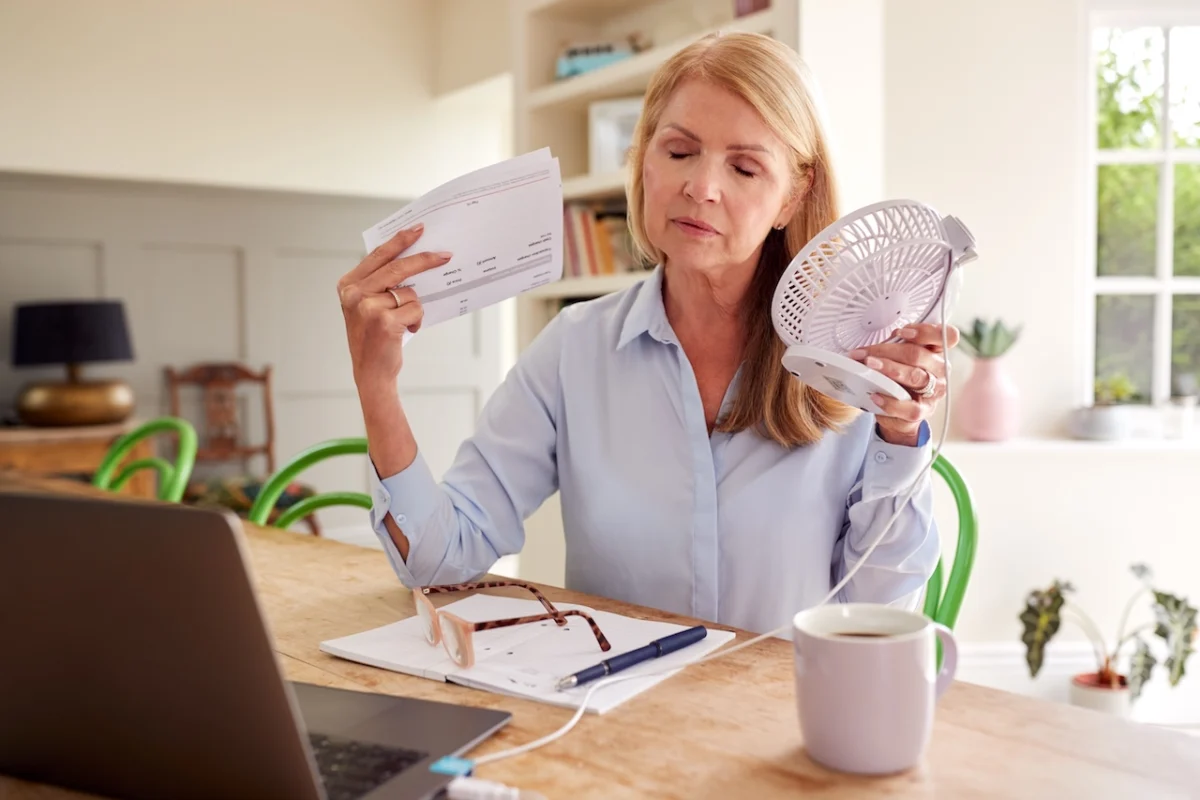
Mumbai-based OmniActive Health Technologies has strategically entered the burgeoning women’s health market with the introduction of Fenavari, a novel combination ingredient featuring shatavari and fenugreek. This launch is significantly bolstered by the publication of a placebo-controlled clinical trial, underscoring the company’s commitment to evidence-based solutions. Fenavari aims to provide a scientifically backed, natural approach to managing menopausal and perimenopausal symptoms, tapping into a growing consumer interest in holistic wellness for women.
The development and introduction of Fenavari represent OmniActive’s focused effort to meet a critical unmet need in the supplement industry. The women’s health sector, particularly concerning menopause and perimenopause, has seen a dramatic surge in attention and consumer demand over the past decade. Historically, this life stage was often underserved by dedicated, scientifically validated natural products. However, evolving societal attitudes, increased awareness, and a greater willingness among women to seek proactive health solutions have created a significant market opportunity. OmniActive’s decision to combine shatavari (Asparagus racemosus) and fenugreek (Trigonella foenum-graecum), both revered in Ayurvedic tradition for their women’s health benefits, and to rigorously test this combination, positions Fenavari as a compelling offering for brands and consumers alike.
The Science Behind Fenavari: A Rigorous Clinical Trial
The efficacy of Fenavari is substantiated by a recently published, three-arm, randomized, placebo-controlled clinical trial. This study, appearing in the peer-reviewed journal Women’s Health Reports, provides crucial scientific validation for the ingredient’s purported benefits. The trial involved 150 women aged 40 to 60, all experiencing at least two daily symptoms indicative of menopause or perimenopause. These symptoms commonly include hot flashes, headaches, mood swings, and sleep disturbances. Participants were otherwise in good general health and represented a range of body mass indices.
The study protocol mandated that participants maintain their usual dietary and exercise routines to isolate the effects of the intervention. Participants were divided into three groups: one receiving a daily dose of 300 mg of Fenavari, a second receiving 500 mg of Fenavari daily, and a third group receiving a placebo. The trial duration was set at 12 weeks, a standard period for evaluating the impact of such interventions on menopausal symptoms.
The primary endpoint of the study was the mean change from baseline in the severity of menopausal symptoms, as measured by the Menopause Rating Scale (MRS). The MRS is a well-established and standardized assessment tool, developed in the 1990s, which comprehensively evaluates various symptom domains. Secondary endpoints included assessing changes in sleep quality, mood states, the frequency of hot flashes and night sweats, and other relevant physiological and psychological markers.
Key Findings and Clinical Efficacy
The results of the clinical trial revealed significant positive outcomes for women taking Fenavari. The authors concluded that the ingredient "significantly improved menopausal symptoms across somatic, psychological and vasomotor domains from Day 14 onward, and improved sleep, anxiety and mood along with favorable hormonal changes." This indicates a rapid onset of action, with benefits observed as early as two weeks into the intervention, and a broad spectrum of positive effects on both physical and emotional well-being.
Crucially, the study reported no adverse events that could be attributed to Fenavari at either the 300 mg or 500 mg dosage. This finding of a favorable safety profile is paramount for ingredients targeting long-term use by a vulnerable population. The absence of reported side effects further enhances Fenavari’s appeal as a natural and gentle solution for women navigating the challenges of menopause.
Fenavari itself is described as a hydroethanolic extract meticulously formulated in a 3:1 ratio of shatavari roots to fenugreek seeds. This specific ratio is designed to optimize the synergistic effects of the two botanicals. The finished extract is standardized to contain 6% Shatavarin-IV, a key steroidal saponin derived from shatavari roots, and 4% Protodioscin, another important steroidal saponin compound found in fenugreek seeds. These standardized compounds are believed to be the primary bioactive constituents responsible for the observed health benefits.

OmniActive’s Strategic Vision and Market Positioning
Keya Shah, Senior Director of the Women’s Health Category at OmniActive, emphasized the strategic intent behind Fenavari’s development. "Shatavari may be trending, but both shatavari and fenugreek have a long history of use in women’s health," Shah stated. "Fenavari harnesses the power of both botanicals in one clinically studied, integrated extract, giving brands and doctors a natural solution for the full menopausal journey." This statement highlights OmniActive’s approach: leveraging traditional knowledge and validating it with modern science to create innovative, efficacious, and marketable ingredients.
The company is positioning Fenavari not just as another botanical supplement, but as a scientifically validated, comprehensive solution. By combining two historically significant herbs into a single, standardized extract, OmniActive aims to simplify formulation for supplement manufacturers and provide a trusted, evidence-based option for consumers. The "full menopausal journey" positioning suggests an understanding of the multifaceted and often prolonged nature of menopausal transition, implying that Fenavari is designed to offer sustained support.
The Evolving Landscape of Women’s Health Supplements
Industry experts confirm that OmniActive’s entry into the women’s health space, particularly with a menopause-focused ingredient, is well-timed. Steve Hanson, founder and CEO of the consulting firm Nutrasocial, noted that several trends are converging to create unprecedented opportunities. "The real focus on perimenopause and menopause has become a significant category in women’s health," Hanson told SupplySide Supplement Journal. "That market has been out there but until recently it has been latent. Now there are real options out there and female consumers are purchasing these products."
Hanson also pointed to the broader trend of increased consumer interest in adaptogenic herbs, a category that has seen significant growth over the past decade, with ashwagandha (Withania somnifera) often cited as a flagship ingredient. He believes that this growing acceptance of herbal remedies for stress and well-being has paved the way for increased interest in other botanicals, including those traditionally used for women’s health. "But make no mistake, this is being driven by consumer demand," he concluded, underscoring the powerful influence of informed consumers on market development.
The demand for well-researched ingredients is also a critical factor. Scott Steinford, CEO of contract manufacturer PreMark Health Sciences, highlighted the importance of working with branded ingredient suppliers like OmniActive, especially in categories like women’s health where botanical ingredients can be complex. "These botanicals tend to be hard to assay, and that was one of the things that played into this space in the early years when the women’s health category flew under the radar," Steinford explained. "It’s important for the ingredient manufacturer and the contract manufacturer to be able to work together to determine proper dosing and effective formulations." Steinford’s observation points to a maturation of the industry, where transparency, standardization, and scientific backing are becoming non-negotiable. He added, "OmniActive has been an excellent representative in that regard," indicating the company’s reputation for quality and collaboration.
Broader Implications and Future Outlook
The launch of Fenavari has several implications for the dietary supplement industry and for consumers.
- Increased Scientific Scrutiny: The success of OmniActive’s clinically validated ingredient could spur further research and development into other traditional botanical remedies for women’s health, encouraging a more science-driven approach across the sector.
- Market Growth: As consumer awareness and confidence in natural solutions for menopausal symptoms increase, the market for such products is expected to continue its upward trajectory. Fenavari is poised to capture a significant share of this expanding market.
- Brand Innovation: The availability of a well-researched, branded ingredient like Fenavari allows supplement brands to develop innovative products with strong marketing claims, backed by robust clinical data. This can help differentiate brands in a crowded marketplace.
- Consumer Empowerment: By offering effective and safe natural alternatives, Fenavari empowers women to take a more proactive role in managing their menopausal health, potentially reducing reliance on pharmaceutical interventions for some individuals.
- Ayurvedic Integration: The successful integration of Ayurvedic principles with modern clinical research exemplified by Fenavari could foster greater acceptance and understanding of traditional medicine systems globally.
The demand for solutions addressing women’s health concerns, particularly during the menopausal transition, is projected to remain strong. Factors such as an aging global population, increasing health consciousness among women, and a growing preference for natural and holistic approaches are all contributing to sustained market growth. OmniActive Health Technologies, with its commitment to scientific validation and innovation, appears well-positioned to capitalize on these trends and further solidify its presence in the dynamic women’s health supplement sector. The company’s investment in rigorous clinical research for Fenavari sets a high standard for the industry, promising a future where evidence-based natural solutions are the norm for women seeking to optimize their well-being throughout life’s changes.
