

A growing body of nutritional science indicates that strategic dietary choices, even in the hours leading up to sleep, can profoundly influence metabolic health, muscle preservation, and weight management, particularly for individuals over the age of 55. This demographic faces unique physiological challenges, including age-related muscle loss (sarcopenia) and increased susceptibility to blood sugar fluctuations, which can complicate efforts to maintain a healthy body composition. Far from being a source of guilt, a well-chosen bedtime snack can be a valuable tool in mitigating these age-related changes and fostering overall well-being.
The Evolving Landscape of Metabolism and Muscle After 55
As individuals progress beyond their mid-fifties, several physiological shifts occur that directly impact metabolism and body composition. One of the most significant is sarcopenia, the progressive loss of muscle mass and strength with aging. Beginning as early as age 30 and accelerating after 50, sarcopenia can lead to a substantial reduction in basal metabolic rate (BMR), as muscle tissue is more metabolically active than fat tissue. This means the body burns fewer calories at rest, making weight gain more likely even with consistent caloric intake. Research published in journals such as The American Journal of Clinical Nutrition consistently highlights the importance of adequate protein intake for muscle protein synthesis, especially during periods of rest.
Beyond muscle loss, hormonal changes play a crucial role. Insulin sensitivity can decline, leading to more pronounced blood sugar fluctuations. This can result in energy crashes, increased cravings, and a greater propensity for fat storage. Furthermore, changes in sleep architecture, including reduced deep sleep and increased awakenings, are common in older adults. Poor sleep is directly linked to adverse metabolic outcomes, including impaired glucose metabolism, increased cortisol levels (a stress hormone that can promote abdominal fat storage), and disruptions in appetite-regulating hormones like ghrelin and leptin.

Tara Collingwood, MS, RDN, CSSD, LD/N, ACSM-CPT, a Board Certified Sports Dietitian and co-author of the Flat Belly Cookbook for Dummies, emphasizes these challenges. "After 55, muscle loss and blood sugar fluctuations can make weight management harder. A protein and fiber-rich bedtime snack supports muscle maintenance, better sleep, and appetite control, all of which contribute to fat loss over time," Collingwood states. Her expert opinion underscores the proactive approach necessary for managing these physiological shifts through informed dietary choices. It’s crucial to understand that no food offers an overnight "fat-burning" miracle. Instead, the right bedtime snacks function as metabolic support systems, influencing muscle repair, metabolic efficiency, blood sugar stability, and sleep quality, all of which are foundational to sustainable fat loss and overall health.
Strategic Bedtime Snacking: Principles and Practices
The key to effective bedtime snacking for those over 55 lies in selecting nutrient-dense options that deliver a beneficial combination of protein and fiber, with moderate healthy fats, while avoiding excessive simple sugars. This approach aims to provide sustained satiety, prevent nocturnal hunger, stabilize blood glucose levels, and support muscle repair processes that occur during sleep.
The timing and composition of these snacks are critical. Consuming a small, balanced snack approximately 30-60 minutes before bed allows for initial digestion without causing digestive discomfort that could disrupt sleep. The protein component is vital for providing amino acids necessary for muscle protein synthesis, which continues throughout the night. Fiber contributes to satiety and helps to slow the absorption of sugars, preventing sharp spikes and drops in blood glucose. Healthy fats, in moderation, also contribute to satiety and can aid in nutrient absorption.
Five Dietitian-Recommended Bedtime Snacks for Optimal Health After 55
Here are five specific recommendations from Tara Collingwood, elaborated with additional scientific context regarding their benefits for metabolism, muscle, blood sugar, and weight control in older adults.
-
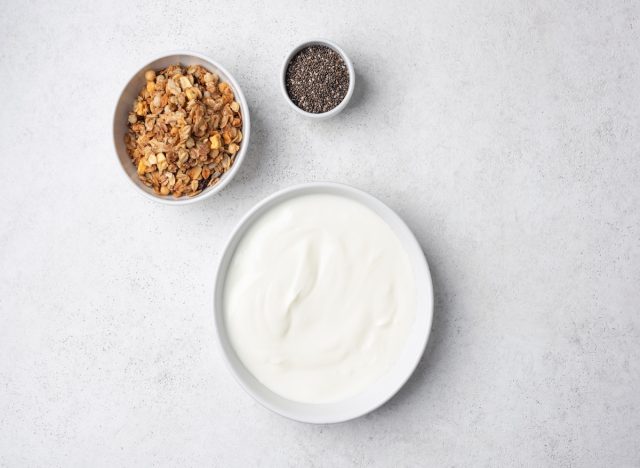
Greek Yogurt with Chia or Flax Seeds
Greek yogurt stands out as an excellent choice due to its high protein content, particularly casein protein, which is known for its slow digestion and sustained release of amino acids. This prolonged amino acid supply is ideal for supporting muscle protein synthesis throughout the night, counteracting age-related muscle catabolism. A typical serving of Greek yogurt can provide 15-20 grams of protein, a significant contribution to daily protein targets, which are often higher for older adults to combat sarcopenia effectively (recommendations often range from 1.0 to 1.2 grams of protein per kilogram of body weight per day for older adults, compared to 0.8 g/kg for younger adults).The addition of chia or flax seeds amplifies the nutritional profile. Both are rich in soluble fiber and omega-3 fatty acids. Soluble fiber forms a gel-like substance in the digestive tract, which slows gastric emptying and nutrient absorption, contributing to stable blood sugar levels during sleep and reducing the likelihood of nocturnal hunger pangs. Furthermore, a stable blood glucose profile is crucial for optimizing fat metabolism, as sustained high insulin levels can inhibit fat burning. Omega-3 fatty acids, particularly ALA (alpha-linolenic acid) found in these seeds, possess anti-inflammatory properties and contribute to overall cardiovascular health, which is a vital consideration for individuals over 55. "Greek yogurt provides protein that supports muscle maintenance overnight, which is important because muscle plays a key role in metabolism as we age. Adding chia or flax brings fiber, which helps stabilize blood sugar while you sleep. This combo supports satiety and prevents late-night hunger," Collingwood explains. This snack thus offers a triple benefit: muscle support, blood sugar regulation, and satiety.
-
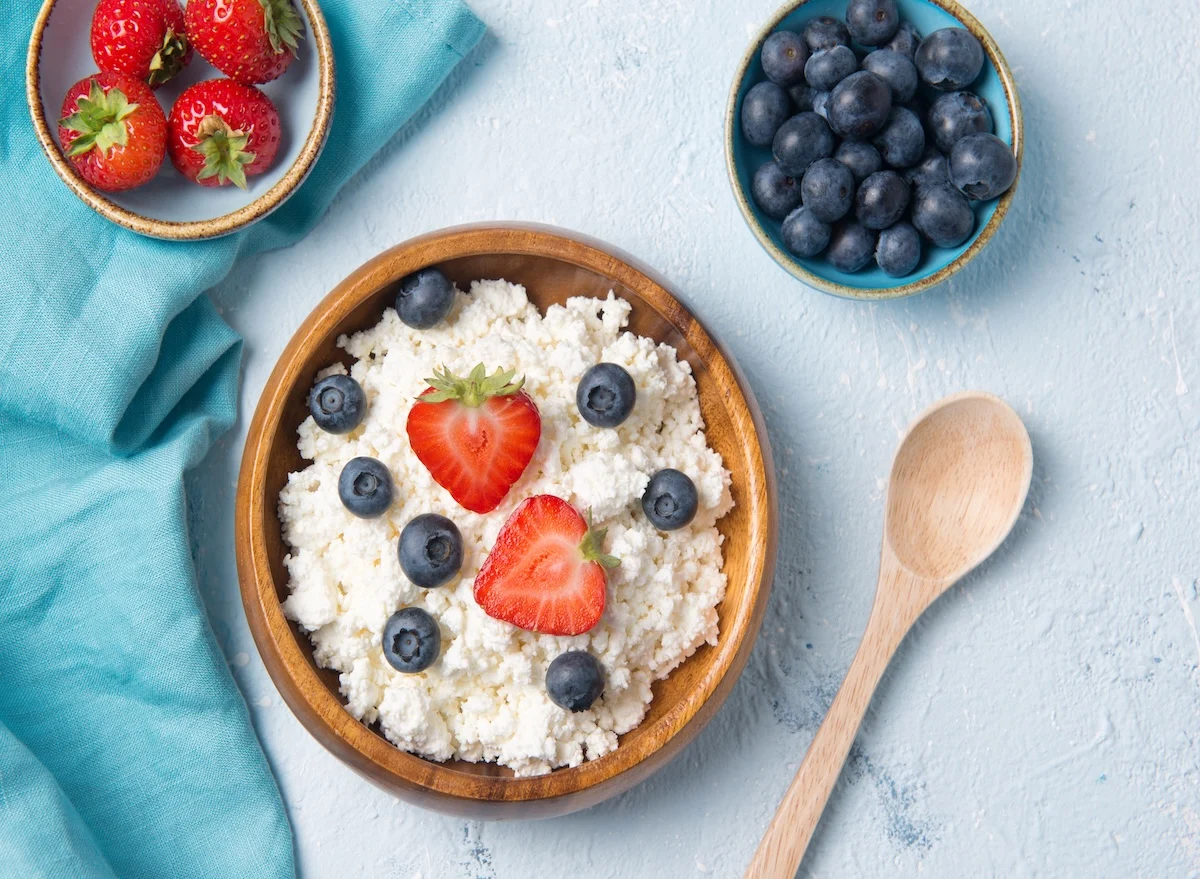
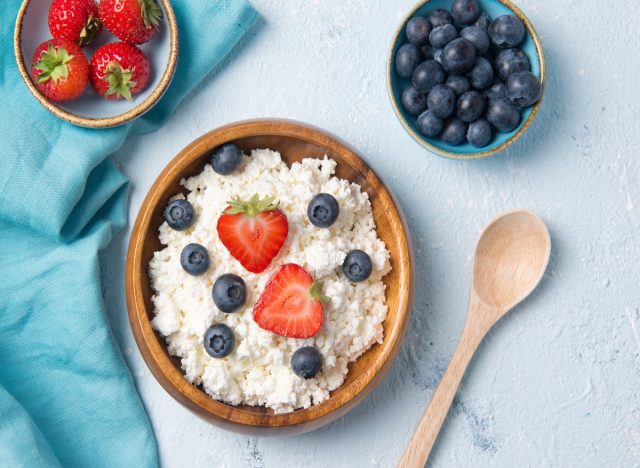
Cottage Cheese with Berries
Similar to Greek yogurt, cottage cheese is an exceptional source of slow-digesting casein protein, making it highly effective for overnight muscle repair and maintenance. Its curds provide a substantial amount of protein per serving, often around 12-15 grams in half a cup. The sustained release of amino acids from casein helps to keep the body in an anabolic (muscle-building) state, which is particularly beneficial for combating sarcopenia. Preserving lean muscle mass is directly correlated with a higher resting metabolic rate, thereby aiding in long-term weight management and fat loss.Pairing cottage cheese with berries introduces a wealth of beneficial nutrients without excessive sugar. Berries, such as blueberries, raspberries, and strawberries, are renowned for their high fiber content and potent antioxidant profiles. The fiber further enhances satiety and contributes to blood sugar stability, mitigating potential spikes from the small amount of lactose in cottage cheese. The antioxidants (anthocyanins, flavonoids) combat oxidative stress and inflammation, which are implicated in various age-related diseases and can negatively impact metabolic function. "Cottage cheese is rich in slow-digesting protein, which can support overnight muscle repair. That matters later in life, when preserving lean mass helps support fat loss over time. Berries add fiber and antioxidants without excess sugar," says Collingwood, highlighting the synergistic benefits of this simple yet powerful combination.
-
A Small Protein Smoothie
For individuals who prefer a lighter, easily digestible option before bed, a small protein smoothie presents an ideal solution. This format allows for quick nutrient delivery and can be particularly beneficial for those who experience digestive discomfort with solid foods late in the evening or who have difficulty chewing. A well-constructed smoothie should include a high-quality protein powder (whey, casein, or plant-based like pea or soy protein), a liquid base such as milk or soy milk, and fiber-rich ingredients.Whey protein is quickly absorbed, initiating rapid muscle protein synthesis, while casein offers a more prolonged release. Plant-based proteins can also be effective, providing a complete amino acid profile when sourced correctly (e.g., a blend of pea and rice protein). The liquid base contributes additional protein and micronutrients. Incorporating fiber-rich elements like a small handful of spinach, half a banana, or a tablespoon of chia seeds ensures sustained satiety and blood sugar regulation. This customizable snack can be tailored to individual preferences and dietary needs, offering a convenient way to meet protein requirements for muscle recovery overnight without feeling heavy. "A light smoothie with protein powder, milk or soy milk, and fiber-rich ingredients can support muscle recovery overnight without feeling heavy before bed. This works well for people who don’t want to chew late at night," Collingwood advises, emphasizing its versatility and ease of consumption.
-
Apple Slices with Nut Butter
This classic combination is an excellent example of pairing complex carbohydrates with healthy fats and protein to create a balanced and satisfying snack. Apple slices provide dietary fiber, predominantly pectin, which is a soluble fiber known for its ability to promote gut health, slow digestion, and stabilize blood glucose levels. The crisp texture of apples also provides a satisfying crunch.Nut butter (such as almond, peanut, or cashew butter) contributes healthy monounsaturated and polyunsaturated fats, along with a modest amount of plant-based protein. The combination of fiber, protein, and healthy fats works synergistically to prevent rapid blood sugar fluctuations that can disrupt sleep and trigger cravings for unhealthy foods the following day. Stable blood sugar throughout the night helps to optimize fat metabolism and maintain consistent energy levels. Furthermore, the healthy fats contribute significantly to satiety, ensuring that hunger does not interfere with sleep. Sleep quality is a critical, often overlooked, component of weight management. Disruptions in sleep can negatively impact insulin sensitivity and alter appetite-regulating hormones, making weight control more challenging. "Fiber from fruit paired with protein and healthy fats helps prevent nighttime blood sugar dips that can disrupt sleep and lead to next-day cravings. Sleep quality and blood sugar stability are key to weight management," Collingwood states, reinforcing the interconnectedness of diet, sleep, and metabolic health.
-
Handful of Nuts with a Protein Source
Nuts are nutritional powerhouses, packed with healthy fats, fiber, vitamins, and minerals. A small handful of almonds, walnuts, pistachios, or pecans can provide a satisfying crunch and a good dose of monounsaturated and polyunsaturated fats, which are beneficial for heart health and satiety. These fats digest slowly, helping to maintain stable blood sugar levels and prevent hunger during the night. Nuts also contain some fiber, further aiding in satiety and digestive health.
However, to optimize this snack for muscle and metabolic support, Collingwood recommends pairing nuts with an additional protein source. This could be a small glass of milk (dairy or fortified plant-based), a small serving of Greek yogurt, or a piece of low-fat cheese. The combined protein from the nuts and the dairy/plant-based source ensures a more robust amino acid profile for overnight muscle repair. The fiber from the nuts, combined with the protein, creates a balanced macronutrient profile that promotes sustained energy and satiety. Portion control is particularly important with nuts due to their high caloric density. "Nuts provide healthy fats and some fiber, but pairing them with a protein source like yogurt or milk helps keep the snack balanced and more filling. Portion control matters here, small but satisfying," says Collingwood, emphasizing the importance of moderation for this nutrient-dense option.
Broader Implications for Health and Quality of Life
The practice of strategic bedtime snacking for individuals over 55 extends beyond mere weight management. By actively supporting muscle maintenance, these dietary choices contribute to greater physical strength, mobility, and independence in later life, directly addressing concerns about frailty and falls. Improved blood sugar control reduces the risk of developing or managing type 2 diabetes, a prevalent condition among older adults. Enhanced sleep quality, a direct outcome of stable blood sugar and reduced nocturnal hunger, positively impacts cognitive function, mood, and overall vitality.
These recommendations align with broader public health guidelines promoting nutrient-dense foods, adequate protein intake, and balanced macronutrient distribution throughout the day, particularly for an aging population. Organizations like the Academy of Nutrition and Dietetics and the National Institute on Aging consistently advocate for dietary patterns that prioritize whole foods, lean proteins, and fiber to support healthy aging.
In conclusion, the notion of avoiding all food before bedtime is being increasingly refined by scientific understanding, especially concerning the unique metabolic needs of individuals over 55. By making conscious, informed choices about late-night snacks, older adults can leverage the overnight hours to support muscle integrity, stabilize blood sugar, optimize metabolism, and ultimately enhance their journey towards healthier aging and improved quality of life. The five dietitian-recommended snacks—Greek yogurt with seeds, cottage cheese with berries, a small protein smoothie, apple slices with nut butter, and nuts with an added protein source—offer practical, evidence-based pathways to achieving these crucial health objectives.
