

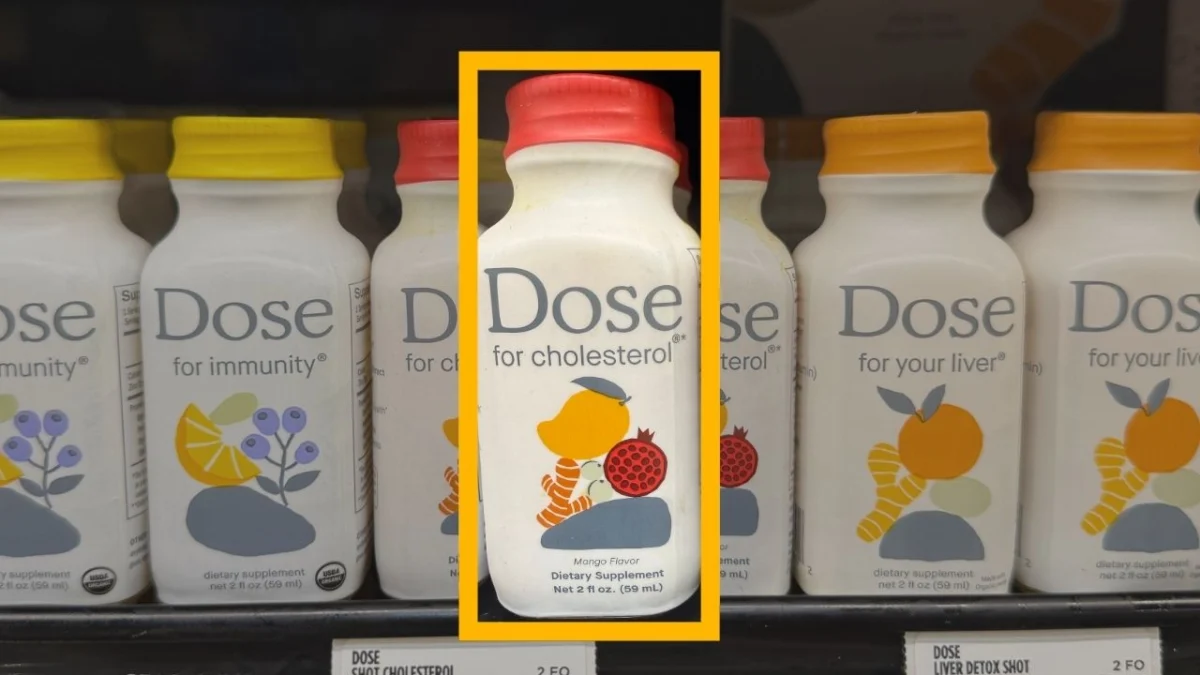
A groundbreaking clinical study has validated the efficacy of Dose for Cholesterol, a popular liquid dietary supplement, showcasing its capacity to substantially reduce LDL ("bad") cholesterol levels. The findings, published in the esteemed Journal of Dietary Supplements, offer compelling evidence for consumers seeking scientifically backed solutions for cardiovascular health management. The 90-day randomized, double-blind, placebo-controlled trial involved 86 participants, aged 18 to 65, who received either 60 mL of the Dose supplement or a placebo twice daily. The results revealed a remarkable average decrease of nearly 20 mg/dL in LDL cholesterol among those taking the Dose product. In stark contrast, the placebo group experienced an average increase of 21 mg/dL in their LDL cholesterol levels, underscoring the supplement’s potent effect.
This rigorous study design, characterized by its double-blind and placebo-controlled nature, is considered the gold standard in clinical research. It minimizes bias by ensuring neither the participants nor the researchers administering the treatments were aware of who was receiving the active supplement and who was receiving the placebo. This methodological rigor lends significant weight to the observed outcomes. The trial’s duration of 90 days is also a crucial factor, providing sufficient time for the biochemical mechanisms of the supplement’s ingredients to manifest measurable effects on cholesterol metabolism.
Beyond LDL reduction, the study’s researchers observed other significant cardiovascular benefits. Participants consuming the Dose supplement also experienced notable decreases in total cholesterol and triglycerides, two other key markers associated with increased risk of heart disease. Furthermore, the study reported a significant increase in HDL ("good") cholesterol, which plays a vital role in transporting excess cholesterol away from the arteries to the liver for elimination. This multi-faceted improvement in lipid profiles positions Dose for Cholesterol as a comprehensive approach to supporting cardiovascular well-being.
The safety of the supplement was also a primary focus of the investigation. Researchers meticulously monitored liver and kidney function through various biomarkers. The study found no significant adverse increases in these markers, indicating a favorable safety profile for the product. While the supplement did lead to significant decreases in certain liver enzyme levels, this finding warrants further nuanced discussion. It is important to differentiate between potentially harmful elevations in liver enzymes, which can signal damage, and decreases that might reflect optimized metabolic function or reduced burden on the liver. In the absence of reported adverse effects by either the supplement or placebo groups, and given the overall positive lipid profile improvements, these decreases in liver enzymes are unlikely to be indicative of harm. The absence of reported adverse effects by participants in both groups further reinforces the supplement’s safety during the trial period.
Dose, a brand recognized for its multi-ingredient formulations designed to address a spectrum of health needs, has now provided robust scientific backing for its dedicated cholesterol-lowering product. The specific formulation of Dose for Cholesterol, while not fully detailed in the initial report, is understood to incorporate a synergistic blend of ingredients known for their cardiovascular benefits. These typically include, but are not limited to, plant sterols, fiber-rich ingredients like psyllium husk, and potentially other botanicals and nutrients that work collaboratively to modulate cholesterol synthesis and absorption. The article also mentions the presence of coenzyme Q10, niacinamide (vitamin B3), and folate (vitamin B9) within the product. Coenzyme Q10 is an antioxidant crucial for cellular energy production and has been linked to improved heart health. Niacinamide, a form of vitamin B3, is well-established for its ability to improve cholesterol levels, particularly by increasing HDL and decreasing LDL and triglycerides. Folate, or vitamin B9, is essential for DNA synthesis and repair, and its role in homocysteine metabolism, a risk factor for cardiovascular disease, is also recognized. The precise quantities of each ingredient per serving would provide further insight into the formulation’s potency and rationale.
The Science Behind Cholesterol Management
Understanding the significance of these findings requires a brief overview of cholesterol’s role in the body and the implications of elevated levels. Cholesterol is a waxy, fat-like substance essential for building healthy cells. However, when LDL cholesterol levels become too high, it can accumulate in the walls of blood vessels, forming plaque. This process, known as atherosclerosis, narrows arteries, restricts blood flow, and significantly increases the risk of heart attack and stroke. The "bad" LDL cholesterol is particularly concerning because it is the primary contributor to plaque buildup. Conversely, HDL cholesterol is often referred to as "good" cholesterol because it helps remove LDL cholesterol from the arteries and transport it back to the liver for processing and elimination. Maintaining a healthy balance between LDL and HDL cholesterol, along with managing triglyceride levels, is a cornerstone of cardiovascular disease prevention.
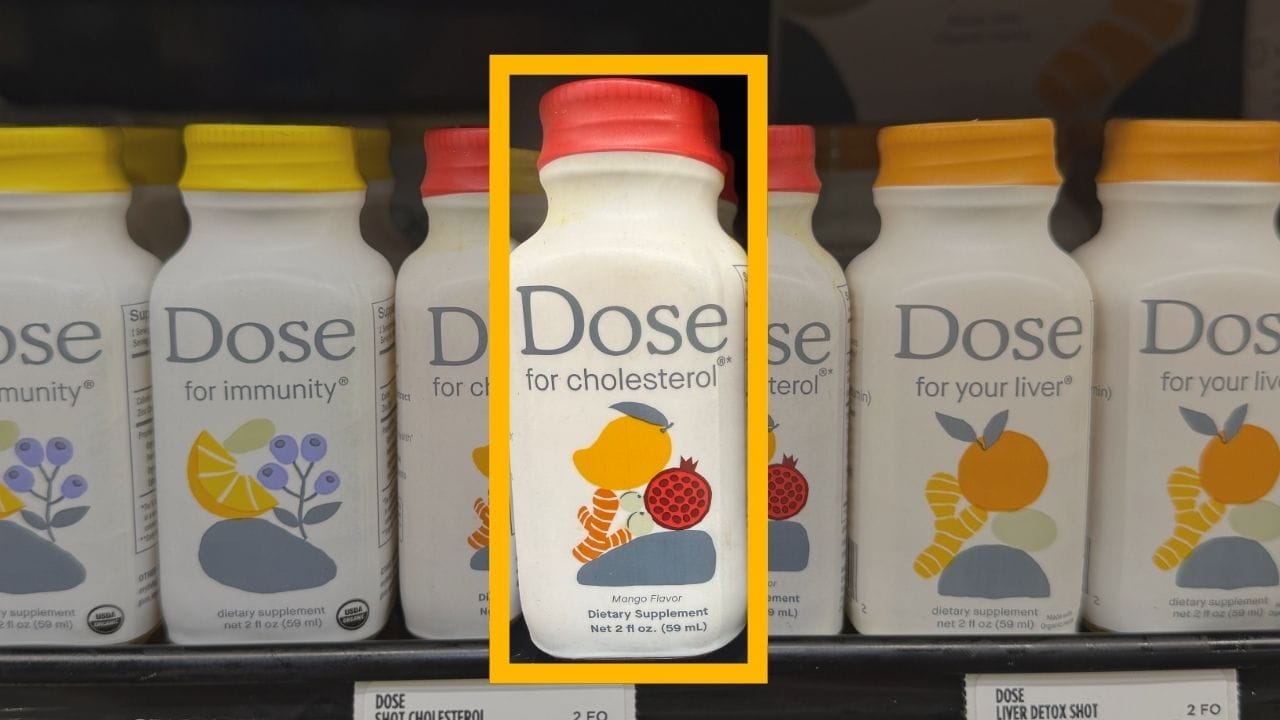
The development and validation of supplements like Dose for Cholesterol are part of a larger trend in the nutraceutical industry towards evidence-based products. For decades, the supplement market has evolved from a landscape of anecdotal claims to one increasingly driven by scientific research. Regulatory bodies and consumer demand have pushed manufacturers to substantiate their product claims with clinical data. This shift benefits consumers by providing greater assurance of product efficacy and safety, allowing them to make more informed decisions about their health and wellness.
Broader Implications for the Supplement Industry
The publication of this clinical trial in a peer-reviewed journal like the Journal of Dietary Supplements represents a significant step for Dose and the broader liquid supplement market. It provides a robust dataset that can inform product development, marketing strategies, and consumer trust. For other brands in the cholesterol management space, this study may serve as a benchmark, encouraging further investment in clinical research to validate their own product offerings.
The success of liquid formulations in delivering effective doses of active ingredients is also a noteworthy aspect. Liquid supplements can offer advantages in terms of bioavailability and ease of consumption for certain populations, such as individuals who have difficulty swallowing pills. The positive results from Dose for Cholesterol could spur further innovation and adoption of liquid delivery systems for a wider range of health concerns.
Furthermore, the study’s findings contribute to the growing body of scientific literature supporting the use of specific botanical extracts and nutrients in managing cardiovascular risk factors. As research continues to uncover the intricate mechanisms by which natural compounds interact with human physiology, the role of dietary supplements in preventive healthcare is likely to expand. This trend aligns with a global shift towards personalized nutrition and a proactive approach to health maintenance.
The Competitive Landscape and Consumer Demand
The market for cholesterol-lowering supplements is competitive, with a wide array of products available, ranging from single-ingredient formulations to complex proprietary blends. Consumers often navigate this market with a mix of trust in brand reputation, recommendations from healthcare professionals, and an increasing desire for scientific validation. The robust clinical evidence presented by Dose for Cholesterol positions the brand favorably in this environment.
Consumer awareness of cardiovascular health risks has grown considerably, driven by public health campaigns and increased access to health information. This heightened awareness translates into a sustained demand for effective and safe solutions. Products that can demonstrate tangible benefits through rigorous scientific studies are likely to capture a larger share of this market.
The inclusion of ingredients like niacinamide and folate, alongside potentially other synergistic components, highlights a formulation strategy that leverages multiple pathways for cholesterol management. This approach is often more effective than relying on a single ingredient, as it can address different aspects of lipid metabolism and absorption.
Future Directions and Unanswered Questions
While the current study provides strong evidence for the efficacy and safety of Dose for Cholesterol, several avenues for future research could further enhance our understanding. Investigating the long-term effects of the supplement beyond the 90-day period would be valuable, as cardiovascular health is a lifelong concern. Additionally, exploring the specific synergistic mechanisms of action among the various ingredients in the formulation could lead to even more targeted and effective product development. Understanding how the supplement interacts with individuals’ unique genetic predispositions and existing health conditions could pave the way for personalized cholesterol management strategies.
The observation of decreased liver enzymes, while not indicative of harm in this context, warrants further exploration. Future studies could aim to elucidate the precise biochemical processes responsible for these changes and confirm their benign nature. Understanding the impact of Dose for Cholesterol on individuals with pre-existing liver conditions would also be an important safety consideration.
Moreover, comparing the efficacy of Dose for Cholesterol directly against established pharmaceutical interventions, under controlled clinical settings, could provide valuable insights into its role as a complementary or alternative approach to cholesterol management. Such comparative studies, while ethically and logistically complex, would offer a clearer picture of its place within the broader healthcare landscape.
Industry Response and Analyst Perspectives
Industry analysts are observing the growing emphasis on clinical validation within the supplement sector. "The days of simply listing ingredients and hoping for the best are over," commented Dr. Evelyn Reed, a senior analyst at Global Nutraceutical Insights. "Consumers, and increasingly healthcare practitioners, demand proof. Studies like the one published by Dose are crucial for building credibility and driving market growth."
The success of such studies also influences investment trends. Companies that can demonstrate a strong R&D pipeline and a commitment to clinical substantiation are more attractive to investors seeking long-term growth in the health and wellness space. This clinical trial’s positive outcome could therefore influence capital allocation within the industry, favoring brands that prioritize scientific rigor.
The publication of this trial in the Journal of Dietary Supplements is also a positive development for the journal itself, showcasing its role in disseminating high-quality research within the nutraceutical community. Such publications help to elevate the scientific standing of the industry as a whole.
In conclusion, the recent clinical trial validating Dose for Cholesterol represents a significant advancement in the field of dietary supplements for cardiovascular health. The study’s robust methodology and compelling results, demonstrating a substantial reduction in LDL cholesterol and improvements in other lipid markers, underscore the power of evidence-based innovation. As the supplement industry continues its trajectory towards greater scientific accountability, findings like these are pivotal in shaping consumer trust, guiding product development, and ultimately contributing to better public health outcomes. The commitment to rigorous research by brands like Dose is not only beneficial for their own market position but also contributes to the broader advancement of nutraceutical science.
