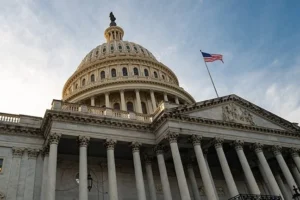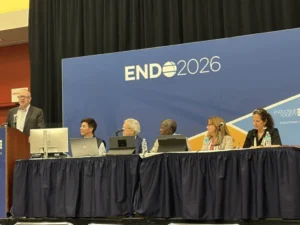







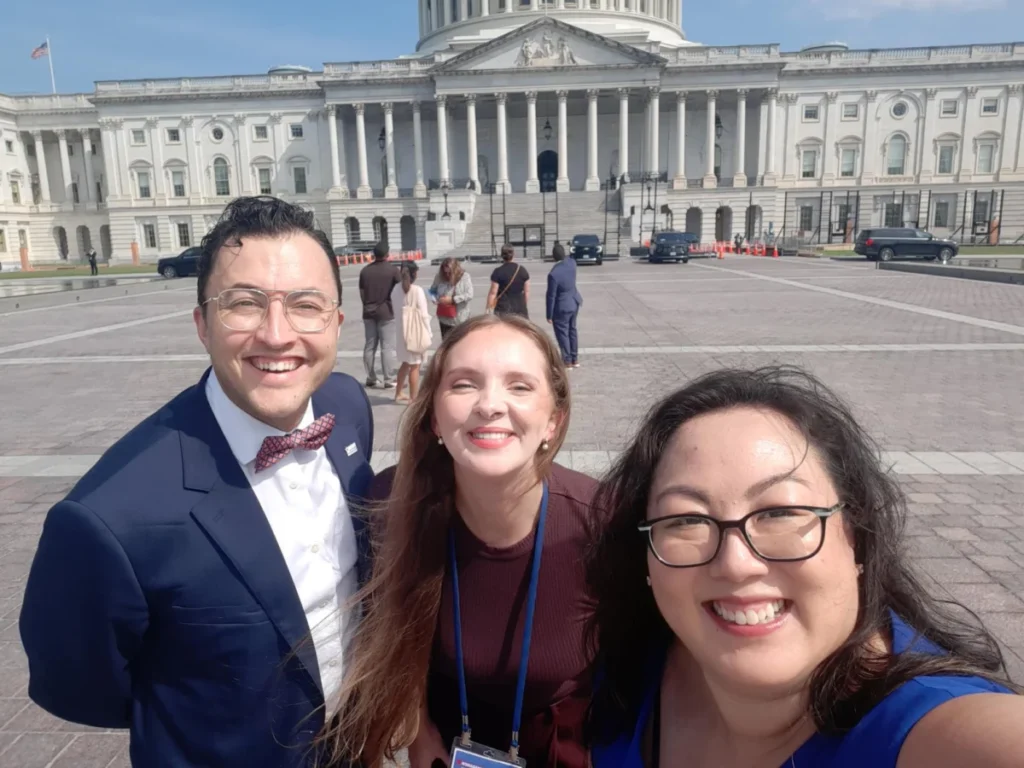
On September 17, a broad coalition of scientists, clinicians, and patient advocates converged on Capitol Hill for the 13th annual Rally for Medical Research, an event designed to emphasize the critical importance of sustained federal investment in biomedical science. Among the most prominent voices were members of the Endocrine Society, who joined hundreds of representatives from over 350 partner organizations to urge Congress to prioritize funding for the National Institutes of Health (NIH). The advocacy day occurred at a pivotal moment for the American scientific community, as it faces not only the perennial challenges of budgetary constraints but also new administrative proposals that threaten to fundamentally alter the merit-based system of federal grant distribution.
The Endocrine Society’s delegation, which included prominent researchers and policy experts, focused their efforts on highlighting how endocrine-related research—ranging from diabetes and obesity to hormone-regulated cancers and thyroid health—is essential to the nation’s public health infrastructure. Representing the Society were figures such as Lydia Agnew, a fellow in the Future Leaders Advancing Research in Endocrinology (FLARE) program, and Sophia Kaska, PhD, the Society’s Manager of Science Policy and Research Affairs. Their presence underscored the necessity of cultivating a new generation of scientists whose work depends on the stability and transparency of federal funding mechanisms.
The Strategic Importance of the Rally for Medical Research
The Rally for Medical Research was established in 2013 to unify the medical research community behind a single, powerful message: that the NIH is the world’s premier engine for biomedical innovation and requires robust, predictable, and sustained funding increases. Since its inception, the rally has become a cornerstone of science advocacy, facilitating direct dialogue between the people conducting life-saving research and the lawmakers responsible for authorizing the federal budget.

This year’s event was particularly significant due to the timing of the fiscal year 2025 appropriations process. With the federal government operating under the threat of potential shutdowns or long-term continuing resolutions, the research community expressed deep concern that a stagnation in funding would lead to a loss of momentum in critical clinical trials and basic science projects. The Endocrine Society’s contingent met with numerous congressional offices to present data-driven arguments for why the NIH budget must outpace inflation to ensure that the United States remains the global leader in medical innovation.
Protecting the Integrity of the Merit-Based Grant System
A central theme of this year’s advocacy was the opposition to a proposed rule from the Office of Management and Budget (OMB). The proposal has sent shockwaves through the scientific community, as it suggests a shift in how federal grants are selected and administered. According to the Endocrine Society and its allies, the rule would introduce "political considerations" into the selection process, potentially overriding the long-standing tradition of merit-based scientific peer review.
For decades, the NIH has relied on a rigorous peer-review system where panels of independent experts evaluate grant applications based on scientific impact, innovation, and technical feasibility. The proposed OMB rule threatens to undermine this objectivity by allowing administrative or political priorities to influence which projects receive funding. Furthermore, the rule includes provisions that could impose new barriers on the dissemination of scientific information. These restrictions would limit the ability of researchers to present their findings at international conferences or publish in certain open-access journals, effectively stifling the collaborative nature of modern science.
During their meetings, Rally participants reinforced the message that scientific progress relies on transparency and the free exchange of ideas. They argued that any policy that places political hurdles in the path of researchers would not only delay medical breakthroughs but also discourage talented individuals from entering the field of biomedical research.
Chronology of Advocacy and Administrative Developments
The events surrounding the 13th annual Rally for Medical Research unfolded within a condensed and high-stakes timeline. The preparation for the event began months in advance, as the Endocrine Society identified key members from influential states and districts to ensure a geographically diverse representation on Capitol Hill.
- September 16: Participants arrived in Washington, D.C., for a series of briefings and strategy sessions. These sessions focused on the current legislative landscape, the specifics of the NIH budget request, and the technical details of the OMB proposal.
- September 17 (The Rally): Hundreds of advocates conducted back-to-back meetings with House and Senate offices. The Endocrine Society focused on the specific impact of NIH-funded research on endocrine health, citing the rising costs of chronic conditions like diabetes and the role of hormone-disrupting chemicals in public health.
- Post-September 17: Following the rally, reports emerged of a high-level meeting at the White House to discuss the implementation of the OMB rule. Sources indicated that the administration was considering an Executive Order to fast-track the policy changes.
- Late September: In response to the advocacy efforts, several members of Congress intervened, questioning the legality and necessity of the OMB rule. While the immediate future of the Executive Order remains uncertain, the intervention demonstrated the immediate impact of the Rally’s constituent-led messaging.
Supporting Data: The Economic and Health Impact of NIH Funding
To bolster their case, advocates presented a wealth of data illustrating the return on investment (ROI) provided by the NIH. In fiscal year 2023, NIH funding supported over 410,000 jobs and generated more than $92 billion in economic activity across the United States. On average, every $1.00 of NIH funding results in approximately $2.46 of local economic growth.
In the field of endocrinology, the stakes are particularly high. According to data cited by the Endocrine Society:
- Diabetes: More than 38 million Americans have diabetes, a condition that costs the U.S. healthcare system an estimated $412 billion annually. NIH-funded research into insulin delivery systems and beta-cell regeneration is vital for reducing these costs and improving patient outcomes.
- Obesity: With over 40% of the U.S. adult population classified as obese, research into metabolic pathways and hormonal signaling is essential for developing effective treatments for a condition that contributes to heart disease, stroke, and type 2 diabetes.
- Cancer: Hormonal therapies, developed through decades of NIH-supported research, have revolutionized the treatment of breast and prostate cancers, significantly increasing survival rates.
Advocates argued that cutting or flat-funding the NIH budget is a "penny-wise and pound-foolish" approach that would lead to higher long-term healthcare expenditures and a decline in national productivity.
Official Responses and Congressional Perspectives
The reaction from Capitol Hill was mixed, reflecting the broader partisan divide over federal spending. However, there remains a strong bipartisan core of support for the NIH. Several lawmakers issued statements following the Rally, acknowledging the vital role that biomedical research plays in their home districts.
"The stories we heard today from researchers and patients underscore why we cannot afford to take our foot off the gas when it comes to medical innovation," said one congressional staffer involved in the meetings. "While there are difficult budget decisions to be made, the consensus is that the NIH remains one of the best investments the federal government can make."
Conversely, the Endocrine Society and other organizations remain vigilant regarding the OMB’s proposed changes. Policy experts within the Society noted that while the White House has discussed "streamlining" the grant process, the actual language of the proposal suggests a level of centralized control that is antithetical to the "bottom-up" innovation that has characterized American science since the end of World War II.
Broader Implications for the Scientific Enterprise
The outcome of this advocacy push will have long-lasting implications for the scientific enterprise in the United States. If the OMB rule is enacted, it could set a precedent for other federal agencies, leading to a broader politicization of science across the government. This could result in "brain drain," where top-tier scientists seek opportunities in private industry or move to countries with more stable and merit-based funding environments.
Furthermore, the focus on endocrine research highlights a critical gap in public understanding. Hormones regulate almost every biological process, and endocrine disorders are among the most prevalent and costly health issues facing the modern world. By advocating for the NIH, the Endocrine Society is not just fighting for its members’ laboratories; it is fighting for the health of millions of patients who rely on the next generation of hormonal therapies.
As the fiscal year progresses, the Endocrine Society has called on all its constituents to remain engaged. The Society emphasized that congressional offices need to hear a continuous stream of feedback from the people living and working in their districts. The goal is to ensure that the administration withdraws the proposed OMB rule and that Congress honors its commitment to the NIH by providing a funding increase that reflects the urgent medical needs of the American people.
The 13th annual Rally for Medical Research served as a powerful reminder that science does not exist in a vacuum. It requires the active support of the public and the protection of the democratic institutions that fund it. For the members of the Endocrine Society, the work continues long after the meetings on Capitol Hill have concluded, as they strive to ensure that merit, transparency, and stability remain the hallmarks of American biomedical research.