








The landscape of endocrinology research is undergoing a transformative shift as the demand for higher sensitivity, greater throughput, and uncompromising accuracy reaches unprecedented levels. In an era where hormonal imbalances and metabolic disorders are becoming increasingly prevalent worldwide, the scientific community is leaning on sophisticated laboratory technologies to bridge the gap between theoretical research and clinical application. The fundamental challenge of endocrinology lies in the nature of its subjects; hormones often circulate in minute concentrations—frequently in the picogram per milliliter range—and exhibit significant variability based on circadian rhythms, stress, and physiological state. Consequently, the tools utilized in modern laboratories must not only be precise but also resilient against the minute variations that can compromise data integrity.
The Analytical Vanguard: Mass Spectrometry and Targeted Quantitation
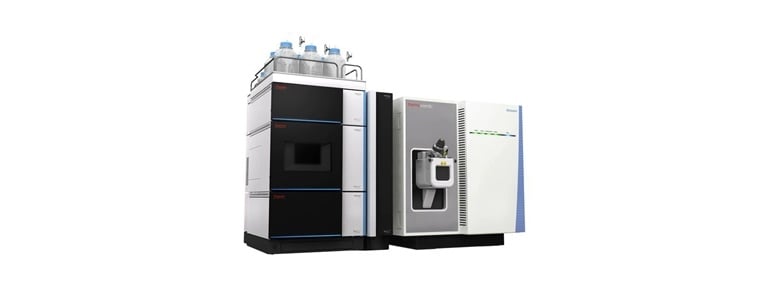
At the forefront of this technological evolution is the Thermo Scientific TSQ Quantis Plus Triple Quadrupole Mass Spectrometer. This system represents a significant leap in analytical chemistry, specifically tailored for high-throughput environments where speed and sensitivity are paramount. In the context of endocrinology, the ability to perform targeted quantitation across a broad spectrum of molecular compounds is a necessity rather than a luxury.
The TSQ Quantis Plus utilizes advanced Selected Reaction Monitoring (SRM) acquisition speeds, which allow researchers to monitor hundreds of transitions per second without sacrificing the dwell time required for high-sensitivity detection. This is particularly critical when measuring steroid hormones, metabolites, and biomarkers that may share similar molecular weights but possess distinct chemical structures. The system’s broad dynamic range ensures that both high-abundance biomarkers and trace-level hormones can be quantified in a single run, reducing the need for multiple dilutions and re-runs.

Industry analysts note that the integration of intuitive software and pre-defined method templates has significantly lowered the barrier to entry for complex Mass Spectrometry (MS) workflows. By streamlining the transition from liquid chromatography (LC) to MS/MS, laboratories can achieve reproducible results across different operators and shifts. This standardization is a cornerstone of modern "Good Laboratory Practice" (GLP), ensuring that data generated in one facility can be confidently compared with results from another, thereby accelerating the pace of multi-center clinical trials.
Safeguarding the Research Environment: Advanced Biosafety Solutions
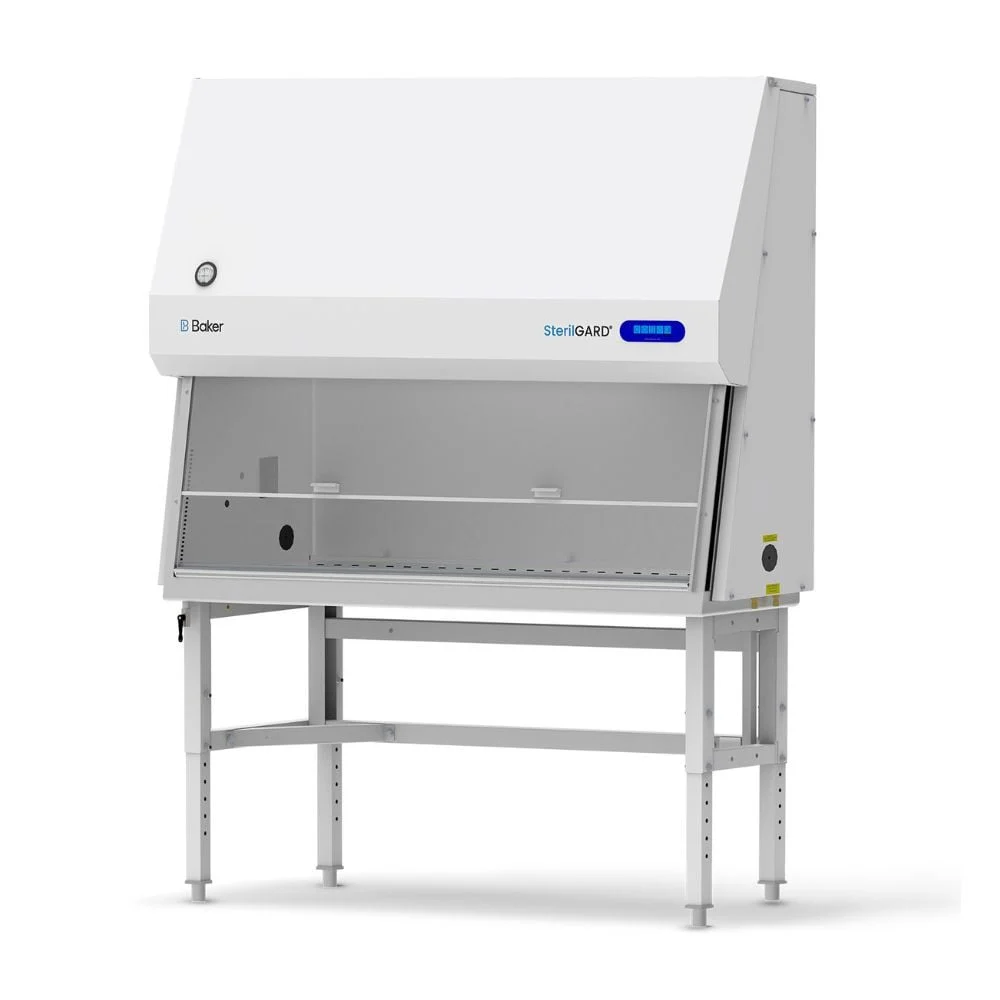
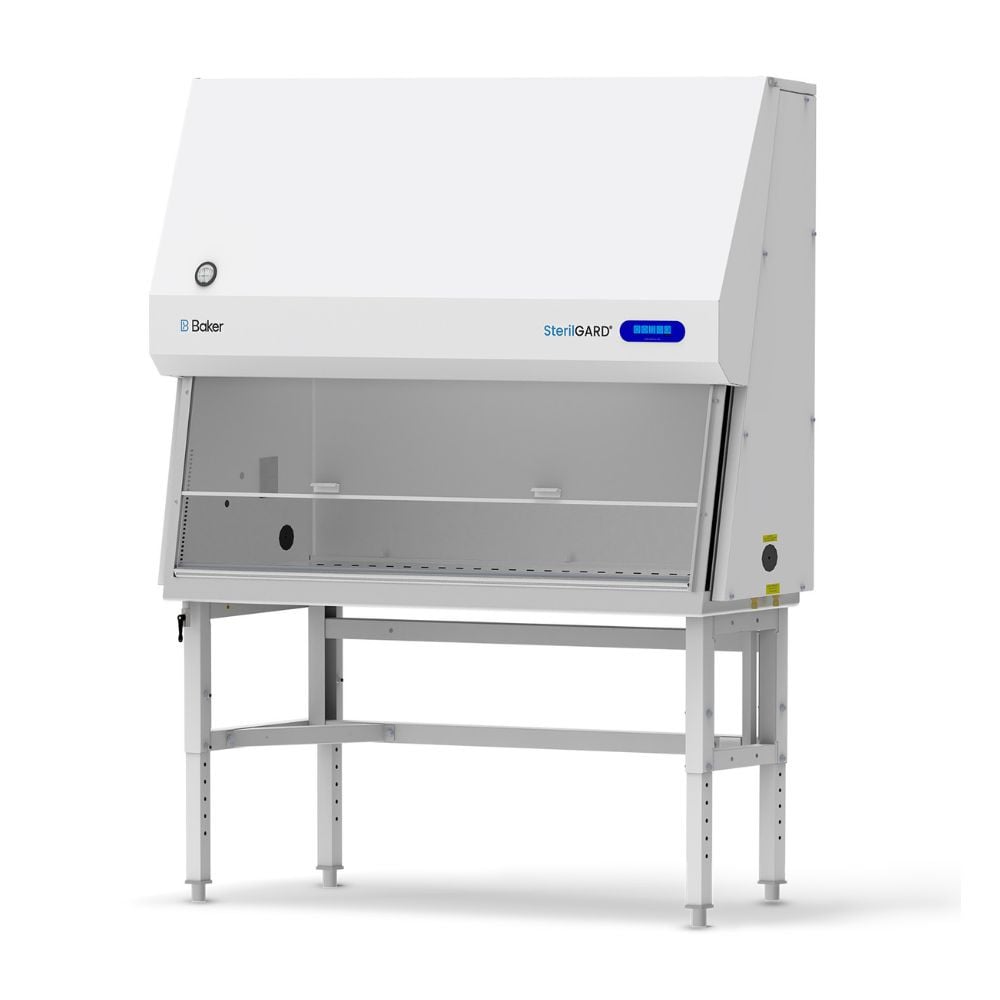
While analytical precision is vital, the environment in which samples are processed is equally important. The Baker SterilGARD e3 Class II Type A2 Biosafety Cabinet has emerged as a critical infrastructure component for labs dealing with sensitive biological materials. Endocrinology research frequently involves cell culture models—such as pituitary or adrenal cell lines—as well as the handling of human tissue biopsies. These procedures require a sterile environment to prevent contamination that could skew hormonal assays or compromise cellular health.
The SterilGARD e3 is engineered to provide a controlled, HEPA-filtered workspace that protects the researcher, the sample, and the laboratory environment. Its design focuses on "ReadySafe" technology, which manages airflow to reduce turbulence. In endocrine research, where subtle changes in cellular signaling can be influenced by environmental stressors, maintaining a stable microenvironment is essential for reproducibility.
The evolution of biosafety cabinets from simple fume hoods to sophisticated environmental controllers reflects a broader trend in laboratory safety. Modern units now incorporate energy-efficient motors and ergonomic designs that reduce noise levels, addressing the long-term health and focus of laboratory personnel. By ensuring that the foundational environment is secure, researchers can focus on the complexities of hormonal interaction without the looming threat of sample degradation or cross-contamination.
Precision at the Bench: The Role of Ergonomic Liquid Handling
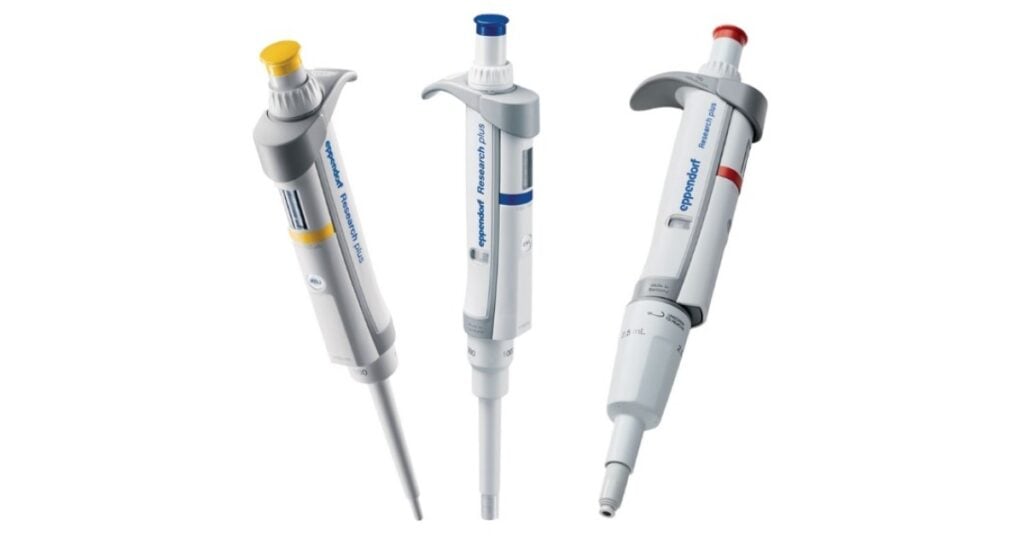
The reliability of any laboratory result is often only as good as the initial sample preparation. The Eppendorf Research Plus Pipette remains a fundamental tool in this regard, addressing the dual needs of precision and ergonomics. In endocrinology, where reagents are often expensive and sample volumes are minimal, the margin for error in liquid handling is virtually non-existent.
The Research Plus series is designed to meet the ISO 8655 standards for calibration and accuracy, ensuring that every microliter dispensed is consistent. Beyond accuracy, the focus on ergonomics—specifically reduced operating forces—is a response to the high rates of repetitive strain injuries (RSI) reported among laboratory technicians. A tired or injured hand is more prone to pipetting errors, which can lead to significant variances in ELISA (Enzyme-Linked Immunosorbent Assay) results or PCR (Polymerase Chain Reaction) amplifications.
Supporting data from laboratory efficiency studies suggests that the use of lightweight, high-precision pipettes can improve throughput by up to 15% by reducing the need for breaks and minimizing the incidence of manual errors. As endocrine research shifts toward more complex molecular workflows, the humble pipette remains the primary interface between the scientist and the science.
Infrastructure and Modularity: Optimizing the Research Workflow
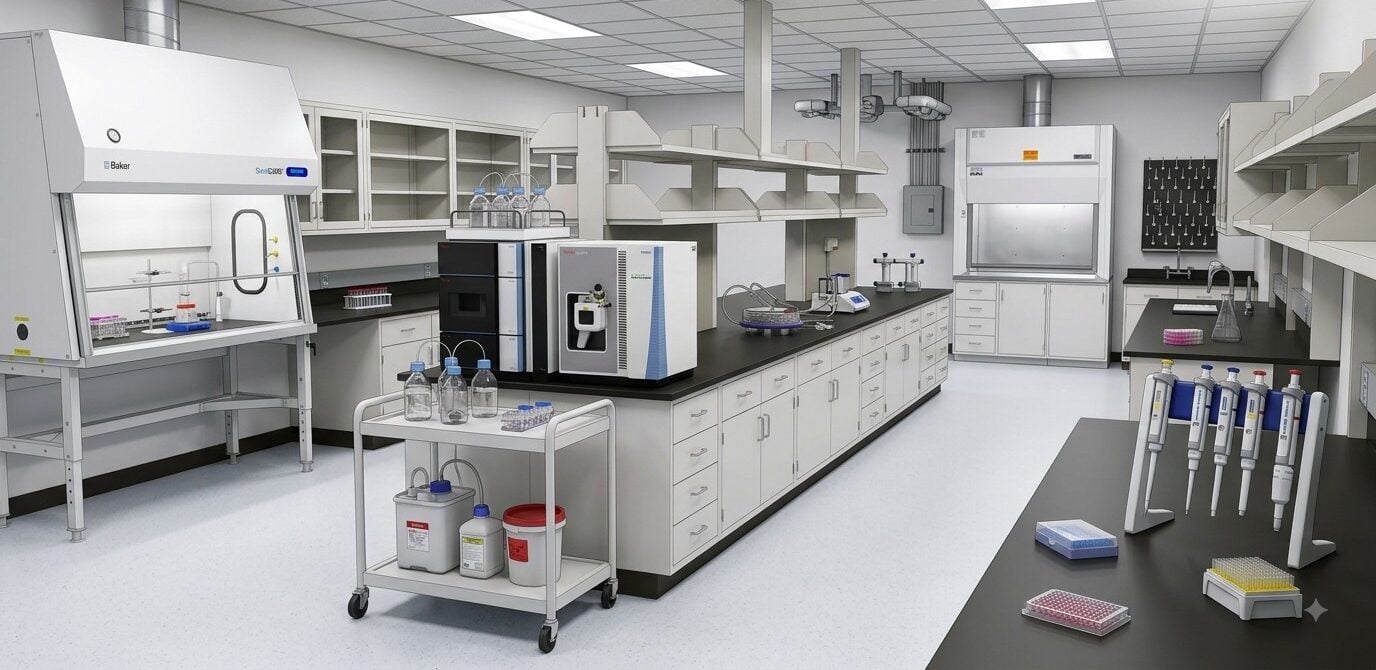
The physical layout of a laboratory can either facilitate or hinder scientific discovery. HEMCO UniLine Modular Lab Furniture Systems represent a shift toward "lean" laboratory design. Unlike traditional fixed casework, modular systems allow for the reconfiguration of workstations as research priorities change. This is particularly relevant in endocrinology, a field that is increasingly interdisciplinary, blending genetics, biochemistry, and clinical medicine.
The UniLine system provides a comprehensive suite of base cabinets, wall units, and mobile workstations that can be tailored to specific workflows. For instance, a lab transitioning from traditional hormone assays to high-throughput genomic sequencing can easily rearrange its footprint to accommodate new equipment like sequencers or automated liquid handlers. Turnkey installation services provided by companies like HEMCO ensure that the integration of sinks, fixtures, and specialized countertops (such as chemical-resistant phenolic resin) is seamless, reducing the downtime associated with lab renovations.
A Chronology of Innovation in Endocrinology Tools
The history of endocrinology is inextricably linked to the history of the tools used to study it. In the early 20th century, hormone research was limited to bioassays—observing the physiological effects of gland extracts on living organisms. The 1950s and 60s saw the advent of Radioimmunoassay (RIA), a breakthrough that allowed for the first precise measurements of hormone levels in the blood.
By the 1980s and 90s, the shift toward non-radioactive assays, such as ELISA, improved lab safety and accessibility. The early 2000s marked the "Omics" revolution, where researchers began looking at the entire endocrine system rather than individual hormones. Today, the timeline has reached a point where automation and digital integration are the standard. The current era is defined by the transition from "measuring" to "mapping," where tools like the TSQ Quantis Plus allow for the simultaneous analysis of entire metabolic pathways, providing a holistic view of endocrine function.
Market Data and the Push for Reproducibility
The global market for laboratory equipment in the life sciences is projected to grow at a compound annual growth rate (CAGR) of approximately 7% through 2030. This growth is driven largely by the "reproducibility crisis" that has plagued biomedical research over the last decade. A study published in Nature revealed that over 70% of researchers have tried and failed to reproduce another scientist’s experiments.
In response, funding bodies and academic journals are increasingly demanding higher standards of technical validation. The tools mentioned—precision mass spectrometers, certified biosafety cabinets, and calibrated pipettes—are the primary defenses against this crisis. By utilizing equipment that minimizes human error and environmental interference, researchers can generate "high-confidence" data that stands up to peer review and clinical validation.
Official Responses and Industry Sentiment
Leading manufacturers and research institutions have expressed a unified stance on the importance of integrated technology. Spokespersons from the analytical instrument industry emphasize that "the goal is no longer just to provide a tool, but to provide a validated workflow." This sentiment is echoed by principal investigators in endocrinology who argue that the complexity of modern science has outpaced the capabilities of legacy equipment.
"We are seeing a move away from ‘siloed’ instruments," says one industry analyst. "Researchers want a system where the pipette talks to the software, the software talks to the mass spec, and the entire environment is monitored for safety and consistency. It’s about creating an ecosystem of accuracy."
Broader Implications for Healthcare and Society
The implications of these technological advances extend far beyond the laboratory walls. In the clinical realm, more accurate endocrinology research leads to better diagnostic tests for conditions such as diabetes, thyroid disorders, and polycystic ovary syndrome (PCOS). Early and accurate detection of hormonal imbalances can lead to personalized treatment plans, significantly improving patient outcomes and reducing long-term healthcare costs.
Furthermore, as our understanding of "endocrine disruptors"—environmental chemicals that interfere with hormones—grows, the need for high-sensitivity testing becomes a matter of public health. Advanced mass spectrometry is the only way to detect these chemicals at the low concentrations found in the environment and human tissue.
In conclusion, the evolution of laboratory technology in endocrinology is a response to the increasing complexity of the field. From the foundational furniture and safety cabinets to the high-precision pipettes and analytical powerhouses like the TSQ Quantis Plus, these tools are not merely conveniences; they are the essential components of a system designed to uncover the subtle, powerful truths of the endocrine system. As these technologies continue to advance, they will undoubtedly pave the way for the next generation of medical breakthroughs, transforming our understanding of human health and disease.