

As the vibrancy of spring approaches, a renewed focus on health and wellness often takes center stage for many individuals. The pursuit of improved physical condition, frequently involving dietary adjustments, necessitates a well-informed approach, particularly regarding snack choices. While the intention to embark on a healthier eating journey is commendable, success is often predicated on meticulous preparation, starting with an optimized grocery list. The availability of appropriate foods, especially for interim meals, can significantly influence the trajectory of one’s efforts. The detrimental impact of unplanned, calorie-dense late-night snacking, for instance, is a well-documented obstacle to achieving a calorie deficit and subsequent weight loss. This challenge is further compounded by the pervasive availability of highly processed, nutritionally deficient snack options in modern food environments.
To provide actionable guidance, this article delves into expert recommendations for strategic snacking. Dr. Kezia Joy, RDN, a distinguished Medical Advisor with Welzo, has identified a concise yet effective list of five healthy snacks that she exclusively endorses for individuals aiming for sustainable weight loss. These recommendations are not arbitrary; they are rooted in fundamental nutritional principles designed to promote satiety, regulate blood sugar, and provide essential nutrients without contributing to caloric excess.
The Expert Perspective: Dr. Kezia Joy’s Five Pillars of Healthy Snacking
Dr. Joy’s philosophy centers on making informed, convenient choices that align with long-term health objectives. Her five most frequently suggested snacks for weight loss are: cottage cheese with vegetables, Greek yogurt with fresh berries, hummus with raw vegetables, an ounce of nuts (or a few nuts) with a piece of fruit, and a smoothie utilizing whole food ingredients and protein. Each of these options is meticulously selected to offer a balanced macronutrient profile, ease of preparation, and adaptability into diverse daily routines, thereby mitigating feelings of deprivation commonly associated with dieting.
Pillar 1: Nutrient-Dense Dairy and Garden Freshness – Cottage Cheese with Vegetables
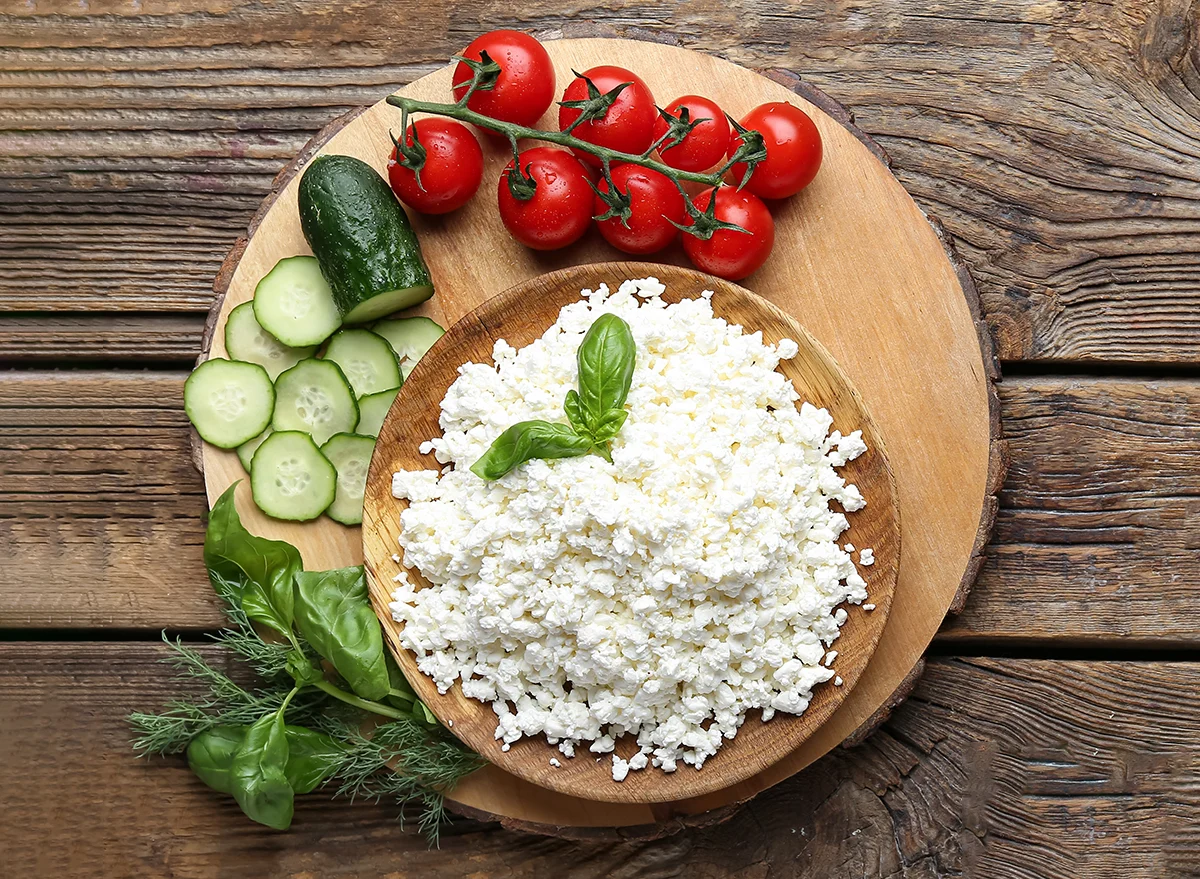
Cottage cheese stands out as an exceptionally protein-rich dairy product, making it an excellent foundation for a satiating snack. A typical half-cup serving of low-fat cottage cheese can provide approximately 14-16 grams of protein, a significant contribution towards daily protein requirements. This high protein content is crucial for promoting feelings of fullness, extending the time between meals, and aiding in muscle preservation, which is vital during periods of weight loss. Beyond protein, cottage cheese also offers essential micronutrients such as calcium, phosphorus, and B vitamins.
Pairing cottage cheese with fresh, raw vegetables, such as crisp cucumbers, vibrant cherry tomatoes, or crunchy bell peppers, amplifies its nutritional value. These vegetables introduce a wealth of dietary fiber, vitamins (like Vitamin C and K), minerals (potassium), and antioxidants, all while contributing minimal calories. For example, cucumbers are largely water, aiding hydration, while tomatoes are rich in lycopene, a potent antioxidant. The combination creates a synergistic effect: the protein from the cottage cheese provides sustained energy and satiety, while the fiber and volume from the vegetables enhance fullness and support digestive health. This simple pairing transforms a basic snack into a comprehensive mini-meal that supports metabolic health.
Pillar 2: Probiotic Power and Antioxidant Boost – Greek Yogurt with Fresh Berries
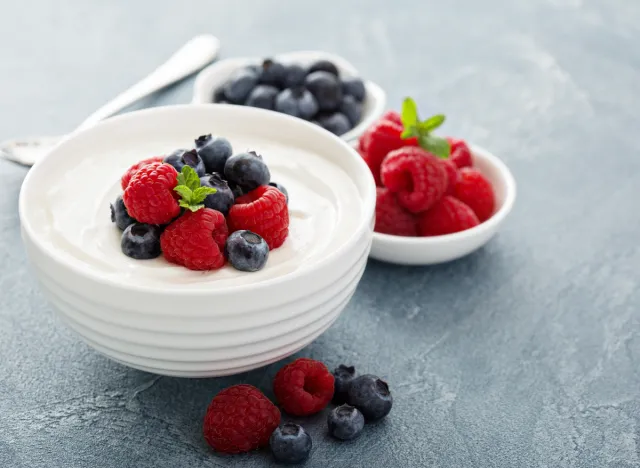
Greek yogurt has gained immense popularity in the health community due to its impressive nutritional profile, particularly its elevated protein content compared to traditional yogurt. A 6-ounce serving can contain upwards of 15-20 grams of protein, often double that of regular yogurt. This makes it an invaluable tool for satiety and muscle maintenance. Furthermore, Greek yogurt is a fermented food, teeming with beneficial probiotics that contribute to a healthy gut microbiome. A balanced gut is increasingly recognized as critical for overall health, influencing everything from digestion and immunity to mood and even weight management.
The addition of fresh berries—strawberries, blueberries, raspberries, or blackberries—further elevates this snack. Berries are renowned for their high antioxidant content, which combats oxidative stress in the body. They are also an excellent source of dietary fiber, supporting digestive regularity and contributing to sustained fullness. The natural sweetness of berries provides a satisfying flavor profile without the need for added sugars, which are often found in flavored yogurts and can undermine weight loss efforts. The fiber in berries also helps to moderate the absorption of their natural sugars, preventing rapid blood glucose spikes and subsequent energy crashes.
Pillar 3: Plant-Powered Satiety – Hummus with Raw Vegetables
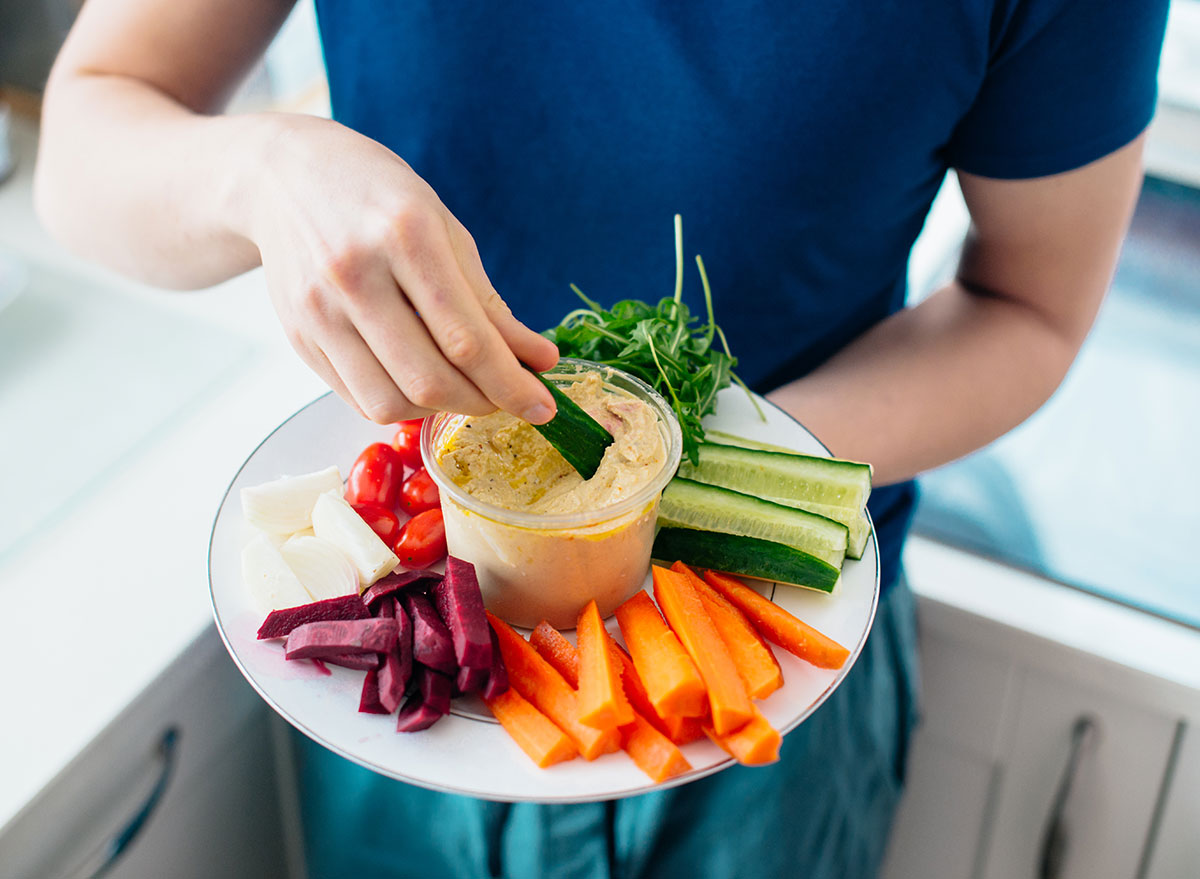
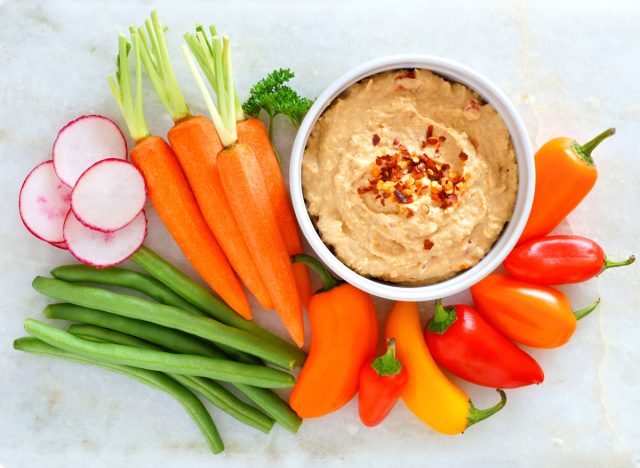
Hummus, a Mediterranean staple, is a nutrient-dense dip made primarily from chickpeas, tahini (sesame paste), olive oil, lemon juice, and garlic. Chickpeas are a stellar source of plant-based protein and complex carbohydrates, providing sustained energy. Crucially, they are also exceptionally rich in dietary fiber, contributing significantly to satiety and digestive wellness. Tahini and olive oil introduce healthy monounsaturated and polyunsaturated fats, which are vital for nutrient absorption, hormone production, and promoting a feeling of fullness.
Pairing hummus with an assortment of raw vegetables like carrots, celery sticks, bell pepper strips, or broccoli florets creates a robust and satisfying snack. These vegetables offer diverse micronutrients—Vitamin A from carrots, Vitamin C from bell peppers, and various phytochemicals from all—along with additional fiber and hydration. The act of crunchy raw vegetables also adds a sensory satisfaction that can help curb cravings for less healthy options. This combination leverages the power of legumes and fresh produce to deliver a snack that is both filling and packed with essential nutrients, supporting stable blood sugar levels and preventing overeating at subsequent meals.
Pillar 4: Balanced Energy from Nature’s Bounty – Nuts with Whole Fruit
A small, carefully portioned serving of nuts combined with a piece of whole fruit represents another highly effective dietitian-approved snack. Nuts, such as almonds, walnuts, cashews, or pistachios, are nutritional powerhouses, offering a potent blend of healthy fats (monounsaturated and polyunsaturated), plant-based protein, and fiber. They are also rich in vitamins (like Vitamin E) and minerals (magnesium, zinc). The healthy fats in nuts contribute significantly to satiety and provide sustained energy release, helping to stabilize blood glucose levels. However, due to their caloric density, portion control is paramount—an ounce or a small handful is typically sufficient.
The accompanying piece of whole fruit (e.g., an apple, an orange, a pear, or a banana) complements the nuts perfectly. Fruit provides natural sugars for quick energy, alongside a wealth of vitamins, minerals, and, critically, dietary fiber. Unlike fruit juice, whole fruit retains its fiber, which slows down sugar absorption, preventing sharp blood sugar spikes. The fiber and water content in fruit also add volume, further enhancing feelings of fullness. This snack offers a balanced macronutrient profile and a broad spectrum of micronutrients, making it an ideal choice for sustained energy and hunger management.
Pillar 5: Customizable Nutritional Blends – Smoothies with Whole Food Ingredients and Protein
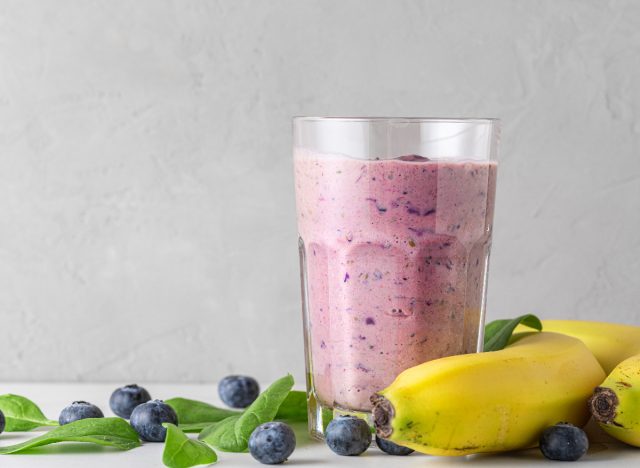
Smoothies, when constructed thoughtfully with whole food ingredients and a protein source, can be incredibly versatile and nutrient-dense snacks. The key lies in avoiding excessive fruit sugars and prioritizing ingredients that contribute to a balanced macronutrient profile. An ideal weight-loss-friendly smoothie might include a base of unsweetened almond milk or water, a scoop of protein powder (whey, casein, or plant-based), a handful of leafy greens (spinach, kale) for vitamins and fiber, and a small portion of low-sugar fruits like berries. Healthy fats can be added through a tablespoon of chia seeds, flax seeds, or a quarter of an avocado.
This approach ensures a significant protein boost, crucial for satiety and muscle maintenance, while incorporating essential vitamins, minerals, and fiber from greens and fruits. The fiber helps regulate digestion and blood sugar, while the healthy fats contribute to fullness. Smoothies offer the convenience of quick preparation and portability, making them an excellent option for busy individuals. By carefully selecting ingredients, one can create a customized snack that delivers concentrated nutrition, promotes satiety, and supports weight management goals without the empty calories often found in store-bought, sugar-laden versions.
The Scientific Foundation: Decoding the Trifecta for Weight Loss – Protein, Healthy Fats, and Fiber
Dr. Joy’s recommendations are firmly anchored in the scientific understanding of three essential macronutrients: protein, healthy fats, and fiber. These components are not merely additive; they work synergistically to support weight loss and overall metabolic health.
The Power of Protein: Building Blocks for Satiety and Muscle Preservation
Protein is unequivocally recognized as the cornerstone of any effective weight management strategy. Its primary role in weight loss stems from several key mechanisms. Firstly, protein has the highest thermic effect of food (TEF) among macronutrients, meaning the body expends more energy to digest, absorb, and metabolize protein compared to carbohydrates or fats. This subtly increases daily calorie expenditure. Secondly, protein is highly satiating. Research consistently demonstrates that a higher protein intake leads to greater feelings of fullness and reduced subsequent calorie intake. This is partly due to its impact on appetite-regulating hormones such as ghrelin (the hunger hormone) and GLP-1 and PYY (satiety hormones). Finally, adequate protein intake is crucial for preserving lean muscle mass, particularly during a calorie deficit. Muscle tissue is metabolically active, burning more calories at rest than fat tissue. Losing muscle during weight loss can hinder long-term metabolic rate and make weight maintenance more challenging. The snacks recommended by Dr. Joy, such as cottage cheese, Greek yogurt, hummus, and nuts, are all excellent sources of quality protein.
Healthy Fats: Essential for Hormonal Balance and Sustained Energy
Contrary to outdated dietary advice that demonized all fats, healthy fats are now understood as indispensable for weight management and overall health. Monounsaturated fatty acids (MUFAs) and polyunsaturated fatty acids (PUFAs), found in nuts, seeds, olive oil, and avocados, play several vital roles. They contribute significantly to satiety, helping to keep hunger at bay for longer periods compared to low-fat, high-carbohydrate alternatives. Healthy fats are also crucial for the absorption of fat-soluble vitamins (A, D, E, K) and are integral to hormone production and cell membrane integrity. While calorie-dense, their powerful satiating effect means that smaller, controlled portions can effectively prevent overeating and regulate hunger, as demonstrated by the inclusion of nuts and the fats in hummus in Dr. Joy’s list.
Fiber: The Unsung Hero of Digestive Health and Blood Sugar Control
Fiber, a type of carbohydrate that the body cannot digest, is a critical component for weight loss and metabolic health. It comes in two main forms: soluble and insoluble. Soluble fiber (found in oats, beans, fruits, and vegetables) forms a gel-like substance in water, slowing down digestion and nutrient absorption. This leads to a more gradual rise in blood glucose levels, preventing the sharp spikes and crashes that often trigger cravings and subsequent overeating. Insoluble fiber (found in whole grains, nuts, and vegetables) adds bulk to stool, promoting regular bowel movements and contributing to feelings of fullness by occupying space in the digestive tract.
Both types of fiber are instrumental in promoting satiety, managing blood sugar levels, and supporting a healthy gut microbiome. A diet rich in fiber has been linked to a lower risk of obesity, type 2 diabetes, and cardiovascular disease. All of Dr. Joy’s recommended snacks—vegetables, berries, chickpeas, nuts, and whole-food smoothies—are excellent sources of dietary fiber, underscoring its pivotal role in her approach to healthy snacking.
Mastering Satiety: How Smart Snacking Curbs Cravings and Prevents Overeating
The strategic incorporation of these protein, healthy fat, and fiber-rich snacks directly addresses one of the most common challenges in weight management: managing hunger and cravings. Dr. Joy emphasizes that these healthy snack options are "chock-full of fiber and protein—both of which promote satiety and take longer to digest compared to other snacks." This extended digestion time means that the body feels fuller for longer, effectively decreasing the desire to overeat during subsequent meals and fostering more balanced eating habits throughout the day.
Regulating Blood Glucose: A Key to Hunger Management
A significant benefit of these balanced snacks is their ability to maintain consistent blood glucose levels. As Dr. Joy explains, "The less your blood glucose levels fluctuate, the less you will experience hunger." Rapid fluctuations in blood sugar, often triggered by consuming highly refined carbohydrates and sugars, lead to a quick surge of energy followed by an equally rapid crash. This crash signals to the brain that more energy is needed, often manifesting as intense hunger and cravings for quick-fix, sugary foods. By providing a steady release of energy and preventing these dramatic swings, protein, healthy fats, and fiber act as a buffer, helping to stabilize energy levels and keep hunger at bay. This physiological stability is crucial for adherence to a calorie-controlled diet.
Breaking the Cycle of Processed Food Dependence
Furthermore, by consciously choosing these nutrient-dense snacks, individuals can actively "control your hunger with snack foods prior to consuming highly processed convenience foods," Dr. Joy notes. This proactive approach helps to "limit the amount of highly processed convenience foods you consume during the day." Many commercially available snacks are engineered to be hyper-palatable and rapidly digestible, leading to minimal satiety and encouraging overconsumption. By interrupting this cycle with wholesome alternatives, individuals can rewire their dietary habits, reducing reliance on foods that offer little nutritional value but contribute significantly to caloric excess.
The Pitfalls of Conventional Snacking: Why Many Choices Undermine Weight Goals
The contrast between Dr. Joy’s recommendations and typical snack choices highlights a critical aspect of weight management. Many conventional snacks are detrimental to weight loss efforts because they are predominantly "packed with refined carbs and added sugar while adding zero nutritional value to your diet," as the original article states. These include items like chips, cookies, candies, sugary cereals, and many processed snack bars.
The Allure and Deception of Refined Carbs and Added Sugars
Refined carbohydrates (like white flour in crackers or pretzels) and added sugars (ubiquitous in many packaged snacks) are rapidly digested and absorbed. This leads to a quick spike in blood glucose, followed by an insulin response that swiftly removes sugar from the bloodstream, often resulting in a subsequent drop in blood sugar below baseline levels. This "sugar crash" triggers renewed hunger and cravings, perpetuating a cycle of eating that does not provide lasting satisfaction. As Dr. Joy aptly puts it, these snacks "are easily digested, but do little to suppress our desire for additional food." This lack of satiety makes it alarmingly easy to overeat these items, leading to significant excess calorie consumption without providing the body with essential nutrients.
Nutrient Deficiency and Caloric Excess: The Dual Threat
Beyond their impact on blood sugar and satiety, many conventional snacks suffer from a profound lack of nutrient density. They offer "very little nutritional value," meaning they provide calories but few vitamins, minerals, or beneficial macronutrients like fiber or quality protein. This creates a dual threat: individuals consume excess calories without feeling truly nourished, which can lead to micronutrient deficiencies despite caloric surplus. Dr. Joy emphasizes this, stating, "When you choose to eat one of the snacks I recommend, the calories will provide satiety, or fullness." In contrast, the calories from typical processed snacks often provide transient pleasure but fail to deliver lasting satisfaction or nutritional benefit, making them counterproductive to weight loss.
Strategic Timing: Optimizing Snack Consumption for Peak Energy and Hunger Control
Beyond what to eat, when to eat plays a crucial role in effective weight management. Snack timing, often overlooked, can significantly influence energy levels, hunger perception, and overall caloric intake.
Dr. Joy underscores this by stating, "Snacks at appropriate times may prevent an interval of time from one meal to another in which individuals are likely to consume excess calories due to a large gap in time since the last meal." This highlights the preventative power of strategic snacking.
Bridging Meals: Maintaining Consistent Energy Levels
Incorporating a well-chosen snack mid-morning or mid-afternoon serves as a critical bridge between larger meals. For instance, a mid-afternoon snack can effectively combat the common energy slump experienced by many, preventing the uncontrolled hunger that often leads to unhealthy choices before dinner. By maintaining consistent energy levels throughout the day, individuals are less likely to experience "energy crashes" and the associated "need for sweet treats" to provide a quick boost. A balanced snack, rich in protein, healthy fats, and fiber, provides a steady supply of glucose to the brain, supporting cognitive function, focus, and productivity. This sustained energy helps individuals remain alert and engaged without resorting to sugary drinks or processed foods.
Purposeful Evening Snacking: Distinguishing Need from Habit
Evening snacking often presents a particular challenge, frequently driven by habit, boredom, or emotional factors rather than genuine physiological hunger. Dr. Joy advises that "Evening snacking should be purposeful (not routine) and based on your body’s need for food as opposed to just eating out of habit." This distinction is critical. If genuine hunger arises due to a long gap since dinner or an unusually active day, a small, protein-based snack is the optimal choice. Protein is generally preferred for evening snacks because it promotes satiety without causing significant blood sugar spikes that could interfere with sleep. Choosing a protein-rich option like a small serving of Greek yogurt or cottage cheese can satisfy hunger and support muscle repair overnight without contributing to excessive caloric intake. This mindful approach to evening eating is a key differentiator between successful and stalled weight loss journeys.
Broader Health Implications: Beyond Weight Loss
While the primary focus of Dr. Joy’s recommendations is weight loss, the principles embedded in these strategic snack choices extend far beyond mere caloric reduction. Adopting a pattern of nutrient-dense snacking has profound, positive implications for overall health and well-being.
Reducing Chronic Disease Risk
A diet rich in whole foods, fiber, healthy fats, and lean protein, as advocated by Dr. Joy, is a powerful preventative measure against numerous chronic diseases. Consistent intake of fiber and protein helps regulate blood sugar, significantly reducing the risk of developing type 2 diabetes. The healthy fats found in nuts, seeds, and hummus contribute to cardiovascular health by improving cholesterol profiles and reducing inflammation, thereby lowering the risk of heart disease and stroke. Furthermore, the abundance of vitamins, minerals, and antioxidants from fruits and vegetables supports robust immune function and cellular health, potentially reducing the risk of certain cancers. By replacing ultra-processed snacks with these healthier alternatives, individuals are actively investing in long-term disease prevention.
Enhancing Cognitive Function and Mood
The stable blood glucose levels achieved through balanced snacking directly benefit cognitive function. Avoiding the peaks and valleys of blood sugar prevents "brain fog" and enhances concentration, memory, and overall mental clarity. The sustained energy from protein and healthy fats fuels the brain consistently, supporting sustained productivity throughout the day. Moreover, a diet rich in whole, unprocessed foods and a healthy gut microbiome (supported by options like Greek yogurt and fiber-rich vegetables) are increasingly linked to improved mood and reduced risk of mental health conditions like depression and anxiety. The act of making conscious, healthy food choices can also instill a sense of control and accomplishment, further contributing to psychological well-being.
Fostering Sustainable Lifestyle Changes
Ultimately, Dr. Joy’s approach to snacking is about fostering sustainable lifestyle changes rather than promoting restrictive diets. By providing readily accessible, delicious, and nutritionally sound options, she empowers individuals to make choices that align with their health goals without feeling deprived. The versatility and ease of preparation of these snacks mean they can be seamlessly integrated into various lifestyles, making healthy eating a habitual, enjoyable part of daily life. This shift from short-term dieting to long-term sustainable habits is the true hallmark of successful weight management and holistic health improvement.
In conclusion, the journey to sustainable weight management is multifaceted, but the role of strategic snacking cannot be overstated. By consciously opting for dietitian-approved choices rich in protein, healthy fats, and fiber, individuals can effectively manage hunger, stabilize blood glucose, and provide their bodies with essential nutrients. Dr. Kezia Joy’s five recommendations—cottage cheese with vegetables, Greek yogurt with fresh berries, hummus with raw vegetables, nuts with whole fruit, and thoughtfully prepared smoothies—offer a robust framework for making informed decisions that not only support weight loss but also contribute to a foundation of lasting health and vitality. This proactive approach to food selection transforms snacking from a potential pitfall into a powerful ally in the pursuit of well-being.
