

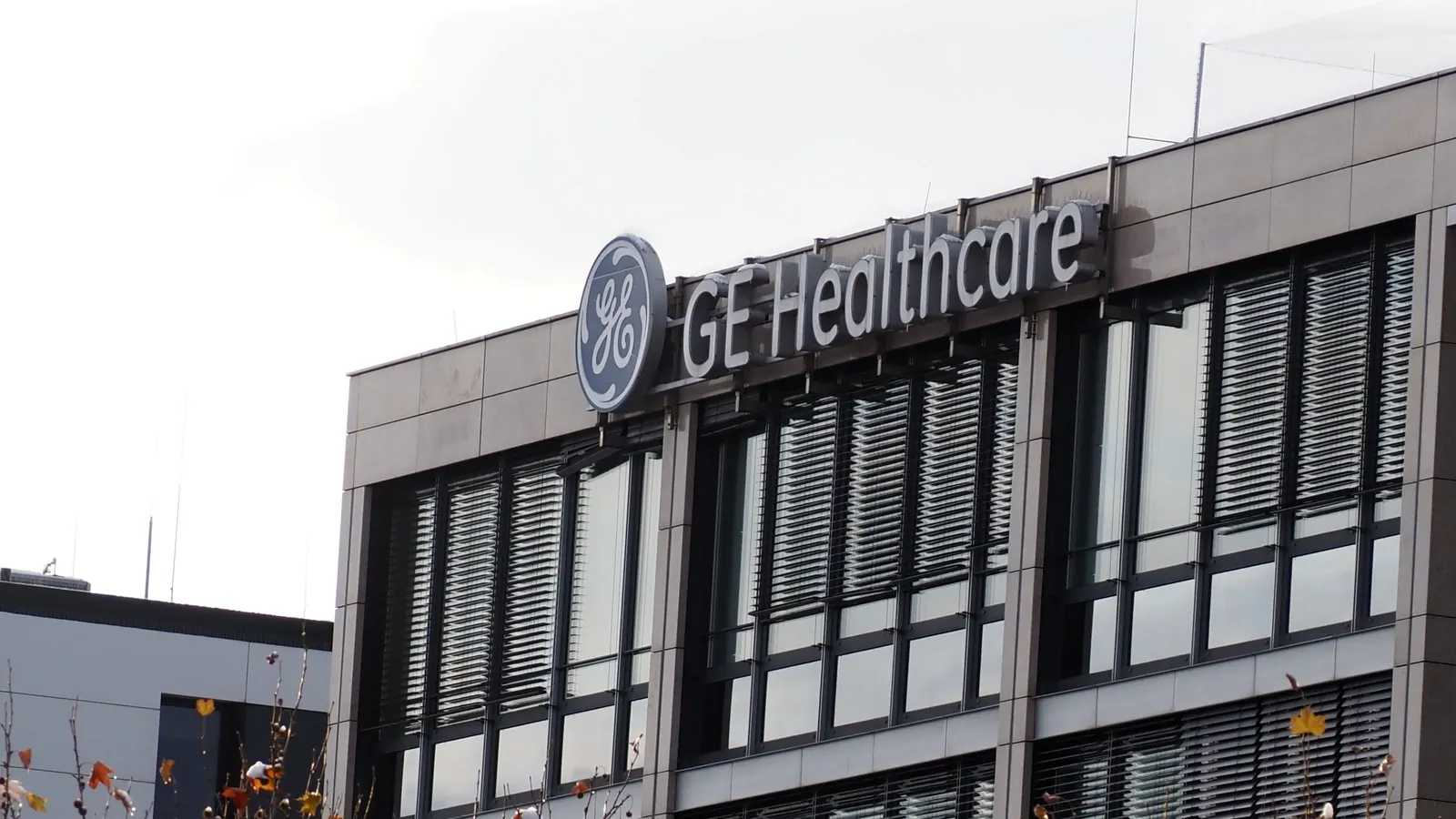
GE HealthCare Technologies Inc. has officially announced a significant shift in its executive leadership team alongside the release of preliminary financial results for the second quarter of 2026, marking a pivotal moment for the medical technology giant as it continues its trajectory as an independent entity. James Saccaro, who has served as the company’s Vice President and Chief Financial Officer since shortly after its high-profile spin-off from General Electric, is set to depart the organization. To ensure a seamless transition during this period of change, the company has appointed James Newcomb, a veteran with nearly four decades of experience within the GE ecosystem, to serve as the interim Chief Financial Officer while a comprehensive search for a permanent successor is conducted.
The leadership transition comes at a time of relative financial strength for the Chicago-based firm. In conjunction with the personnel announcement, GE HealthCare provided investors with an encouraging snapshot of its performance for the quarter ending June 30. The company anticipates reporting total revenue of approximately $5.3 billion, a figure that represents a 5.7% increase compared to the same period in the previous year. Furthermore, the company indicated that its adjusted earnings per share (EPS) for the second quarter are expected to exceed prior internal expectations, suggesting that operational efficiencies and robust demand for its diagnostic imaging and monitoring solutions are yielding tangible results.
The Tenure of James Saccaro and the Post-Spin-Off Landscape
James Saccaro joined GE HealthCare in early 2023, a critical juncture in the company’s history. Having previously served as the CFO of Baxter International, Saccaro was brought in to provide seasoned financial oversight as GE HealthCare navigated its first year as a publicly traded, standalone corporation. His tenure was characterized by a focus on stabilizing the company’s balance sheet and navigating a complex global macroeconomic environment.
During his three years with the organization, Saccaro was tasked with managing significant headwinds that impacted the broader medtech sector. Most notably, he led the financial strategy through a period of extreme volatility in the global supply chain. GE HealthCare, which relies heavily on advanced electronics for its MRI, CT, and ultrasound machines, faced soaring costs for memory chips and other critical semiconductors. Additionally, the company had to maneuver through shifting international trade policies, including tariffs and logistical bottlenecks that threatened to squeeze margins. Saccaro’s efforts were largely directed at implementing pricing strategies to offset these inflationary pressures while maintaining the company’s investment in research and development.
The timing of Saccaro’s departure has drawn scrutiny from market analysts, though the company’s preliminary financial beats have served to reassure stakeholders. His exit marks the end of the initial "establishment phase" of GE HealthCare’s independence, leaving the next CFO to focus on long-term margin expansion and the integration of artificial intelligence across the company’s product portfolio.
Interim Leadership and the Role of James Newcomb
The appointment of James Newcomb as interim CFO provides a stabilizing force for GE HealthCare. Newcomb is far from a newcomer to the organization; his career spans over 38 years in various high-level finance positions within the General Electric family. Since 2016, he has served as the Controller for GE HealthCare, a role that gave him deep visibility into the company’s operational costs and revenue drivers.
Following the spin-off from General Electric in January 2023, Newcomb was named Chief Accounting Officer. His intimate knowledge of the company’s internal controls, financial reporting structures, and the intricacies of the spin-off transaction makes him a logical choice to lead the finance department during the search for a permanent replacement. Analysts suggest that Newcomb’s presence minimizes the risk of "financial surprises," as he has been a primary architect of the company’s current accounting framework.
Analysis of Preliminary Second Quarter Financial Results
The preliminary revenue figure of $5.3 billion highlights GE HealthCare’s ability to maintain growth despite a challenging environment in key markets, such as China, where healthcare spending has seen some fluctuations. The 5.7% year-over-year growth suggests that the company is successfully capturing demand in the "Precision Care" segment, which includes advanced visualization tools and digital health solutions.
While the full breakdown of segment performance will be available during the formal earnings call, the company’s statement that adjusted EPS will exceed expectations is a significant signal to the market. It implies that the company has been successful in its productivity initiatives—reducing waste in manufacturing and optimizing its service business. The service segment, which provides maintenance and software updates for the vast installed base of GE equipment globally, remains a high-margin recurring revenue stream that provides a buffer against the more cyclical nature of capital equipment sales.
Despite the positive quarterly results, GE HealthCare has opted for a conservative approach regarding its full-year 2026 guidance. The company reaffirmed its prior forecast, maintaining an organic revenue growth target of 3% to 4% for the fiscal year. Additionally, the company is sticking to its adjusted EPS guidance of $4.80 to $5.00. This decision to hold steady on the annual outlook, despite a strong second quarter, suggests that management remains cautious about potential macroeconomic shifts in the second half of the year, including interest rate volatility and geopolitical tensions.
Market Reaction and Analyst Perspectives
The announcement of a CFO departure often triggers a period of uncertainty for investors, particularly for a company that is still establishing its identity as an independent entity. Robbie Marcus, an influential analyst at J.P. Morgan, noted in a research memorandum that the news of Saccaro’s exit "adds another moving piece at a time when investors are still looking for greater consistency."
The medtech investment community has been closely monitoring GE HealthCare’s ability to deliver predictable, "clean" quarters without the noise of one-time charges or restructuring costs associated with the spin-off. While the leadership change introduces a new variable, Marcus acknowledged that the organic sales performance for the quarter was in line with expectations, which should help mitigate immediate concerns regarding the company’s fundamental health.
The broader sentiment remains one of "cautious optimism." Investors are looking for signs that GE HealthCare can consistently outperform its primary rivals, including Siemens Healthineers and Philips. The ability to maintain a 5.7% growth rate is a positive indicator that GE HealthCare is holding its own in the competitive landscape of medical imaging and patient monitoring.
Chronology of GE HealthCare’s Independence
To understand the significance of this leadership change, it is essential to look at the timeline of GE HealthCare’s journey over the past several years:
- November 2021: General Electric announces its intention to split into three independent, industry-leading public companies focused on healthcare, energy, and aviation.
- January 2023: GE HealthCare officially completes its spin-off and begins trading on the Nasdaq under the ticker "GEHC." The company enters the market with a massive global footprint, including more than 4 million installed medical devices.
- June 2023: James Saccaro joins the company as CFO, tasked with navigating the post-separation financial landscape.
- 2023-2024: The company focuses on "Precision Care" and aggressive R&D, launching several AI-enhanced imaging products and securing key partnerships in the pharmaceutical diagnostics space.
- July 2024: The company announces Saccaro’s departure and the appointment of James Newcomb as interim CFO, alongside preliminary Q2 results that beat EPS expectations.
Strategic Implications and Future Outlook
The departure of a CFO during a period of growth often indicates a shift in strategic focus or a natural conclusion to an initial phase of corporate development. For GE HealthCare, the next phase will likely involve deeper integration of digital technologies and a focus on expanding its presence in emerging markets.
The company is currently betting heavily on the "digital twin" concept and AI-driven diagnostics. By utilizing data from its millions of installed machines, GE HealthCare aims to provide hospitals with predictive analytics that can improve patient outcomes and operational efficiency. The next permanent CFO will need to balance the high capital requirements of these technological investments with the market’s demand for disciplined margin expansion.
Furthermore, the company must continue to navigate the complexities of the Chinese market. China has historically been a significant growth driver for medtech, but recent government anti-corruption campaigns in the healthcare sector and a push for domestic manufacturing have created a more volatile environment for Western firms. GE HealthCare’s ability to localize its supply chain and maintain its market share in the region will be a key metric for the incoming financial leadership.
Conclusion
GE HealthCare’s announcement of James Saccaro’s departure and the appointment of James Newcomb marks a transition of stewardship at a time when the company appears to be hitting its stride operationally. The preliminary second-quarter revenue of $5.3 billion and the expectation of higher-than-forecast earnings suggest that the underlying business remains resilient.
As the company moves forward, the focus will remain on achieving its full-year guidance of 3% to 4% organic revenue growth. While the search for a new CFO continues, the deep institutional knowledge held by James Newcomb is expected to provide the continuity necessary to maintain investor confidence. GE HealthCare remains a cornerstone of the global medical technology industry, and its ability to navigate this leadership transition while delivering on its financial promises will be closely watched by analysts and competitors alike. The full second-quarter financial results, which will provide more granular detail on segment performance and geographic trends, are expected to be released in the coming weeks, providing further clarity on the company’s trajectory for the remainder of the year.
