

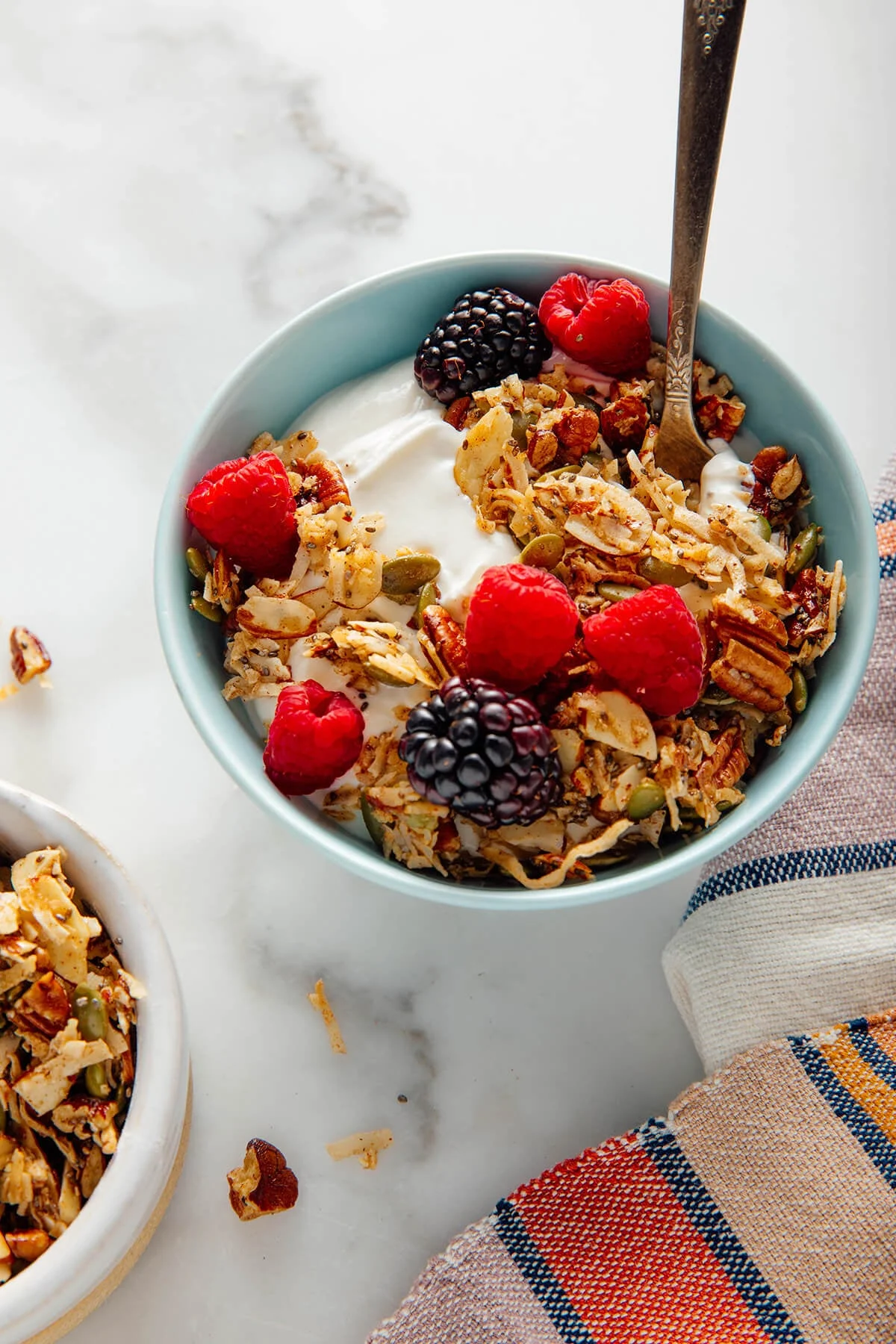
The culinary world continues to adapt to an increasingly diverse array of dietary preferences and health requirements, with grain-free granola solidifying its position as a notable and versatile breakfast and snack option. Moving beyond its traditional oat-based predecessors, this innovative granola variant provides a sweet, nutty crunch that resonates with a broad spectrum of consumers, from those managing specific health conditions to individuals simply seeking alternative nutritional profiles. Its growing popularity underscores a significant shift in food consumption patterns, reflecting a broader consumer demand for adaptable and health-aligned food products.
The Evolution of Granola: A Response to Dietary Shifts
Granola, historically celebrated as a wholesome, fiber-rich breakfast staple, has traditionally been synonymous with oats and other whole grains. However, the past decade has witnessed a dramatic expansion in dietary understanding and consumer consciousness, driving innovation in food product development. The rise of grain-free eating is not merely a passing fad but a sustained movement influenced by various factors, including the increasing prevalence of celiac disease, non-celiac gluten sensitivity, and the growing adoption of low-carbohydrate and ketogenic diets.
For many, the concept of "grain-free granola" might initially seem paradoxical, challenging the very definition of the beloved cereal. Yet, its emergence is a direct response to these evolving dietary needs. While whole grains like oats offer undeniable health benefits, including dietary fiber and sustained energy, they are not universally suitable. Individuals with celiac disease must strictly avoid gluten, a protein found in wheat, barley, and rye, and often cross-contaminates oats unless certified gluten-free. For those with non-celiac gluten sensitivity, eliminating grains can alleviate digestive discomfort and other symptoms. Furthermore, the increasing focus on blood sugar management, particularly for conditions like gestational diabetes—a temporary form of diabetes that can develop during pregnancy—has led many to explore carb-conscious dietary strategies, making grain-free alternatives particularly appealing.
Nutritional Imperatives and Expert Guidance
The development of grain-free granola highlights a proactive approach to managing dietary restrictions and health challenges. For instance, the need to manage blood sugar levels during pregnancy, as experienced by many, often necessitates a closer look at carbohydrate intake. This context has spurred interest in recipes that deliver satisfaction and nutrition without excessive glycemic impact. Dietitians specializing in prenatal nutrition, such as Lily Nichols, author of "Real Food for Pregnancy," have been instrumental in advocating for nutrient-dense, carb-conscious approaches to maternal health. Recipes inspired by such expert guidance, like the adaptable grain-free granola discussed, become invaluable kitchen staples, offering both sustenance and enjoyment during periods requiring strict dietary adherence.
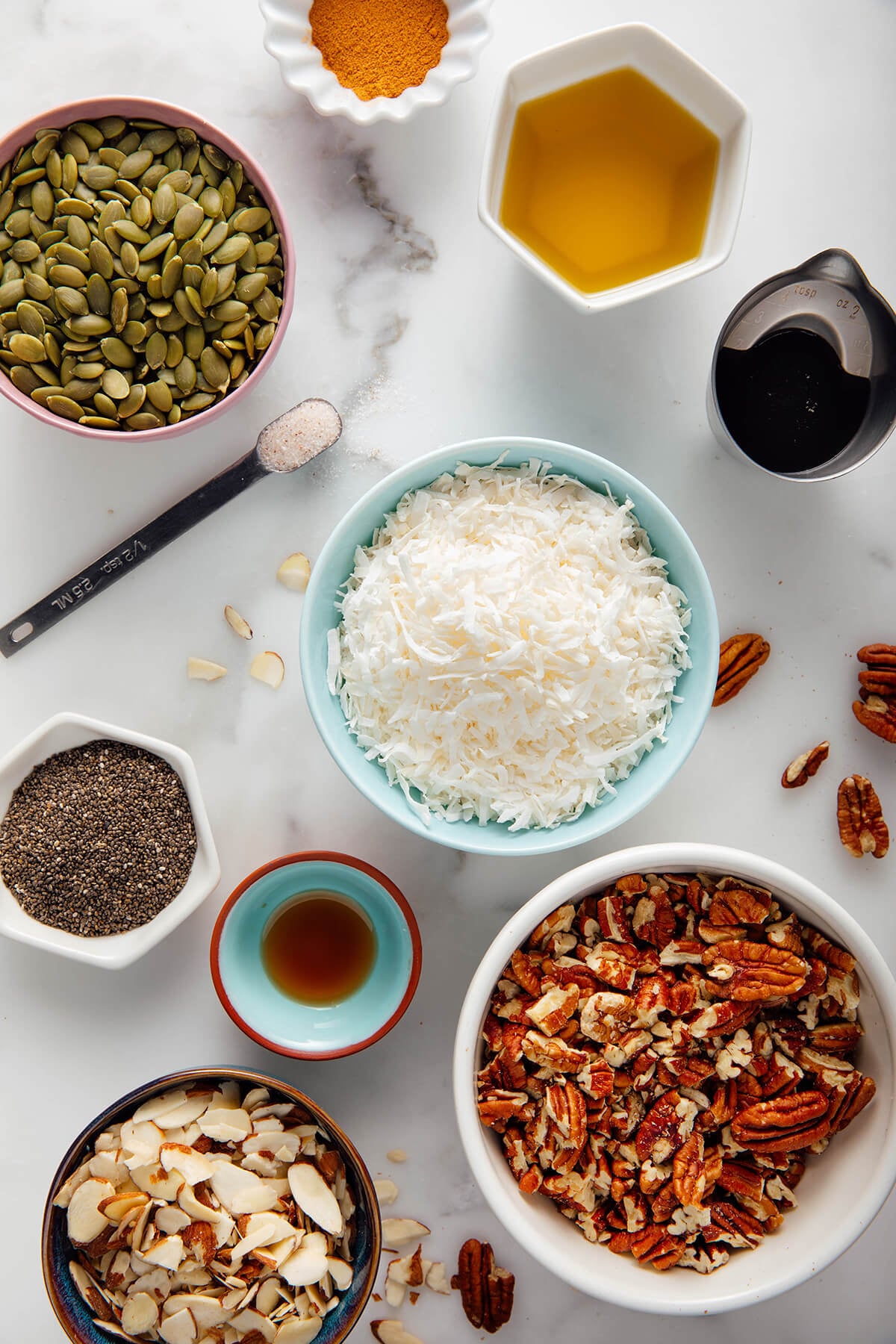
The nutritional composition of grain-free granola typically pivots on a foundation of various nuts, seeds, and coconut. This fundamental shift from grains results in a product often higher in healthy fats, plant-based protein, and specific micronutrients, while significantly reducing net carbohydrates. Almonds, pecans, walnuts, pepitas (pumpkin seeds), sunflower seeds, and chia or flax seeds become the primary building blocks, contributing a rich tapestry of textures and flavors, alongside crucial omega-3 fatty acids, magnesium, and zinc. These ingredients collectively provide a robust nutritional profile that supports satiety and energy without the blood sugar spikes often associated with high-carbohydrate breakfasts.
Market Dynamics and Consumer Appeal
The market for grain-free products has witnessed consistent growth, reflecting broader trends in the health and wellness industry. Reports from market research firms consistently indicate a rising consumer preference for "free-from" foods—products free from gluten, grains, dairy, and other common allergens. This segment is driven by both perceived health benefits and genuine dietary necessities. Grain-free granola taps directly into this expanding market, offering a convenient, shelf-stable, and highly customizable option.
Food manufacturers and artisanal producers alike are increasingly recognizing this demand, introducing a plethora of grain-free granola varieties. However, the appeal of homemade grain-free granola remains strong, allowing individuals to control ingredients, sweetness levels, and flavor profiles precisely. This DIY approach not only ensures freshness but also caters to highly personalized dietary requirements, avoiding unwanted additives or allergens that might be present in commercial versions.
Crafting the Perfect Grain-Free Blend: Ingredients and Adaptability
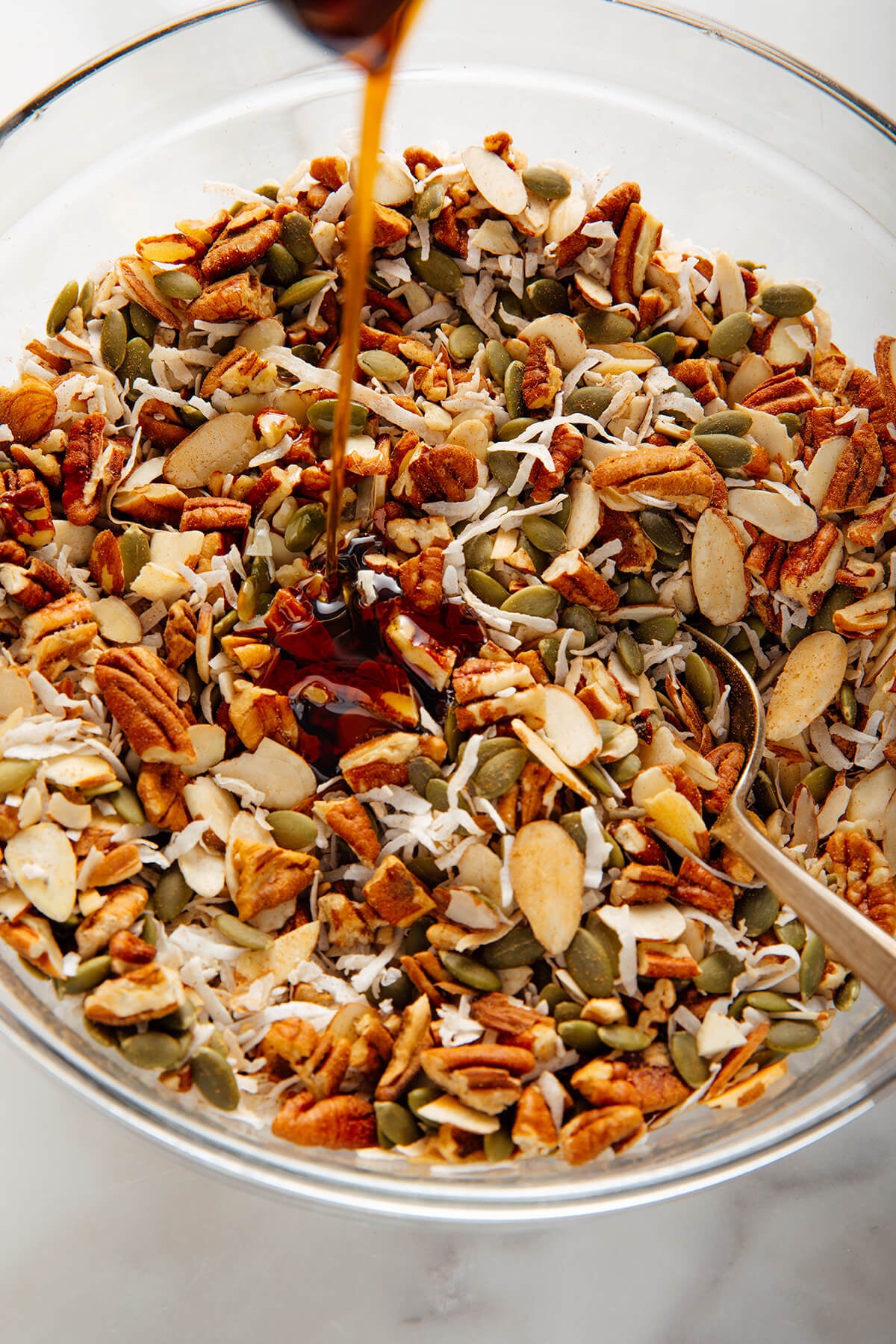
The core appeal of grain-free granola lies in its adaptability and the inherent richness of its ingredients. Unlike oat-based granolas that rely on oats for bulk and texture, grain-free versions masterfully blend diverse nuts and seeds to achieve a satisfying crunch and complex flavor.
- Nut Selection: A medley of nuts forms the backbone. Almonds, whether sliced for a delicate crackle or chopped for a more robust bite, contribute vitamin E and healthy fats. Pecans and walnuts offer omega-3s and antioxidants, alongside a buttery texture. The key is often a combination to achieve varied textures and a balanced flavor profile. Larger nuts typically require chopping to ensure even roasting and integrate seamlessly into the mixture.
- Seed Power: Seeds like pepitas and sunflower seeds are nutrient powerhouses, providing zinc, magnesium, and protein. Chia and flax seeds, while optional, add a significant boost of dietary fiber and omega-3 fatty acids. Chia seeds offer a more noticeable textural presence, while ground flax seeds blend in subtly, contributing their nutritional benefits without altering the granola’s overall feel.
- Coconut’s Role: Coconut, particularly finely shredded coconut, is a crucial ingredient, imparting a delicate, lightly crackly texture and a subtle tropical sweetness. Its natural oils also contribute to the granola’s binding and crisping properties during baking. The amount of coconut can be adjusted based on personal preference, with some recipes allowing for up to three cups for those who adore its flavor and texture, while others may opt for less or even substitute it with more nuts or seeds for coconut-averse individuals.
- Sweeteners and Spices: Minimally sweetened, grain-free granolas often rely on natural sweeteners like maple syrup or honey, which also act as binding agents. For vegan variations, maple syrup is the preferred choice. Spices, such as cinnamon, can enhance the nutty flavors or be swapped for seasonal blends like pumpkin spice for an autumnal twist, showcasing the recipe’s versatility.
Optimizing Preparation and Storage
Achieving the ideal grain-free granola involves several key preparation considerations to ensure optimal texture and flavor.
- Ingredient Freshness: The quality of nuts and seeds is paramount. Rancid nuts can impart an off-flavor that can ruin an entire batch. Ensuring all ingredients smell and taste fresh before use is a critical first step.
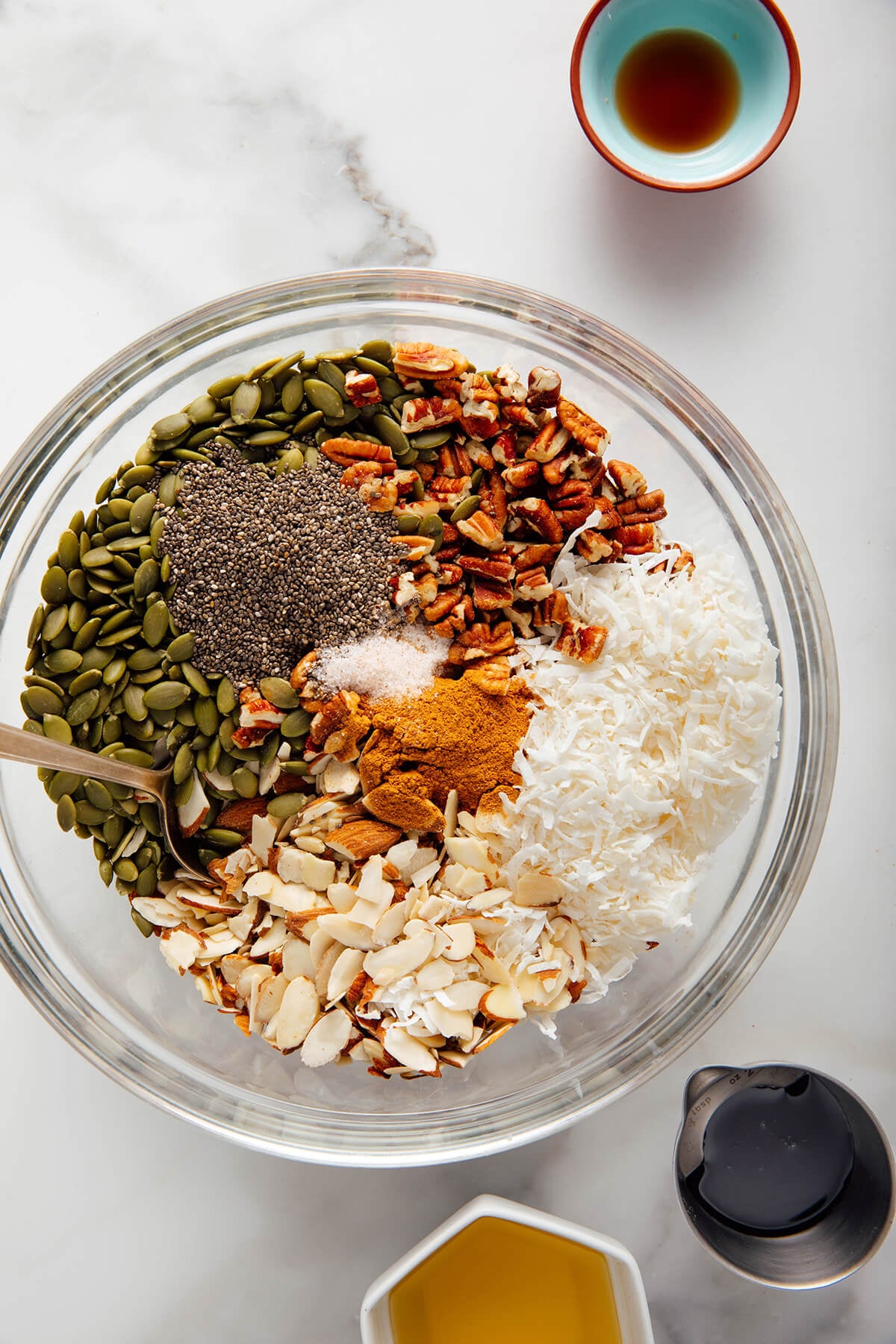
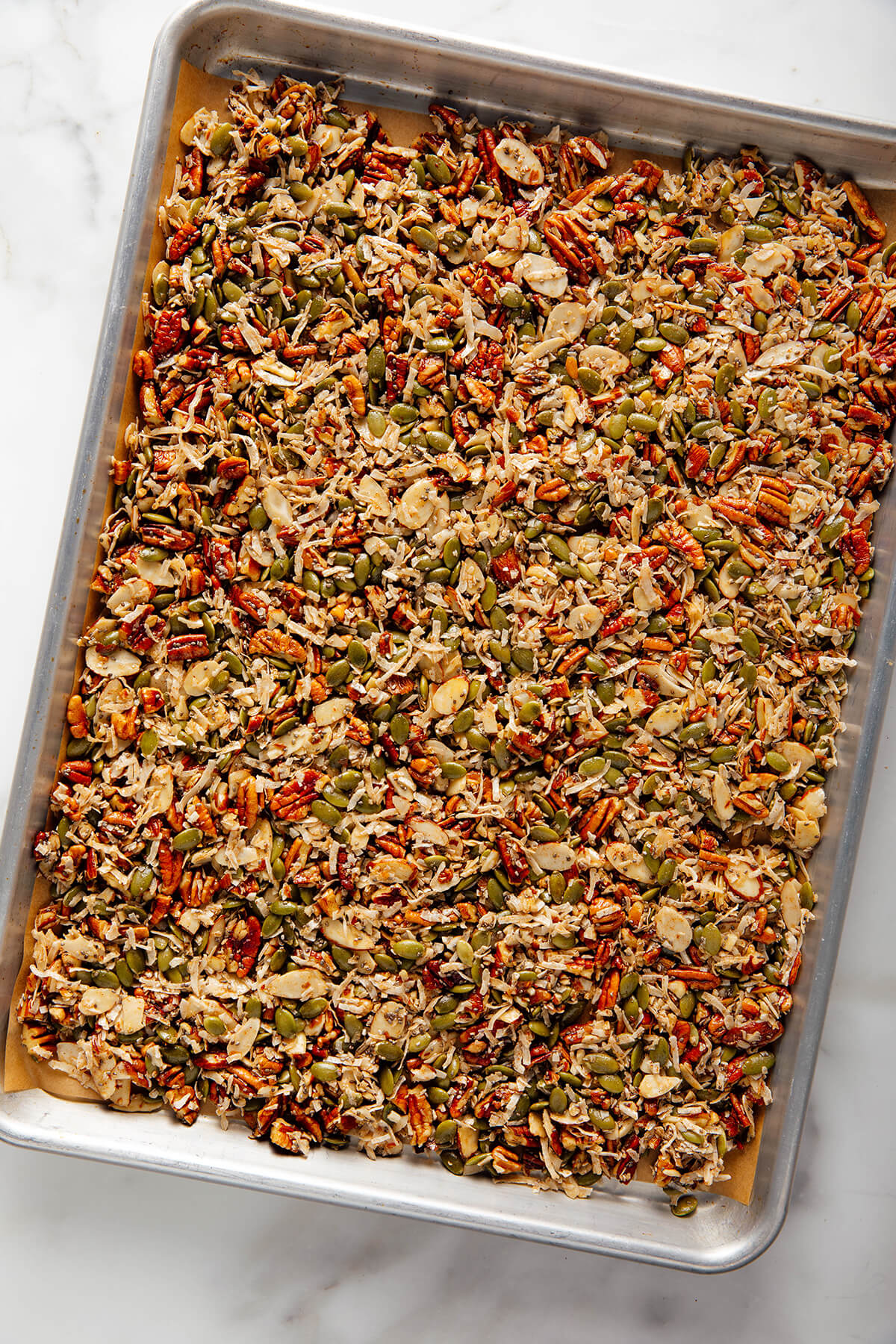
- Even Distribution: Thoroughly mixing the wet and dry ingredients ensures each component is coated, promoting even caramelization and crispness during baking.
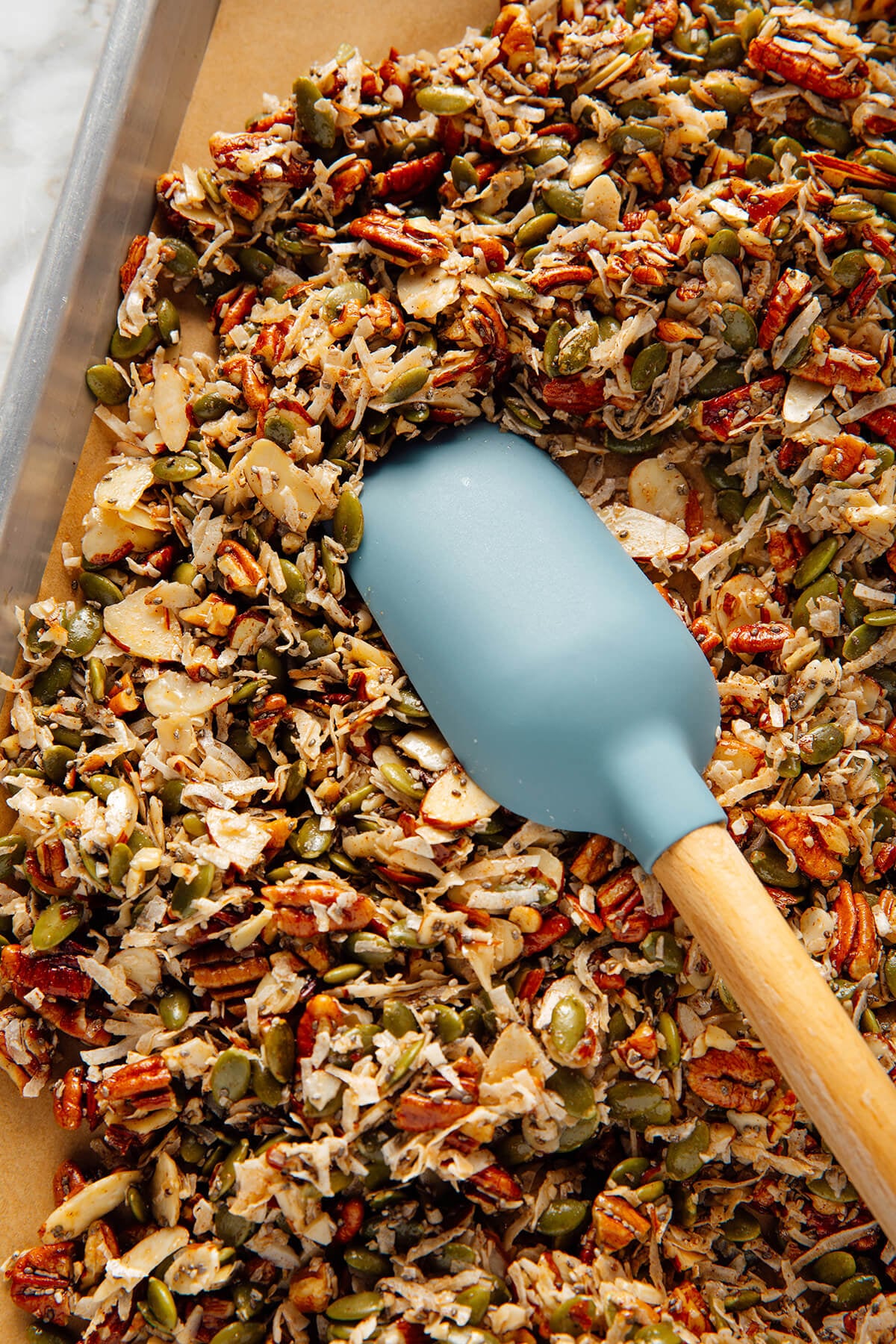
- Baking for Texture: The baking process is crucial for developing the signature crunch. A lower temperature and longer baking time often allow for gradual drying and toasting without burning. Achieving desirable small clumps, a hallmark of good granola, often requires allowing the granola to cool completely on the baking sheet without disturbance after baking. This allows the sticky, caramelized coating to set and bind the ingredients together.
- Storage: Once completely cooled, grain-free granola should be stored in an airtight container at room temperature to maintain its crispness and extend its shelf life.
Versatile Applications in Modern Diets
The utility of grain-free granola extends far beyond a simple breakfast bowl. Its dense nutritional profile and satisfying texture make it a highly versatile component in various culinary applications, catering to diverse dietary needs and preferences.
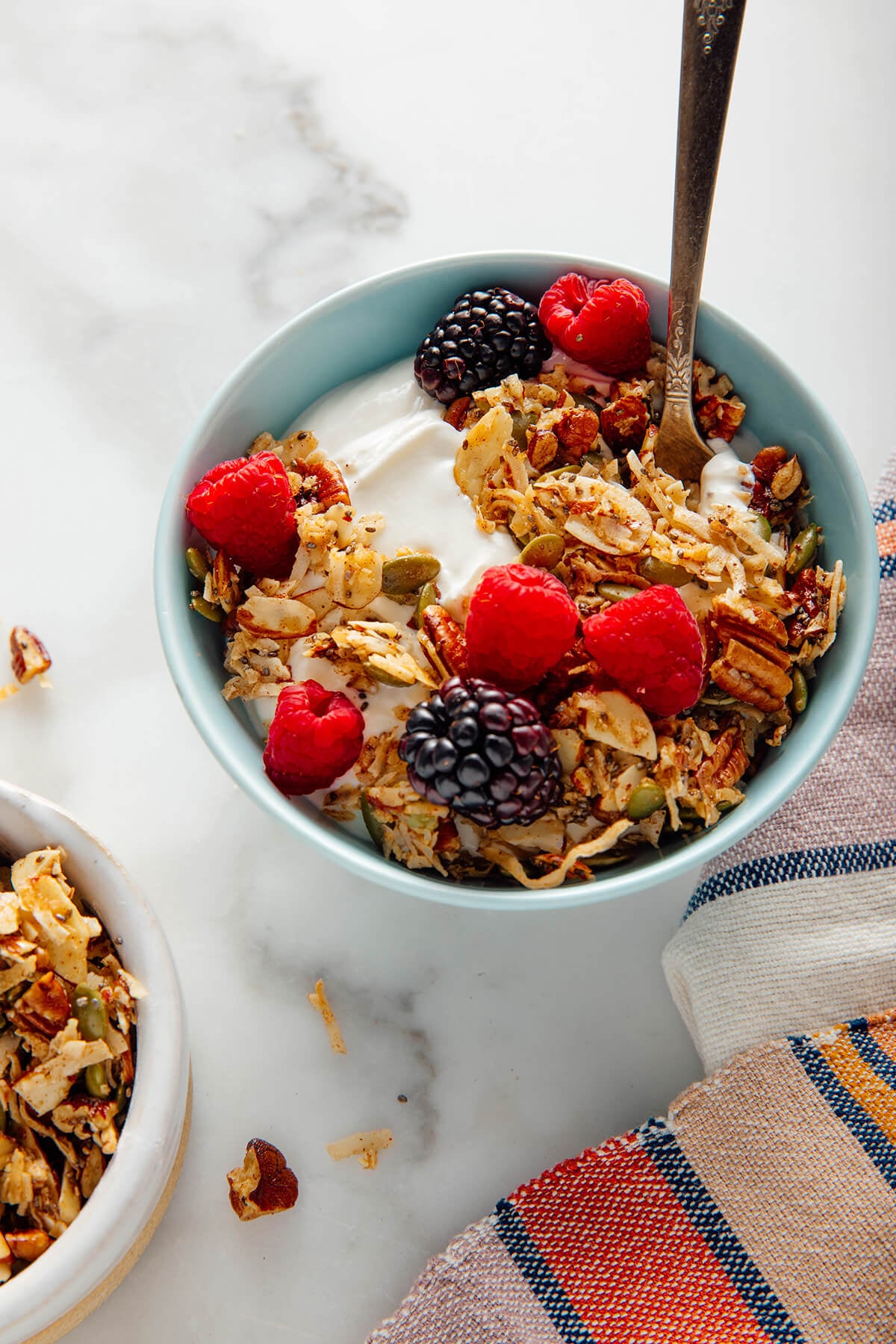
- Breakfast Staple: A few spoonfuls can transform plain Greek yogurt, offering a boost of protein, fiber, and healthy fats, alongside a delightful crunch. It also pairs excellently with dairy-free yogurts, such as almond or coconut yogurt, for vegan or lactose-intolerant individuals.
- Smoothie Enhancer: Sprinkled over smoothie bowls, it adds textural contrast and an extra layer of flavor and nutrition, making a simple smoothie feel more substantial and satisfying.
- Fruit Accompaniment: It can elevate a bowl of fresh fruit, providing a delightful counterpoint to the fruit’s natural sweetness and juiciness.
- Salad Topping: For a savory twist, a lightly seasoned grain-free granola can be used as a crunchy topping for salads, replacing croutons and adding healthy fats and protein.
- Baking Ingredient: It can be incorporated into muffins, cookies, or energy bars, adding texture and nutritional value to baked goods.
- Snack: Eaten on its own, it serves as a convenient and energy-boosting snack, ideal for pre- or post-workout fuel or simply to curb hunger between meals.
The ability to customize recipes to be nut-free, by substituting with additional pepitas or sunflower seeds, further broadens its appeal to those with nut allergies. Similarly, choosing maple syrup over honey ensures a vegan-friendly product, demonstrating the inclusive nature of grain-free granola in addressing a wide array of dietary restrictions.
Implications for the Future of Food
The sustained interest in grain-free granola and similar "free-from" products signals a fundamental shift in how consumers approach food. It underscores a demand for transparency, control over ingredients, and food options that actively support individual health goals and dietary requirements. This trend is likely to continue driving innovation in the food industry, with manufacturers increasingly investing in research and development to create products that are both delicious and nutritionally tailored.
For home cooks, the proliferation of adaptable grain-free recipes, often shared by influential food bloggers and dietitians, empowers individuals to take charge of their health through informed culinary choices. Grain-free granola, therefore, is more than just a breakfast item; it is a symbol of a dynamic and responsive food landscape, continuously evolving to meet the complex and diverse needs of modern consumers. As dietary science progresses and personal health becomes an even greater priority, such innovations will remain at the forefront of healthy eating.
