








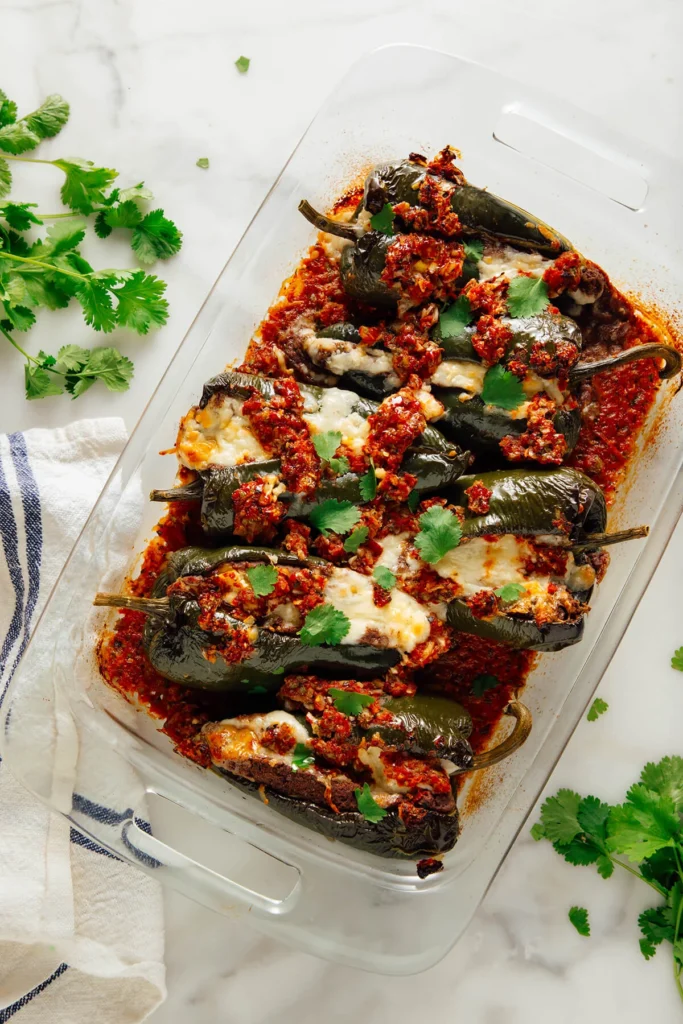
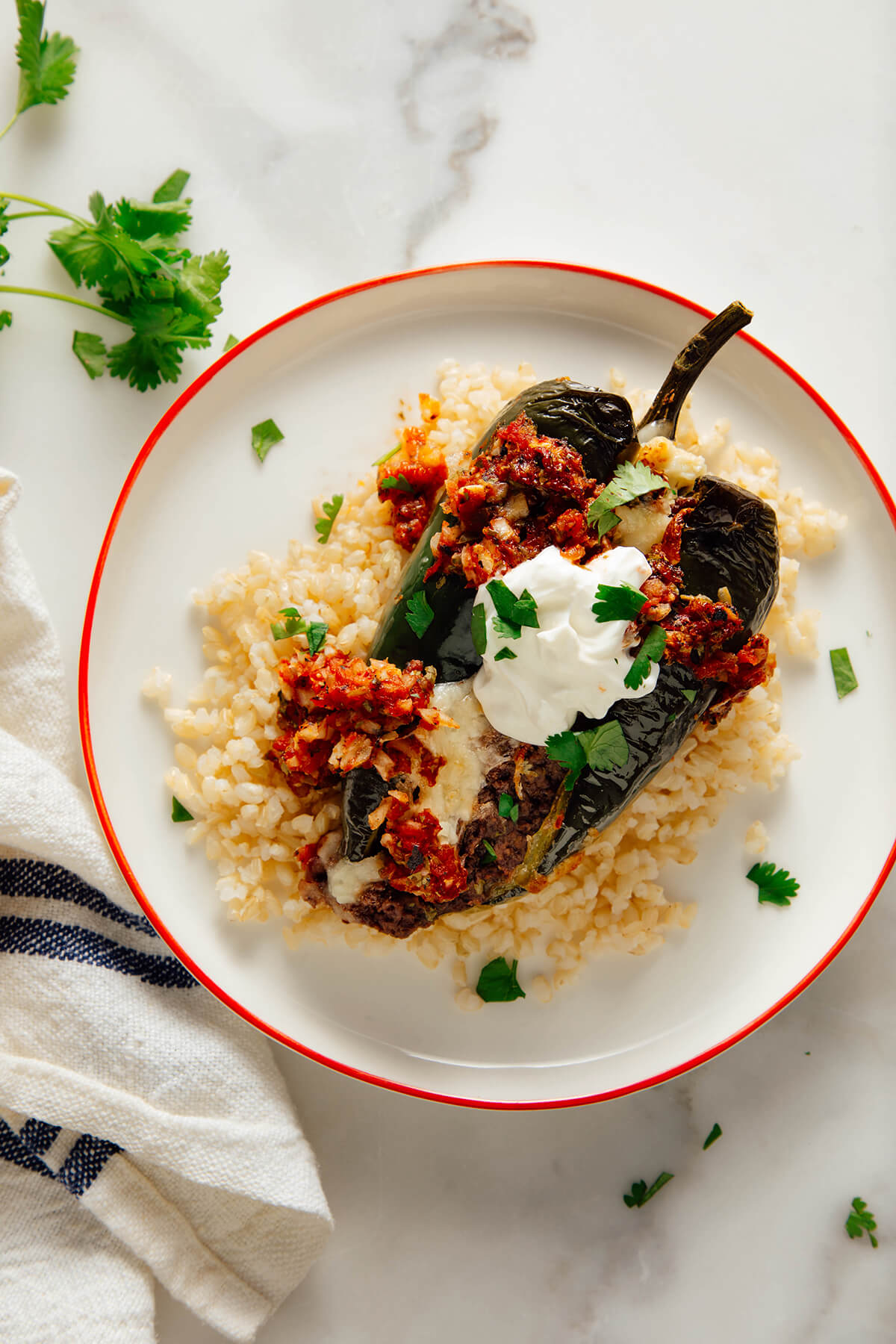
A new recipe for boldly flavored, legitimately hearty stuffed poblano peppers has been unveiled, promising a satisfying vegetarian main dish ideal for the approaching fall season and casual home get-togethers. Boasting an impressive 20 grams of protein per pepper, this culinary creation distinguishes itself through a unique combination of soft, blended black beans, two types of golden-baked cheese, and a double layer of red salsa, presenting a simpler yet equally fulfilling alternative to traditional enchiladas or layered casseroles.
The recipe, developed by renowned vegetable enthusiast and bestselling cookbook author Kathryne Taylor of the popular blog Cookie and Kate, addresses a growing demand for robust, plant-based meals that do not compromise on flavor or satiety. As temperatures begin to cool, the emphasis on comforting, substantial dishes increases, and these stuffed poblano peppers are strategically positioned to become a staple for game days and autumnal gatherings, offering a nutritious and appealing option for a wide array of dietary preferences, being both vegetarian and gluten-free.
The Genesis of a Hearty Vegetarian Staple

Kathryne Taylor, who has been sharing her innovative recipes since 2010 through her widely acclaimed platform, Cookie and Kate, has built a reputation for crafting accessible, healthy, and primarily vegetarian dishes. Her work consistently reflects a deep understanding of ingredients and a commitment to making plant-based eating both enjoyable and straightforward. The development of this particular stuffed poblano pepper recipe aligns perfectly with her overarching philosophy: to transform everyday vegetables and legumes into extraordinary culinary experiences.
The impetus behind this creation appears to be a desire to streamline complex, multi-layered dishes while retaining their inherent warmth and satisfying qualities. Many traditional Mexican-inspired casseroles or enchiladas, while delicious, can be time-consuming to prepare. Taylor’s approach focuses on efficiency without sacrificing depth of flavor or nutritional value. By utilizing poblano peppers as a natural vessel, she simplifies the assembly process, making it more approachable for the average home cook. The inclusion of blended black beans as a primary filling speaks to a conscious effort to maximize protein content and create a creamy, rich texture that complements the slight earthiness and mild heat of the poblano pepper.
A Deep Dive into the Dish’s Composition
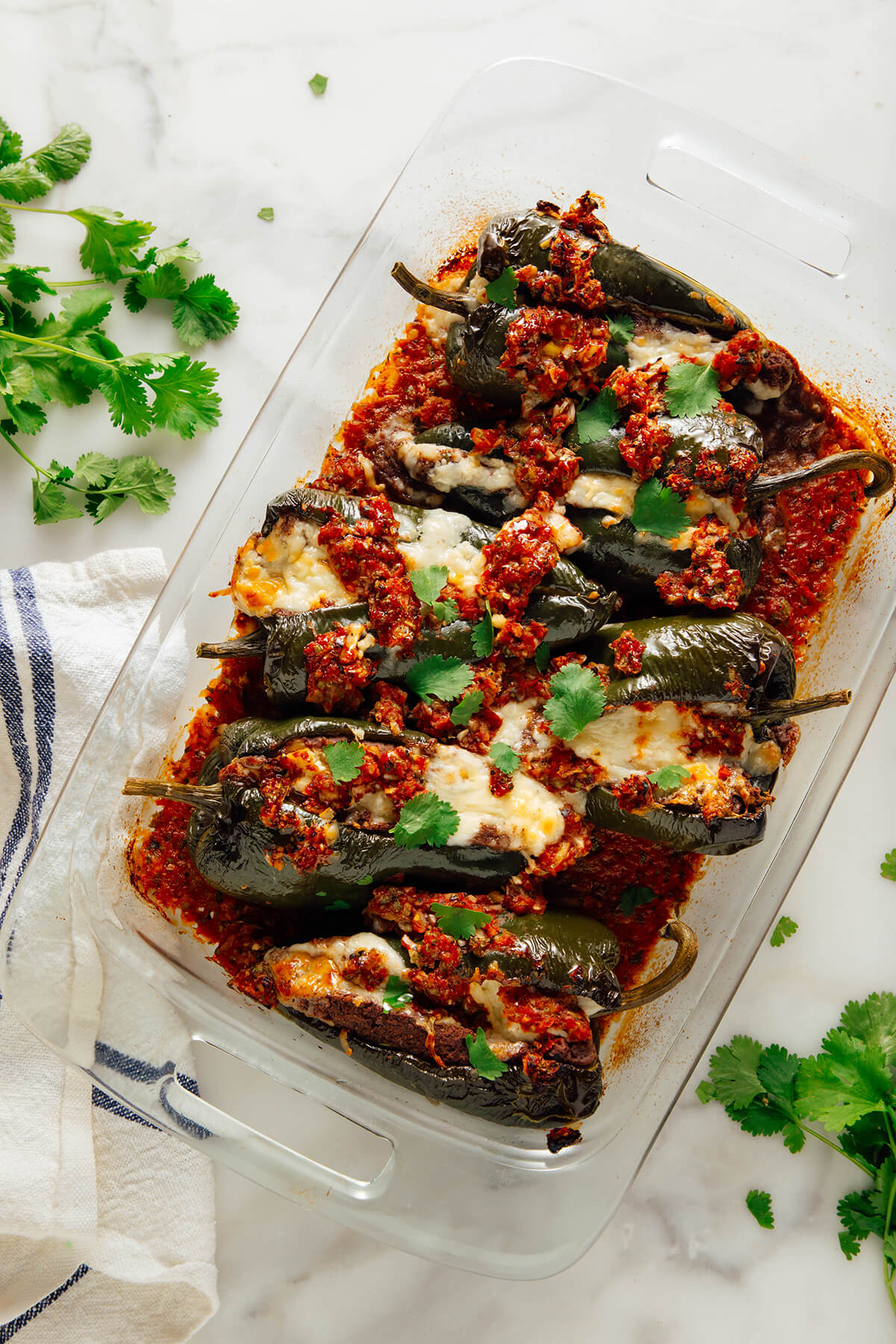
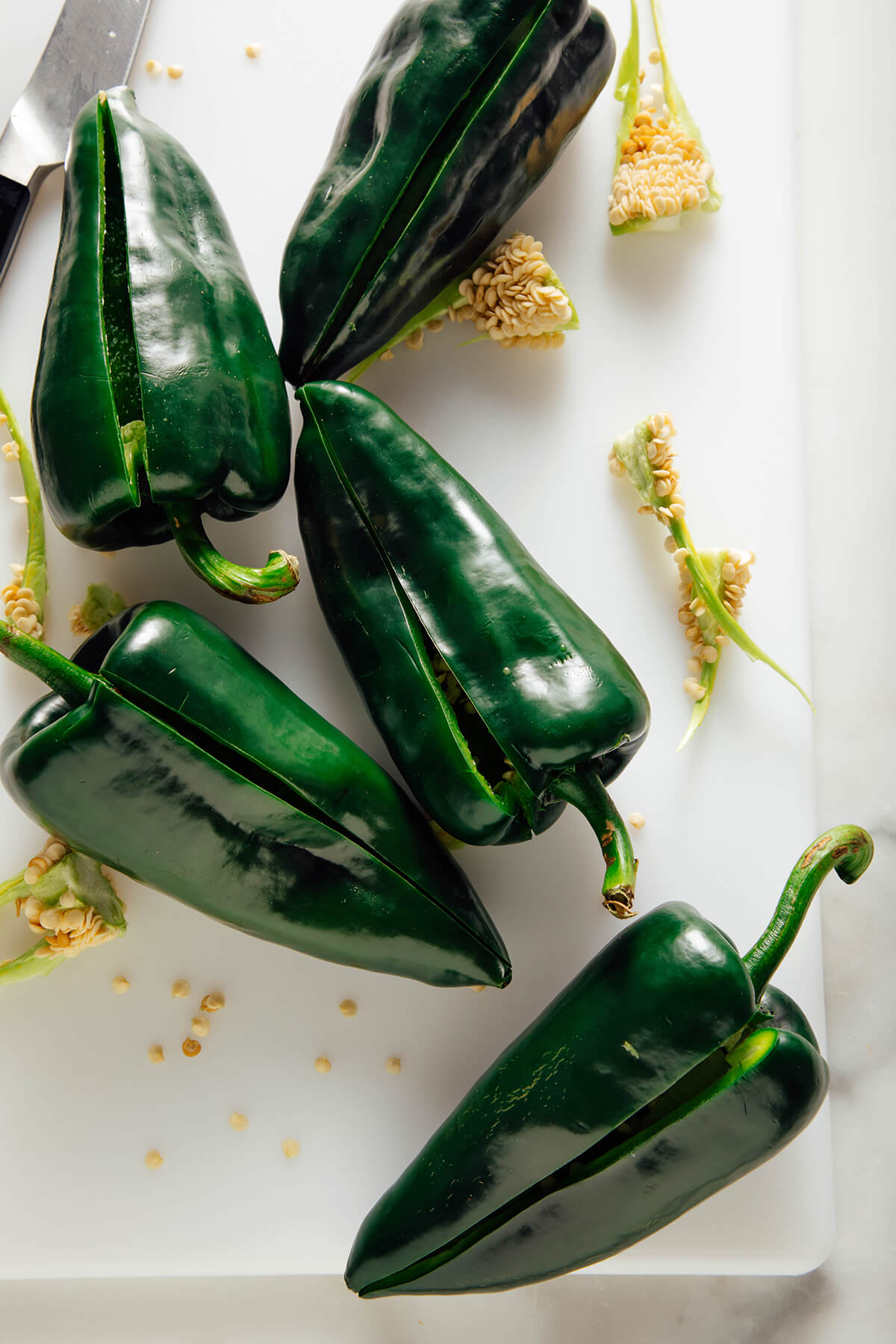
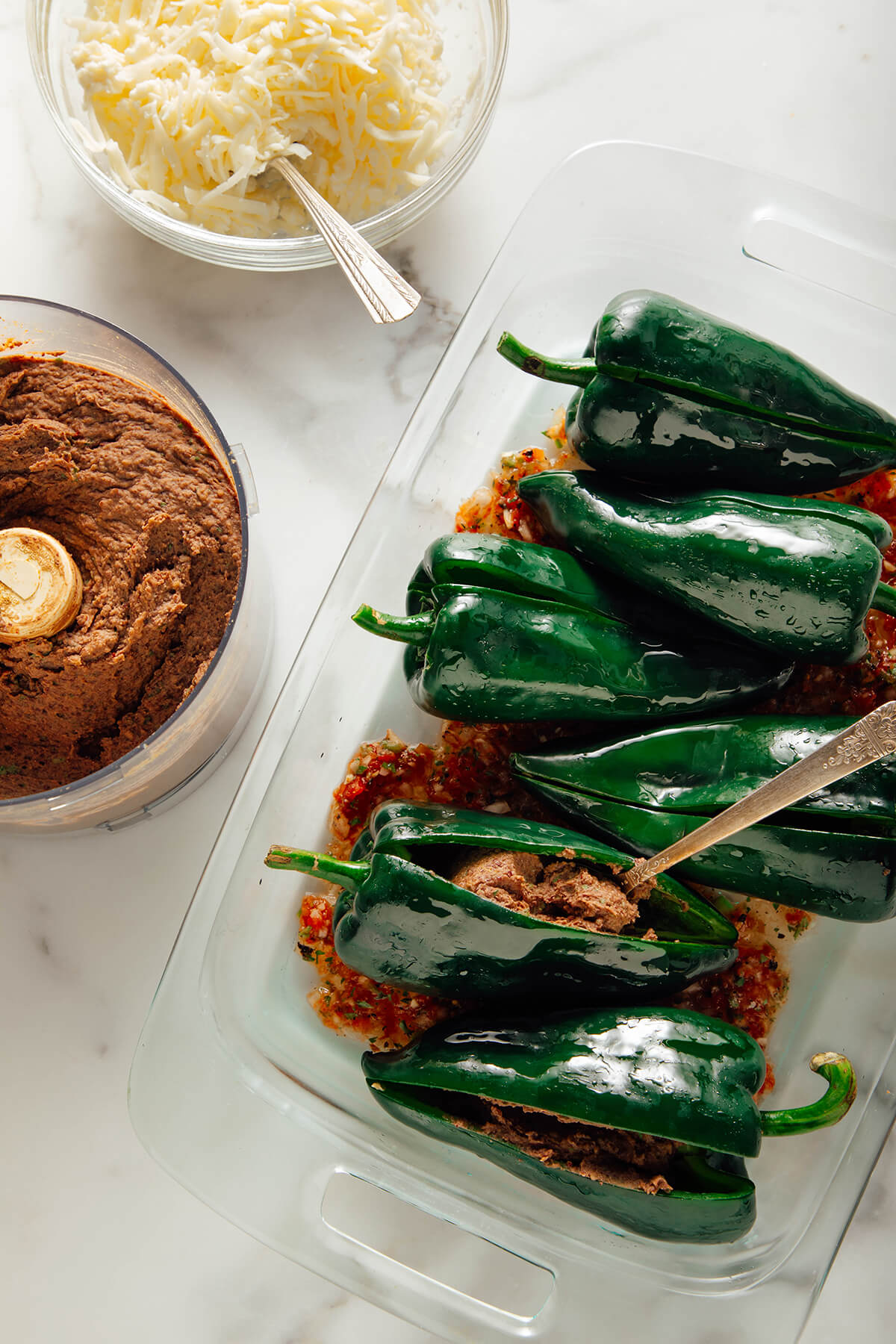
At the core of this recipe are fresh poblano peppers, carefully selected for their mild to medium heat profile and their ideal shape for stuffing. Unlike their spicier counterparts, poblanos offer a nuanced, slightly smoky flavor that mellows beautifully when roasted, developing a tender, caramelized exterior. This makes them an excellent choice for a dish where the pepper itself contributes significantly to the overall taste and texture, rather than merely serving as a container.
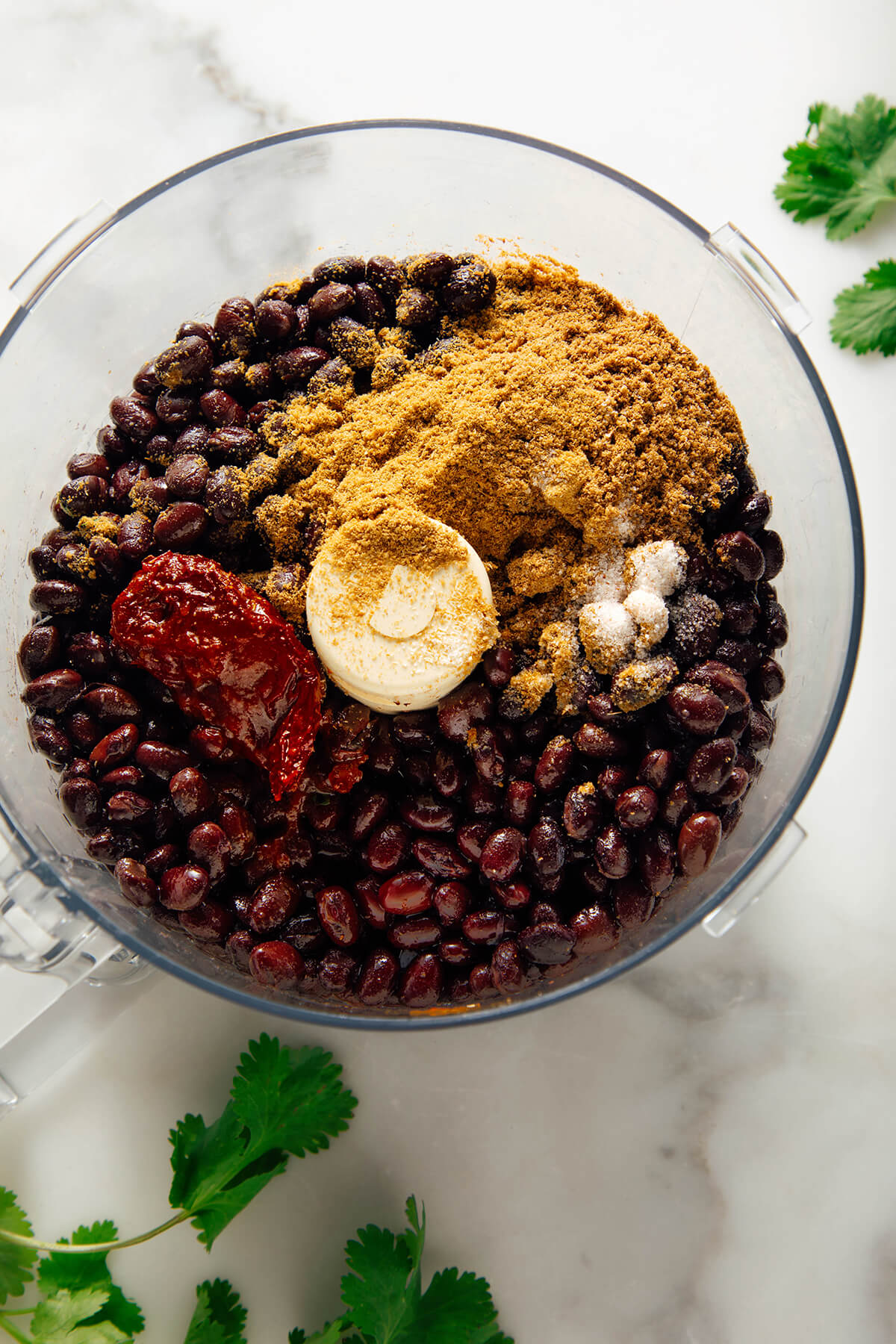
The filling is a meticulously crafted blend of black beans, which are first softened and then pureed. This technique ensures a smooth, uniform consistency that holds together well within the pepper, contrasting nicely with the firm exterior. Black beans are a nutritional powerhouse, rich in dietary fiber, folate, magnesium, and, crucially, plant-based protein. The recipe highlights this by emphasizing the 20 grams of protein per serving, making it a particularly attractive option for those seeking high-protein vegetarian meals.
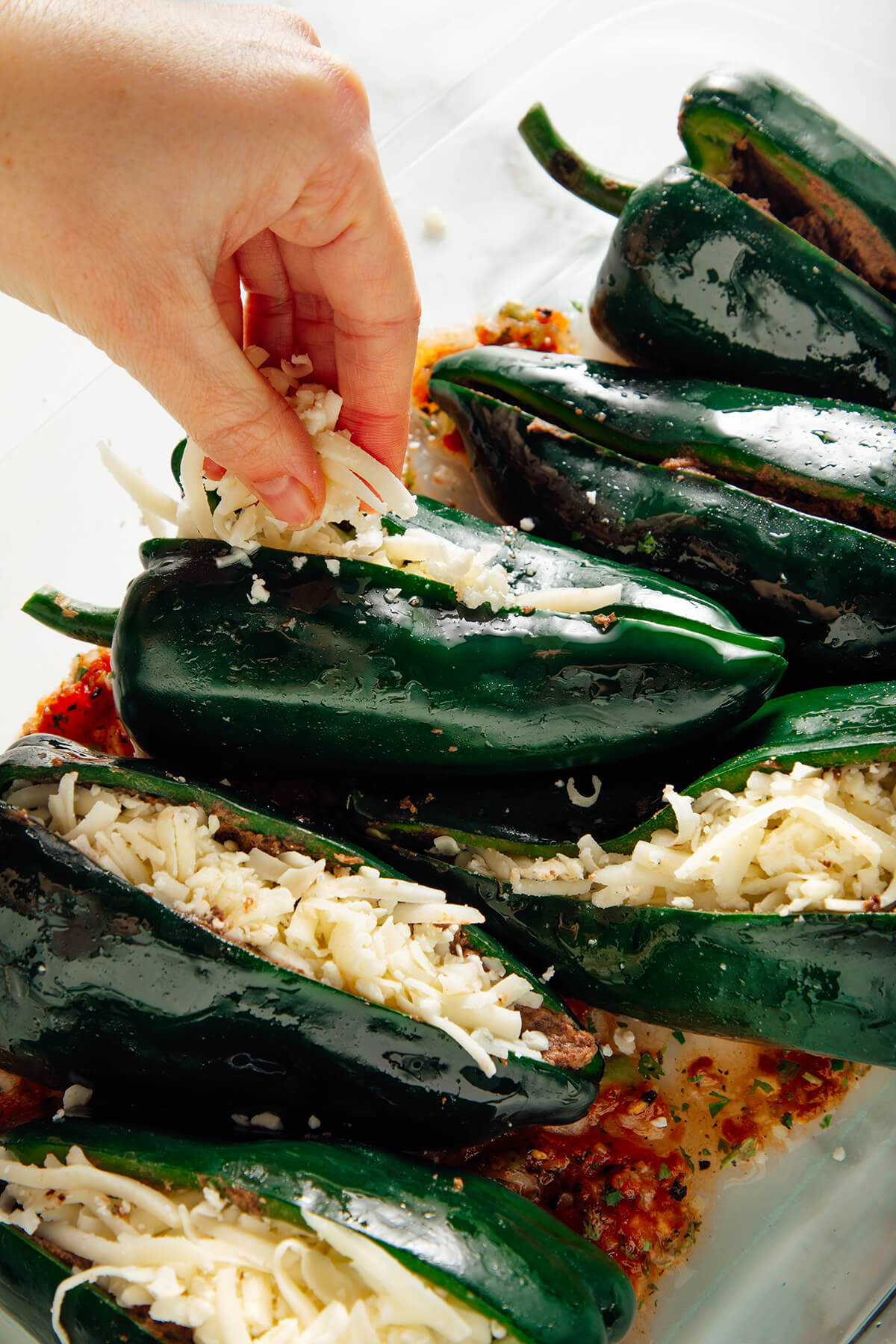
Complementing the bean puree are two distinct types of cheese. While specific varieties are not detailed in the initial description, the mention of "gloriously golden" results implies cheeses known for their excellent melting and browning properties, such as Monterey Jack, cheddar, or a Mexican blend. The dual cheese layer adds a creamy, savory dimension and a desirable textural contrast, culminating in a visually appealing and richly flavored topping once baked. This combination of textures—tender pepper, creamy bean filling, and gooey, golden cheese—is central to the dish’s appeal.
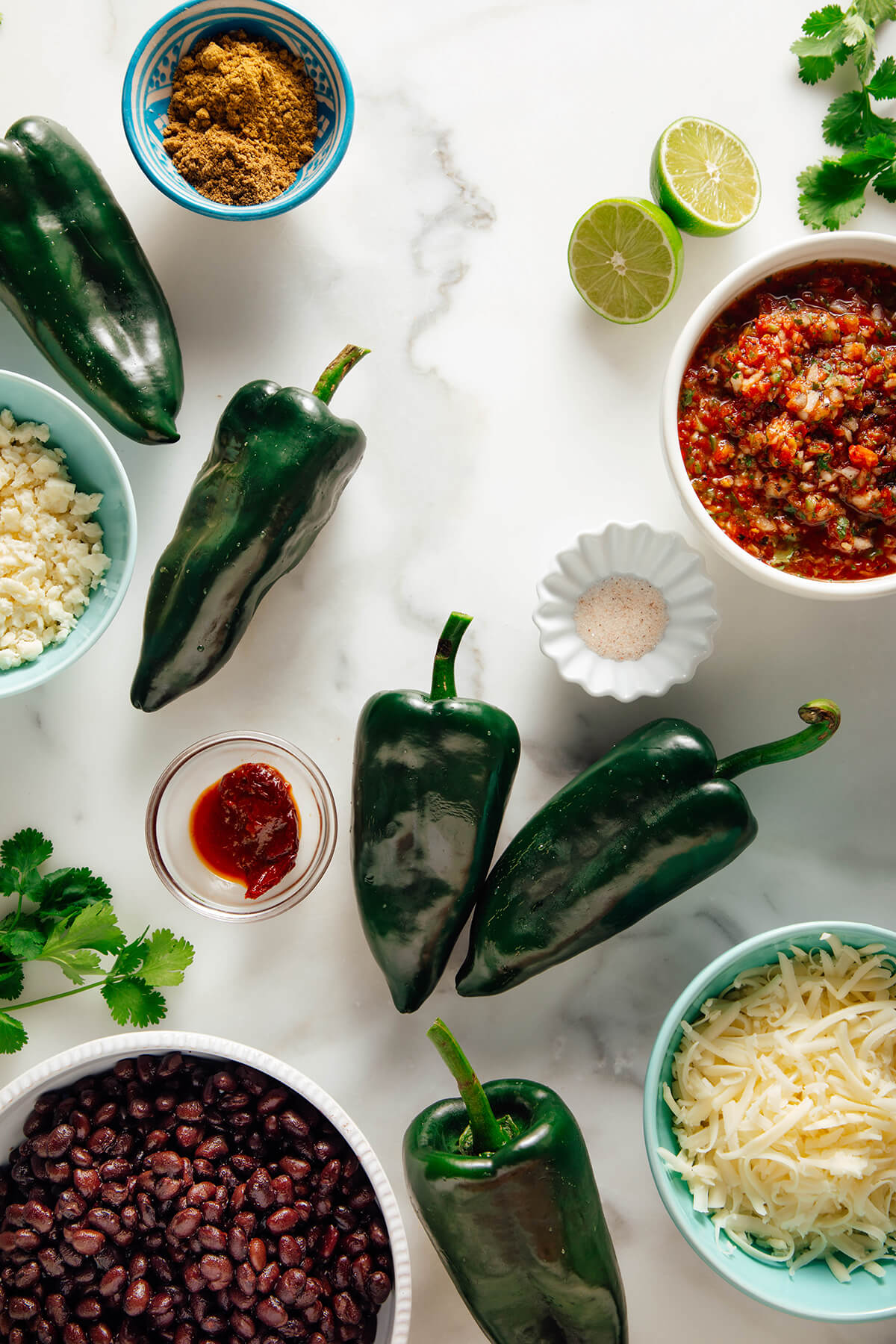
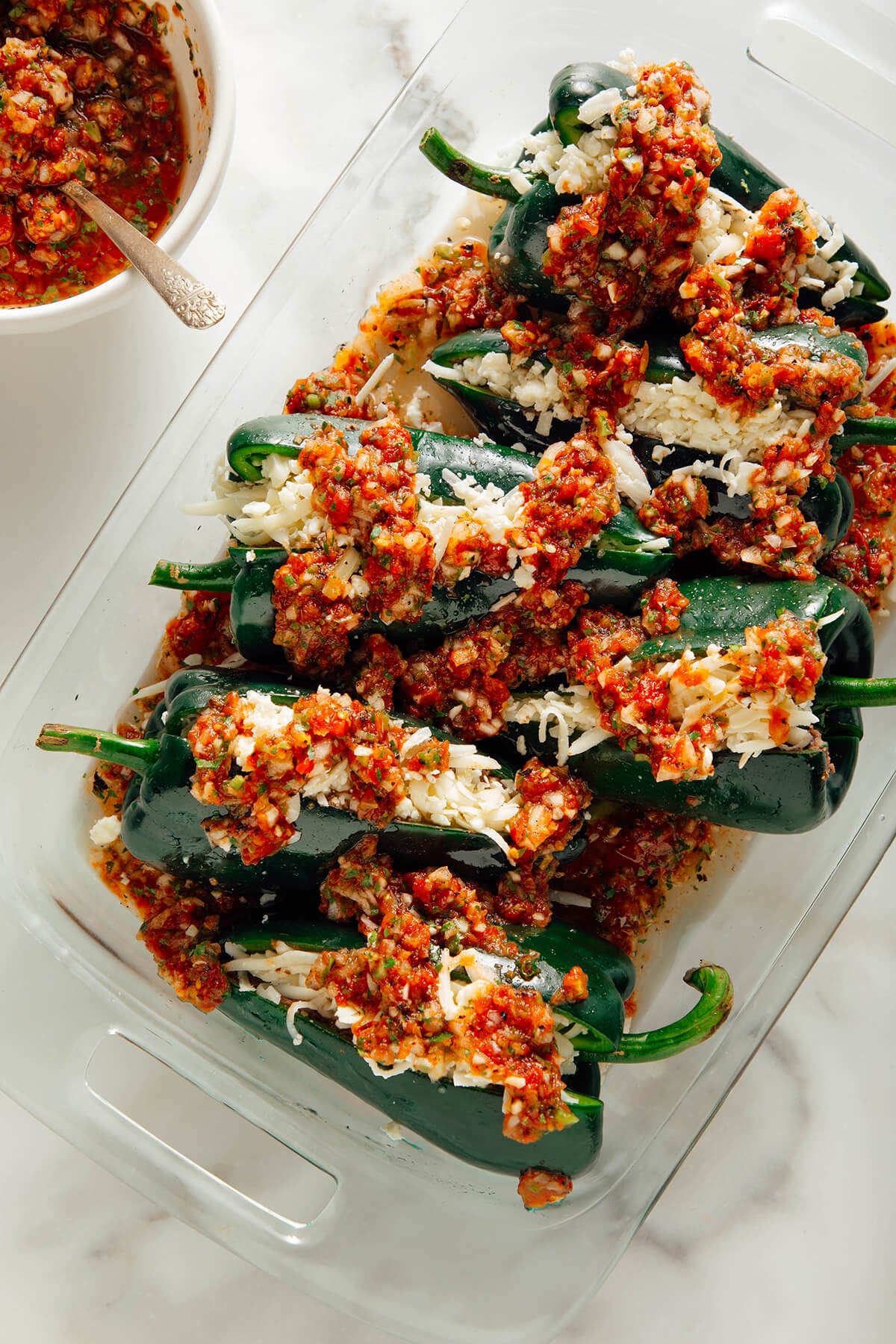
A key element in unifying these components is the strategic application of red salsa. By incorporating one layer beneath the peppers and drizzling another on top, the recipe ensures that every bite is infused with a vibrant, tangy, and slightly spicy flavor. This dual application not only enhances the taste but also maintains moisture during baking, preventing the peppers from drying out and ensuring a cohesive, sauce-rich experience akin to a well-constructed casserole. The salsa acts as a connective tissue, binding the individual flavors into a harmonious whole.
Streamlining the Culinary Process
One of the standout features of this recipe, as articulated by its creator, is its streamlined nature. Kathryne Taylor explicitly states her effort to simplify the cooking process, making it as efficient as possible for home cooks. This emphasis on accessibility is crucial in today’s fast-paced world, where time constraints often dictate meal choices. By minimizing complex steps and maximizing flavor impact, the recipe offers a practical solution for preparing a wholesome, delicious meal without extensive culinary expertise or time investment.
The simplification extends to the preparation of ingredients, the assembly, and the baking process. The inclusion of an instruction video further supports this, offering visual guidance that can often demystify cooking techniques for novices and provide shortcuts for experienced cooks. This pedagogical approach underscores Taylor’s commitment to empowering her audience to cook with confidence and enjoyment. The overall design of the recipe suggests that it can be prepped in advance, making it a convenient option for entertaining or for meal planning during busy weeks.
Nutritional Profile and Dietary Adaptability
Beyond its savory appeal, the stuffed poblano pepper recipe stands out for its robust nutritional profile. As previously noted, each pepper delivers 20 grams of protein, primarily from the black bean filling and cheese. This makes it an excellent choice for vegetarians, those looking to reduce meat consumption, or anyone seeking a satisfying meal that supports muscle repair and satiety. Black beans also contribute significant fiber, which is vital for digestive health and blood sugar regulation.
Poblano peppers themselves are a good source of vitamins A and C, essential antioxidants that support immune function and skin health. When combined with the calcium and protein from the cheese, and the various vitamins and minerals found in the salsa ingredients (tomatoes, onions, garlic, cilantro), the dish presents a well-rounded nutritional offering. The fact that it is also gluten-free broadens its appeal to individuals with gluten sensitivities or celiac disease, further cementing its status as an inclusive and health-conscious meal option.
Culinary Trends and Broader Implications
The introduction of this recipe aligns with several prominent culinary trends observed in recent years. The surging popularity of plant-based diets, driven by health consciousness, environmental concerns, and ethical considerations, has led to an increased demand for innovative vegetarian recipes. This dish directly addresses that demand by offering a main course that is not only meat-free but also deeply satisfying and flavorful, challenging the misconception that vegetarian food is inherently less hearty.
Furthermore, the emphasis on comfort food, particularly as seasons change, remains a perennial trend. As autumn descends, consumers gravitate towards warm, rich, and fulfilling meals. These stuffed poblano peppers, with their baked cheese, tender peppers, and savory filling, perfectly encapsulate the essence of fall comfort food. Their suitability for "game days and casual home get-togethers" also taps into the trend of relaxed, communal dining experiences where easy-to-eat yet impressive dishes are highly valued.
The recipe’s design as a "simpler alternative to enchiladas or layered casseroles" also speaks to the growing preference for streamlined cooking methods. Busy lifestyles necessitate recipes that are efficient without sacrificing quality. Taylor’s creation caters to this by offering a dish that delivers complex flavors and textures through a relatively straightforward process, thereby making gourmet-level vegetarian cooking accessible to a broader audience.
Serving Suggestions and Meal Enhancement
To provide a complete culinary experience, the recipe suggests several complementary dishes, allowing home cooks to round out their meal. Starting with classics like guacamole or creamy avocado dip served with tortilla chips creates an inviting appetizer. These options not only enhance the Mexican-inspired theme but also add healthy fats and fresh flavors.
For side dishes, the recommendations lean towards vibrant, fresh options that balance the richness of the main course. Esquites (Mexican Street Corn Salad) offers a zesty, textural contrast with its grilled corn, cotija cheese, and chili powder. Alternatively, a Mexican Green Salad with Jalapeño-Cilantro Dressing provides a lighter, refreshing counterpoint. For a simpler salad, fresh greens topped with cherry tomatoes, avocado, and Cilantro Lime Dressing offer a quick and easy way to add freshness and acidity. These thoughtful serving suggestions transform the stuffed peppers from a standalone dish into a centerpiece for a complete and balanced meal.
Conclusion
Kathryne Taylor’s new recipe for stuffed poblano peppers represents a thoughtful contribution to the landscape of modern home cooking. It successfully marries bold flavors with nutritional integrity, providing a hearty, protein-rich vegetarian option that is both accessible to prepare and deeply satisfying to consume. By streamlining the process and focusing on quality ingredients, Taylor has crafted a dish that is poised to become a beloved staple for fall gatherings, game days, and weeknight dinners alike. Its alignment with contemporary culinary trends—from the rise of plant-based eating to the enduring appeal of comforting, easy-to-make meals—underscores its relevance and potential for widespread adoption. As the author herself anticipates, this recipe is designed to be made "again and again," solidifying its place as a reliable and delicious solution for a diverse audience of culinary enthusiasts.