



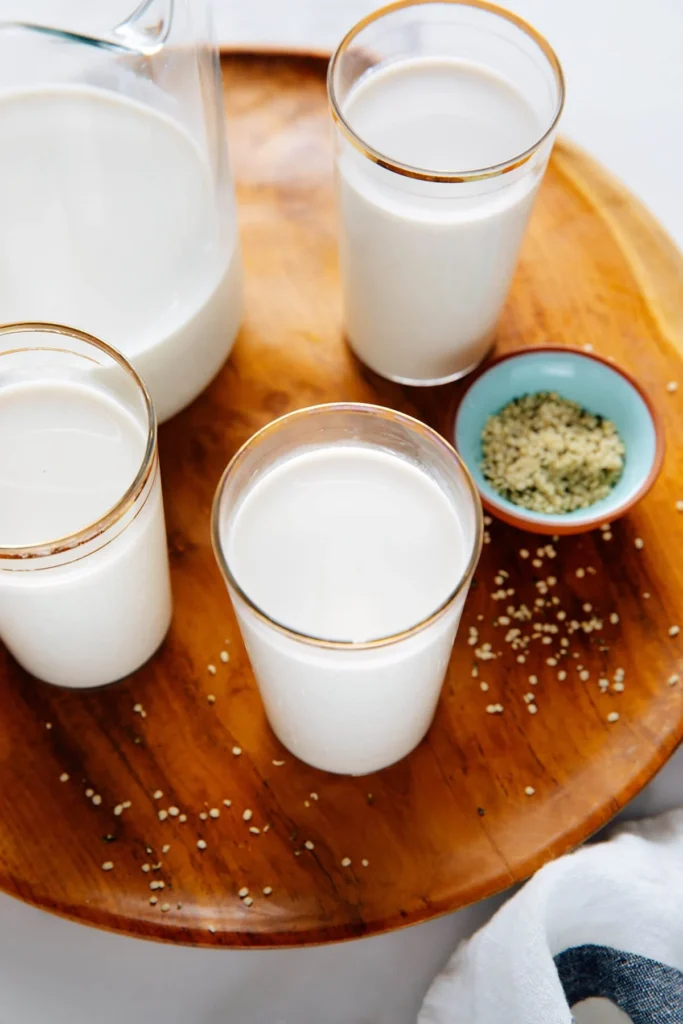
Hemp milk, a rapidly gaining prominence in the burgeoning plant-based beverage market, is distinguished by its impressive nutritional profile and remarkable ease of home preparation. Unlike many nut-based milks that require pre-soaking, homemade hemp milk can be crafted quickly, yielding a silky-smooth, creamy liquid that offers a significant boost of plant-based protein and a diverse array of other vital nutrients. This makes it a compelling option for consumers seeking healthful and convenient dairy alternatives.
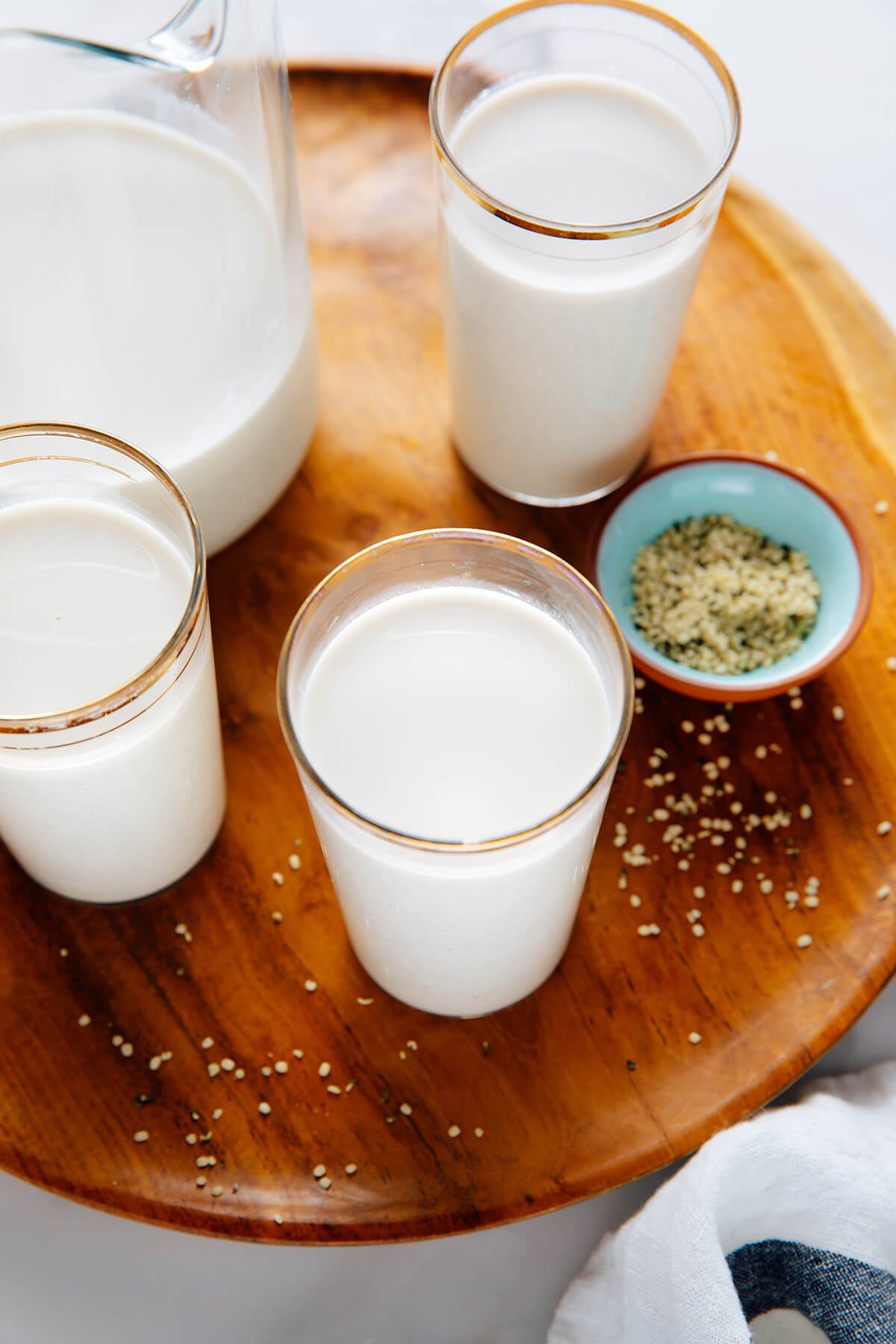
The Nutritional Advantage of Hemp Milk
At the core of hemp milk’s appeal is its robust nutritional composition. A single serving can provide nearly 10 grams of plant-based protein, making it one of the most protein-rich alternative milks available, often surpassing almond and oat milks in this regard. This protein is considered complete, containing all nine essential amino acids necessary for human health, a rarity among plant-derived proteins. Beyond protein, hemp milk is a valuable source of omega-3 and omega-6 fatty acids in an often ideal ratio, which are crucial for cardiovascular health, brain function, and reducing inflammation. While it may not compete directly with cow’s milk on calcium content unless fortified, it offers a wealth of other micronutrients that are often challenging to obtain from typical diets. These include magnesium, which supports muscle and nerve function; iron, vital for oxygen transport; zinc, important for immune health; and phosphorus, essential for bone health. Additionally, hemp seeds contain B vitamins, which aid in energy metabolism, and vitamin E, a potent antioxidant.

The Rise of Plant-Based Beverages and Hemp’s Place
The increasing demand for plant-based milk alternatives reflects a broader societal shift towards healthier, more sustainable, and ethically conscious food choices. Factors such as lactose intolerance, dairy allergies, the rise of vegan and vegetarian lifestyles, and growing awareness of environmental impacts associated with conventional dairy farming have fueled this market expansion. According to various market research reports, the global plant-based milk market is projected to continue its robust growth, reaching billions of dollars in valuation within the next few years. Hemp milk, with its unique blend of nutritional benefits and ease of production, is strategically positioned to capture a significant share of this expanding market. It offers a distinct profile compared to established alternatives like soy milk (often avoided due to allergen concerns or GMO issues), almond milk (criticized for high water usage in cultivation), and oat milk (a strong contender, but sometimes lower in protein). Hemp’s natural creaminess and nutrient density present a strong case for its adoption by health-conscious consumers and those seeking variety in their dietary choices.
Hemp: A Crop with Deep Roots and Future Potential
The viability of hemp milk is intrinsically linked to the resurgence of industrial hemp as a sustainable agricultural crop. Historically, hemp has been cultivated for thousands of years for its fibers, seeds, and medicinal properties. However, its association with marijuana (despite containing negligible levels of THC, the psychoactive compound) led to its prohibition in many countries for much of the 20th century. The tide began to turn with legislative changes, such as the 2018 Farm Bill in the United States, which federally legalized industrial hemp cultivation, defining it as cannabis with less than 0.3% delta-9 THC. This re-legalization has opened doors for farmers to grow hemp for various applications, including food products like hemp seeds and hemp seed oil, which are the basis for hemp milk.
From an environmental perspective, hemp is lauded as a highly sustainable crop. It requires significantly less water than almonds, grows rapidly, and often thrives without the need for extensive pesticides or herbicides. Hemp plants are also known for their ability to sequester carbon dioxide from the atmosphere, contributing to soil health and biodiversity. They can even be used in phytoremediation, cleaning contaminated soils. This makes hemp a particularly attractive crop for environmentally conscious consumers and agricultural communities looking for sustainable alternatives.
Crafting Hemp Milk: Simplicity and Control

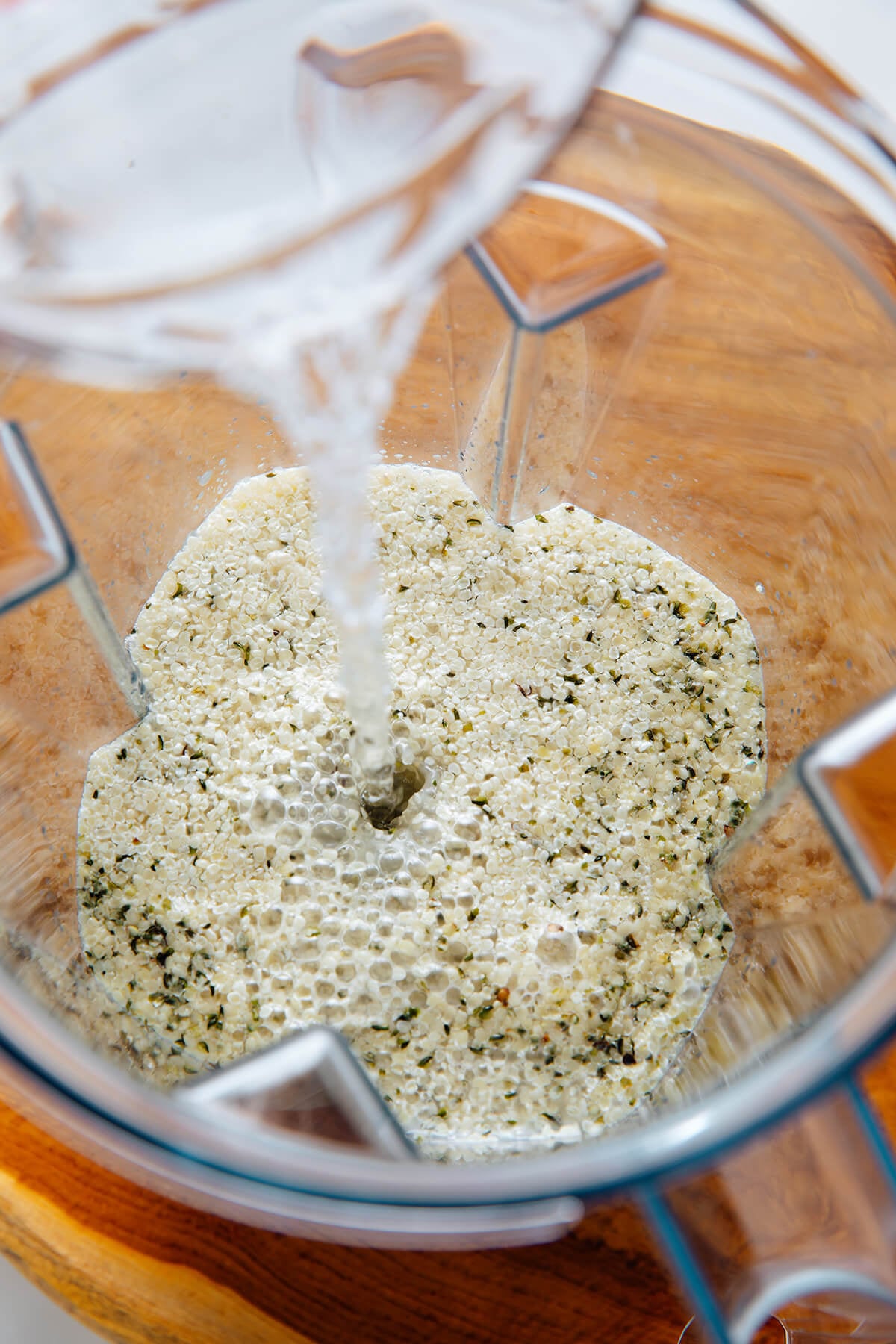
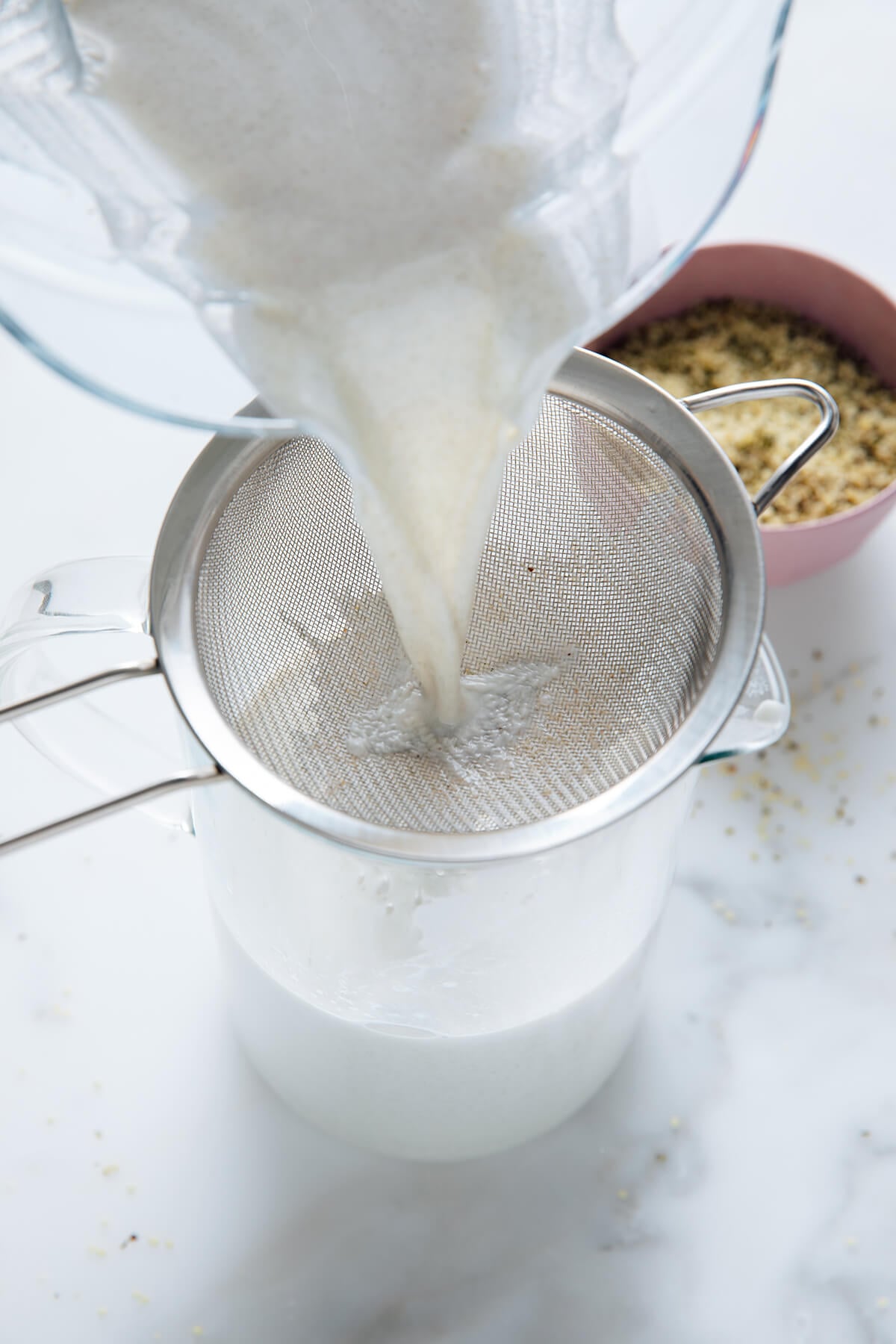
One of the most appealing aspects of hemp milk, particularly for home cooks, is its straightforward preparation. Unlike some other plant-based milks that necessitate prolonged soaking of nuts or grains, hemp seeds (or hemp hearts, which are hulled hemp seeds) can be blended directly with water. This process bypasses the need for pre-planning, making it a convenient option for busy individuals. The resulting liquid is naturally creamy and smooth, often requiring minimal straining, depending on the desired texture and blender efficiency.
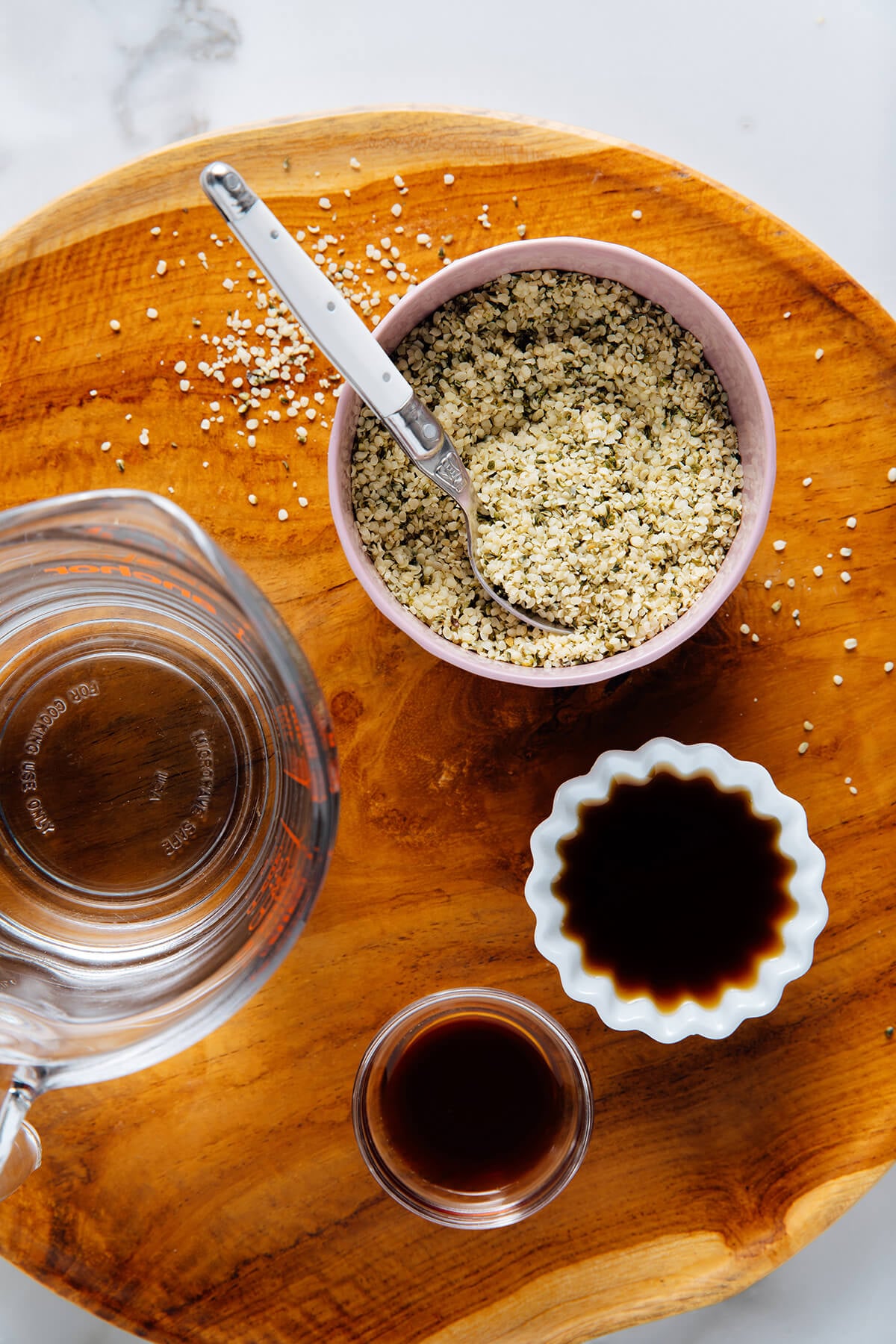
The core ingredients are remarkably simple: hulled hemp seeds (commonly found in well-stocked grocery stores), water, and optional sweeteners and flavorings. Many prefer using room temperature or chilled water to minimize warming during blending. For sweetness, maple syrup is a popular choice, as it blends seamlessly without imparting a dominant flavor and allows for precise sugar control. Other alternatives include honey, agave nectar, or even pitted Medjool dates. A touch of vanilla extract is often recommended to complement the subtle "grassy" undertones that some consumers perceive in hemp seeds, creating a more universally appealing flavor profile. This DIY approach offers consumers complete control over the ingredients, avoiding unwanted additives, stabilizers, or excessive sugars often found in commercial varieties.
Enhancing Flavor and Expanding Culinary Applications
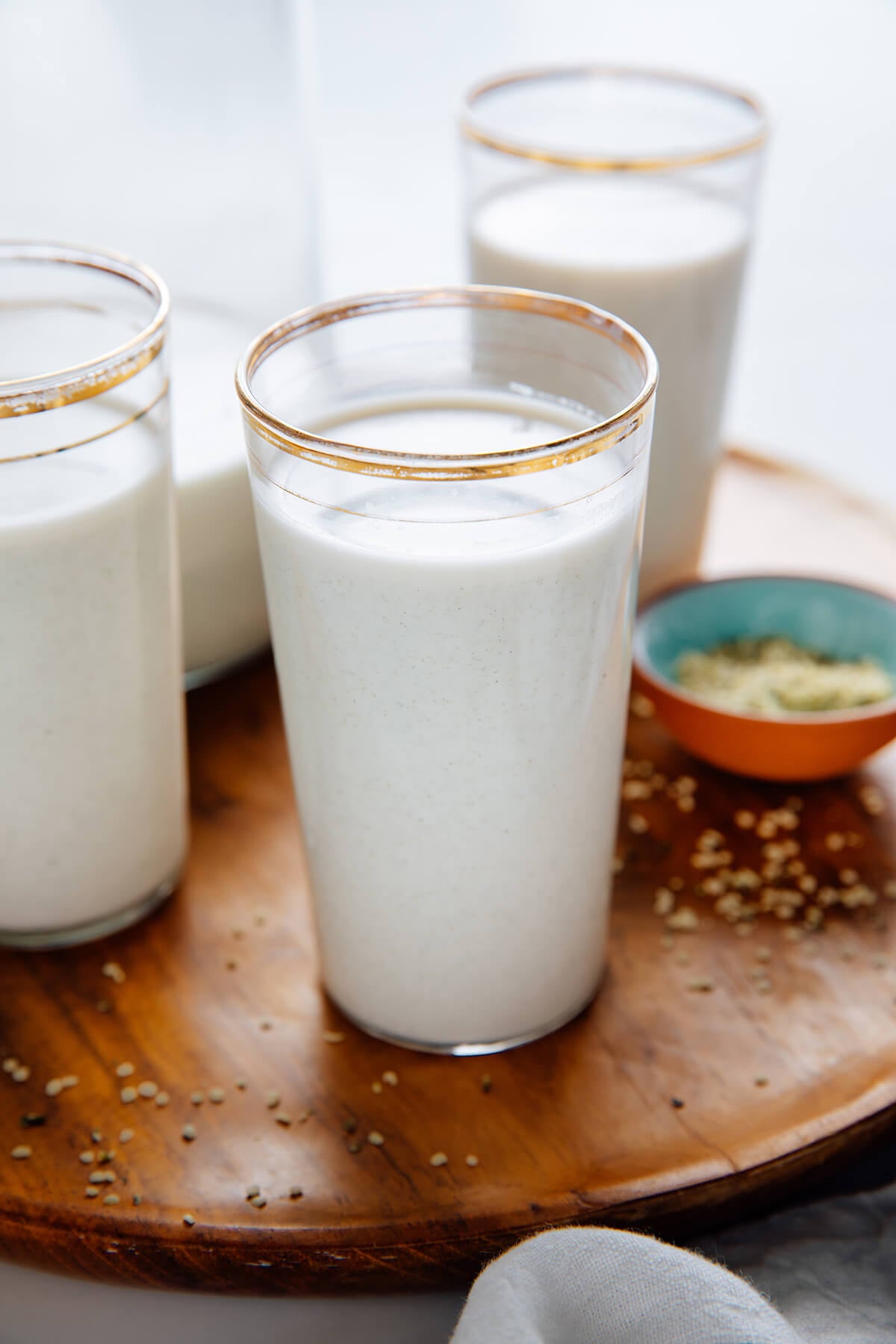
The versatility of hemp milk extends beyond its basic preparation, allowing for numerous flavor variations and culinary uses. Consumers can customize their homemade batches to suit specific tastes or dietary needs. For instance, incorporating shredded unsweetened coconut can add a tropical note and further richness. Blending in a small amount of cashews can enhance creaminess and neutralize the flavor profile even further, offering a milder taste for those sensitive to hemp’s natural characteristics. Spices like cinnamon, particularly Ceylon cinnamon, can introduce warmth and depth. For a more indulgent treat, cocoa powder can transform hemp milk into a delicious chocolate beverage, appealing especially to children or those with a sweet tooth.
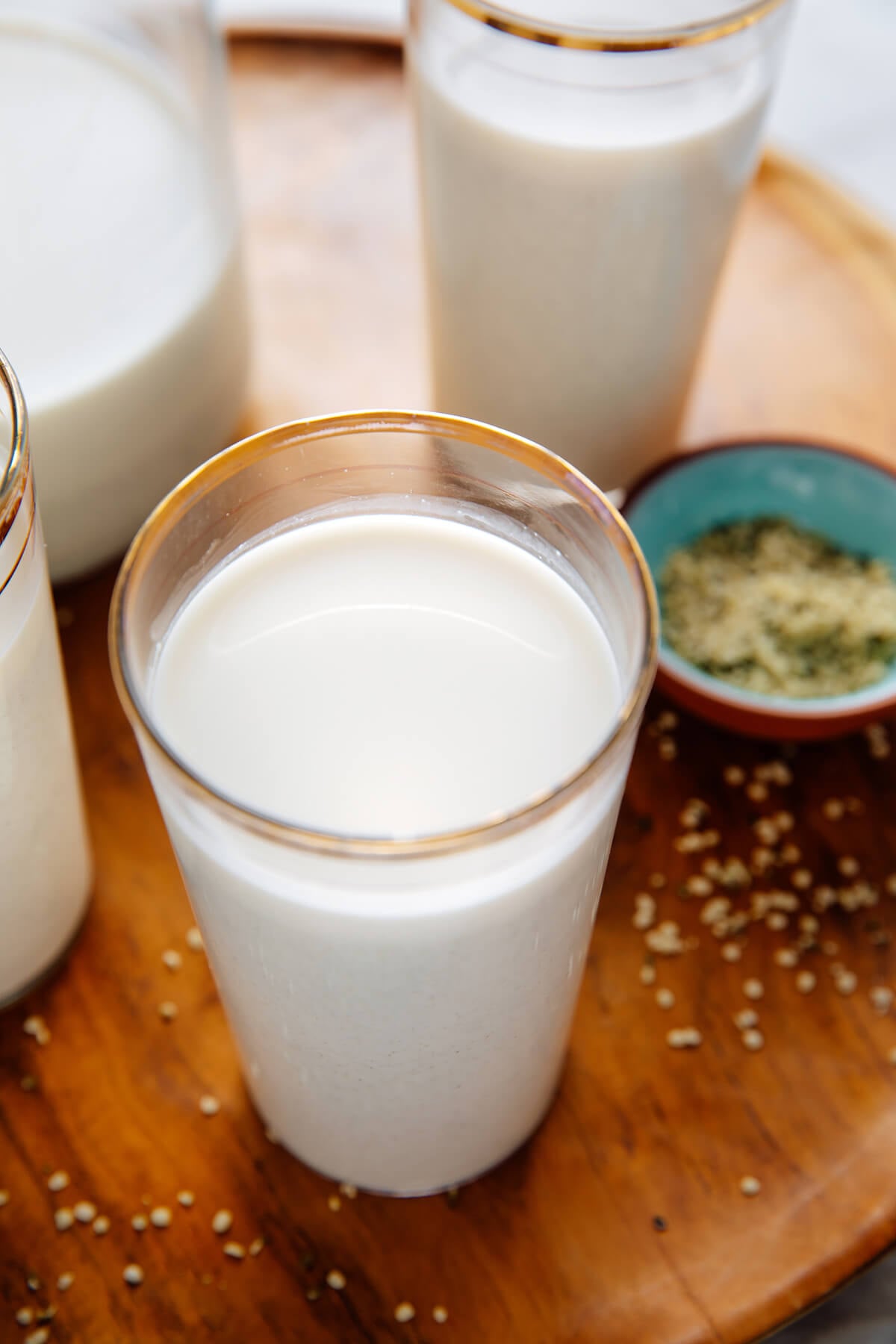
Beyond simply drinking it, hemp milk integrates seamlessly into a wide range of culinary applications. Its creamy texture makes it an excellent addition to morning coffee or tea, lending a delicate richness. It can be poured over cereals or granola, used as a base for smoothies to boost protein and healthy fats, or incorporated into oatmeal and overnight oats for a nutritious breakfast. In baking, hemp milk can substitute dairy milk in recipes for muffins, pancakes, or quick breads, contributing moisture and a subtle nutty flavor. Its neutral profile also makes it suitable for savory dishes, such as creamy soups, sauces, or even mashed potatoes, offering a dairy-free alternative without compromising on texture or flavor. The ease of creation and adaptability make it a staple for anyone looking to diversify their plant-based options.
Consumer Perspectives and Market Outlook

Consumer reception of hemp milk is largely positive, particularly among those already embracing plant-based diets or seeking specific nutritional benefits. Its high protein content, rich omega fatty acid profile, and the absence of common allergens like nuts (for those with nut allergies, though cross-contamination should always be considered in processing) make it a standout choice. The ongoing education surrounding industrial hemp, distinguishing it from marijuana, is crucial for broader acceptance and market penetration. As more consumers become aware of its health benefits and sustainable attributes, its popularity is expected to continue its upward trajectory.
The market for plant-based milks remains highly competitive, with continuous innovation from both established brands and new entrants. Hemp milk, whether homemade or commercially produced, represents an exciting frontier in this landscape. Its distinctive qualities — nutritional density, sustainability, and ease of preparation — position it as a significant player capable of appealing to a diverse consumer base. From parents looking for nutritious options for their children (like incorporating hemp seeds into baby food or serving flavored hemp milk) to athletes seeking a protein boost, and environmentally conscious individuals prioritizing sustainable ingredients, hemp milk offers a compelling proposition. The future of this versatile beverage appears bright, poised to become an increasingly common sight in refrigerators and grocery aisles worldwide.