









Creatine monohydrate has transitioned from a niche bodybuilding supplement to one of the most rigorously scrutinized and widely utilized ergogenic aids in the global fitness industry. Despite historical misconceptions that frequently conflated the compound with anabolic steroids or illicit substances, contemporary clinical research has established creatine as a cornerstone of sports nutrition. With over 500 peer-reviewed studies supporting its efficacy, the supplement is now recognized not only for its ability to enhance athletic performance and muscle hypertrophy but also for its emerging role in neurological health and cognitive preservation.
The Evolution of Creatine: A Chronological Overview
The scientific journey of creatine began in 1832, when French philosopher and scientist Michel Eugène Chevreul identified it as a constituent of skeletal muscle. However, it was not until the early 20th century that researchers discovered that oral creatine supplementation could significantly increase the intramuscular pool of the compound.
The turning point for creatine’s commercial and athletic popularity occurred during the 1992 Barcelona Olympics. Following reports that gold medalists, including sprinters Linford Christie and Sally Gunnell, utilized creatine to enhance their training, the supplement entered the mainstream market. By the mid-1990s, creatine monohydrate became a staple in professional sports and collegiate weight rooms. In 2017, the International Society of Sports Nutrition (ISSN) published a definitive position stand, concluding that creatine monohydrate is the most effective ergogenic nutritional supplement currently available to athletes in terms of increasing high-intensity exercise capacity and lean body mass during training.

The Biochemistry of Energy Production and Phosphocreatine
To understand the efficacy of creatine, one must examine the cellular mechanics of energy production. The body’s primary energy currency is adenosine triphosphate (ATP). During high-intensity, short-duration activities—such as sprinting or heavy resistance training—muscles demand an immediate and massive supply of ATP. However, the body only stores enough ATP for approximately eight to ten seconds of peak exertion.
Once ATP is utilized, it loses a phosphate group and becomes adenosine diphosphate (ADP). For energy production to continue, ADP must be re-phosphorylated back into ATP. This is where supplemental creatine plays a critical role. Stored in the muscle as phosphocreatine, it "donates" its phosphate group to ADP, rapidly regenerating ATP. This process, known as the phosphagen system, allows athletes to maintain peak power output for longer durations and recover more quickly between successive bouts of intense effort.
Clinical Evidence for Muscle Hypertrophy and Recovery
The benefits of creatine extend beyond immediate energy replenishment. Research consistently indicates that creatine supplementation facilitates muscle growth through several distinct pathways:
- Cellular Hydration: Creatine is osmotically active, meaning it draws water into the muscle cells. This increase in intracellular volume, often referred to as "cell swelling," serves as a biological signal for protein synthesis and gives the musculature a fuller appearance.
- Myofibrillar Protein Synthesis: By improving the capacity for high-volume training, creatine indirectly promotes hypertrophy. Furthermore, some studies suggest that creatine may influence myokines, such as myostatin and insulin-like growth factor 1 (IGF-1), which regulate muscle growth.
- Reduction of Protein Breakdown: Data suggests that creatine may have anti-catabolic properties, helping to preserve existing muscle tissue during periods of intense caloric deficit or high-stress training.
A meta-analysis of over 250 studies found that the addition of creatine to a resistance training program increased muscle mass by an average of 1% to 2% more than training with a placebo alone over a six-week period.
Protocols for Optimal Supplementation
The objective of creatine supplementation is to reach "muscle saturation," the point at which the muscle’s creatine stores are at their maximum capacity. There are two primary strategies to achieve this:
The Loading Phase
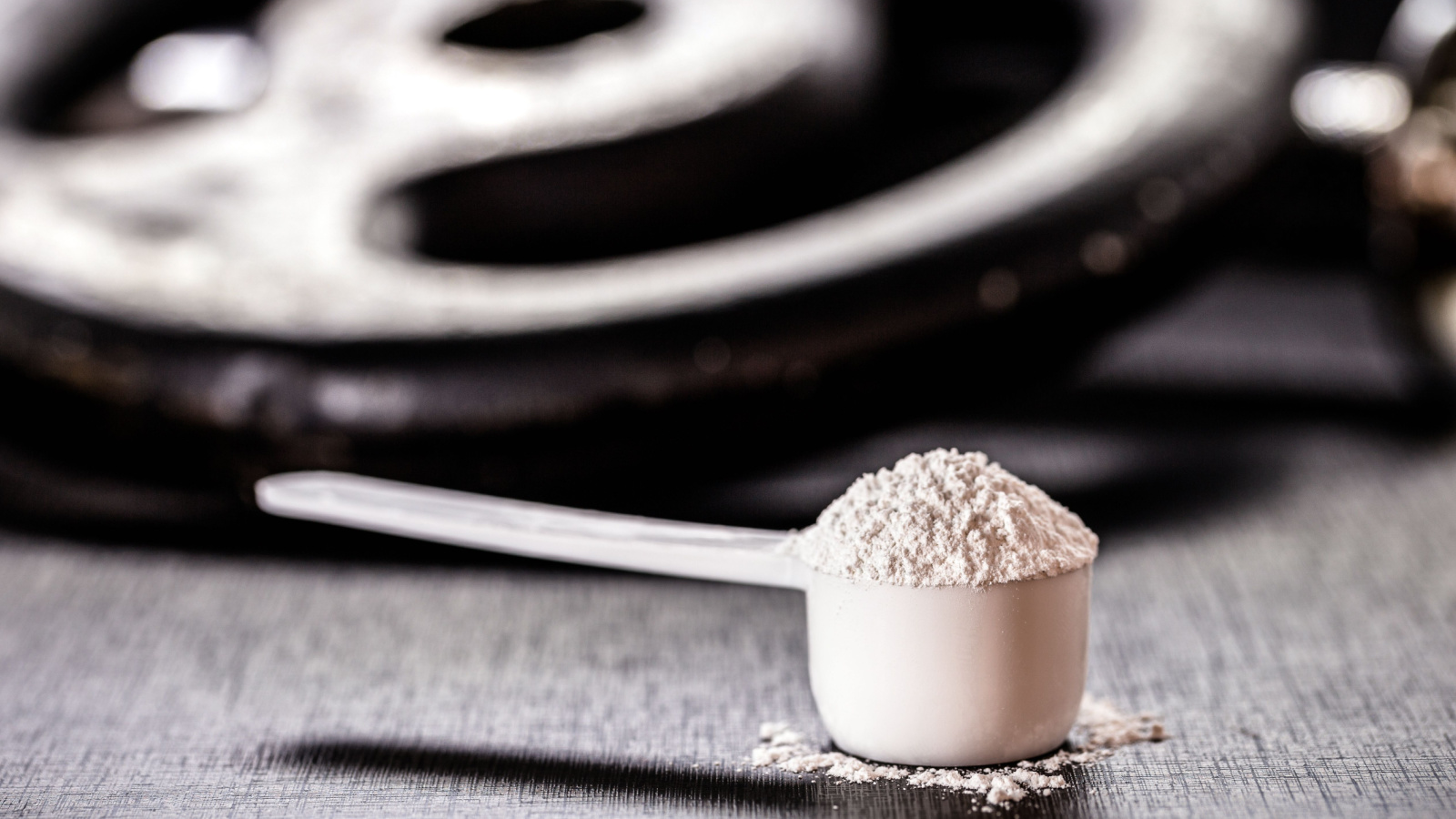
The traditional "loading" protocol involves consuming approximately 20 grams of creatine monohydrate per day, divided into four 5-gram doses, for five to seven days. This method is designed to saturate the muscles as rapidly as possible, allowing the user to experience performance benefits within a week.

The Maintenance Phase
Following the loading phase, a daily dose of 3 to 5 grams is sufficient to maintain saturation levels. For individuals who wish to avoid the potential gastrointestinal discomfort sometimes associated with high-dose loading, a consistent daily intake of 3 to 5 grams from the outset will achieve full muscle saturation within three to four weeks.
Timing and Co-ingestion
While creatine can be effective regardless of the time of day it is consumed, some evidence suggests a slight advantage to post-workout ingestion. Research published in the Journal of the International Society of Sports Nutrition indicates that taking creatine immediately after exercise, particularly when combined with carbohydrates or a protein-carbohydrate meal, may enhance uptake due to the insulin-mediated transport of nutrients into sensitized muscle cells.
Beyond the Gym: Neurological and Cognitive Implications
Recent clinical interest has shifted toward the neuroprotective effects of creatine. The brain, like skeletal muscle, is a high-energy organ that relies on the ATP-phosphocreatine system. Studies have shown that supplemental creatine can cross the blood-brain barrier, potentially improving cognitive processing, especially in situations characterized by brain energy exhaustion, such as sleep deprivation or chronic stress.
Furthermore, research into neurodegenerative diseases has shown promise. Preliminary studies suggest that creatine may offer therapeutic benefits for patients with Parkinson’s disease, Huntington’s disease, and certain forms of muscular dystrophy. Additionally, a 2020 study published in Scientific Reports highlighted a correlation between higher creatine intake and lower rates of depression in adults, particularly among those who do not consume red meat, the primary dietary source of creatine.
Addressing Common Misconceptions and Safety Data
Despite its safety record, creatine remains the subject of several persistent myths. The most prominent concerns involve renal health and hair loss.

Renal Function
Extensive long-term studies have found no evidence that creatine supplementation harms kidney function in healthy individuals. While creatine use can lead to an increase in creatinine (a byproduct of creatine metabolism) in blood tests, this is a harmless side effect of the supplement and does not indicate renal distress. However, individuals with pre-existing kidney disease are advised to consult a medical professional before use.
Hair Loss
The link between creatine and hair loss stems from a single 2009 study of rugby players, which observed an increase in dihydrotestosterone (DHT) levels following supplementation. DHT is an androgen associated with male pattern baldness. However, the study did not measure actual hair loss, and numerous follow-up studies have failed to replicate the significant DHT increases seen in the original trial. Most experts categorize the hair loss claim as speculative rather than evidence-based.
Water Retention
Critics often dismiss creatine gains as "just water weight." While it is true that creatine causes intracellular water retention, this is a fundamental part of its anabolic mechanism. This hydration occurs inside the muscle cell, not subcutaneously, meaning it does not result in a "bloated" or soft appearance but rather contributes to muscle density and performance.
Institutional Consensus and Market Impact
The global creatine market is projected to continue its upward trajectory, driven by an aging population interested in combating sarcopenia (age-related muscle loss) and a growing demographic of female athletes. The American College of Sports Medicine (ACSM) and the ISSN have both issued statements supporting the safety and efficacy of the supplement when used as directed.
Official responses from regulatory bodies like the U.S. Food and Drug Administration (FDA) classify creatine monohydrate as "Generally Recognized as Safe" (GRAS). This designation, combined with the low cost and high accessibility of the micronized monohydrate form, has solidified its position as the "gold standard" of the supplement industry.

Broader Implications for Health and Longevity
As research continues to evolve, the narrative surrounding creatine is shifting from a "muscle-building" tool to a "longevity" supplement. For the elderly, creatine supplementation has been shown to improve bone mineral density and enhance the quality of life by maintaining the functional strength required for daily activities. In the context of global health, where metabolic and cognitive decline are rising concerns, the application of a low-cost, high-safety-profile compound like creatine represents a significant area of interest for preventative medicine.
In conclusion, creatine monohydrate remains the most evidence-supported supplement for enhancing physical and potentially cognitive performance. By adhering to a consistent dosing protocol and prioritizing the monohydrate form, users can safely leverage this compound to achieve significant gains in strength, muscle volume, and overall systemic health.