India is strategically positioned to emerge as a preeminent global partner within the burgeoning nutraceutical industry, leveraging its profound botanical heritage, extensive knowledge of traditional healing practices, robust agricultural resources, and a deep pool of scientific talent, all supported by established manufacturing infrastructure. As global demand for preventive health solutions and natural products continues to surge, Indian companies are demonstrating a clear intent to transcend their traditional roles as mere suppliers of raw materials and contract manufacturers. A significant shift is underway, characterized by substantial investments in scientific research and development, stringent quality control systems, specialized regulatory expertise, and sophisticated market positioning strategies designed to enhance competitiveness in North America, Europe, and other key international markets. This transformative evolution inevitably raises a critical question: as India solidifies its position on the global nutraceutical stage, who will be instrumental in shaping its future trajectory?
The narrative of India’s rise in the nutraceutical sector is inextricably linked to the recognition and empowerment of women. Women are already integral to every facet of India’s nutraceutical value chain. Their contributions are vital, from the cultivation and harvesting of botanical ingredients to their initial processing. Beyond these foundational roles, women are increasingly making their mark as pioneering researchers, meticulous quality assurance and regulatory professionals, innovative manufacturers, astute entrepreneurs, and dynamic commercial leaders. However, this significant contribution has not always translated into commensurate visibility, influence, or opportunities for advancement.
This challenge is not confined to the nutraceutical sector alone. Leading national bodies, such as NITI Aayog (National Institution for Transforming India) and the Confederation of Indian Industry (CII), have unequivocally identified gender parity as a cornerstone of India’s economic ambitions. Their analyses estimate that India will need to integrate approximately 145 million women into its workforce to achieve its ambitious vision for 2047. To facilitate this, a suite of recommendations has been proposed, encompassing measurable representation targets, the implementation of inclusive recruitment practices, provision of accessible caregiving support, adoption of flexible working arrangements, establishment of robust mentorship programs, and the creation of structured leadership development pathways.

The global business imperative for gender equality is equally compelling. The International Labour Organization (ILO) has highlighted that the tangible benefits of gender equality and diversity within the corporate world begin to manifest when women constitute at least 30% of senior management and leadership positions. For the nutraceutical industry, this is far more than a demographic statistic; it represents a fundamental shift in perspective and approach. Diverse experiences and viewpoints are crucial in identifying critical research questions, proactively assessing potential risks, understanding nuanced consumer needs, and building authentic, cross-cultural relationships essential for navigating global markets.
A Partnership Forged on Reciprocal Expertise: The WIN-SHEFEXIL Collaboration
The genesis of a significant international collaboration aimed at fostering gender equality within the nutraceutical sector can be traced back to the proactive engagement of Women In Nutraceuticals (WIN), an organization dedicated to uniting the global industry. India has consistently been a focal point for WIN’s initiatives. Through dedicated volunteers participating in networking events, conferences, and various other engagements, including the pivotal 2025 Bharat Nutraverse event, WIN has been instrumental in laying the groundwork for more ambitious collaborations.

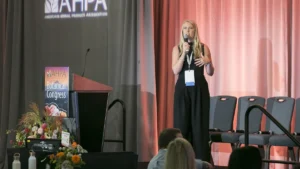
Following the success of the 2025 Bharat Nutraverse, Dr. Debjani Roy, Head of SHEFEXIL (Shellac and Forest Products Export Promotion Council), extended an invitation to WIN to co-organize a comprehensive full-day program at the upcoming Bharat Nutraverse 2026. Crucially, Dr. Roy’s vision embedded gender equality not as a standalone session topic, but as a fundamental baseline for the entire partnership. This forward-thinking approach acknowledged the pervasive impact of inclusivity across all aspects of industry development.
SHEFEXIL brought to this partnership an invaluable depth of understanding regarding India’s domestic market, its key companies, established institutions, and prevailing priorities. In turn, WIN contributed its extensive international industry network and its proven experience in connecting professionals across diverse geographical regions. This reciprocal approach is not merely symbolic; it is the bedrock of effective international collaboration. Genuine partnerships are not established when one market seeks to unilaterally instruct another. Instead, they flourish when each partner contributes its unique expertise, demonstrates a genuine commitment to listening to local priorities, and invests in cultivating long-term relationships.
Integrating Inclusion into the Industry’s Core Conversation
The program developed through the WIN-SHEFEXIL partnership at Bharat Nutraverse 2026 addressed the critical questions poised to influence India’s global competitiveness. These included evolving buyer expectations, emerging regulatory landscapes, advancements in botanical science, the imperative of supply-chain integrity, the nuances of quality assurance and transparency, strategies for building resilience, understanding shifting consumer demands, optimizing competitive positioning, and the transformative potential of Artificial Intelligence and digital commerce.
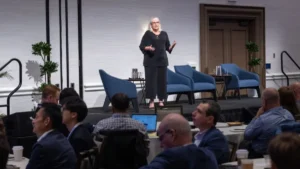
A significant aspect of the program’s design was the deliberate inclusion of women across all facets of the agenda, serving as speakers, moderators, and subject matter experts. This was a deliberate and impactful strategy, as true inclusion gains its deepest meaning when women are visibly present and actively contributing to the conversations that define how an industry innovates, competes, and grows. Their participation was not confined to sessions exclusively focused on women, but was integrated into the broader industry dialogue.
The pursuit of an inclusive industry demands more than simply tracking the number of women in the workforce or engaging in abstract discussions about inclusion. Companies must undertake a critical examination of where women are currently positioned within their organizations, identify points where career advancement begins to plateau, and ascertain who is receiving the crucial experiences that pave the way for leadership roles.
Are women being adequately prepared for their initial management positions? Are they benefiting not only from mentorship but also from active sponsorship, which involves advocating for their advancement? Are they being provided with essential customer-facing and international experience that broadens their strategic perspective? Are they represented on influential conference panels, technical committees, and, critically, on the teams responsible for making key investment and innovation decisions? The scope for women’s influence extends across the entire nutraceutical ecosystem, from farm-level botanical sourcing and research and development to quality assurance, regulatory affairs, manufacturing, commercial strategy, and executive leadership.

From Contribution to Leadership: Unlocking Untapped Potential
Across India’s dynamic startup landscape, women are already playing pivotal roles as founders, leaders, and partners, contributing significantly to the development of the nation’s next generation of health and wellness companies. The requisite talent is demonstrably present; what has often been a limiting factor is visibility.
This gap in visibility carries tangible commercial consequences. Projections by the McKinsey Health Institute and the World Economic Forum suggest that closing the global women’s health gap could inject at least $1 trillion annually into the global Gross Domestic Product (GDP) by 2040, with India alone potentially benefiting by at least $22 billion. The nutraceutical sector is strategically positioned to capture a significant portion of this opportunity. However, it remains challenging to effectively serve female consumers when women are underrepresented in the decision-making processes that guide research priorities, product formulation, and market introduction strategies.
International collaboration offers a promising avenue for bridging this gap. A 2026 study conducted by Avtar and Seramount, focusing on India’s Best Companies for Women, revealed that women held 14.2% of corporate executive roles in companies headquartered in India. This figure contrasts with 18% in US-headquartered companies and 20% in other foreign-headquartered companies operating within India. While these statistics do not establish a direct causal relationship, they strongly suggest that exposure to diverse leadership practices can indeed open new pathways for women. Furthermore, they underscore the principle that partnerships are most effective when both parties are willing to share and adapt best practices.
Global Reach Necessitates Local Leadership
Companies have a direct role to play in fostering this evolution by meticulously examining representation across all organizational levels, strengthening mentorship and sponsorship programs, and strategically placing more women in visible and decision-making positions. Industry associations and event organizers bear the responsibility of embedding inclusive representation into their programmatic designs, committee compositions, and partnership frameworks. On an individual level, professionals can actively mentor, sponsor, volunteer their time, and advocate for colleagues whose expertise warrants broader recognition.
The WIN-SHEFEXIL partnership at Bharat Nutraverse represents a significant step in this ongoing journey. Its overarching lesson is that the development of international markets and the cultivation of inclusive leadership need not, and indeed should not, proceed on separate trajectories. As India’s nutraceutical industry continues to expand its global influence, it possesses a unique opportunity to advance both objectives in tandem. WIN actively encourages companies and professionals who are committed to supporting this vital work – whether within India, across the Asia-Pacific region, or within their own countries – to share their expertise, actively participate in regional initiatives, and become integral members of an increasingly interconnected global industry community. This collaborative spirit is essential for unlocking the full potential of India’s nutraceutical sector on the world stage.