







The global agricultural community is preparing for a significant milestone in sustainable farming as the International Conference on Homeopathy in Agriculture and Environment (HAE) 2026 officially begins its planning and collaborative phase. Building upon the transformative success of the 2023 summit, which convened over 400 delegates from 32 countries, the 2026 conference represents an ambitious expansion of multidisciplinary research and practical application. This upcoming forum is designed to serve as a nexus for researchers, farmers, and environmental extensionists, focusing on the integration of homeopathic principles as a viable, low-residual impact technology within modern food systems. As the world faces escalating climate instability and a growing need for chemical-free farming solutions, the HAE 2026 initiative seeks to provide a scientific and social framework for enhancing the resilience of agroecosystems.
Historical Context and the 2023 Legacy
The trajectory toward the 2026 conference is rooted in the significant outcomes of the HAE Conference 2023. That event proved to be a watershed moment for the discipline, moving the conversation regarding homeopathy in agriculture from niche experimentalism to an organized international discourse. With participants spanning six continents, the 2023 proceedings highlighted the diverse geographic relevance of these methods, particularly in regions where traditional chemical inputs are either economically prohibitive or environmentally damaging.
The transition from the 2023 event to the 2026 planning phase has been characterized by a strengthening of the international research network. Since the conclusion of the previous conference, collaborative projects have focused on quantifying the efficacy of homeopathic preparations in diverse climates. The 2026 event is not merely a follow-up but a strategic advancement intended to synthesize three years of post-2023 field data and peer-reviewed studies. This chronological progression reflects a shift toward more rigorous, evidence-based applications that align with global sustainability goals, such as the United Nations’ Sustainable Development Goals (SDGs) regarding responsible consumption and production.
Core Objectives and Multidisciplinary Framework
The HAE Conference 2026 is structured around a dual-lens approach, utilizing both natural and social sciences to evaluate the impact of homeopathy on the environment. This multidisciplinary strategy acknowledges that the adoption of new agricultural technologies is as much a social and economic challenge as it is a biological one. By including social scientists, the conference aims to address the barriers to adoption, the economics of low-input farming, and the cultural shifts necessary for a transition away from heavy pesticide reliance.
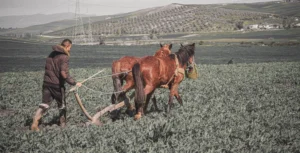
The technical program will be anchored by lectures from a diverse array of stakeholders. Researchers will present laboratory findings on the mechanisms of action regarding ultra-high dilutions in plant physiology, while farmers will provide case studies on the practical implementation of these methods in large-scale and small-scale operations. Extensionists—the vital link between theory and practice—will offer insights into the pedagogical methods required to train the next generation of agricultural professionals in holistic management.
Technical Themes: Biostimulants and Vitality
A central pillar of the 2026 conference is the exploration of homeopathy as a natural biostimulant. In the context of modern agronomy, biostimulants are substances or microorganisms applied to plants with the aim to enhance nutrition efficiency, abiotic stress tolerance, and crop quality traits. The conference will examine how homeopathic preparations can promote the "vitality" of the entire agricultural chain—from the microscopic health of the soil microbiome to the physical health of livestock and the ultimate nutritional value for human consumers.
Key thematic sessions will include:
- Soil Ecosystem Resilience: Investigating how homeopathy can aid in the restoration of degraded soils and promote carbon sequestration.
- Plant Health and Defense: Analyzing the role of homeopathic preparations in triggering systemic acquired resistance (SAR) in crops, reducing their vulnerability to pathogens without the use of toxic residues.
- Animal Welfare: Evaluating the reduction of antibiotic dependency in livestock through homeopathic interventions, a critical factor in the global fight against antimicrobial resistance.
Addressing Global Ecological Challenges
The timing of the HAE 2026 conference coincides with a period of intense pressure on global food systems. Industrial agriculture is currently facing a "perfect storm" of challenges: rising costs of synthetic fertilizers, increasing regulatory pressure to reduce pesticide use (such as the European Green Deal’s Farm to Fork Strategy), and the unpredictable impacts of climate change on crop yields.
In this context, the conference’s focus on "low-residual impact technology" is particularly timely. Homeopathy offers a methodology that requires minimal physical inputs, thereby reducing the carbon footprint associated with the manufacturing and transport of traditional agrochemicals. Furthermore, because these preparations do not leave toxic residues in the soil or water table, they support the "Whole Health" of the agricultural organism—a concept that views the farm as a self-sustaining, living entity rather than a factory for caloric output.
Economic Implications and Industry Response
While official industry-wide statements regarding the 2026 conference are emerging, preliminary reactions from organic and biodynamic agricultural bodies suggest a high level of interest. Proponents argue that the integration of homeopathic methods could significantly lower the "cost of entry" for sustainable farming, particularly in developing nations where the high price of imported chemicals often leads to a cycle of debt for smallholder farmers.
Market analysts suggest that as consumer demand for "clean label" and "residue-free" produce grows, technologies that can maintain yield while eliminating chemical inputs will see increased investment. The HAE 2026 conference is expected to facilitate dialogue between these economic stakeholders and the scientific community to ensure that homeopathic research is translated into scalable commercial applications.
Chronology of Development Leading to 2026
The roadmap to the 2026 conference involves several critical milestones:
- Late 2023 – Mid 2024: Analysis of the 2023 conference data and the establishment of the 2026 Steering Committee.
- 2025: Launch of the "International Research Collaboration & Network," a digital platform designed to host preliminary findings and foster inter-conference dialogue.
- Early 2026: Call for papers and the selection of lead speakers from the fields of agroecology, veterinary medicine, and environmental science.
- Mid 2026: The convening of the International Conference on Homeopathy in Agriculture and Environment.
This timeline ensures that the 2026 event is not an isolated gathering but the culmination of a sustained, multi-year effort to build a robust evidence base for homeopathic applications in the field.
Analysis of Broader Impacts
The implications of the HAE Conference 2026 extend beyond the boundaries of agricultural science. If the conference succeeds in its goal of expanding the understanding of agroecosystem complexity, it could influence international policy regarding environmental protection and public health. The focus on "Whole Health" aligns with the "One Health" approach advocated by the World Health Organization (WHO), which recognizes that the health of people is closely connected to the health of animals and our shared environment.
By reducing the chemical load on the environment, the strategies discussed at the conference have the potential to mitigate the loss of biodiversity, particularly among pollinator populations like bees, which are currently threatened by systemic pesticides. Furthermore, the emphasis on resilience suggests that these methods could be instrumental in helping food systems adapt to the "new normal" of extreme weather events, ensuring food security in an increasingly volatile world.
Conclusion and Future Outlook
As the HAE Conference 2026 approaches, the focus remains on fostering a collaborative environment where rigorous science meets practical experience. The event aims to move past the historical polarization of agricultural debates, offering a middle path that prioritizes ecological integrity and long-term sustainability. By bringing together a global network of experts, the conference is set to play a vital role in the transition toward a more holistic, resilient, and human-centered food system.
The work of the 2026 collaboration and network will likely serve as a blueprint for future multidisciplinary efforts in environmental science. As the global community seeks to balance the needs of a growing population with the finite resources of the planet, the insights gained from the study of homeopathy in agriculture and environment may provide essential tools for the next green revolution—one defined not by chemical intensity, but by biological intelligence and ecological harmony.