

The medical technology landscape is witnessing a significant consolidation as iRhythm Technologies moves to acquire VitalConnect, a move designed to cement its leadership in the rapidly evolving cardiac monitoring sector. This acquisition is not merely a tactical expansion but a strategic pivot aimed at capturing a $1 billion market opportunity that has remained partially out of reach for iRhythm’s current product portfolio. By integrating VitalConnect’s sophisticated VitalPatch technology, iRhythm intends to offer a comprehensive suite of monitoring solutions that cater to the full spectrum of the mobile cardiac telemetry (MCT) market, a segment currently characterized by high growth and intense technological competition.
Strategic Rationale and Market Expansion
During a recent earnings call with investors, iRhythm CEO Quentin Blackford articulated a clear and aggressive vision for the company’s future. The acquisition of VitalConnect is centered on the limitations of iRhythm’s existing hardware. Currently, the company relies on the Zio AT device for its cardiac monitoring services. While successful, Blackford noted that the Zio AT is only capable of serving approximately 50% of the mobile cardiac telemetry market.
To bridge this gap, iRhythm has been developing the Zio MCT, which is currently undergoing review by the U.S. Food and Drug Administration (FDA). However, even with the eventual clearance of the Zio MCT, the company estimated it would only capture an additional 20% to 30% of the available market. The acquisition of VitalConnect changes this trajectory fundamentally. By bringing the VitalPatch into its ecosystem, iRhythm gains immediate access to the remaining segments of the market that its proprietary devices could not previously penetrate.
“Having VitalPatch in there gives us access to the entire market, which is probably a $1 billion market, growing in the high single digits,” Blackford stated during the call. He further emphasized that the acquisition represents an incremental $500 million market opportunity for the company, effectively doubling its addressable space within the MCT category.
Technology Synergy: Zio vs. VitalPatch
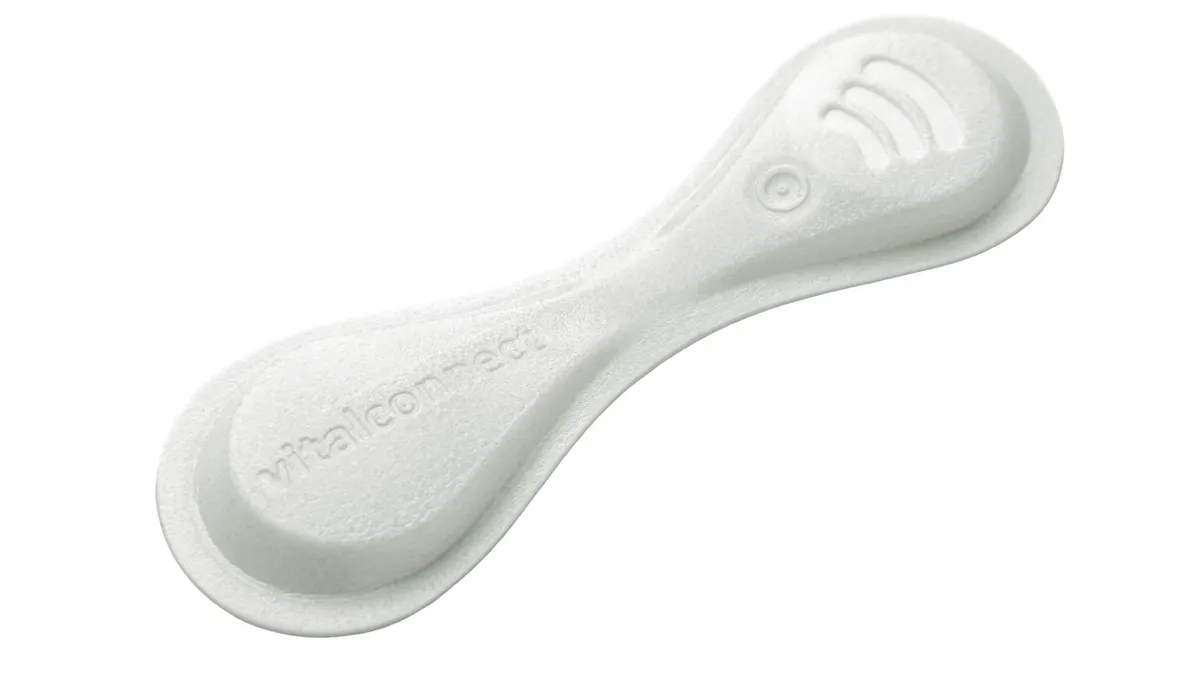
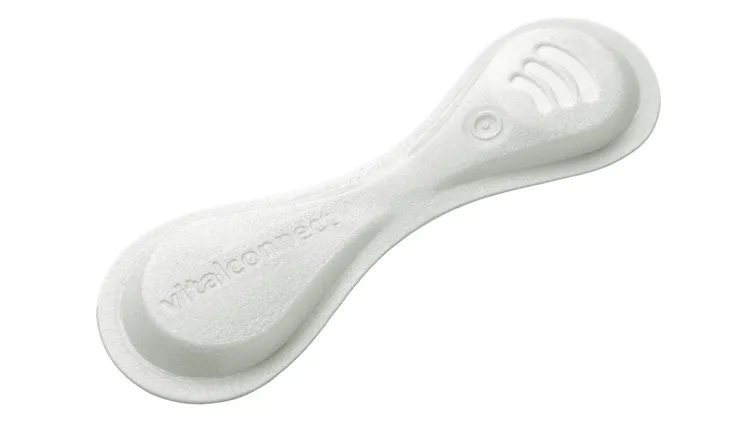
The core of the deal lies in the technological capabilities of the VitalPatch. Unlike traditional monitors, the VitalPatch is a slim, Band-Aid-like wearable sensor that provides continuous, clinical-grade monitoring. While iRhythm’s Zio platform is highly regarded for its deep-learning ECG analysis and patient compliance, VitalConnect brings a broader array of physiological data points to the table.
The VitalPatch is capable of monitoring not just cardiac arrhythmias but also heart rate, respiration rate, body temperature, posture, and activity levels. This multi-parameter monitoring is increasingly vital as healthcare shifts toward "hospital-at-home" models and integrated remote patient monitoring (RPM). For iRhythm, which has historically focused on ambulatory cardiac monitoring (ACM), the VitalConnect acquisition allows for a more holistic approach to patient health, moving beyond simple rhythm detection into comprehensive vital sign surveillance.
Blackford made it clear that while iRhythm remains committed to the FDA clearance process for its own Zio MCT device, the VitalPatch will become the primary focus of the company’s commercial operations in the near term. The strategy is one of redundancy and market saturation; by having both the Zio MCT and the VitalPatch, iRhythm can offer physicians and healthcare systems a choice of hardware depending on the specific clinical needs of the patient.
A Timeline of Integration and Regulatory Milestones
The timeline for the acquisition is ambitious, with iRhythm expecting to finalize the deal by the end of the 2024 calendar year. Notably, the company intends to close the transaction before the Zio MCT receives its anticipated FDA clearance. This proactive stance suggests a high degree of confidence in VitalConnect’s existing market position and the immediate revenue-generating potential of its technology.
"We’re not going to wait around for an MCT clearance to then figure out whether to introduce one product versus the other," Blackford told investors. "We’re going to lean right into VitalPatch, get that out there and get going with it."
This "lean-in" strategy involves a rapid integration of VitalConnect’s sales and support infrastructure into iRhythm’s larger commercial engine. The goal is to leverage iRhythm’s established relationships with cardiologists and electrophysiologists to accelerate the adoption of the VitalPatch.
Navigating the Competitive and Regulatory Landscape
The proposed acquisition comes at a time when federal regulators, particularly the Federal Trade Commission (FTC), are scrutinizing mergers and acquisitions within the healthcare and technology sectors with increased intensity. Because iRhythm and VitalConnect are competitors within the same niche, the deal is subject to Hart-Scott-Rodino (HSR) antitrust review.
When questioned by analysts regarding the likelihood of regulatory pushback, Blackford expressed confidence. He argued that the cardiac monitoring space remains highly fragmented and competitive, even with the merger of these two players. He specifically pointed to major industry titans such as Philips (through its BioTelemetry division) and Boston Scientific (via Preventice Solutions) as dominant forces that ensure a competitive marketplace.
Philips’ acquisition of BioTelemetry for $2.8 billion in 2021 and Boston Scientific’s $925 million purchase of Preventice the same year have already set a precedent for consolidation in the sector. Blackford contended that the combination of iRhythm and VitalConnect does not fundamentally alter the competitive dynamics, as physicians still have a wide variety of sophisticated platforms to choose from.
Supporting Data: The Growth of Remote Cardiac Monitoring
The financial and clinical impetus for this acquisition is supported by broader industry data. The global cardiac monitoring market is projected to grow significantly over the next decade, driven by several key factors:
- Aging Population: The prevalence of atrial fibrillation (AFib) and other cardiac arrhythmias increases with age. As the global population ages, the demand for long-term, non-invasive monitoring is surging.
- Shift to Ambulatory Care: Payers and providers are increasingly favoring home-based monitoring over expensive in-hospital telemetry. Devices like the VitalPatch reduce the "length of stay" for patients and allow for early intervention.
- AI and Analytics: The value of these devices is no longer just in the hardware but in the data. iRhythm’s AI-driven Zio suite provides high-confidence reports that reduce the burden on clinicians to manually review hours of ECG data.
- Reimbursement Stability: While the sector faced reimbursement volatility in 2021 and 2022, the Centers for Medicare & Medicaid Services (CMS) has stabilized pricing for long-term ECG monitoring, providing a more predictable revenue stream for companies like iRhythm.
The "incremental $500 million" opportunity cited by Blackford aligns with these trends. By capturing patients who require more intensive telemetry than the Zio AT provides, but who do not necessarily need a full bedside monitor, iRhythm is positioning itself in a high-margin "sweet spot" of the medtech market.

Potential Implications for Healthcare Providers and Patients
For healthcare providers, the acquisition promises a more streamlined procurement process. Instead of managing multiple vendors for different levels of cardiac monitoring, health systems can potentially use iRhythm as a single-source provider for everything from short-term Holter monitoring to long-term MCT and multi-parameter vital sign tracking.
For patients, the integration could lead to better clinical outcomes through more consistent monitoring. The VitalPatch’s low profile and ease of use are known to improve patient compliance—a critical factor in successfully diagnosing intermittent arrhythmias that might be missed by shorter-duration tests.
However, the integration process is not without its risks. Merging two distinct technology platforms and sales cultures can lead to temporary disruptions. iRhythm will need to ensure that the transition does not affect the quality of the data reports provided to physicians, which is the cornerstone of its reputation in the industry.
Analysis: A New Era of Cardiac Intelligence
The iRhythm-VitalConnect deal signals a new era where cardiac monitoring is becoming part of a larger "cardiac intelligence" framework. The focus is shifting from simply detecting an event to predicting it through the analysis of multiple physiological signals.
By acquiring VitalConnect, iRhythm is effectively buying its way into the broader Remote Patient Monitoring (RPM) and Chronic Care Management (CCM) markets. These sectors are expanding beyond cardiology into pulmonology and general internal medicine. The ability of the VitalPatch to monitor respiration and temperature opens doors for iRhythm to play a role in managing patients with heart failure, COPD, and other chronic conditions where fluid retention or infection can lead to cardiac stress.
In conclusion, iRhythm’s acquisition of VitalConnect is a calculated move to dominate the $1 billion MCT market. By addressing the gaps in its current product line and preempting the limitations of its upcoming Zio MCT, iRhythm is building a formidable moat against competitors. If the deal successfully navigates regulatory hurdles and the integration is executed seamlessly, iRhythm will emerge as an end-to-end leader in the digital health revolution, transforming how cardiac care is delivered outside the four walls of the hospital.
