The Clinical Intersection of Cushing’s Syndrome and Metabolic Disease
Endogenous Cushing’s syndrome is a rare but devastating endocrine disorder characterized by the chronic overproduction of cortisol by the adrenal glands. This hypercortisolism is typically driven by a pituitary tumor (Cushing’s disease) or an adrenal tumor. Cortisol, often referred to as the "stress hormone," plays a vital role in regulating metabolism, immune response, and blood pressure. However, when the body is flooded with excess cortisol over long periods, the physiological consequences are profound.
Patients with Cushing’s syndrome often suffer from a specific cluster of metabolic complications. The excess cortisol promotes gluconeogenesis in the liver and inhibits glucose uptake in peripheral tissues, leading to profound insulin resistance. Consequently, approximately one-third of all Cushing’s patients develop type 2 diabetes, while the vast majority struggle with rapid weight gain, specifically central adiposity, and hypertension. These comorbidities significantly decrease the quality of life and increase the cardiovascular mortality rate for these individuals.
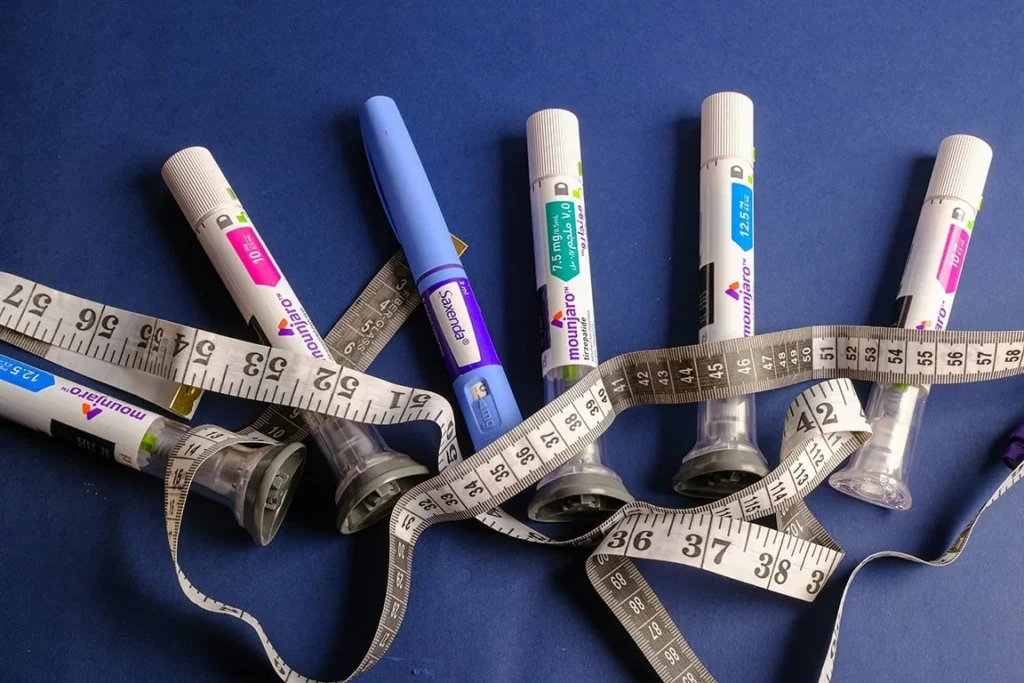
In the general population, GLP-1 receptor agonists have revolutionized the management of obesity and diabetes by mimicking a naturally occurring hormone that stimulates insulin secretion, slows gastric emptying, and signals satiety to the brain. However, for those with Cushing’s syndrome, the path to using these drugs has been clouded by caution. Because hypercortisolism itself is associated with an increased baseline risk of various malignancies, medical professionals have been hesitant to introduce therapies that have, in some general population studies, been scrutinized for potential links to thyroid or pancreatic issues.

Methodology: Two Decades of Real-World Evidence
To resolve these safety concerns, an international team of researchers conducted a comprehensive retrospective cohort study using data from Israel’s Clalit Health Services. Clalit is one of the world’s largest integrated health provider databases, covering over half of the Israeli population and providing a robust repository of longitudinal medical records.
The study cohort consisted of 609 patients diagnosed with endogenous Cushing’s syndrome between the years 2000 and 2023. To maintain the integrity of the data, the researchers excluded patients with ectopic ACTH syndrome (often caused by small cell lung cancer) and those with adrenal carcinomas, as these conditions carry a high inherent risk of mortality and secondary malignancies that would skew the results.
The researchers tracked these patients for an average follow-up period of 14.7 years, a duration long enough to observe the slow development of most solid tumors and hematologic malignancies. This extensive timeframe allowed for a "real-world" look at how GLP-1 medications performed across different stages of the disease, including during active hypercortisolism and following surgical remission.
Statistical Analysis and Key Findings
Out of the 609 patients in the study, 137 individuals (22.5%) were identified as having been prescribed and consistently using GLP-1 receptor agonists. During the follow-up period, the researchers recorded 116 cases of newly diagnosed cancer and 141 deaths across the entire cohort.
The primary objective was to determine if the 137 patients exposed to GLP-1 medications faced a higher hazard ratio (HR) for developing cancer compared to those who were not exposed. Initial "crude" data suggested a hazard ratio of 1.65, which might at first glance appear to show an increased risk. However, crude ratios do not account for confounding factors such as age, duration of diabetes, smoking status, or the severity of the Cushing’s syndrome itself.
When the researchers applied a time-varying analytical framework—a sophisticated statistical method that accounts for the exact point in time a patient begins a medication—the results shifted dramatically. After adjusting for these confounding health variables, the adjusted hazard ratio (aHR) dropped to 1.22. In the world of clinical statistics, an aHR of 1.22 with the associated confidence intervals indicates that there is no statistically significant correlation between the drug and the development of cancer.
Ensuring Robustness: Sensitivity and Lag-Time Checks
To further validate their findings, the investigative team performed several sensitivity analyses designed to eliminate "protopathic bias"—a situation where a drug might be prescribed to treat early symptoms of an undiagnosed cancer.
One of the most critical steps was the implementation of a 12-month lag period. By excluding any cancer diagnoses that occurred within the first year of starting GLP-1 therapy, the researchers ensured that they were not counting pre-existing, undiagnosed malignancies as being "caused" by the medication. Even with this lag period applied, the results remained consistent: no increased risk was detected.
Furthermore, the team stratified the data based on whether the patients’ Cushing’s syndrome was in remission. This was a vital distinction, as the metabolic environment of a patient with active hypercortisolism is vastly different from one whose cortisol levels have been normalized through surgery or medication. In both subgroups, GLP-1 receptor agonists maintained a neutral oncologic safety profile.
Chronology of GLP-1 Research and Safety Concerns
The safety of GLP-1 medications has been a topic of intense debate since the first drug in the class, exenatide, was approved by the FDA in 2005. Over the last two decades, the timeline of GLP-1 research has seen several shifts:
- 2005–2010: Initial approval and early adoption. Concerns were raised in animal models regarding medullary thyroid carcinoma (MTC) and pancreatitis.
- 2013–2017: Large-scale Cardiovascular Outcome Trials (CVOTs) for drugs like liraglutide and semaglutide showed significant heart health benefits, but regulatory agencies continued to monitor for pancreatic and thyroid signals.
- 2021–2023: The "Ozempic Era" begins, with a massive surge in global demand for GLP-1s for weight loss. Regulatory bodies like the European Medicines Agency (EMA) and the FDA conduct updated reviews, generally finding no definitive link to suicidal ideation or a broad increase in cancer risk in the general population.
- 2024: The current study provides the first focused evidence for the Cushing’s syndrome population, filling a niche but essential gap in the medical literature.
Expert Reactions and Clinical Implications
The conclusion reached by the study authors is clear: GLP-1 receptor agonists are oncologically safe for patients with endogenous Cushing’s syndrome. This finding has been met with relief by the endocrinology community.
While official statements from major endocrine societies are expected to follow the review of this data, the study authors themselves emphasized that these findings supply "vital evidence establishing the oncologic safety of GLP-1 receptor agonists within this specialized population."
The implications for patient care are immediate. For years, clinicians have faced a therapeutic dilemma: how to treat the life-threatening obesity and diabetes of a Cushing’s patient without potentially triggering a malignancy in a body already predisposed to tumor growth. With this data, endocrinologists can now more confidently prescribe these highly effective metabolic tools.
"For a patient with Cushing’s, the burden of disease doesn’t always end with the removal of a tumor," notes the analysis of the study’s implications. "The metabolic damage often persists. Having the green light to use GLP-1s means we can address the ‘second phase’ of their recovery—managing the weight and insulin resistance—with much higher confidence."
Broader Impact on the Endocrine Landscape
The significance of this study extends beyond the rare disease community of Cushing’s syndrome. It adds to a growing body of evidence suggesting that the benefits of GLP-1 receptor agonists in managing metabolic dysfunction far outweigh the theoretical risks of malignancy in most patient groups.
By focusing on a population with endogenous hypercortisolism, the study also provides a unique look at how these drugs interact with high-stress hormonal environments. The fact that GLP-1s remained safe even in the presence of high cortisol levels suggests a robust safety profile that may be applicable to other "high-risk" endocrine conditions.
As the medical community continues to navigate the complexities of rare diseases, real-world data from comprehensive databases like Clalit’s remain the gold standard for understanding long-term drug safety. For those living with the weight of a Cushing’s diagnosis, this research offers more than just statistical data; it offers a pathway to a better quality of life, free from the added fear of treatment-induced cancer.
Looking forward, researchers may now pivot to studying the specific efficacy of GLP-1s in reversing the muscle wasting and bone density loss also associated with Cushing’s, further expanding the utility of these medications in the field of endocrinology. For now, the verdict is in: the gold standard for weight and blood sugar management is safe for some of the most vulnerable patients in the clinic.