










A comprehensive survey commissioned by NOW Foods, a leading manufacturer of dietary supplements, reveals a significant and sustained surge in consumer engagement with vitamins and supplements, underscoring a deep-seated commitment to proactive health and wellness management. The findings, gathered in September 2025 by the research firm Suzy, paint a vivid picture of modern consumer priorities, highlighting not only widespread daily usage but also emerging areas of interest that present new opportunities for the supplement industry. With 76% of the 2,024 surveyed participants, aged 18 to 65, reporting daily supplement intake, and the remainder consuming them at least weekly, the data firmly establishes supplements as an integral component of daily health routines for a vast majority of the population.
The survey’s insights further indicate a growing trend, with 44% of respondents stating they are taking more dietary supplements now than in the previous year, while an additional 41% maintain their existing consumption levels. This collective momentum suggests a heightened consumer awareness and investment in health and wellness strategies, with dietary supplements serving as a crucial, accessible tool in this ongoing pursuit. This trend aligns with broader societal shifts towards preventative healthcare and a desire for enhanced quality of life, amplified by recent global health events that have spurred greater personal responsibility for well-being.
Neil Edward Levin, Senior Nutrition Education Manager at NOW Foods, commented on the survey’s overarching findings, emphasizing that "Overall health remains a top priority when it comes to supplement use." This sentiment is directly reflected in the survey data, where a substantial 58% of participants cited general health as their primary reason for taking vitamins and dietary supplements. This foundational motivation is further complemented by other significant drivers of supplement consumption, which, according to the survey, round out the top five need states. While the specific percentages for these secondary drivers were not detailed in the initial release, industry analysts suggest they likely include immune support, energy enhancement, mood regulation, and cognitive function, all areas that have seen increased consumer attention in recent years.

The survey also identified specific product categories that are currently most popular among consumers. Multivitamins emerged as the most frequently used product type, followed by letter vitamins and probiotics. This preference for foundational supplements indicates a consumer approach that often begins with broad-spectrum nutritional support before potentially delving into more targeted formulations.
Looking ahead to 2026, the survey identified general health as the continued top priority for 55% of participants. This strong emphasis on proactive well-being is expected to be closely followed by sustained interest in immune health and energy levels, mirroring the current motivations for supplement use. However, Levin also pointed to emerging areas of significant consumer interest that signal a maturing understanding of holistic health. "Many consumers want to support long-term health. Mood, healthy aging, cognitive support and gut health are all areas of interest," he stated.
These evolving consumer demands are directly influencing NOW Foods’ strategic product development. The company is actively exploring opportunities to expand its offerings in areas such as mood support, healthy aging, cognitive enhancement, and, notably, gut health. Furthermore, Levin highlighted the growing significance of GLP-1 (glucagon-like peptide-1) support and women’s health as key expansion frontiers. The company is specifically investigating ingredients that address metabolic health-related issues, with magnesium, berberine, inositol, and alpha-lipoic acid being cited as examples of such compounds.
An intriguing aspect of the survey’s findings pertains to "underrated needs states and opportunities for the coming year." Levin specifically pointed to postbiotics as a promising area for gut health, suggesting they may begin to outpace traditional probiotics in certain categories, particularly among consumers seeking enhanced consistency and stability in their digestive health solutions. He also emphasized the need for more comprehensive approaches to metabolic health, which should integrate considerations for hormonal balance, energy levels, and weight management. This holistic perspective on metabolic health reflects a growing consumer sophistication and a desire for integrated solutions rather than single-ingredient fixes.
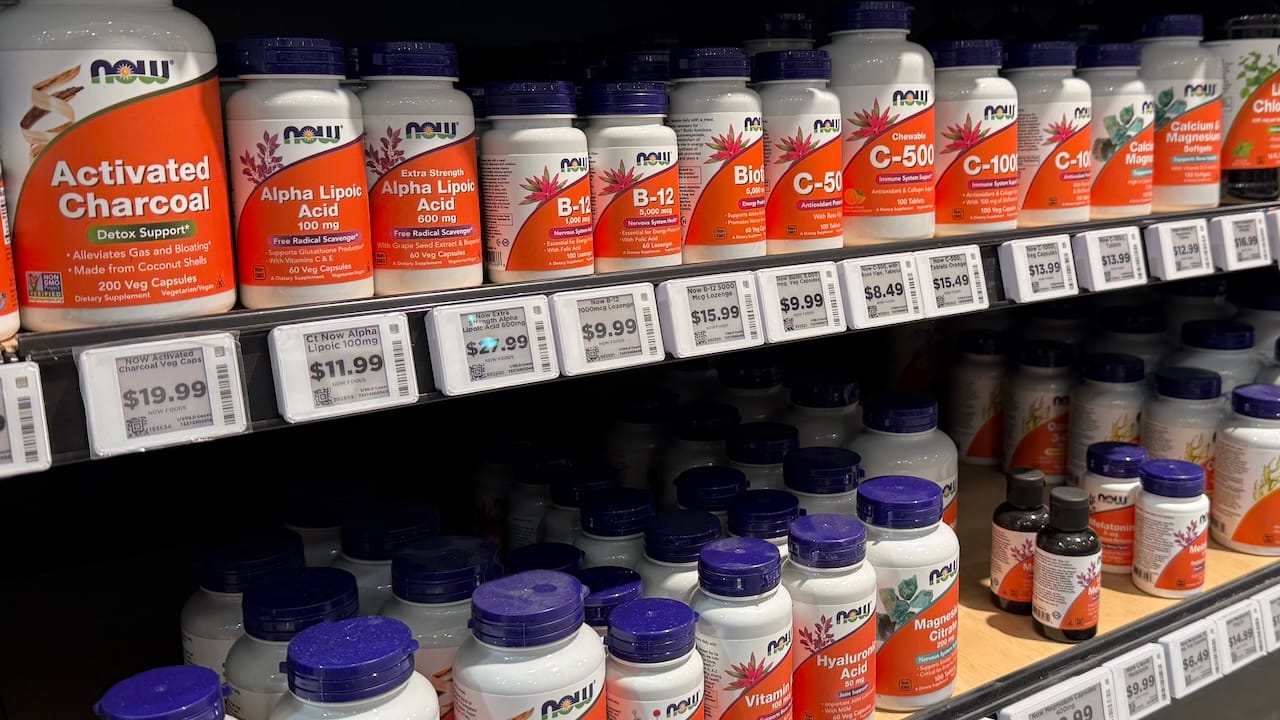
The supplement industry, while experiencing robust growth, is not without its challenges. The NOW Foods survey identified efficacy, safety/quality, and confusion over too many choices as the top three concerns among consumers. These concerns are critical for manufacturers to address to maintain consumer trust and encourage continued engagement. Levin underscored the importance of science-backed ingredients in mitigating these issues. "We also look for opportunities to augment our offerings by filling gaps in our product line or introducing a new, improved version of an existing product," he explained. "Science-backed ingredients uniquely fill the opportunity created by consumer concerns with efficacy and quality coupled with brands’ desires to leverage science and story."
NOW Foods actively incorporates branded ingredients that possess robust scientific backing into its formulations for both dietary supplements and personal care products. Levin specifically mentioned magnesium and creatine as trending ingredients that are resonating with consumers seeking scientifically validated solutions. "Consumers are asking us questions that make it clear they want science-backed ingredients," Levin stated. "They are also asking more questions about product testing and quality assurance processes to confirm that what they are buying is going to be effective and safe." This increased consumer scrutiny on transparency and evidence-based claims necessitates a continued commitment from manufacturers to rigorous research and development, as well as clear communication about product quality and validation.
Beyond product formulation, the survey also shed light on factors that influence consumer adherence to wellness routines. When asked about barriers to initiating new wellness habits, cost and confusion over numerous choices were cited as the primary obstacles. Conversely, elements that foster engagement and adherence include having a workout buddy or sharing progress, app tracking, and inspiration from social media.
This data presents a clear strategic direction for supplement brands looking to enhance consumer connection and promote sustained wellness journeys. By leveraging digital platforms, such as mobile applications, supplement companies can offer personalized tracking, educational content, and community-building features. Social media can serve as a powerful tool for sharing success stories, expert insights, and motivational content, thereby inspiring consumers and demystifying the supplement landscape.
The implications of these findings are significant for the broader dietary supplement market. The sustained high level of consumer engagement suggests a resilient and growing market, driven by an evolving understanding of health and wellness. The identified emerging areas of interest – mood, healthy aging, cognitive support, gut health, women’s health, and metabolic health – represent substantial growth opportunities for product innovation. Companies that can effectively address consumer concerns regarding efficacy and quality through science-backed ingredients and transparent manufacturing processes are poised for success.
Furthermore, the insights into consumer adherence highlight the importance of a holistic approach to wellness support. Supplement brands that can integrate their products into a broader lifestyle context, offering educational resources, digital tools, and community engagement, are likely to foster stronger customer loyalty and drive long-term market growth. This strategic imperative is particularly relevant as consumers increasingly seek integrated solutions that support multiple facets of their well-being.
The timeline of these trends suggests a gradual but persistent shift in consumer behavior. The increased focus on preventative health, which gained momentum in the wake of the COVID-19 pandemic, appears to be solidifying into a long-term commitment. The survey, conducted in September 2025, reflects the current state of this evolving landscape, with projections for 2026 indicating continued growth and refinement of consumer priorities. The mention of GLP-1 support and its impact on the food, beverage, and supplement industries, as noted by Devon Gholam, Ph.D., an editor at SupplySide Supplement Journal and an expert in women’s health and the impact of GLP-1 medication, further illustrates the dynamic nature of the health and wellness sector and its responsiveness to emerging scientific and medical advancements. Gholam’s passion for credible science and fostering collaboration within the nutraceutical community underscores the industry’s ongoing quest for innovation and consumer well-being.
In conclusion, the NOW Foods survey provides invaluable intelligence for the dietary supplement industry. It confirms a robust and growing consumer base that prioritizes health and wellness, utilizing supplements as a key strategy. The findings illuminate specific product categories and need states that are currently in demand, while also forecasting future trends in areas like gut health and metabolic support. By addressing consumer concerns head-on with science-backed solutions, enhanced transparency, and engaging educational and digital strategies, supplement brands can not only meet current consumer expectations but also cultivate lasting relationships and drive continued innovation in the pursuit of optimal health for all. The industry’s ability to adapt to these evolving consumer needs and leverage scientific advancements will be critical in shaping the future of the supplement market.