

As the vibrant promise of spring approaches, many individuals turn their focus towards health and fitness, often initiating new dietary regimens aimed at weight management. A cornerstone of successful dieting, particularly in maintaining a calorie deficit, lies in meticulous meal planning and the strategic selection of snacks. Unprepared snacking, especially late-night consumption, frequently undermines even the most dedicated efforts. To navigate this critical aspect of weight loss effectively, insights from qualified professionals are indispensable.
Dr. Kezia Joy, RDN, a Medical Advisor with Welzo, offers a precise, evidence-based approach to snacking for weight loss, advocating for only five specific snack categories. These recommendations are designed not just to curb hunger but to provide substantial nutritional value, fostering long-term healthy eating habits. Dr. Joy emphasizes snacks rich in protein, healthy fats, and fiber – the triumvirate of satiety and sustained energy. This strategic approach to snacking is crucial, especially as global health data consistently highlights the impact of dietary choices on public well-being and the pervasive challenge of managing body weight.
The Five Pillars of Purposeful Snacking for Weight Loss
Dr. Joy’s recommendations prioritize whole, unprocessed foods that deliver a powerful combination of macronutrients essential for satiety and sustained energy. These five categories offer versatility, ease of preparation, and proven benefits for individuals committed to their weight loss journey.
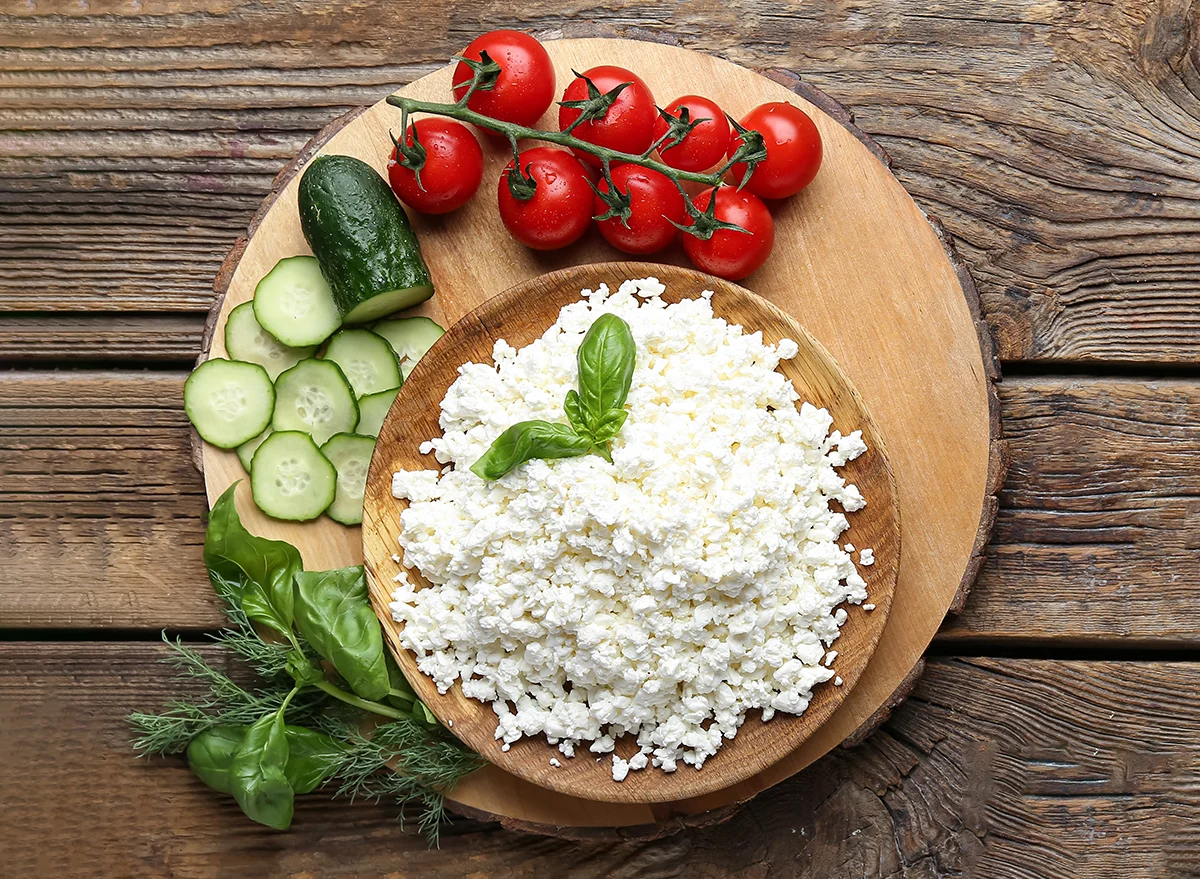
1. Cottage Cheese with Vegetables
Cottage cheese stands out as an excellent source of protein, particularly casein, a slow-digesting protein that provides a sustained release of amino acids. This prolonged digestion contributes significantly to feelings of fullness, helping to curb hunger over several hours. Beyond its protein content, cottage cheese is also a good source of calcium, vital for bone health. Pairing it with a variety of raw vegetables such as cucumber slices, vibrant bell peppers, cherry tomatoes, or crunchy carrot sticks amplifies its benefits. The vegetables add essential fiber, vitamins, minerals, and valuable antioxidants without contributing excessive calories. This combination ensures a nutrient-dense snack that supports muscle maintenance and overall metabolic health, preventing the quick hunger pangs associated with less substantial options.

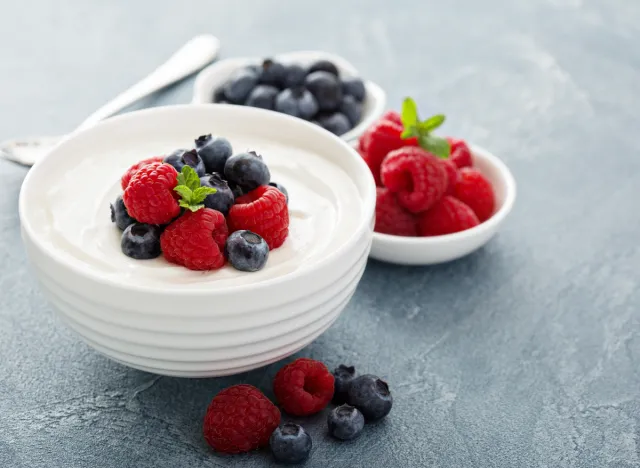
2. Greek Yogurt with Fresh Berries
Greek yogurt, renowned for its thicker texture and higher protein content compared to regular yogurt, is a cornerstone of a healthy snacking strategy. Opting for plain, unsweetened Greek yogurt avoids unnecessary added sugars, allowing for natural sweetness from fresh berries. Berries like blueberries, raspberries, and strawberries are nutritional powerhouses, packed with antioxidants that combat oxidative stress and provide a significant dose of dietary fiber. The probiotics present in many Greek yogurts also contribute to a healthy gut microbiome, which emerging research suggests plays a role in weight management and overall digestive health. This snack offers a satisfying blend of protein, healthy carbohydrates, and beneficial microbes, making it an ideal choice for sustained energy and gut support. For an added boost, a sprinkle of chia or flax seeds can provide extra fiber and omega-3 fatty acids.
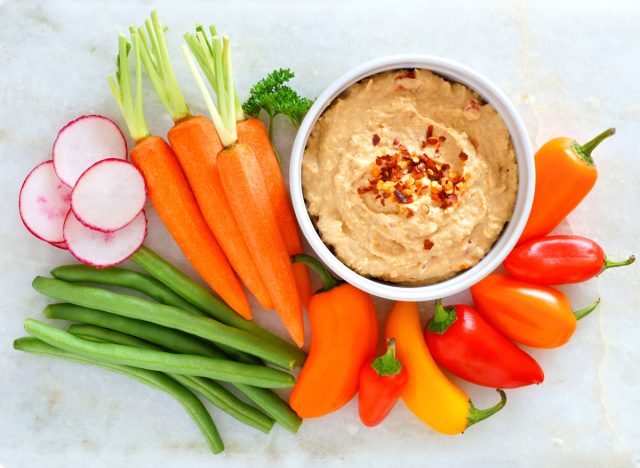
3. Hummus with Raw Vegetables
Hummus, a dip made from chickpeas, tahini (sesame paste), olive oil, lemon juice, and garlic, is a robust source of plant-based protein and dietary fiber. Chickpeas are legumes known for their ability to promote satiety and support digestive health. The healthy fats from tahini and olive oil further contribute to fullness and aid in the absorption of fat-soluble vitamins. Serving hummus with an assortment of raw vegetables such as carrots, celery sticks, cucumber, radishes, or broccoli florets transforms it into a crunchy, flavorful, and incredibly nutritious snack. This option is particularly appealing for those seeking a savory alternative to sweet snacks, offering a satisfying texture and a rich nutrient profile that helps regulate blood sugar and maintain energy levels.
4. A Handful of Nuts with a Piece of Fruit
This classic combination leverages the synergistic benefits of healthy fats, protein, and fiber from nuts, paired with the natural sugars, vitamins, and additional fiber from fruit. Nuts, including almonds, walnuts, pistachios, and cashews, are rich in monounsaturated and polyunsaturated fats, which are beneficial for heart health and contribute significantly to satiety. They also provide plant-based protein and various micronutrients like magnesium and zinc. When consumed in controlled portions—typically an ounce or a small handful—nuts can effectively stave off hunger. Pairing them with a piece of whole fruit, such as an apple, pear, orange, or banana, provides a balanced snack that delivers both immediate and sustained energy, preventing sudden blood sugar drops and subsequent cravings for less healthy options. Portion control for nuts is critical due to their caloric density.
5. Smoothie Using Whole Food Ingredients and Protein
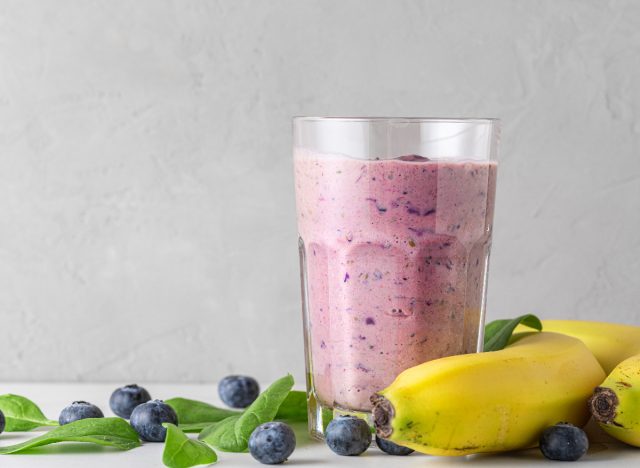
A smoothie crafted from whole food ingredients and a protein source offers unparalleled customization and nutrient density. This allows individuals to pack a significant amount of vitamins, minerals, fiber, and protein into an easily consumable format. Essential components include a base of unsweetened liquid (e.g., almond milk, water), a source of protein (whey protein, pea protein, soy protein, or collagen peptides), and a blend of fruits and vegetables. Incorporating greens like spinach or kale adds nutrient power without significantly altering flavor. Fruits such as bananas or berries provide natural sweetness and fiber, while healthy fats can be introduced via avocado, nut butter, or flax/chia seeds. This option is particularly beneficial for busy individuals, offering a quick, convenient, and highly nutritious snack that helps meet daily protein targets and boosts fruit and vegetable intake, ensuring prolonged satiety.
The Nutritional Cornerstones of Effective Weight Management
Dr. Joy’s recommendations are firmly rooted in the understanding of how macronutrients interact with our bodies to regulate hunger and metabolism. Three components stand out as foundational for weight loss-approved snacks: protein, healthy fats, and fiber.
The Indispensable Role of Protein
Protein is paramount in any weight management strategy. It triggers the release of satiety hormones like peptide YY (PYY) and glucagon-like peptide-1 (GLP-1), which signal fullness to the brain, significantly reducing appetite. Furthermore, protein has a higher thermic effect of food (TEF) compared to fats or carbohydrates, meaning the body expends more energy digesting and metabolizing protein. This contributes to a greater overall calorie burn. Crucially, adequate protein intake helps preserve lean muscle mass during periods of calorie restriction, which is vital for maintaining a healthy metabolism and preventing the metabolic slowdown often associated with dieting. Dr. Joy highlights that protein forms "the foundation of a weight-loss-approved snack," underscoring its multifaceted role in sustained energy, muscle maintenance, and appetite control.
The Power of Fiber for Digestive Health and Satiety
Dietary fiber, particularly soluble fiber, plays a critical role in satiety and metabolic regulation. When consumed, soluble fiber absorbs water, forming a gel-like substance in the digestive tract. This process slows down digestion and nutrient absorption, prolonging feelings of fullness and helping to stabilize blood sugar levels. Insoluble fiber, on the other hand, adds bulk to stool, promoting regular bowel movements and overall gut health. Both types contribute to a lower glycemic load for a meal or snack, preventing rapid spikes and crashes in blood glucose. Public health data indicates that average fiber intake in many Western diets falls significantly short of recommended daily amounts, making fiber-rich snacks an excellent way to bridge this nutritional gap. Increased fiber intake is consistently linked to lower body weight, improved cardiovascular health, and better management of type 2 diabetes.
Healthy Fats: Essential for Satiety and Nutrient Absorption
Despite historical misconceptions that vilified fats, healthy fats are an essential component of an effective weight management plan. They contribute significantly to satiety, helping to reduce overall calorie intake by keeping hunger at bay. Fats also play a crucial role in the absorption of fat-soluble vitamins (A, D, E, K) and provide essential fatty acids necessary for hormone production, cell structure, and overall physiological function. Prioritizing monounsaturated and polyunsaturated fats, found abundantly in nuts, seeds, avocados, and olive oil, over saturated and trans fats is key for both weight management and cardiovascular health. These fats slow gastric emptying, contributing to prolonged feelings of fullness and helping to stabilize blood sugar levels.
Beyond Calories: How Smart Snacking Regulates Hunger and Prevents Overeating
The efficacy of these dietitian-approved snacks extends beyond their mere nutritional content; they actively participate in the complex physiological processes that govern hunger and satiety, transforming a potential dietary pitfall into a powerful tool.
Stabilizing Blood Glucose Levels
A critical mechanism by which these snacks support weight loss is their ability to maintain consistent blood glucose levels. Dr. Joy articulates this succinctly: "These types of snack food can assist with maintaining consistent blood glucose levels, and consistent blood glucose levels are very important to regulate your hunger. The less your blood glucose levels fluctuate, the less you will experience hunger." Snacks rich in protein and fiber prevent the rapid spikes and subsequent crashes in blood sugar that often follow the consumption of refined carbohydrates. These glycemic rollercoasters trigger intense hunger signals and strong cravings for more sugary foods, perpetuating a detrimental cycle of overeating. By keeping blood sugar steady, these snacks effectively mitigate these hunger pangs.
Promoting Satiety and Nutrient Density
Unlike many typical processed snacks that are "easily digested, but do little to suppress our desire for additional food," the recommended options offer a "larger volume of nutrients per serving." This superior nutrient density ensures that the calories consumed provide genuine physiological fullness, rather than merely momentary satisfaction. The combination of protein, fiber, and healthy fats works synergistically to slow digestion, extend satiety, and reduce the desire for additional food. This intentional caloric intake leads to a significant reduction in the urge to overeat at subsequent meals or throughout the day, directly supporting calorie deficit goals.
Breaking the Cycle of Processed Food Cravings
By effectively managing hunger with nutrient-dense snacks, individuals are less likely to succumb to the allure of "highly processed convenience foods." This strategic approach helps to retrain taste preferences and establish more balanced eating habits over time, preventing the consumption of empty calories laden with added sugars and unhealthy fats. The consistent provision of satiety from whole-food snacks empowers individuals to make conscious, healthier choices, thereby breaking the cycle of cravings for hyper-palatable, nutrient-poor items. This behavioral shift is a cornerstone of sustainable weight loss.
The Pitfalls of Conventional Snacking: Why Many Choices Derail Weight Loss
Understanding what to eat is as important as understanding what to avoid. Many widely available snacks actively hinder weight loss efforts due to their inherent nutritional deficiencies and design. The convenience food market is saturated with items that prioritize taste and shelf life over nutritional value, often leading consumers astray from their health objectives.
The "Empty Calorie" Trap
Conventional snacks are frequently characterized by high levels of refined carbohydrates, excessive added sugars, and unhealthy fats, while providing minimal to no essential nutrients. These "empty calories" offer a quick burst of energy but fail to provide the protein or fiber necessary for sustained satiety. For example, a bag of potato chips or a candy bar, while providing calories, lacks the components that signal fullness to the brain. This lack of nutritional value means individuals consume a significant number of calories without feeling truly satiated, leading to a desire for more food shortly after consumption. This caloric surplus without corresponding satisfaction is a primary driver of weight gain.
Rapid Digestion and Blood Sugar Volatility
Snacks high in simple sugars and refined grains are rapidly digested and absorbed into the bloodstream, causing a quick surge in blood glucose. This spike is often followed by a precipitous drop as the body releases insulin to manage the sugar load. This rapid fluctuation, or "sugar crash," triggers intense hunger signals and strong cravings for more sugary foods, perpetuating a detrimental cycle that actively works against calorie deficit goals. Dr. Joy observes, "They’re easily digested, but do little to suppress our desire for additional food." This rapid digestion and subsequent hunger are key reasons for overconsumption of such items.
Addictive Nature of Processed Snacks
The food industry often formulates snacks to be hyper-palatable, combining sugar, fat, and salt in precise ratios that can bypass the body’s natural satiety mechanisms and encourage overconsumption. This combination can create a reward response in the brain, leading to a behavioral dependence similar to addictive patterns. Such foods are designed to be "craveable," making it incredibly challenging for individuals to eat them in moderation or to choose healthier, less intensely flavored alternatives. The constant availability and aggressive marketing of these products further compound the difficulty for consumers trying to make healthier choices.
The Strategic Importance of Snack Timing for Energy and Control
Beyond what to eat, when to eat also plays a pivotal role in optimizing weight loss and overall energy management. Thoughtful snack timing can significantly impact hunger levels, energy consistency, and the likelihood of making healthy choices throughout the day. This proactive approach prevents reactive eating based on extreme hunger or emotional triggers.
Preventing Extreme Hunger and Calorie Surges
Strategic snack timing can be a powerful preventative measure against overeating. Dr. Joy emphasizes, "Snacks at appropriate times may prevent an interval of time from one meal to another in which individuals are likely to consume excess calories due to a large gap in time since the last meal." By bridging the gap between main meals, typically mid-morning or mid-afternoon, strategic snacking prevents extreme hunger. This extreme hunger often leads to impulsive, less healthy food choices and significantly larger portion sizes at the next meal, undermining calorie goals. A well-timed snack maintains a steady state of satiety, fostering conscious eating decisions.
Maintaining Consistent Energy Levels
"Snacking maintains consistent levels of energy throughout the day," Dr. Joy notes. A mid-morning or mid-afternoon snack is crucial for stabilizing blood sugar and providing a steady supply of energy, preventing the common "afternoon slump" that often prompts cravings for quick fixes like sugary drinks or processed sweets. Consistent energy levels support productivity, improve mood, and enhance cognitive function, making it easier to stick to dietary goals and engage in physical activity. This proactive energy management reduces reliance on caffeine or sugar for boosts.
Mitigating Cravings for Sweet Treats
The afternoon energy crash frequently coincides with a heightened desire for sugary foods. A balanced mid-afternoon snack, particularly one rich in protein and fiber, can effectively "help control energy crashes and reduce the likelihood that you’ll feel the need for sweet treats." By proactively addressing hunger and energy dips with nutritious options, individuals can circumvent these common craving triggers. This prevents the consumption of empty calories that provide fleeting satisfaction but ultimately contribute to weight gain and blood sugar instability.
Purposeful Evening Snacking
Evening snacking is often driven by habit, boredom, or stress rather than genuine physiological hunger. Dr. Joy advises that "Evening snacking should be purposeful
