


New Research Illuminates the Role of the Estrobolome in Alleviating Menopausal Symptoms
In a significant development for women’s health and the burgeoning field of microbiome science, Kaneka Probiotics has unveiled compelling new research demonstrating the efficacy of its KABP Menopause probiotic blend. This innovative formulation, designed to support women navigating the complexities of perimenopause, menopause, and post-menopause, operates by influencing estrogen levels through the intricate gut-hormone axis. The findings, which build upon earlier scientific presentations at SupplySide Global, underscore the growing understanding of how microbial communities within the gut can profoundly impact hormonal balance and overall well-being.
The study, published recently and showcased at SupplySide Global in 2025, provides robust clinical evidence of the KABP Menopause blend’s ability to modulate estrogen levels. This directly addresses a key physiological shift experienced by millions of women worldwide. Beyond laboratory findings, the clinical trial offers a crucial real-world perspective, detailing how the probiotic intervention translates into tangible improvements in how women feel and function during this transitional life stage.

Alison Arendt, Senior National Sales Manager at Kaneka and a dedicated advocate for women’s health, articulated the scientific rationale behind this approach. "What’s innovative about using the gut microbiome is that we now see the estrobolome plays a very large role in managing perimenopausal, menopausal, and post-menopausal side effects," Arendt explained. The estrobolome refers to the collection of genes in gut bacteria that are involved in the metabolism of estrogen. By influencing this microbial ecosystem, the probiotic blend aims to restore a more favorable hormonal environment.
This represents a paradigm shift from traditional approaches to menopausal symptom management, which often relied on direct hormonal therapy or a limited range of botanical remedies. The understanding of the estrobolome’s significant influence highlights a more nuanced and potentially more holistic strategy, leveraging the body’s own biological pathways.
Clinical Trial Design and Key Findings
The research involved a decentralized, randomized, double-blind, placebo-controlled trial, considered the gold standard in clinical research. A total of 245 women, aged between 45 and 60 years, who were experiencing perimenopause or menopause, participated in the study. For a period of three months, participants were administered either the KABP Menopause probiotic blend or a placebo. The probiotic blend is a carefully curated formulation comprising three specific strains: Levilactobacillus brevis KABP052, Lactiplantibacillus plantarum KABP051, and Pediococcus acidilactici KABP021.
Throughout the trial, participants meticulously completed questionnaires designed to assess their menopausal symptoms and overall quality of life. These subjective reports are critical for understanding the lived experience of menopausal women and for quantifying the impact of interventions beyond objective biological markers.
The results were statistically significant. Women who supplemented with the KABP Menopause probiotic blend reported a notable decrease in their Menopause Rating Scale (MRS) scores, a widely recognized clinical tool for evaluating the severity of menopausal symptoms. Concurrently, these women also experienced improvements in their quality-of-life scores compared to the placebo group. This dual outcome—reduction in symptom burden and enhancement of daily functioning—underscores the multifaceted benefits of the probiotic intervention.

The Evolving Landscape of Menopause Support
Arendt further elaborated on the evolving strategies within the supplement industry for addressing menopausal concerns. She noted that some companies are focusing on formulations that align with core digestive health principles, utilizing only probiotic ingredients to exert their effects via the microbiome. This approach emphasizes the direct impact of beneficial bacteria on hormonal regulation.
However, a complementary and increasingly popular strategy involves combining probiotics with herbal ingredients that are traditionally associated with women’s health. This hybrid approach, Arendt suggested, is highly effective because it resonates with a large segment of women who are already familiar with and seeking out botanical solutions for menopause.
"I’m very excited about the estrobolome because most women, when talking about hormone balance and estrogen regulation, are used to going to standard herbal favorites," Arendt stated, drawing a parallel to the historical reliance on ingredients like black cohosh. She added, with a touch of forward-looking optimism, "It’s not your grandma’s black cohosh anymore," signifying the sophisticated, science-backed innovations now available. This sentiment highlights the industry’s move towards evidence-based solutions that integrate traditional wisdom with cutting-edge scientific understanding.
Broader Implications and Future Directions
The implications of this research extend beyond the immediate benefits for women experiencing menopause. It reinforces the concept of the gut as a central regulator of systemic health, influencing a wide array of physiological processes, including hormonal balance, immune function, and even mental well-being. As scientific understanding of the microbiome deepens, we can anticipate an explosion of targeted interventions for various health conditions, moving away from one-size-fits-all solutions.
The success of the KABP Menopause blend also points to a growing trend in the supplement industry: the development of highly specific, strain-targeted probiotics backed by robust clinical data. This level of scientific rigor is crucial for building consumer trust and for ensuring that supplements deliver on their promises. The focus on the estrobolome represents a sophisticated understanding of biological pathways, demonstrating a commitment to innovation and evidence-based product development.
For consumers, this research offers promising new avenues for managing menopausal symptoms with a focus on natural, gut-centric approaches. The ability to influence estrogen metabolism through the microbiome provides an alternative or complementary strategy to conventional therapies, potentially reducing reliance on pharmaceuticals for some individuals.
The collaboration between ingredient suppliers like Kaneka Probiotics and the broader scientific community, evidenced by the publication of this study and its presentation at industry events, is vital for advancing the field. Such collaborations accelerate the translation of scientific discovery into tangible health solutions.
Emerging Trends in Supplement Innovation
Beyond menopausal support, the supplement industry continues to see innovation across various categories. Recent product launches and scientific developments highlight key areas of focus:
-
Postbiotics and Immune Support: Emerging research suggests that postbiotics, the beneficial compounds produced by probiotics, can offer rapid immune system support. Studies indicate that certain postbiotics can exert their effects within hours of ingestion, providing a swift and effective means of bolstering immune defenses. This is particularly relevant in today’s health-conscious environment, where consumers are actively seeking ways to maintain robust immune function year-round. The rapid onset of action makes postbiotics an attractive option for immediate immune support, contrasting with the longer-term benefits often associated with probiotics and prebiotics.
-
Skin Health Ingredients: The pursuit of youthful and healthy skin continues to drive innovation in the supplement market. New product launches are increasingly showcasing ingredients known for their skin-rejuvenating and protective properties. These often include a combination of antioxidants, vitamins, minerals, and specialized compounds that target various aspects of skin health, from hydration and elasticity to protection against environmental damage.
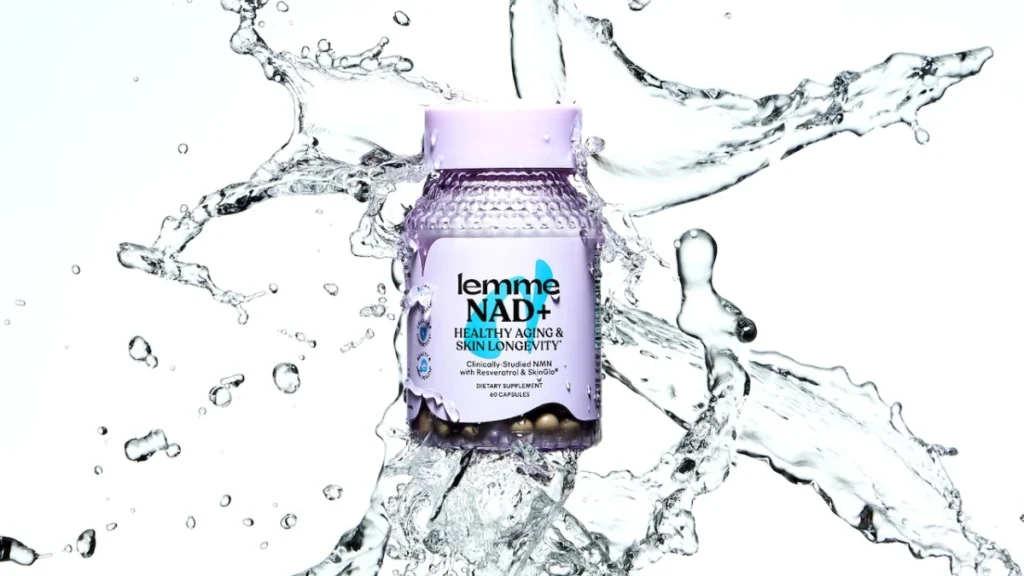
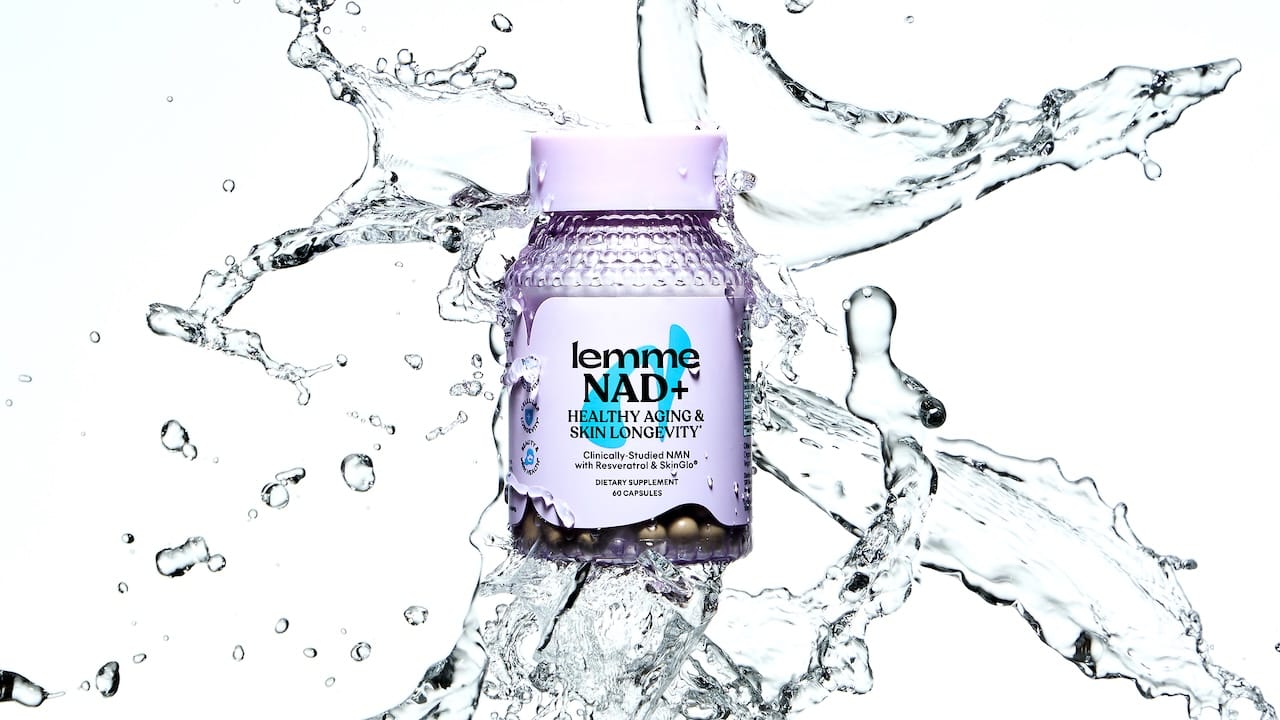
One notable example is the launch of Lemme’s NAD+ supplements. This product strategically combines nicotinamide mononucleotide (NMN) with resveratrol, spermidine, and carotenoids. This blend is designed to support healthy aging at a cellular level and promote skin longevity. NAD+ (Nicotinamide Adenine Dinucleotide) is a coenzyme found in all living cells, playing a crucial role in cellular energy production and DNA repair. As NAD+ levels naturally decline with age, supplementation aims to counteract this decline, supporting cellular function and potentially contributing to a more youthful appearance and improved skin health. Resveratrol, a potent antioxidant found in grapes and red wine, is known for its anti-inflammatory and anti-aging properties. Spermidine, a naturally occurring polyamine, has garnered attention for its role in cellular rejuvenation and autophagy (a cellular "clean-up" process). Carotenoids, such as beta-carotene and astaxanthin, are powerful antioxidants that can help protect the skin from UV damage and oxidative stress. The synergistic combination of these ingredients reflects a sophisticated approach to targeting multiple pathways involved in skin aging and overall health.
-
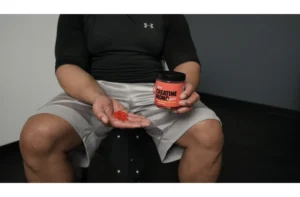
Cognitive Health and Performance: The demand for supplements that support brain function remains strong. Cognitive health is a primary driver for consumers seeking supplements, with creatine emerging as a popular ingredient. While often associated with athletic performance, creatine’s benefits for cognitive function are increasingly recognized. Research indicates that creatine supplementation can enhance memory, reasoning, and information processing speed, particularly in situations of stress or sleep deprivation. This dual-purpose benefit positions creatine as a valuable ingredient for individuals looking to optimize both physical and mental performance.
Industry Collaboration and Information Exchange
The dynamism of the supplement industry relies heavily on open communication and the sharing of new discoveries. Organizations like SupplySide Supplement Journal play a crucial role in facilitating this exchange, encouraging companies to announce product launches, clinical trial results, and other significant developments. This ensures that the industry remains informed about the latest scientific innovations and market trends, fostering a collaborative environment that drives progress.
For companies looking to share their advancements, reaching out to industry publications like SupplySide Supplement Journal provides a platform to disseminate their findings to a wide audience of industry professionals, researchers, and consumers. This transparency and information sharing are vital for the continued growth and credibility of the nutraceutical sector.
The ongoing research into the gut-hormone axis, the rapid advancements in postbiotic science, and the sophisticated formulations targeting specific health concerns like skin aging and cognitive function all point to a future where personalized, science-backed nutrition plays an increasingly central role in maintaining health and well-being. The development of the KABP Menopause probiotic blend stands as a prime example of this exciting trajectory, offering tangible hope and effective solutions for women navigating a significant life transition.