








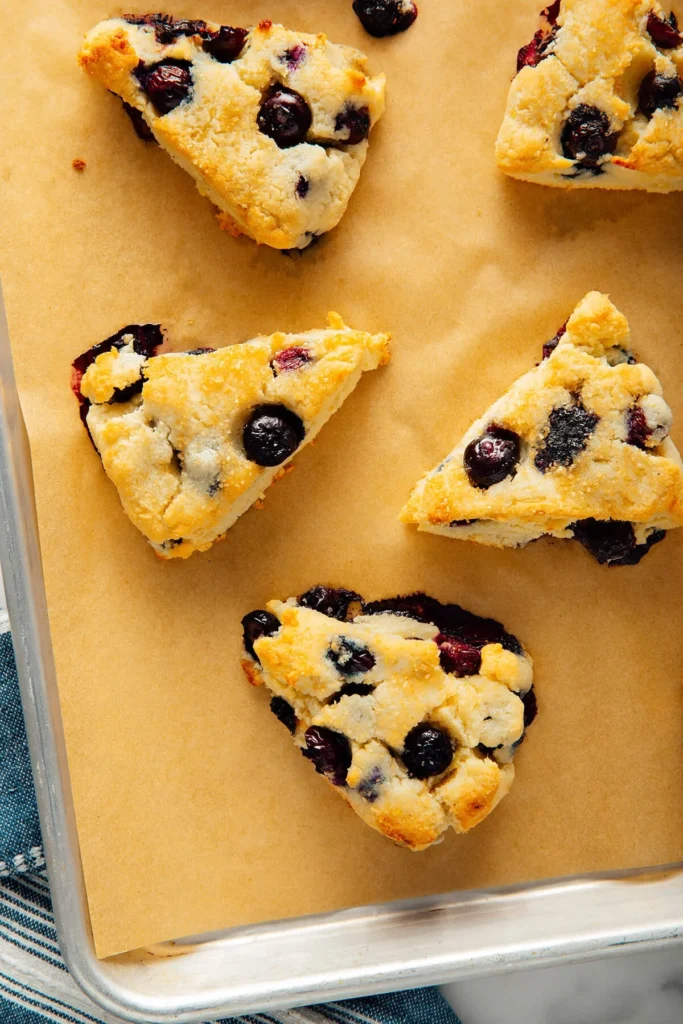
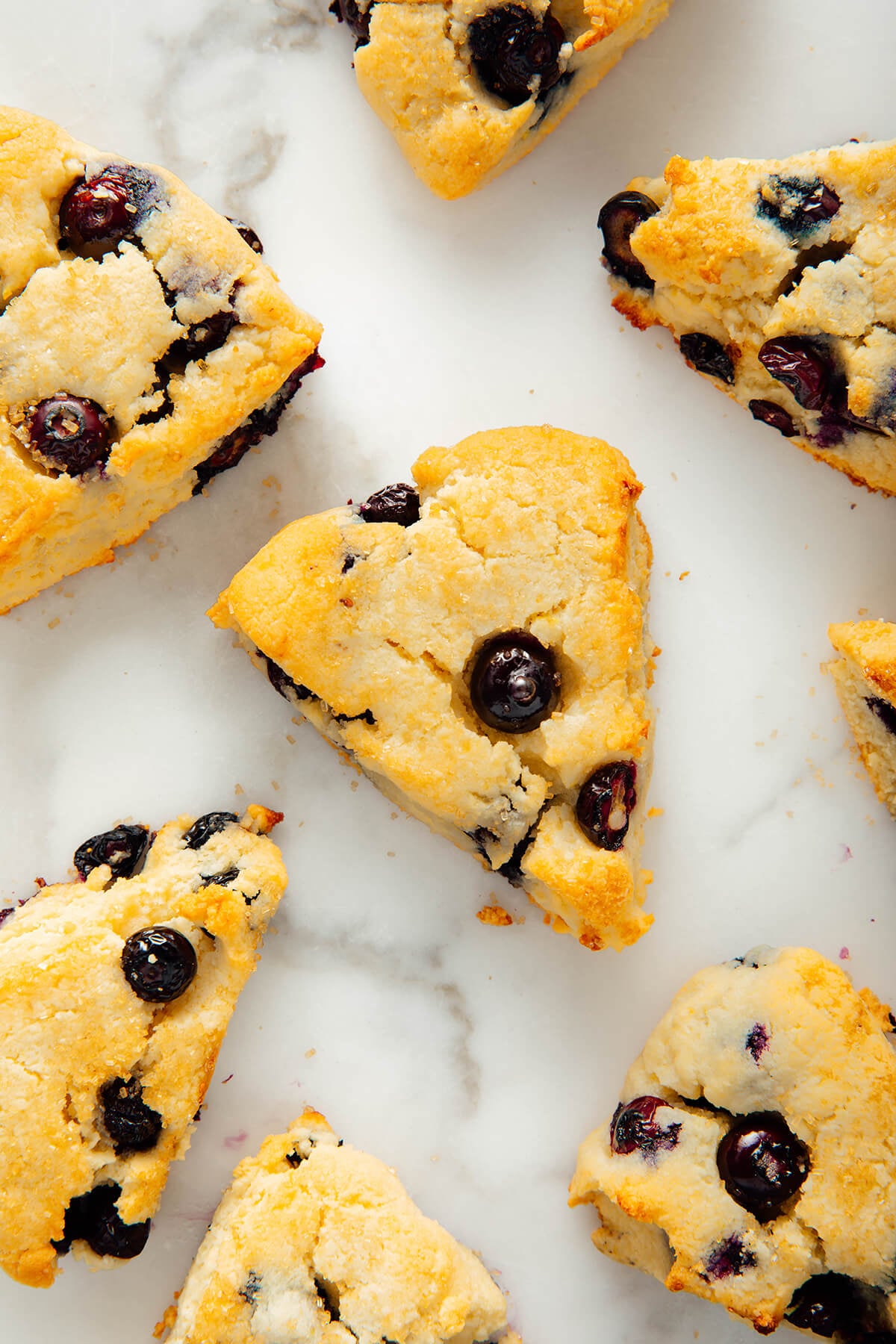
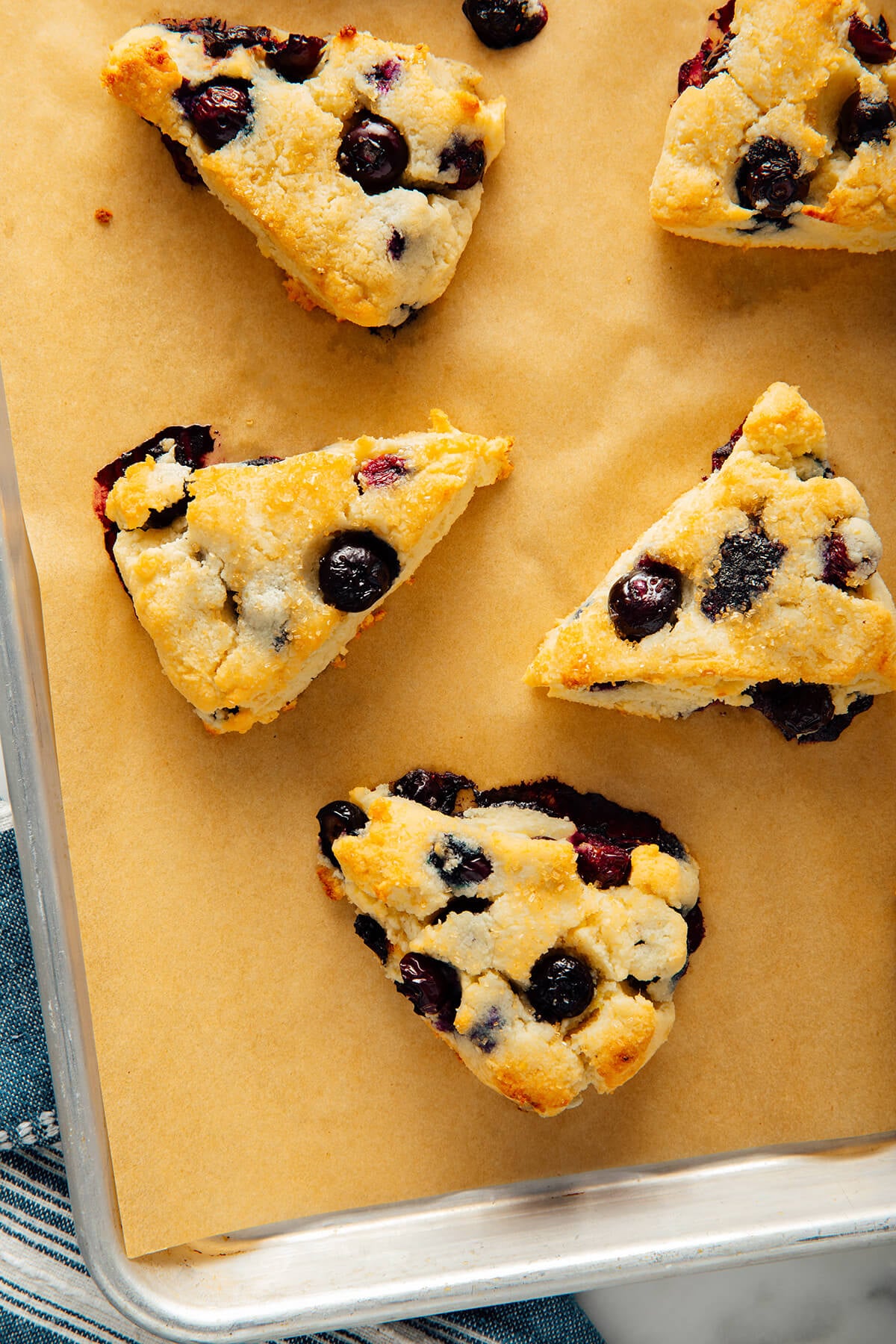
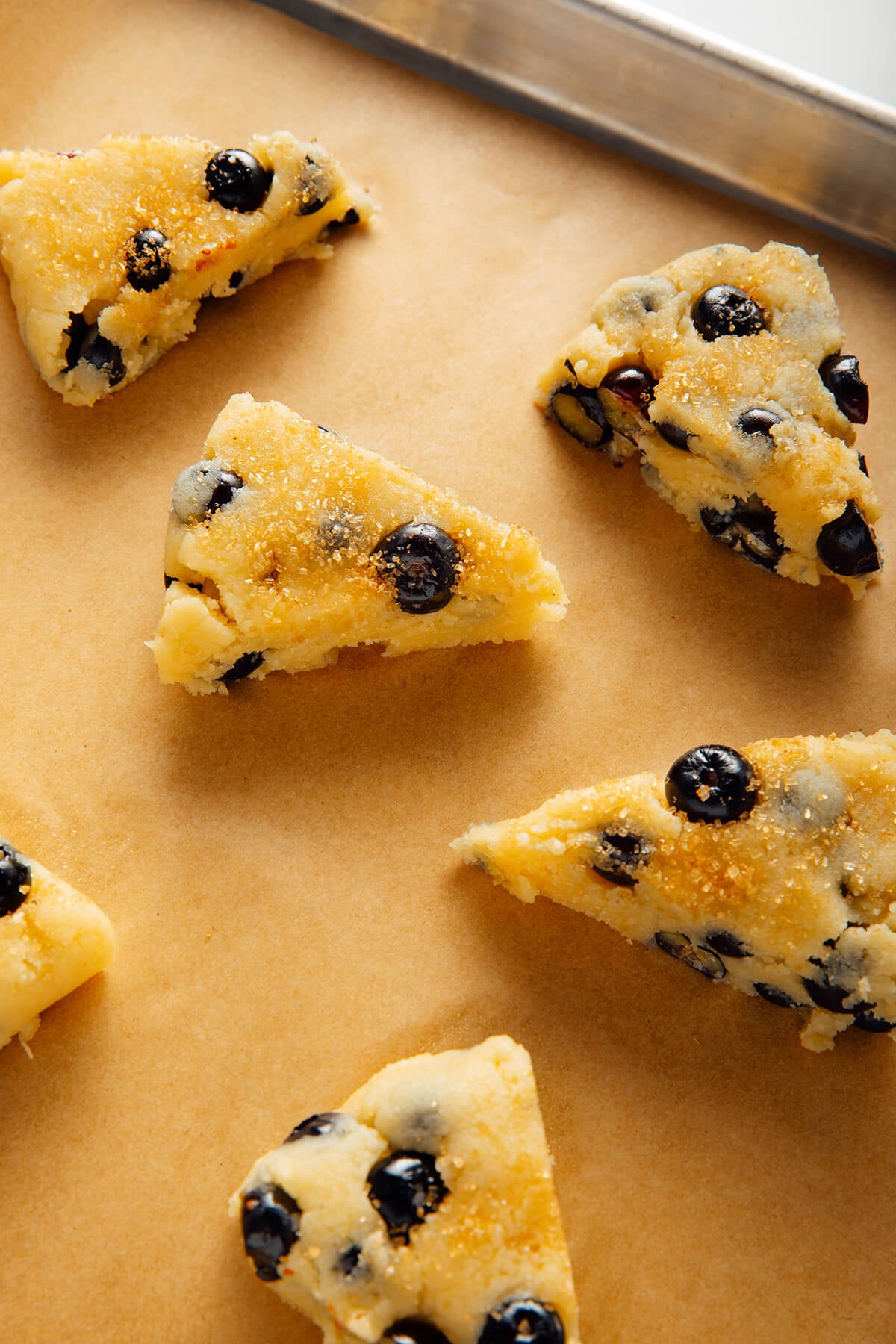
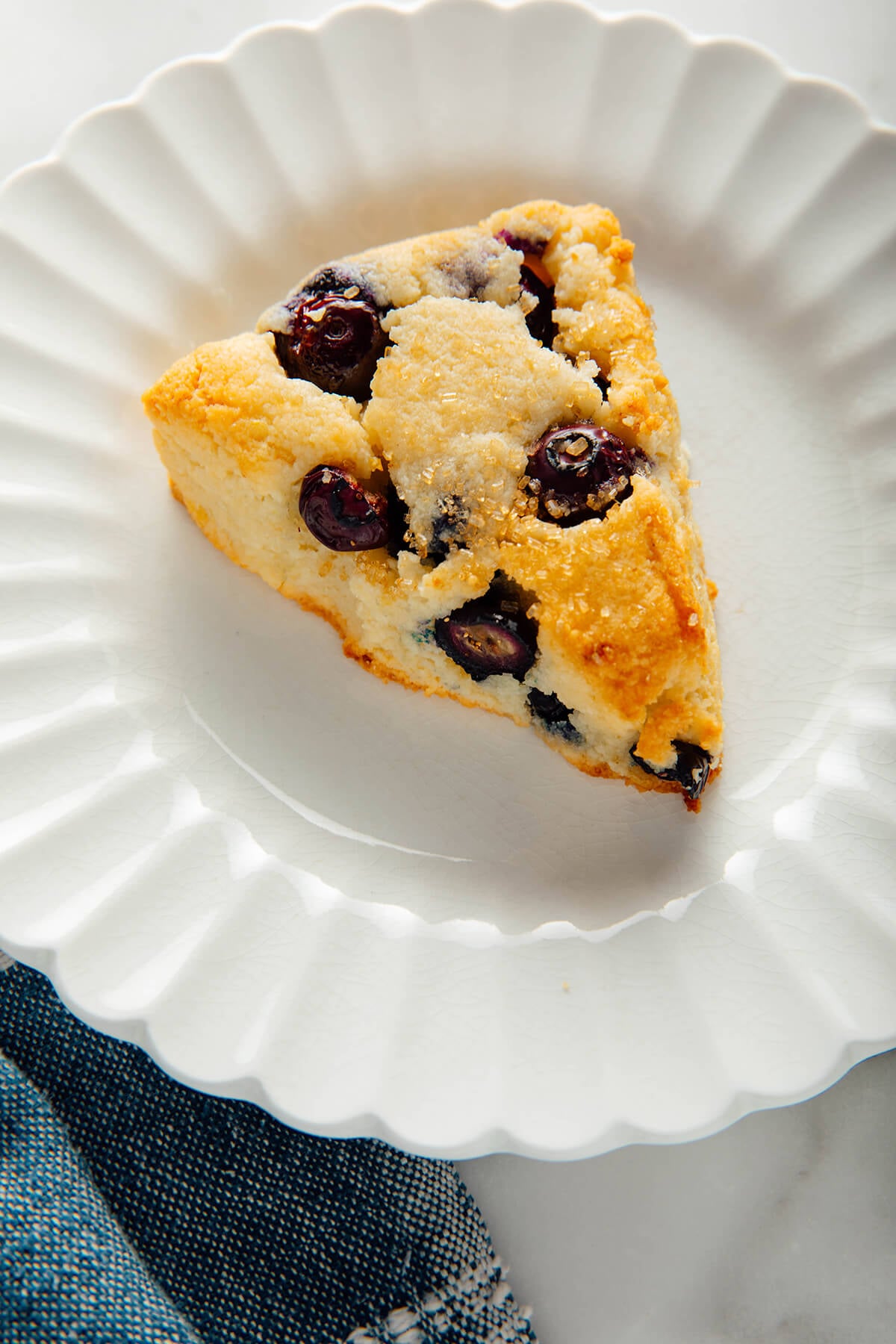
In a significant culinary achievement addressing the burgeoning demand for healthier and allergen-friendly baked goods, Kathryne Taylor, the acclaimed food blogger behind Cookie and Kate and a bestselling cookbook author, has unveiled a groundbreaking almond flour scone recipe. This new offering, celebrated for its perfectly tender interior and golden, lightly crunchy exterior, aims to redefine the scone experience, proving that gluten-free alternatives can not only match but potentially surpass their traditional counterparts in taste and texture. Featuring vibrant, jammy blueberries, aromatic lemon zest, and a delicate sprinkle of raw sugar, these scones represent a meticulous development process, offering a wholesome, lower-carbohydrate option for a broad audience.
The genesis of this innovative recipe stems directly from the culinary community. Following the publication of her popular Blueberry Scones, which utilized either whole wheat or all-purpose flour, Taylor received numerous inquiries from readers eager for an almond flour adaptation. This outpouring of interest underscored a clear market need for gluten-free versions of beloved classics, particularly as almond flour has gained significant traction in health-conscious kitchens. Recognizing almond flour as a personal favorite due to its unique baking properties and nutritional profile, Taylor embarked on an intensive research and development journey to meet this demand.
Navigating the Gluten-Free Landscape: The Rise of Almond Flour
The shift towards alternative flours, especially almond flour, is not merely a passing trend but a reflection of evolving dietary preferences and health considerations. The global gluten-free market, valued at approximately $6.2 billion in 2022, is projected to grow substantially, driven by increased diagnoses of celiac disease, a rise in non-celiac gluten sensitivity, and a growing number of individuals adopting low-carbohydrate or ketogenic diets for health and wellness. Almond flour, derived from finely ground blanched almonds, stands out in this landscape for several reasons. Nutritionally, it is rich in protein, dietary fiber, vitamin E, and healthy monounsaturated fats, while being significantly lower in carbohydrates and having a lower glycemic index compared to traditional wheat flours. These attributes make it an attractive ingredient for those seeking nutritious and blood sugar-friendly options.
However, baking with almond flour presents distinct challenges. Unlike wheat flour, it lacks gluten, the protein network responsible for the elasticity and structure in traditional baked goods. This absence often results in crumbly textures, a lack of rise, and difficulties in achieving the desired browning. Bakers must carefully adjust liquid ratios, fat content, and leavening agents to compensate for these differences, often requiring extensive experimentation to achieve palatable results. The goal is to create a product that not only caters to dietary needs but also delivers an exceptional sensory experience, a task Taylor evidently embraced with dedication.
The Rigorous Development Process: Seven Tries to Perfection
Kathryne Taylor’s commitment to culinary excellence is perhaps best illustrated by the fact that her almond flour scone recipe underwent "seven tries" before reaching its perfected state. This rigorous testing phase highlights the inherent complexities of reformulating a classic recipe with a fundamentally different flour. Each iteration likely involved subtle adjustments to ingredient proportions, mixing techniques, and baking temperatures, all aimed at coaxing almond flour to behave in a manner akin to its gluten-containing counterparts.
The initial recipe, celebrated for its robust blueberry flavor and tender texture, served as a foundational blueprint. However, merely substituting almond flour for wheat flour would have yielded a dense, potentially dry, and structurally compromised product. Taylor’s process would have involved meticulously rebalancing the moisture content, adjusting the amount of fat to ensure tenderness without greasiness, and recalibrating the leavening agents to achieve the characteristic scone rise. The objective was to create a scone that did not taste "overtly of almond," allowing the other flavors—the sweet burst of blueberries and the bright tang of lemon zest—to shine through, a testament to the delicate balance achieved.
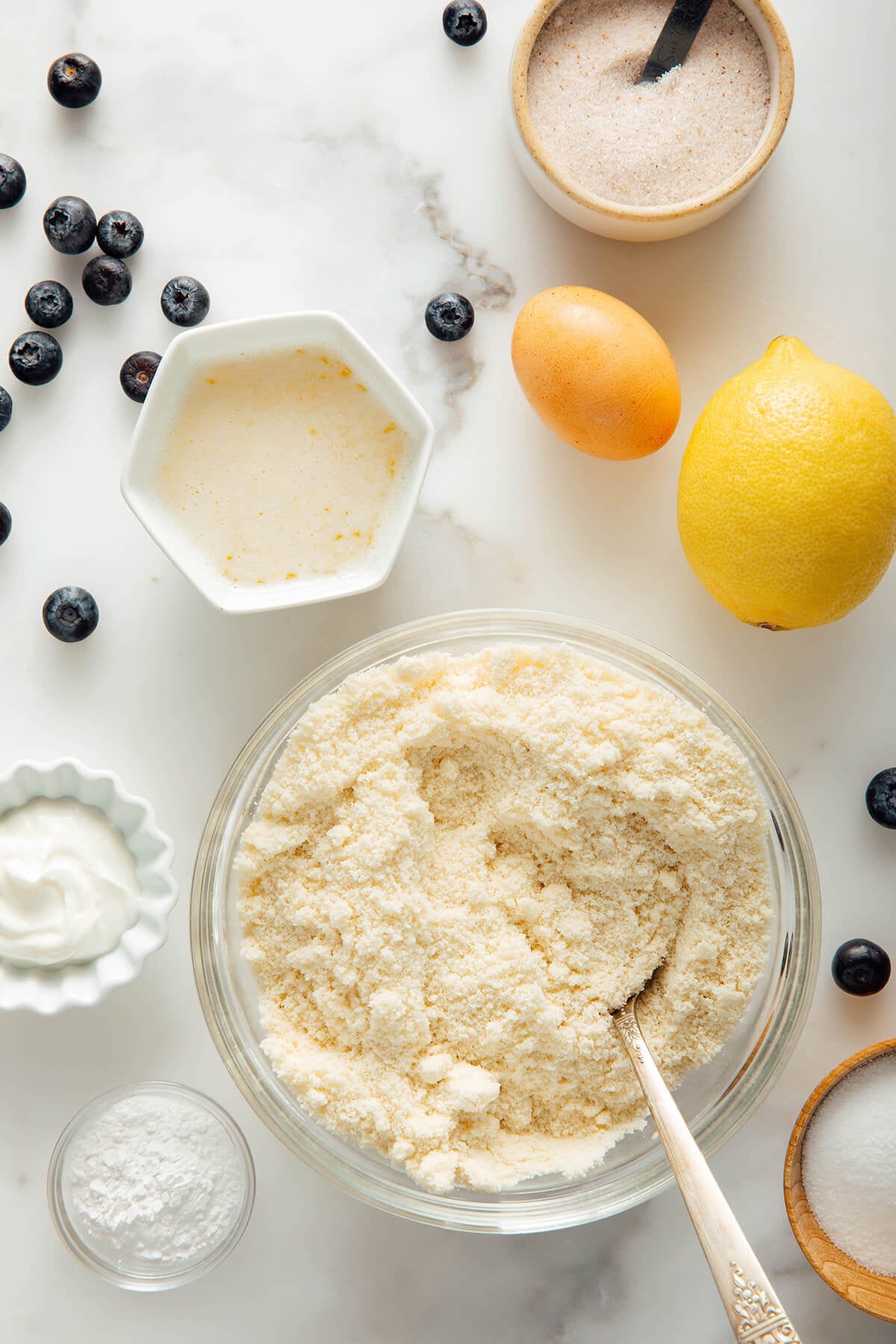
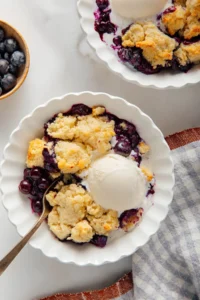
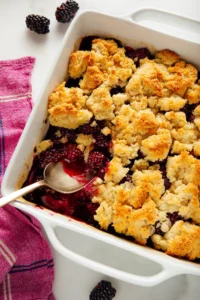
An interesting byproduct of this intensive development process was the discovery that one of the earlier iterations of the almond flour scone dough made for an excellent topping for a peach cobbler. This serendipitous outcome underscores the creative and often iterative nature of recipe development, where "failures" can lead to entirely new and delicious creations, further showcasing the versatility of almond flour in different dessert applications.
Key Adjustments and Baking Science
While the original article broadly mentions "several adjustments" and "tweaking the rest" of the ingredients from the wheat-flour version, the scientific principles behind successful almond flour baking offer insight into the likely modifications. Almond flour, being denser and more absorbent than wheat flour, often requires increased liquid to prevent dryness. However, too much liquid can lead to a dense, gummy texture. Therefore, Taylor likely adjusted the ratios of wet ingredients (like eggs or dairy) to achieve the optimal dough consistency. Eggs, in particular, play a crucial role in binding and providing structure in gluten-free baking.
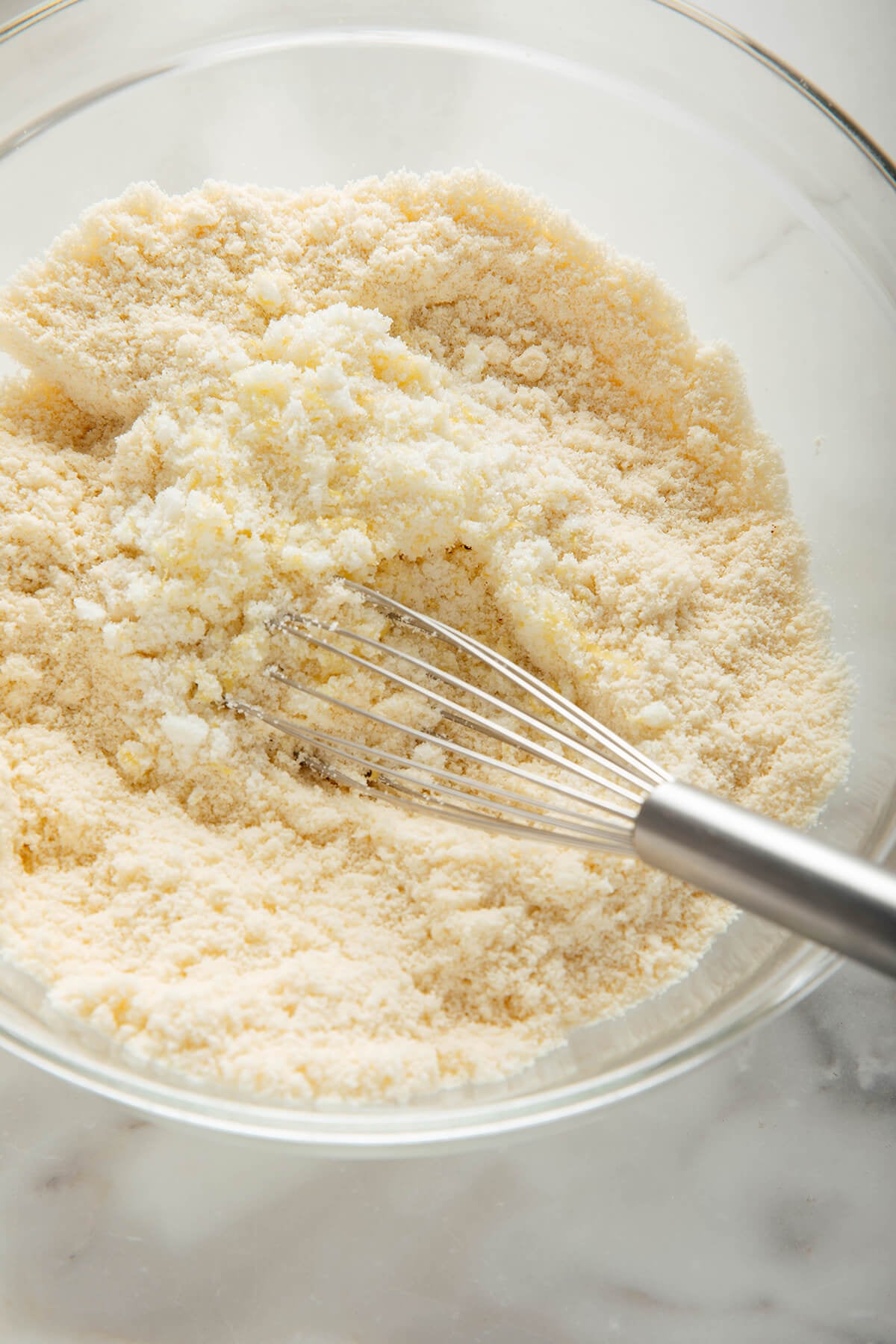
Fat content, traditionally butter in scones, is also critical. Cold butter cut into the flour is essential for creating flaky layers as it melts during baking, releasing steam. Maintaining this flaky texture while adapting to almond flour’s characteristics would have required precise measurement and handling. Furthermore, the type of almond flour used is paramount. Taylor specifically noted testing with Bob’s Red Mill’s super-fine almond flour and Whole Foods 365’s almond flour, both yielding "great results." Super-fine almond flour, made from blanched (skinless) almonds, provides a smoother texture and lighter crumb compared to coarser almond meal, which can result in a grittier final product. This attention to ingredient quality is a hallmark of successful gluten-free baking.
The baking process itself also likely saw adaptations. Almond flour tends to brown more quickly due to its fat content, necessitating careful monitoring of baking times and temperatures to achieve the desired golden exterior without overbaking the interior. The "golden exteriors that offer a light crunch along the edges" described in the article suggest a perfectly calibrated bake.
Beyond Blueberries: A Canvas for Culinary Creativity
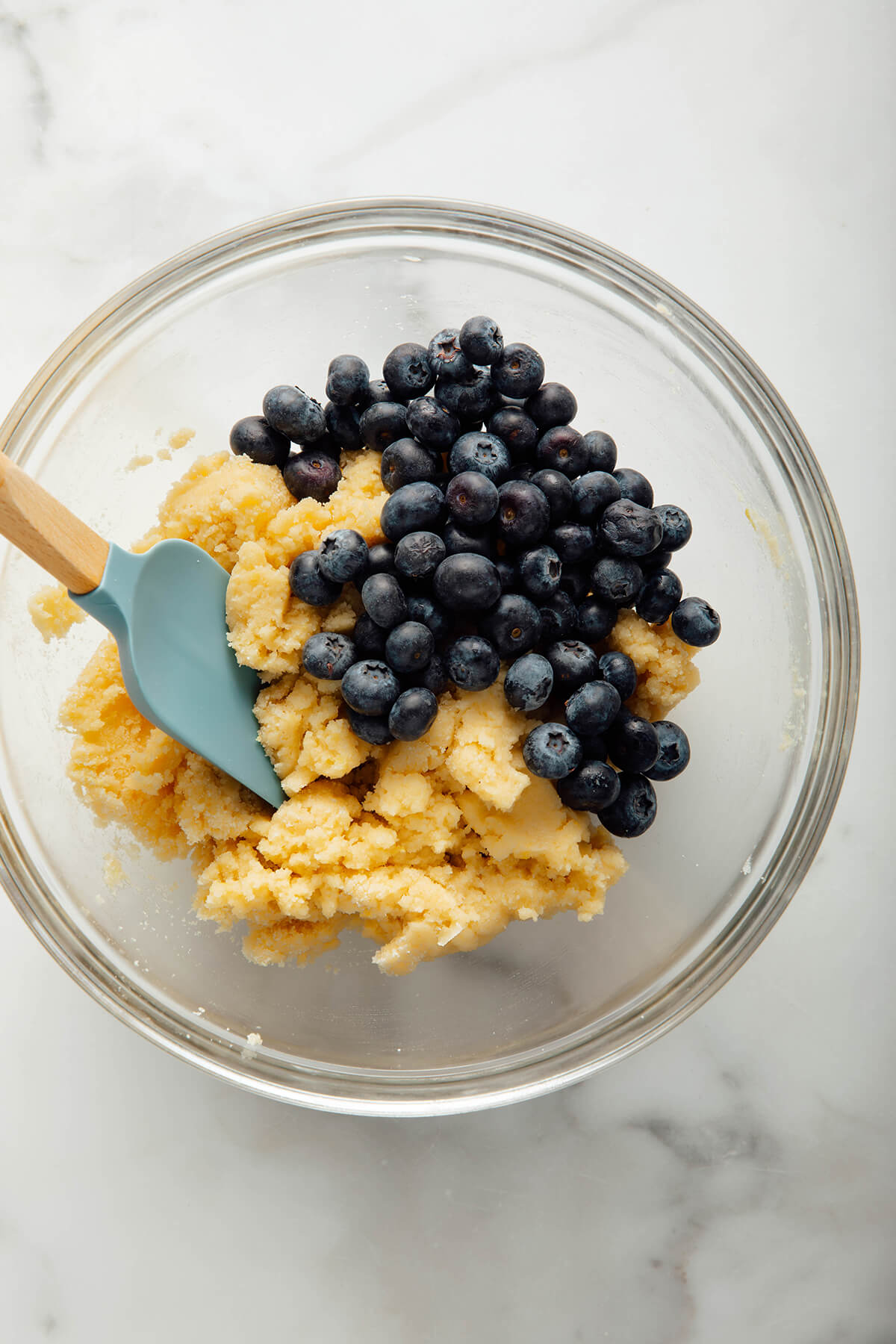
One of the most compelling aspects of Taylor’s almond flour scone recipe is its remarkable adaptability, extending far beyond the initial blueberry lemon iteration. This versatility transforms the base recipe into a foundational element for a myriad of sweet and savory applications, catering to diverse palates and occasions.
-
Sweet Variations: Berries, Cherries, and Chocolate:
The original blueberry and lemon combination is a classic for a reason, offering a balance of sweetness and tartness. However, the recipe seamlessly accommodates other seasonal berries. Replacing blueberries with raspberries, blackberries (halved if large to ensure even distribution), or sliced strawberries allows bakers to leverage the freshest produce available. The option to switch from lemon zest to orange zest further expands the flavor profile, offering a warmer, sweeter citrus note that pairs beautifully with most berries.
For those who appreciate more nuanced fruit and nut pairings, the cherry scone variation is a standout. Utilizing halved and pitted cherries, this version recommends omitting the lemon zest and incorporating half a teaspoon of almond extract. This addition artfully enhances the natural almond notes from the flour, creating a harmonious and sophisticated flavor profile where the sweet-tart cherries are complemented by the subtle depth of almond.
Chocolate chip scones offer a universally beloved option, appealing to both children and adults. By omitting the fruit and zest, bakers can incorporate up to three-quarters of a cup of chocolate chips. Taylor specifically highlights a successful combination of half a cup of semi-sweet chocolate chips and half a cup of toasted, chopped pecans, illustrating how texture and nutty notes can elevate a simple chocolate chip scone into a more complex and satisfying treat. -
A Savory Revelation: The Cheddar Scone:
Perhaps the most unexpected and innovative variation is the savory cheddar scone. This option demonstrates the true versatility of the almond flour base, transforming it from a sweet breakfast pastry into a robust, savory accompaniment suitable for brunch, lunch, or even as a sophisticated snack. To achieve this, the fruit and zest are entirely omitted, and the sugar content is drastically reduced to just one teaspoon. The key additions are three-quarters of a cup of shredded sharp cheddar cheese, providing a tangy, umami-rich flavor, and three tablespoons of chopped green onion for a mild, aromatic bite. This particular variation has earned high praise from Taylor herself, becoming "one of my all-time favorite snacks!" Such a drastic yet successful transformation underscores the strength and balance of the underlying almond flour scone structure, capable of supporting both delicate sweet and bold savory profiles.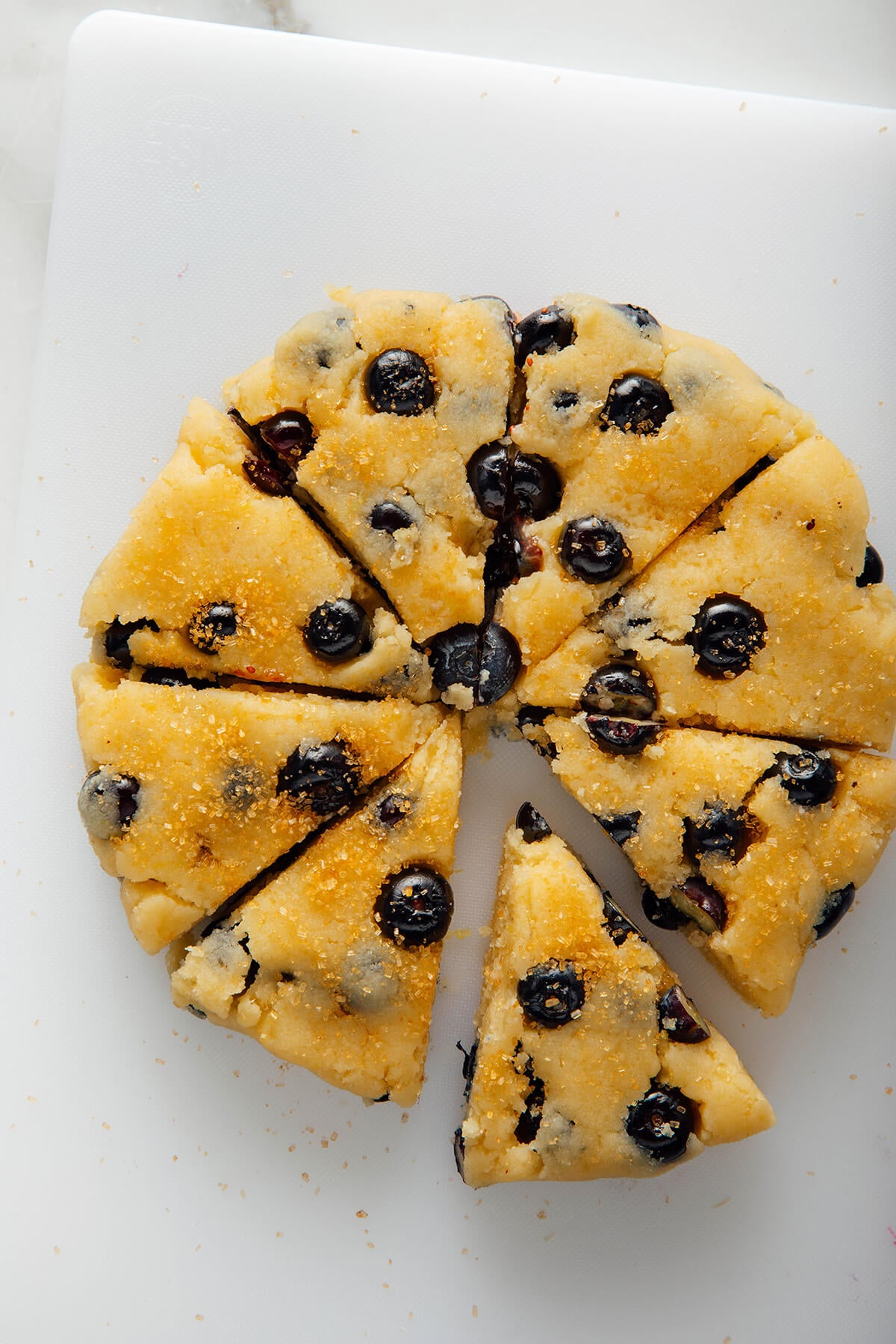
The Broader Impact: Empowering Health-Conscious Baking
The introduction of such a well-developed almond flour scone recipe by a prominent culinary figure like Kathryne Taylor has significant implications for the broader baking community and market. Firstly, it empowers home bakers with dietary restrictions, such as gluten intolerance or those managing blood sugar, to enjoy classic comfort foods without compromise. The detailed instructions and proven success of the recipe lower the barrier to entry for gluten-free baking, which can often be perceived as daunting.
Secondly, this recipe contributes to the ongoing evolution of healthier baking. By demonstrating that wholesome, lower-carbohydrate ingredients can yield delicious results, it encourages further experimentation and adoption of alternative flours and healthier ingredients. This aligns with a larger societal trend towards mindful eating and personalized nutrition, where consumers are increasingly seeking out foods that not only taste good but also support their health goals.
Finally, Taylor’s work reinforces her position as a leader in wholesome, approachable cuisine. Her willingness to invest significant effort in perfecting a recipe, responding directly to reader feedback, and providing comprehensive variations, builds trust and loyalty within her community. This commitment to quality and innovation sets a high standard for food bloggers and recipe developers alike.
Kathryne Taylor: A Voice in Wholesome Cuisine
Kathryne Taylor, the creative force behind Cookie and Kate, has been a steadfast presence in the online culinary world since 2010. Her platform is renowned for its focus on vegetarian and whole-food recipes, emphasizing fresh, seasonal ingredients and approachable cooking techniques. As a bestselling cookbook author, Taylor has consistently demonstrated an ability to translate complex culinary ideas into accessible recipes for home cooks. Her dedication to exploring and perfecting gluten-free and other dietary-specific options, as exemplified by the almond flour scones, showcases her responsiveness to her audience’s evolving needs and her commitment to inclusive cooking. Her Kansas City kitchen continues to be a hub of innovation, consistently delivering recipes that are both nutritious and immensely satisfying.
In conclusion, Kathryne Taylor’s almond flour scone recipe is more than just a new addition to her extensive repertoire; it is a meticulously crafted culinary solution that addresses contemporary dietary needs without sacrificing flavor or texture. Through diligent experimentation and a deep understanding of alternative baking, Taylor has created a scone that is not only naturally gluten-free and lower in carbohydrates but also exceptionally delicious and incredibly versatile. It stands as a testament to the fact that with dedication and expertise, classic treats can be reimagined and improved, setting a new standard for inclusive baking and delighting palates across the spectrum of dietary preferences. The culinary world, and indeed home bakers everywhere, eagerly await the next innovative creation from her kitchen.