










The pituitary gland, often referred to as the "master gland" of the human endocrine system, serves as the primary regulator for a vast array of physiological processes, ranging from growth and metabolism to reproductive health and stress response. Despite its critical importance, the genetic underpinnings of many pituitary disorders remain shrouded in complexity. Dr. Maria Andrea Camilletti, an assistant researcher at the Laboratory of Applied Research in Neurosciences (LIAN) within the Institute of Neurosciences (INEU-CONICET) at the FLENI Foundation in Buenos Aires, is currently leading pioneering research to bridge this knowledge gap. By leveraging induced pluripotent stem cell (iPSC) technology, Dr. Camilletti and her team are developing sophisticated in vitro models to study congenital hypopituitarism (CH), a condition that affects approximately 1 in 4,000 to 1 in 10,000 live births globally. Her work represents a significant shift from traditional molecular diagnostics toward functional genomics and personalized regenerative medicine.
The Genetic Landscape of Congenital Hypopituitarism
Congenital hypopituitarism is characterized by the deficiency of one or more hormones produced by the anterior pituitary gland. These include growth hormone (GH), thyroid-stimulating hormone (TSH), adrenocorticotropic hormone (ACTH), follicle-stimulating hormone (FSH), luteinizing hormone (LH), and prolactin. The clinical presentation of CH is highly variable, often involving growth retardation, metabolic dysfunction, and delayed puberty. In severe cases, it is associated with midline craniofacial defects, such as septo-optic dysplasia.
While mutations in transcription factors such as PROP1, POU1F1, HESX1, and OTX2 have been identified as causative agents, the majority of CH cases—approximately 80% to 90%—remain without a definitive molecular diagnosis. This "missing heritability" poses a significant challenge for clinical management and genetic counseling. Dr. Camilletti’s research journey began with an effort to address this diagnostic deficit through the implementation of multigene sequencing panels.

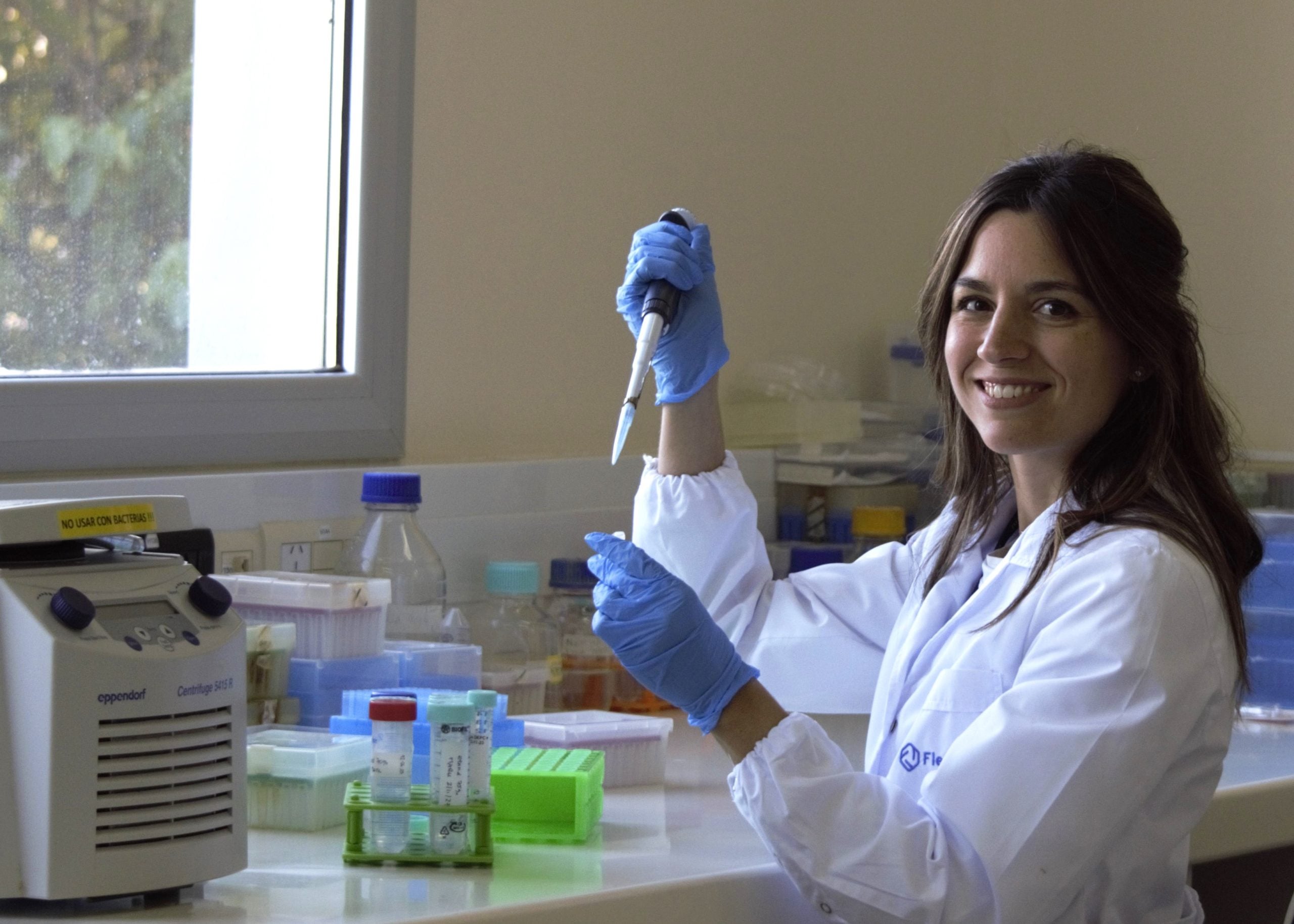
During her postdoctoral tenure in the laboratory of Dr. María Inés Pérez Millán, Camilletti contributed to the development of a custom-based sequencing panel designed to screen for variants across dozens of candidate genes. In a study involving more than 170 pediatric patients from across Argentina, the team successfully identified pathogenic variants in 15.3% of sporadic cases. However, the study also highlighted a recurring obstacle in modern genomics: the identification of "variants of uncertain significance" (VUS). These are genetic alterations where the impact on protein function is not immediately clear, necessitating functional validation in a laboratory setting to determine their pathogenicity.
A Chronology of Scientific Development in Argentina
Dr. Camilletti’s trajectory reflects the robust academic tradition of Argentina despite the nation’s recurring economic fluctuations. Her interest in the life sciences was fostered early by a family of scientists, including her mother, a biochemist, and her grandfather and uncle, who were agronomists and engineers. This foundation led her to the University of Buenos Aires (UBA) in 2007, where she enrolled in the Faculty of Natural and Exact Sciences.
In 2011, a pivotal mentorship began when she joined the laboratory of Dr. Graciela Díaz at the Institute of Biology and Experimental Medicine (IBYME). Under Díaz, an expert in pituitary tumors, Camilletti was introduced to neuroendocrinology. This period was instrumental in demonstrating the resilience required to conduct high-level research in a developing economy, where funding and resources are often subject to external pressures.
Following her PhD, Camilletti transitioned to the laboratory of Dr. Pérez Millán, who had recently returned to Argentina after a six-year fellowship at the University of Michigan. This collaboration fused international expertise with local clinical data, leading to the aforementioned multigene panel project. The realization that genetic sequencing alone was insufficient to explain the etiology of CH prompted Camilletti to seek more advanced cellular models, eventually leading her to the FLENI Foundation, a premier neurological institute in Latin America.
The iPSC Revolution: From Reprogramming to Pituitary Modeling
The introduction of induced pluripotent stem cells has revolutionized the study of human disease. First developed by Shinya Yamanaka and Kazutoshi Takahashi in 2006—a feat that earned the Nobel Prize in 2012—iPSCs are somatic cells (such as skin fibroblasts or blood cells) that have been reprogrammed back to a pluripotent state. These cells possess the unique ability to self-renew indefinitely and differentiate into any cell type in the human body, including the specialized hormone-secreting cells of the pituitary.
For researchers like Dr. Camilletti, iPSCs offer several distinct advantages:
- Patient-Specific Modeling: iPSCs carry the exact genetic background of the patient from whom they were derived, allowing for the study of specific mutations in a relevant physiological context.
- Ethical Compliance: Unlike embryonic stem cells, iPSCs do not involve the destruction of embryos, bypassing significant ethical and regulatory hurdles.
- Developmental Insight: By mimicking the stages of embryonic development in a culture dish, researchers can observe how specific genetic variants disrupt the formation of the pituitary gland in real-time.
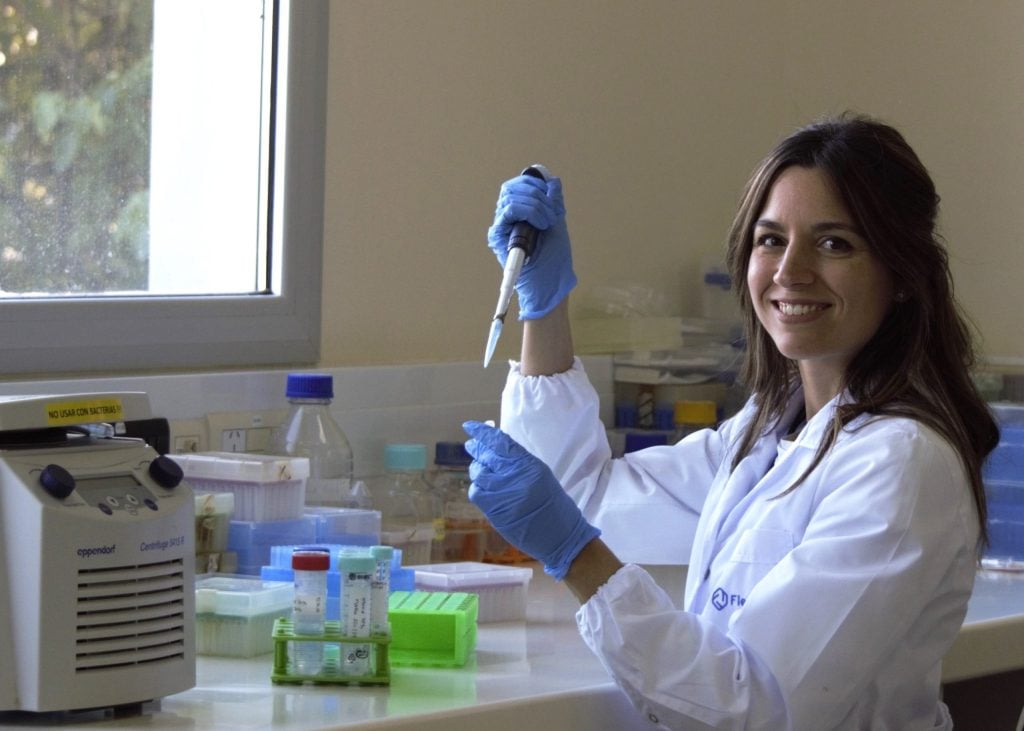
At FLENI, Camilletti has adopted a "ninja-culture" approach to maintaining these delicate cells. iPSCs are notoriously sensitive to environmental stress and contamination, particularly because antibiotics are often omitted from the culture media to prevent subtle alterations in cellular metabolism and differentiation potential.
Investigating the FOXA2 Variant and Craniofacial Malformations
The current focus of Dr. Camilletti’s research is a specific, novel variant in the FOXA2 gene (c.686C>A; p.S229*). This discovery stemmed from a collaboration with physicians at Garrahan Hospital who were treating a pediatric patient presenting with growth hormone deficiency and significant craniofacial malformations.

FOXA2 is a member of the forkhead box family of transcription factors and is known to play a critical role in the development of the endoderm and the formation of the midline structures in the embryo. While its role in liver and pancreas development is well-documented, its specific contribution to human pituitary organogenesis is less understood. The identified nonsense variant results in a truncated protein, likely leading to a loss of function.
To investigate this, Camilletti’s team has successfully generated an iPSC line from the affected patient. The next phase of the research involves differentiating these iPSCs into pituitary progenitor cells and mature endocrine cells. By comparing the developmental trajectory of the patient-derived cells against healthy control lines, the researchers aim to pinpoint exactly when and how the FOXA2 mutation interferes with pituitary signaling pathways. Furthermore, the lab is utilizing CRISPR/Cas9 gene-editing technology to create "knockout" models, providing a comprehensive view of the gene’s regulatory landscape.
Implications for Global Neuroendocrinology and Personalized Medicine
The implications of this research extend far beyond the laboratory. By establishing a reliable pipeline for functional validation of genetic variants, Dr. Camilletti is providing a blueprint for more accurate diagnoses. For families affected by CH, a definitive genetic diagnosis is crucial for understanding the recurrence risk in future pregnancies and for tailoring hormone replacement therapies.
Furthermore, the long-term potential of iPSC technology lies in regenerative medicine. In the future, it may be possible to differentiate a patient’s own iPSCs into functional pituitary cells that could be transplanted to restore hormonal balance, offering a permanent cure for hypopituitarism rather than a lifetime of daily injections.
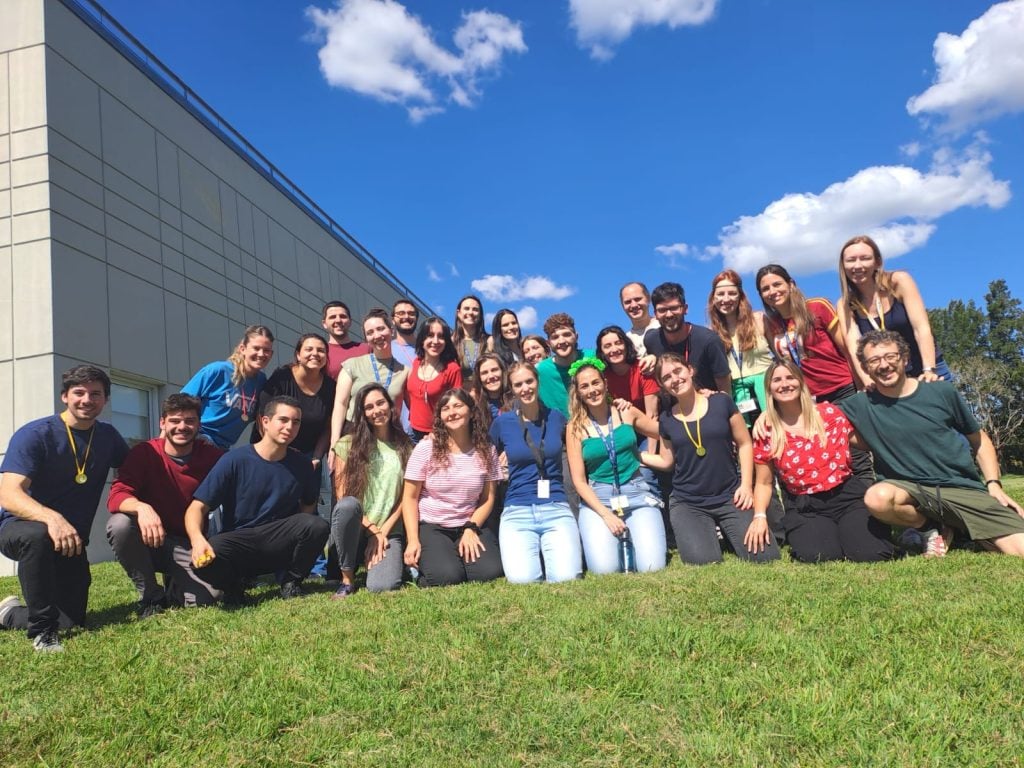
The Endocrine Society’s Early-Career Special Interest Group has highlighted Dr. Camilletti’s work as a testament to the importance of global scientific collaboration and the necessity of supporting researchers in diverse economic environments. Her work underscores the fact that while the pituitary gland is small—roughly the size of a pea—the scientific challenges it presents are monumental.
Conclusion and Future Directions
As Dr. Camilletti continues her work at the Institute of Neuroscience at FLENI, the focus remains on the intersection of bioinformatics, clinical genomics, and stem cell biology. The integration of these fields is essential for unraveling the complexities of human development.
"I hope our research contributes to the community by offering better diagnosis, genetic counseling, and future treatments for patients and their families," Camilletti stated. Her commitment to mentoring the next generation of scientists—including PhD fellows like Gonzalo Tomás Chirino Felker and undergraduate students like Chiara Grosso—ensures that the momentum of neuroendocrine research in Argentina will continue.
The success of the FOXA2 study will likely pave the way for investigating other transcription factors involved in the "transcriptional regulatory landscape" of the pituitary. As genomics continues to identify new variants, the "ninja" technicians of the iPSC lab will remain at the forefront of transforming raw data into life-changing clinical insights. Through the meticulous culture of stem cells and the rigorous analysis of genetic data, the path toward personalized endocrine therapy is becoming increasingly clear.