

The arrival of spring often ushers in a renewed focus on personal well-being and fitness goals, making it a pivotal season for individuals embarking on or recommitting to a healthier lifestyle. A cornerstone of any successful dietary regimen, particularly one aimed at weight management, is a meticulously curated grocery list. The availability of nutrient-dense, satisfying options, especially when it comes to snacks, can significantly dictate the trajectory of one’s efforts. The pervasive challenge of late-night snacking, often driven by impulse or inadequate preparation, frequently undermines even the most disciplined calorie deficit strategies. Understanding the critical role of strategic snacking in maintaining consistent energy levels, managing hunger, and preventing overeating is paramount for achieving sustainable results.
To navigate the often-confusing landscape of dietary choices, insights from qualified health professionals are invaluable. Dr. Kezia Joy, RDN, a distinguished Medical Advisor with Welzo, has identified a concise yet powerful selection of five healthy snacks that she specifically recommends for individuals prioritizing weight loss. Her recommendations underscore a principle of informed consumption, moving beyond conventional, often counterproductive, snacking habits towards choices that actively contribute to metabolic health and long-term success.
The Foundational Role of Strategic Snacking in Weight Management
The concept of snacking has undergone considerable evolution in nutritional discourse. Historically, snacking was sometimes viewed as detrimental, a potential source of excess calories. However, contemporary understanding, supported by extensive research, positions strategic snacking as a valuable tool for hunger management, nutrient delivery, and metabolic stability. The key lies in the quality and composition of the snacks. Mindless consumption of highly processed, sugar-laden items contributes to caloric surplus and blood sugar dysregulation, whereas thoughtful selections can bolster energy, prevent extreme hunger, and enhance overall dietary adherence.
The rising global prevalence of obesity and diet-related chronic diseases, such as Type 2 diabetes, has intensified the focus on dietary patterns beyond just main meals. According to the World Health Organization, over 1.9 billion adults globally were overweight in 2016, with 650 million being obese, figures that are continually on the rise. Unhealthy snacking contributes significantly to these statistics by increasing overall caloric intake without providing sufficient satiety or essential nutrients. The transition to spring, often a period of increased physical activity and a desire for lighter, more vibrant foods, provides an opportune moment to recalibrate snacking habits. By front-loading one’s pantry with dietitian-approved options, individuals create an environment conducive to success, mitigating the risk of succumbing to less healthy alternatives when hunger strikes.
Dr. Kezia Joy’s Five Core Snack Recommendations for Weight Loss
Dr. Joy’s expert guidance distills the vast array of food options into five categories, each selected for its robust nutritional profile and ability to promote satiety, a critical factor in calorie control and sustained weight loss. These recommendations are designed for practicality, ease of preparation, and versatility, ensuring they can be seamlessly integrated into diverse daily routines without feeling restrictive or monotonous. The consistent theme across these choices is their rich content of key macronutrients that actively support metabolic health.
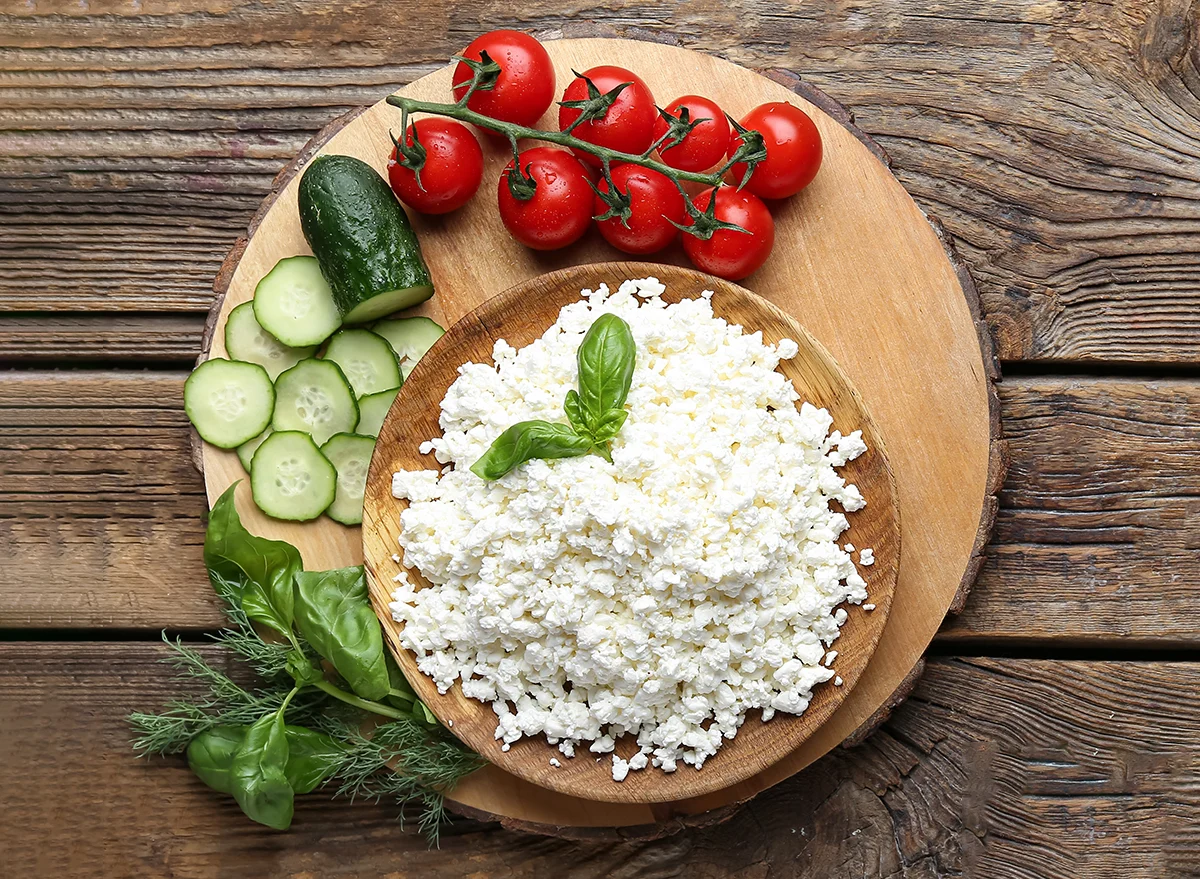
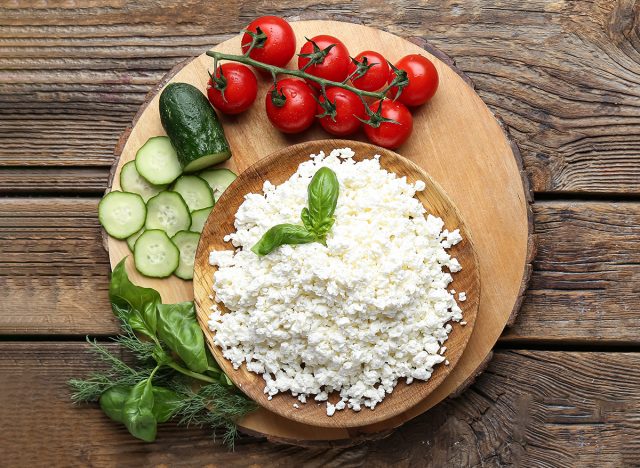
1. Cottage Cheese with Vegetables: This pairing exemplifies a powerhouse snack, combining high-quality protein with essential micronutrients and fiber. Cottage cheese, a dairy product, is an excellent source of casein protein, a slow-digesting protein that provides a sustained release of amino acids, contributing significantly to feelings of fullness and muscle maintenance. A typical half-cup serving of low-fat cottage cheese can provide upwards of 12-14 grams of protein with minimal calories. The versatility of cottage cheese allows for customization; while low-fat options are popular for calorie reduction, full-fat varieties offer a richer texture and higher healthy fat content, which can also contribute to satiety for some individuals. When combined with non-starchy vegetables such as crisp cucumber slices, juicy cherry tomatoes, vibrant bell pepper strips, or crunchy carrot sticks, the snack gains an added dimension of dietary fiber, vitamins (like Vitamin C and K), and minerals. This combination not only enhances satiety but also adds volume and crunch, making the snack more enjoyable and preventing the rapid hunger pangs often associated with less dense foods. The low glycemic index of this pairing helps stabilize blood sugar, averting the energy spikes and crashes that can lead to cravings for less healthy options.
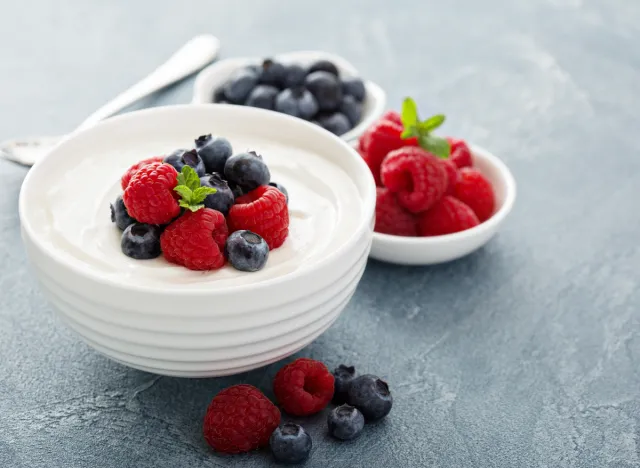
2. Greek Yogurt with Fresh Berries: Greek yogurt stands out among dairy products for its significantly higher protein content compared to traditional yogurt, often double or triple the amount per serving. This concentrated protein makes it exceptionally effective at promoting satiety. The fermentation process also introduces beneficial probiotics, which support gut health—an increasingly recognized factor in weight management and overall well-being. Research has highlighted the gut microbiome’s role in metabolism and weight regulation, making probiotic-rich foods like Greek yogurt particularly valuable. Pairing Greek yogurt with fresh berries (such as antioxidant-rich blueberries, fiber-dense raspberries, or vitamin C-packed strawberries) introduces a natural sweetness alongside a potent dose of antioxidants, vitamins, and dietary fiber. Berries are particularly noted for their low glycemic load, meaning they provide carbohydrates without causing a sharp rise in blood sugar. It is crucial to select plain, unsweetened Greek yogurt to avoid added sugars, which can negate the health benefits and contribute to caloric excess. The creamy texture of the yogurt combined with the vibrant burst of berries creates a satisfying and nutrient-rich snack that feels indulgent without compromising dietary goals.
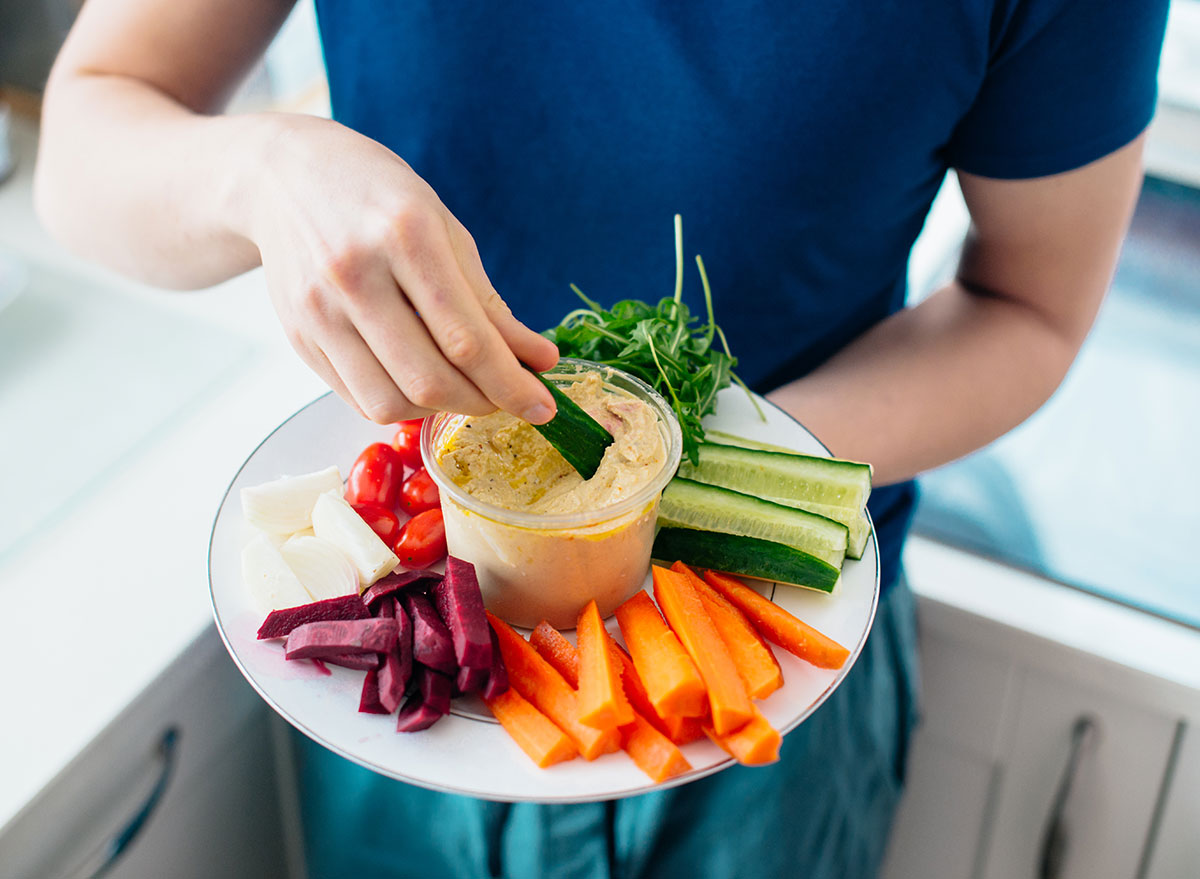
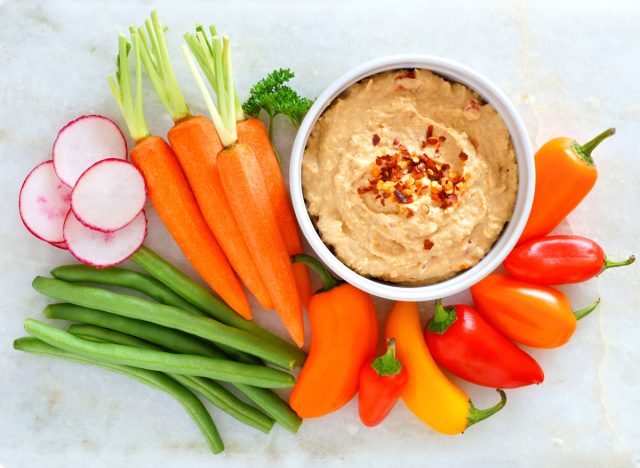
3. Hummus with Raw Vegetables: For those seeking plant-based options, hummus with raw vegetables offers a robust nutritional profile. Hummus, traditionally made from chickpeas, tahini (sesame paste), olive oil, lemon juice, and garlic, is a fantastic source of plant-based protein and dietary fiber. Chickpeas are legumes renowned for their ability to promote satiety and aid in blood sugar control due to their complex carbohydrates and fiber content. The healthy fats from tahini and olive oil contribute to satiety and support the absorption of fat-soluble vitamins found in the accompanying vegetables. Serving hummus with a variety of raw vegetables like crisp celery sticks, colorful bell pepper strips, crunchy carrot sticks, refreshing snap peas, or zesty radish slices adds crucial vitamins, minerals, and a satisfying textural element. This snack is particularly effective in providing sustained energy and preventing the desire to reach for processed alternatives. While highly nutritious, portion control for hummus is advisable due to its calorie density from healthy fats; a typical serving size is around 2-4 tablespoons.
4. An Ounce of Nuts with a Piece of Fruit: This classic combination offers a balanced blend of healthy fats, protein, fiber, and natural sugars, making it an ideal choice for sustained energy and hunger control. Nuts, such as almonds, walnuts, pistachios, or cashews, are nutrient powerhouses, rich in monounsaturated and polyunsaturated fats, plant protein, fiber, vitamins (like Vitamin E), and minerals (magnesium, selenium). These components contribute to cardiovascular health and provide a lasting feeling of fullness. The "ounce" recommendation is critical, as nuts are calorie-dense; approximately 23 almonds, 14 walnut halves, or 49 pistachios constitute an ounce, providing around 160-180 calories. Pairing nuts with a piece of fruit, such as a crisp apple, a juicy pear, a zesty orange, or a small banana, provides natural carbohydrates for energy, along with additional fiber, vitamins, and antioxidants. The fiber in the fruit helps to moderate the absorption of its natural sugars, preventing rapid blood glucose spikes. This snack is convenient, portable, and delivers a complex nutritional punch that keeps hunger at bay between meals.
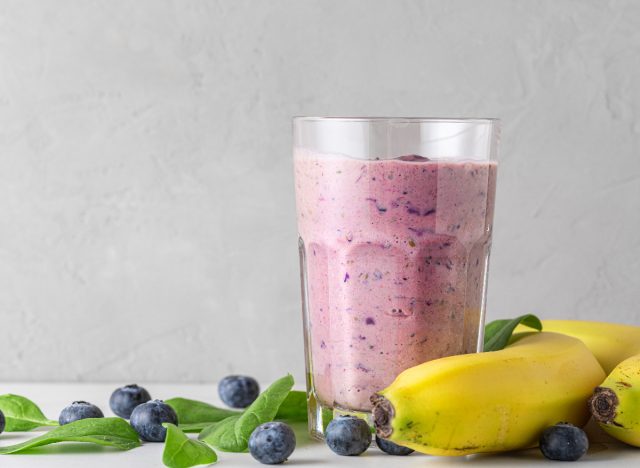
5. A Smoothie Using Whole Food Ingredients and Protein: Smoothies, when constructed mindfully, can be exceptionally versatile and nutrient-dense snacks. The emphasis on "whole food ingredients and protein" is paramount to differentiate these beneficial concoctions from sugar-laden, fruit-heavy drinks that often resemble desserts. An optimal weight-loss smoothie typically includes a base of unsweetened liquid (water, unsweetened almond milk, or coconut water), a significant portion of leafy greens (spinach, kale), a source of protein (protein powder, Greek yogurt, cottage cheese, or nut butter), and a modest amount of low-sugar fruit for natural sweetness and fiber (half a banana, a handful of berries). Healthy fats can be incorporated through additions like chia seeds, flax seeds, or avocado. This combination ensures a balanced intake of macronutrients—protein for satiety and muscle support, fiber for digestive health and blood sugar control, and healthy fats for sustained energy. Smoothies are particularly useful for those on the go or for increasing vegetable intake, offering a customizable and easily digestible nutrient boost.
The Physiological Underpinnings: Protein, Healthy Fats, and Fiber
Dr. Joy highlights three essential components that underpin effective weight loss and satiety: protein, healthy fats, and fiber. These macronutrients work synergistically to regulate appetite, stabilize blood sugar, and provide sustained energy, forming the bedrock of any successful weight management strategy.
Protein, often deemed the foundation of a weight-loss-approved snack, is crucial due to its high thermic effect of food (TEF), meaning the body expends more energy to digest and metabolize protein compared to carbohydrates or fats. Beyond TEF, protein is highly satiating. It triggers the release of cholecystokinin (CCK) and glucagon-like peptide-1 (GLP-1), hormones that signal fullness to the brain, thereby reducing appetite. Furthermore, adequate protein intake is vital for preserving lean muscle mass during weight loss, which is critical for maintaining a healthy metabolic rate and preventing the dreaded "yo-yo" effect. Studies consistently show that higher protein diets are more effective for weight loss and maintenance.
Dietary Fiber plays a multifaceted role in weight management. Found abundantly in vegetables, fruits, nuts, and legumes, fiber adds bulk to food without contributing significant calories. This physical bulk helps to fill the stomach, signaling satiety. Soluble fiber, in particular, forms a gel-like substance in the digestive tract, slowing down gastric emptying and nutrient absorption. This delay contributes to a more gradual rise in blood glucose levels, preventing the sharp peaks and subsequent crashes that often trigger hunger and cravings. Fiber also supports a healthy gut microbiome, which is increasingly linked to metabolic health, inflammation reduction, and weight regulation.
Healthy Fats, including monounsaturated and polyunsaturated fats found in nuts, seeds, avocados, and olive oil, are integral for satiety and overall health. While calorie-dense, healthy fats slow digestion and contribute to a sustained feeling of fullness. They also play a crucial role in hormone production and nutrient absorption, particularly for fat-soluble vitamins (A, D, E, K). Including a modest amount of healthy fats in snacks can prevent hunger from returning too quickly, helping to manage overall caloric intake throughout the day. These fats are also vital for cellular function and provide a dense source of energy.
Dr. Joy emphasizes that these carefully chosen snack options are not only nutritionally superior but also pragmatic: "Each [of these options] allows for quick preparation, can be easily incorporated into your daily routine, and will allow you to have a variety of options as you work on losing weight, and help keep you from feeling like you’re being deprived by eating a ‘snack.’ When you eat snacks that are good for you and allow you to meet your nutritional needs, but also limit the amount of calories you consume, you are more likely to continue to make good choices over time." This perspective underscores the psychological aspect of dieting, where feeling satisfied and un-deprived is key to long-term adherence.
Satiety, Blood Glucose, and the Prevention of Overeating
The efficacy of these dietitian-approved snacks in supporting weight loss hinges on their ability to promote satiety and stabilize blood glucose levels. The high fiber and protein content characteristic of these options ensures a slower digestive process compared to many conventional snacks. This extended digestion translates into a prolonged feeling of fullness, significantly reducing the likelihood of overeating during subsequent meals. By establishing more balanced eating habits, individuals can break free from the cycle of extreme hunger followed by impulsive, often unhealthy, food choices.
Dr. Joy further elaborates on the physiological benefits: "These types of snack food can assist with maintaining consistent blood glucose levels, and consistent blood glucose levels are very important to regulate your hunger. The less your blood glucose levels fluctuate, the less you will experience hunger." This consistency is vital. When blood glucose levels surge rapidly after consuming high-sugar, refined carbohydrate snacks, the body releases a large amount of insulin to bring them down. This often leads to a subsequent sharp drop in blood sugar, known as a "sugar crash," which triggers intense hunger and cravings, particularly for more sugary foods. By choosing snacks rich in protein and fiber, these dramatic fluctuations are minimized, leading to more stable energy and better hunger control. This proactive approach helps to "limit the amount of highly processed convenience foods you consume during the day" by reducing the physiological drive to seek them out. This aligns with broader public health recommendations from organizations like the American Heart Association, which advocate for reduced intake of added sugars and processed foods.
Why Many Conventional Snacks Derail Weight-Loss Goals
The modern food environment is saturated with snack options that, despite their convenience and palatability, actively work against weight-loss objectives. Many widely available snacks are predominantly composed of refined carbohydrates and added sugars, offering negligible nutritional value. These items are engineered for rapid digestion and absorption, leading to a quick surge in blood glucose, followed by an inevitable crash.
As Dr. Joy aptly explains, "They’re easily digested, but do little to suppress our desire for additional food." This characteristic makes them inherently problematic for weight management. Because they lack the fiber, protein, and healthy fats necessary for sustained satiety, they fail to communicate effectively with the body’s hunger and fullness signals. Consequently, individuals find themselves consuming larger quantities of these calorie-dense, nutrient-poor snacks throughout the day, often without conscious awareness of the accumulating caloric intake. This cycle of rapid consumption and quick return of hunger makes it exceedingly difficult to maintain a calorie deficit.
Furthermore, these conventional snacks often come in oversized portions or are packaged in ways that encourage overconsumption. Dr. Joy emphasizes the concept of nutrient density: "Another reason why the snacks I recommend are better than typical snacks is that they have a larger volume of nutrients per serving than typical snacks." Unlike highly processed items designed for maximum "bliss point" and minimal nutritional return, the recommended snacks provide substantial nutritional benefits for their caloric contribution. "Most snack foods are designed so that we can eat too much of them with very little nutritional value. Therefore, when you choose to eat one of the snacks I recommend, the calories will provide satiety, or fullness," she concludes. This distinction between "empty calories" and "nutrient-dense calories" is fundamental to effective weight management and is a principle championed by leading nutritionists globally.
The Strategic Importance of Snack Timing
Beyond the composition of snacks, their timing plays a more significant role in weight management than often appreciated. Strategic snacking is not about constant eating but rather about intelligently bridging the gaps between main meals to optimize energy levels and hunger control.
Dr. Joy clarifies, "Snacks at appropriate times may prevent an interval of time from one meal to another in which individuals are likely to consume excess calories due to a large gap in time since the last meal. Snacking maintains consistent levels of energy throughout the day." A well-timed mid-afternoon snack, for
