





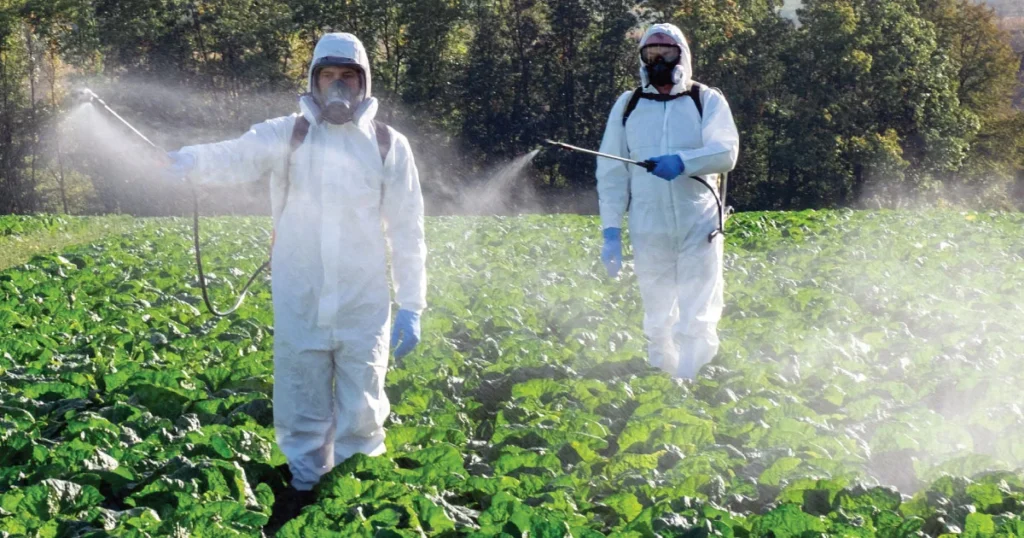
Syngenta, the Swiss-headquartered agrichemical conglomerate, has officially announced its decision to terminate the production of Gramoxone, its flagship paraquat-based herbicide, at its manufacturing site in Huddersfield, United Kingdom. According to a corporate statement released in early March 2026, the company intends to shutter the production line by the end of June 2026. This move is of international significance as the Huddersfield facility represents the final global production hub for the chemical under Syngenta’s direct operation. The cessation marks the conclusion of an era for one of the most effective, yet controversial, tools in modern industrial agriculture, signaling a major victory for environmental advocates and public health organizations that have campaigned against the substance for decades.
The Strategic Withdrawal from Paraquat Manufacturing
The decision to exit the production of Gramoxone follows years of mounting pressure from regulatory bodies, healthcare professionals, and legal challenges. While paraquat dichloride has been a staple of the agricultural industry since the 1960s, its reputation has been increasingly tarnished by its high toxicity and its association with long-term neurological disorders. Syngenta’s Huddersfield plant has historically been a focal point for this controversy; the United Kingdom banned the use of paraquat on its own soil in 2007, yet allowed Syngenta to continue manufacturing the chemical for export to international markets, including the United States, South America, and parts of Asia.
The upcoming closure of the Huddersfield line effectively ends this "double standard" policy, which had long been criticized by organizations such as Public Eye and the Pesticide Action Network. Industry analysts suggest that the move is part of a broader strategic pivot by Syngenta—now owned by the state-owned China National Chemical Corporation (ChemChina)—to align its portfolio with modern Environmental, Social, and Governance (ESG) standards and to mitigate the escalating legal liabilities associated with paraquat exposure.
A History of Efficacy and Controversy
Paraquat was first synthesized in 1882, but its herbicidal properties were not fully realized until 1955. Syngenta’s predecessor, Imperial Chemical Industries (ICI), began marketing the chemical under the brand name Gramoxone in 1962. It quickly became indispensable to farmers worldwide due to its unique "burn-down" capability. Unlike many other herbicides, paraquat works on contact, killing green plant tissue within hours. It is also rain-fast and becomes inactive upon contact with soil, allowing for rapid replanting.
However, the chemical’s efficacy is matched by its extreme toxicity. A single accidental sip can be fatal, and there is no known antidote. Beyond the risk of acute poisoning, scientific research has increasingly linked chronic, low-level exposure to the development of Parkinson’s disease. A landmark 2011 study by the National Institutes of Health (NIH), known as the Farming and Movement Evaluation (FAME) study, found that farmers who used paraquat were 2.5 times more likely to develop Parkinson’s than those who did not.
The Regulatory Landscape and the Global Ban
As of 2026, more than 70 countries have implemented bans on the agricultural use of paraquat. The European Union led the charge in 2007, citing the chemical’s impact on human health and the environment. Other major agricultural producers followed suit, including Brazil, which finalized its ban in 2020 after a long-fought battle between the domestic agricultural lobby and health regulators. China, despite being the home of Syngenta’s parent company, also moved to phase out paraquat for domestic use, citing concerns over its high suicide rate involving the chemical.
In contrast to the global trend, the United States Environmental Protection Agency (EPA) has maintained the legality of paraquat, albeit with increasingly strict application requirements. The EPA has historically argued that the benefits of the chemical to the agricultural economy outweigh the risks, provided that safety protocols are strictly followed. However, the EPA’s stance has been the subject of intense litigation, with environmental groups filing multiple lawsuits to force a re-evaluation of the chemical’s safety profile. Syngenta’s decision to stop production may eventually render these regulatory debates moot if the supply chain for the chemical dries up.
Legal Implications and the Rise of Litigation
The announcement of the Huddersfield closure comes amid a massive wave of litigation in the United States. Thousands of plaintiffs—primarily farmers and agricultural workers—have filed lawsuits against Syngenta and Chevron (which distributed the chemical in the U.S. for decades), alleging that the companies were aware of the link between paraquat and Parkinson’s disease but failed to warn users.
A Multidistrict Litigation (MDL) process has been underway in Illinois, where internal company documents, often referred to as the "Paraquat Papers," have been unsealed. These documents suggest that Syngenta’s own scientists were concerned about the safety of the product as early as the 1970s. Legal experts believe that the financial burden of defending these cases, combined with the potential for multi-billion-dollar settlements, likely played a decisive role in the company’s decision to sunset Gramoxone production. By exiting the market, Syngenta may be attempting to limit future exposure to new claims, even as it continues to litigate existing ones.
The Economic and Industrial Impact in Huddersfield
The Huddersfield manufacturing site has been a cornerstone of the local economy in West Yorkshire for over a century. The cessation of Gramoxone production raises immediate concerns regarding employment and the future of the facility. Syngenta has stated that it will work closely with employees and local labor unions to manage the transition. While the company produces other agrichemicals at the site, Gramoxone was a significant portion of the plant’s output.
Industry insiders speculate that Syngenta may repurpose the facility to focus on its "next-generation" crop protection products, including biologicals and more selective herbicides that carry lower toxicity profiles. This shift reflects a wider trend in the agrichemical industry, where companies are moving away from broad-spectrum, high-toxicity chemicals toward precision agriculture and sustainable solutions.
Reaction from Advocacy Groups and the Scientific Community
The news of the production halt has been met with widespread acclaim from health advocacy groups. The Michael J. Fox Foundation for Parkinson’s Research, which has long campaigned for a global ban on paraquat, released a statement characterizing the decision as a "historic milestone for public health."
"For decades, we have known that paraquat poses an unacceptable risk to the neurological health of those who work in our fields," said a spokesperson for the foundation. "Syngenta’s decision to stop production is a recognition that the era of using high-risk neurotoxins in food production must come to an end."
Conversely, some agricultural groups have expressed concern over the loss of a critical tool for weed management. In the United States, paraquat is frequently used to combat "superweeds" like Palmer amaranth, which have developed resistance to glyphosate (the active ingredient in Roundup). Without Gramoxone, farmers may be forced to rely on more expensive or less effective alternatives, potentially increasing the cost of food production.
Timeline of the Phase-Out
The timeline for the cessation of production is as follows:
- Early March 2026: Syngenta officially notifies the Huddersfield workforce and international regulators of its intent to stop Gramoxone production.
- April – May 2026: The company begins the process of fulfilling final contracts and winding down the supply chain for raw materials.
- June 30, 2026: Final production of paraquat dichloride at the Huddersfield site is scheduled to conclude.
- July 2026 and Beyond: Syngenta will begin the decommissioning of the specific production line and focus on environmental remediation and site repurposing.
Broader Implications for the Agrichemical Industry
The exit of Syngenta from the paraquat market is likely to trigger a domino effect across the industry. While generic manufacturers in countries with less stringent regulations may continue to produce paraquat, the withdrawal of a major player like Syngenta reduces the chemical’s global availability and legitimacy.
Furthermore, this move underscores the increasing power of the "Right to a Healthy Environment" movement. As global standards for chemical safety continue to harmonize, the "double standard" of exporting hazardous substances from developed to developing nations is becoming politically and legally untenable. Syngenta’s decision reflects a corporate realization that the long-term costs of producing hazardous chemicals—including brand damage, legal fees, and regulatory hurdles—now outweigh the diminishing profits.
As the June 2026 deadline approaches, the agricultural world will be watching closely to see how the market adapts. The transition away from Gramoxone represents not just a change in a single company’s product line, but a fundamental shift in how the global community balances agricultural productivity with the protection of human health. The closure of the Huddersfield line serves as a definitive bookend to the history of one of the 20th century’s most controversial industrial chemicals.