









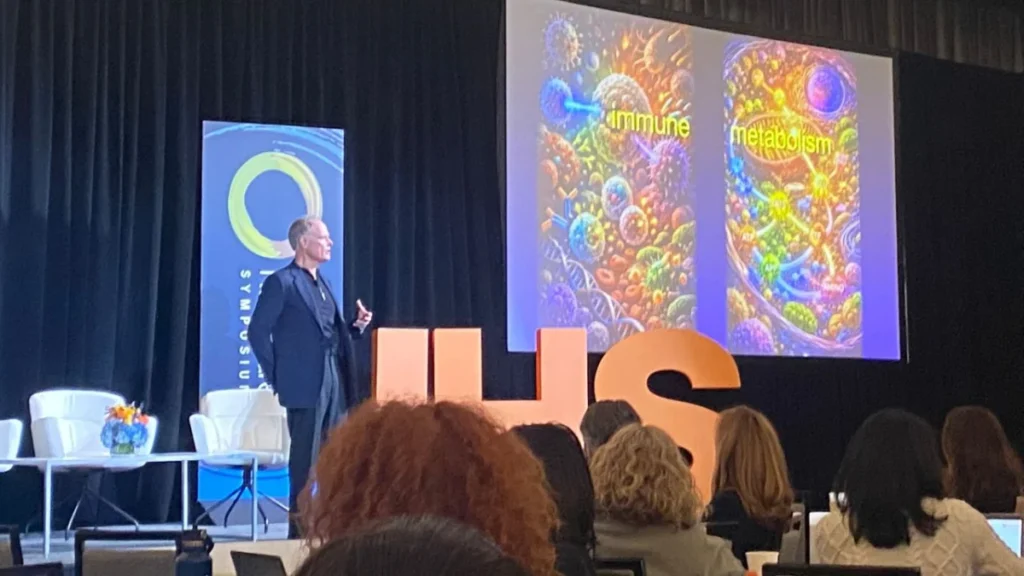
Held annually in the bustling metropolis of New York City, the 2026 Integrative Healthcare Symposium (IHS) served as a critical nexus for the convergence of cutting-edge science, pioneering practitioners, and innovative product developers within the realm of functional nutrition and integrative medicine. This year’s event, which took place on March 17, 2026, distinguished itself from broader industry trade shows like SupplySide Expo and Natural Products Expo West by its laser focus on the clinical application and measurable outcomes of nutritional interventions. Greg Horn, Managing Director at William Hood & Company, a firm specializing in investment banking for the health and wellness sector, observed a distinct evolution in the discourse and showcased innovations that are poised to significantly impact patient care.
The IHS has cultivated a reputation for attracting a highly discerning audience of healthcare providers who are actively engaged in the day-to-day treatment of patients. This unique positioning allows the symposium to serve as an early indicator of trends that are gaining traction at the front lines of patient care, offering insights that often precede broader market adoption. Horn’s perspective, honed over decades of leadership in the nutritional industry, including his tenure at GNC and co-founding Nutrition Capital Network, underscores the value of gleaning information directly from those who are translating nutritional science into tangible health improvements for individuals.
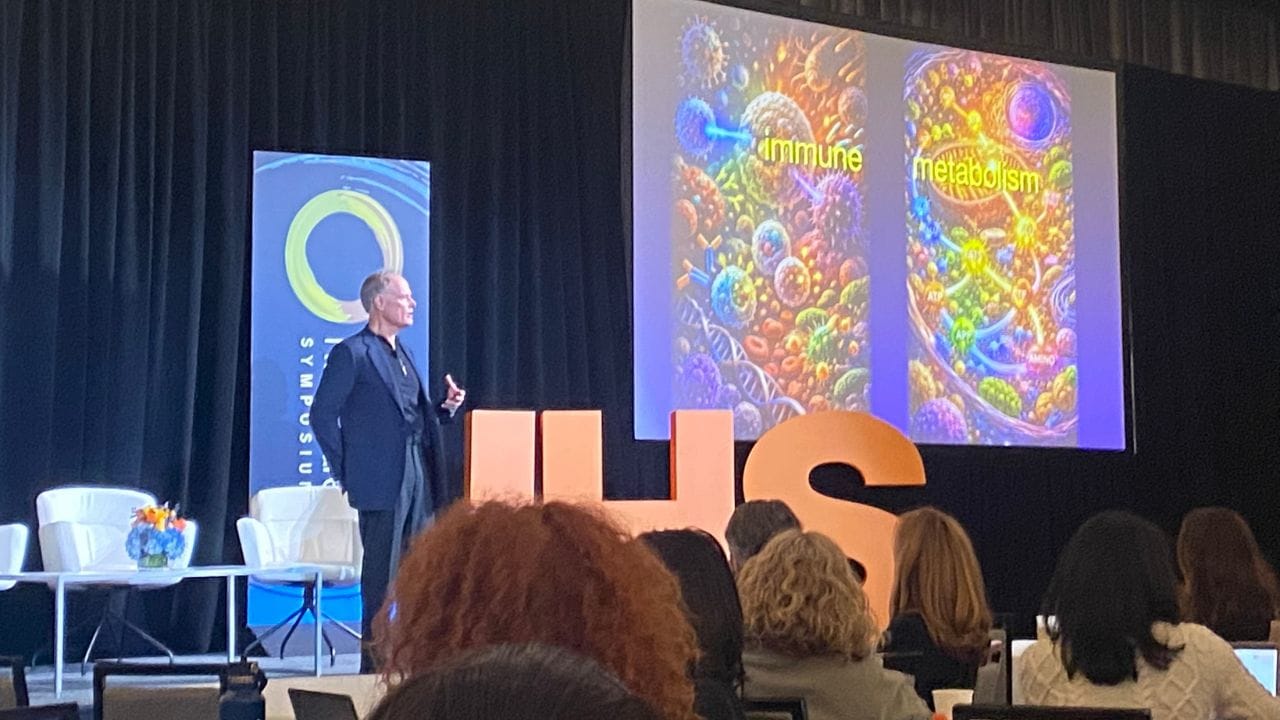
This year’s symposium featured a formidable lineup of thought leaders, including keynote speaker Dr. David Perlmutter, a renowned neurologist and author, alongside other influential figures such as Dr. Tieraona Low Dog and Paul Stamets. Their presentations and the subsequent discussions among attendees and exhibitors highlighted a maturing landscape in functional nutrition, moving beyond generalized wellness to more targeted, evidence-based therapeutic strategies. The sheer volume and quality of innovations on display suggest a significant upswing in the sophistication and efficacy of nutritional approaches being adopted by integrative health practitioners.

The IHS as a Barometer for Clinical Nutrition Trends
Unlike consumer-focused events or those primarily centered on ingredient sourcing, the Integrative Healthcare Symposium is characterized by its practitioner-centric approach. This means that the trends and products showcased are vetted not just for market appeal, but for their potential to address specific health concerns and deliver measurable results in a clinical setting. This distinction is crucial for understanding the trajectory of functional nutrition, as it reflects the demands and discoveries of those directly responsible for patient outcomes.
Horn’s comparative analysis with previous observations from other major industry events – such as the ingredient trends identified in 2025 and the natural products market movements observed at Expo West – reinforces the unique value proposition of the IHS. While those events offer a broader view of the consumer market and ingredient innovation, the IHS provides a granular look at how these advancements are being integrated into actual patient protocols. This year’s event, according to Horn, provided a "phenomenal lineup of speakers, thinkers and products on display that helped define effective nutrition therapies."
Key Emerging Patterns in Functional Nutrition
The discussions and product demonstrations at the 2026 IHS pointed towards several overarching themes that are shaping the future of functional nutrition. These emerging patterns suggest a move towards greater personalization, a deeper understanding of the gut-brain axis, and a more sophisticated approach to cellular health and longevity.
One of the most prominent themes was the increasing sophistication of personalized nutrition strategies. This goes beyond simple dietary recommendations based on macronutrient intake. Instead, practitioners are leveraging advanced diagnostics, including genetic testing, microbiome analysis, and detailed biomarker profiling, to tailor nutritional interventions with unprecedented precision. The symposium showcased new platforms and diagnostic tools that enable practitioners to identify individual nutrient deficiencies, metabolic imbalances, and predispositions to certain conditions with greater accuracy. For instance, presentations on nutrigenomics highlighted how specific gene variants can influence nutrient metabolism and predisposition to disease, enabling practitioners to proactively recommend targeted supplements and dietary changes. Data from recent clinical studies presented at the symposium indicated that personalized nutrition plans, informed by these advanced diagnostics, could lead to a 20-30% improvement in key health markers for conditions such as metabolic syndrome and inflammatory bowel disease compared to generalized approaches.
Another significant trend was the deepening focus on the gut-brain axis. The understanding that the gut microbiome plays a pivotal role in not only digestive health but also cognitive function, mood regulation, and immune response has moved from the fringes of research to the forefront of clinical practice. Exhibitors presented novel probiotic and prebiotic formulations designed to target specific microbial imbalances linked to neurological and psychiatric conditions. Research shared at the symposium indicated a growing body of evidence linking dysbiosis in the gut to conditions like anxiety, depression, and even neurodegenerative diseases. For example, studies presented demonstrated that targeted interventions with specific strains of Lactobacillus and Bifidobacterium could lead to measurable improvements in mood scores and cognitive function in participants. The development of postbiotics, the beneficial compounds produced by probiotics, also garnered significant attention as a more stable and targeted approach to modulating the gut environment.
The symposium also underscored the growing importance of cellular health and mitochondrial function in the context of aging and chronic disease prevention. Practitioners are increasingly recognizing that many age-related ailments and chronic conditions stem from cellular dysfunction, particularly at the mitochondrial level. Innovations in supplements and therapeutic compounds aimed at supporting mitochondrial biogenesis, reducing oxidative stress, and optimizing cellular energy production were widely discussed. Products featuring novel forms of CoQ10, PQQ (pyrroloquinoline quinone), and specialized antioxidant blends were prominently featured. Data presented by leading researchers indicated that interventions targeting mitochondrial health could potentially slow cellular aging by up to 15% and improve energy levels and physical performance in older adults. This shift represents a move towards a more fundamental approach to health, addressing the root causes of cellular decline rather than just managing symptoms.
Furthermore, there was a notable emphasis on specialized nutrient delivery systems. To enhance bioavailability and efficacy, manufacturers are increasingly employing advanced technologies such as liposomal encapsulation, nanoemulsification, and micellization. These methods ensure that vital nutrients are absorbed more efficiently by the body, overcoming common absorption barriers. Presentations showcased how these technologies are being applied to a range of compounds, from fat-soluble vitamins like Vitamin D and K to more complex phytonutrients and omega-3 fatty acids, leading to significantly higher blood levels and improved therapeutic outcomes. Clinical trials shared at the event demonstrated that liposomal formulations of Vitamin C, for instance, achieved up to 50% greater bioavailability compared to standard oral forms.
The Practitioner’s Perspective: Driving Innovation
The insights gleaned from the IHS are particularly valuable because they originate from the practitioners who are on the front lines of patient care. These are the individuals who are constantly seeking out the most effective, evidence-based solutions to help their patients achieve optimal health. Greg Horn’s long-standing engagement with the industry, from his early days at GNC to his current role at William Hood & Company, has provided him with a unique vantage point to observe this evolution. He emphasizes that the "health care providers who treat patients every day" are the ultimate arbiters of what works and what doesn’t.
The IHS’s emphasis on scientific rigor and clinical application means that the trends identified here are not fleeting fads. They represent a sustained movement towards a more sophisticated and effective approach to functional nutrition. This practitioner-driven innovation cycle is crucial for the advancement of integrative medicine. As practitioners identify unmet needs and demand more effective solutions, manufacturers and researchers are spurred to develop novel products and therapies. This symbiotic relationship ensures that the field of functional nutrition remains dynamic and responsive to the evolving landscape of human health.
Implications for the Health and Wellness Industry
The trends observed at the 2026 Integrative Healthcare Symposium have significant implications for the broader health and wellness industry.
- Increased Demand for Evidence-Based Products: The practitioner audience at the IHS demands products with robust scientific backing. This will likely lead to a greater emphasis on clinical trials and peer-reviewed research from supplement manufacturers seeking to gain credibility within this market segment. Companies that can provide strong data supporting the efficacy and safety of their formulations will have a competitive advantage.
- Growth in Personalized Health Solutions: The move towards personalized nutrition will fuel the growth of companies offering diagnostic services, genetic testing, and customized supplement programs. This segment of the market is expected to see substantial investment and innovation in the coming years.
- Advancements in Bioavailability Technologies: The focus on enhanced nutrient delivery systems will drive further research and development in this area. We can anticipate a proliferation of products utilizing advanced encapsulation and delivery techniques, potentially leading to new patents and proprietary technologies.
- Integration of Gut Health and Brain Health: The strong emphasis on the gut-brain axis will likely lead to a greater convergence of products and services targeting both areas. This could manifest in integrated wellness programs and new product categories that address the interconnectedness of gut and cognitive health.
- Shift Towards Proactive and Preventative Health: The focus on cellular health and mitochondrial function signifies a deeper commitment to preventative health strategies. This trend aligns with the broader societal shift towards proactive wellness and the desire to maintain health and vitality throughout the lifespan.
Looking Ahead
The 2026 Integrative Healthcare Symposium has provided a clear roadmap of the emerging frontiers in functional nutrition. The innovations and insights shared by leading practitioners and speakers like Dr. David Perlmutter underscore a field that is rapidly maturing, driven by scientific discovery and a commitment to improving patient outcomes. As Greg Horn aptly noted, the IHS is a crucial event for identifying what’s "next" in nutrition, and this year’s gathering has undoubtedly set a high bar for the advancements that will define the coming years in integrative health. The focus on personalized, evidence-based, and mechanistically driven nutritional therapies promises a future where functional nutrition plays an even more central role in the prevention and management of disease, contributing to a healthier and more vibrant population.